Kenya
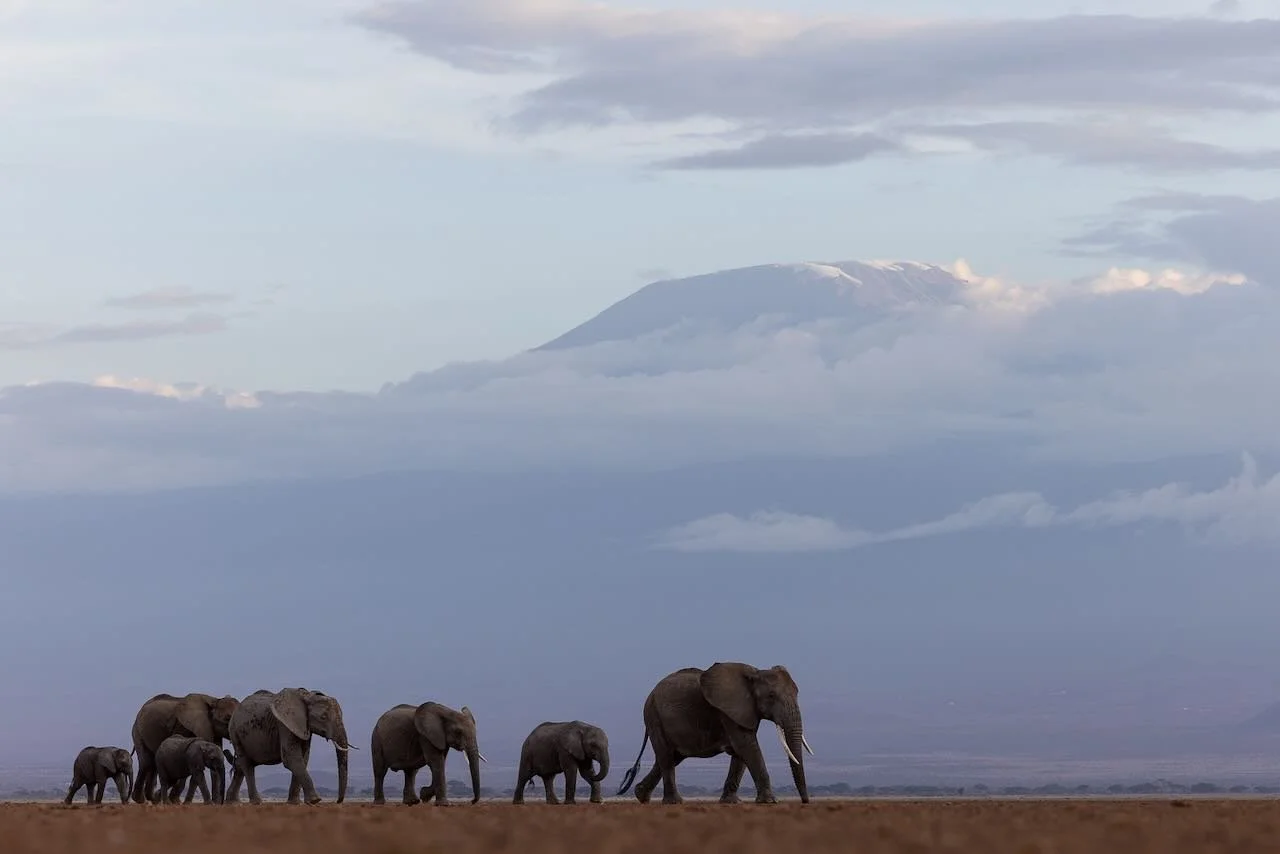
The home of Safaris. A country that offers incredible concentrations and diversity of wildlife. There is arguably no better place to view Africa’s most prized creatures than here. From the vast, rolling plains of the Masai Mara, to watching incredible herds of elephants under the immortal gaze of Mount Kilimanjaro, to the plateaux of Laikipia, the dusty beauty of Samburu, and flamingo-carpeted lakes, Kenya has it all.
The heart of East Africa…
…and the home of safaris. Kenya is without doubt one of the most incredible wildlife destinations in Africa. From the northern desert regions to the lush, rolling plains of the Maasai Mara, this country in the heart of Africa’s Great Rift Valley arguably has the greatest density and diversity of wildlife anywhere on the continent.
Whether you are a first-time safari goer or a seasoned pro, Kenya has something for everyone. Witness the last of Africa’s “Great Tuskers” under the watchful gaze of Mt Kilimanjaro in Amboseli. See a pride of lions spread out across the plains of the Maasai Mara in an ecosystem that fulfils the mythos. Experience some of the greatest concentrations of black and white rhinos and learn about the incredible anti-poaching efforts that keep these endangered species safe in Lewa and Laikipia while Mt Kenya towers over you.
Tourism is at the heart of Kenya. It feeds the people and the people buy into it. It is the lifeblood of the country and the wildlife thanks you.

When to Visit Kenya
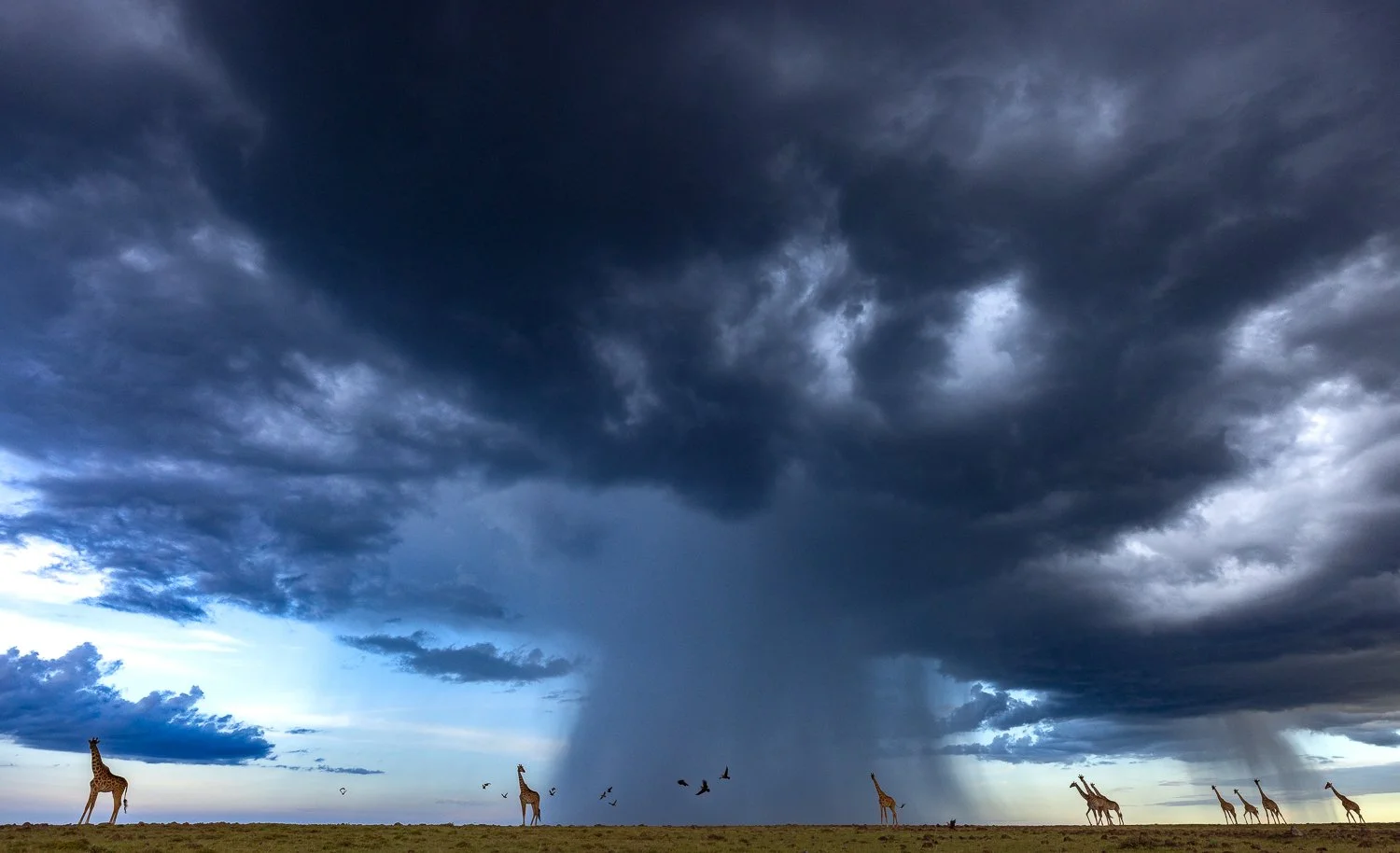
Being equatorial, Kenya doesn’t have the same extremes of seasons that are prevalent further north and south. It does, predominantly, have a rainy season that runs from April through May that soaks the otherwise dry ground and provides the necessary rainwater that allows the grasses to grow and feeds the incredible wildlife. In addition, there is often a short rainy period in November with epic skies and afternoon thunderstorms that provide a much needed boost, refreshing and nourishing the landscapes for calving season, when the gazelles and impalas mainly give brith to young, in January and February. Peak season is definitely from July through September but not necessarily because the wildlife viewing is better but because the famed Great Migration usually arrives into Kenya’s Maasai Mara from Tanzania’s Serengeti during this time. This of course has the knock-on effect of an increase in tourism across Kenya during these months as tourists try to couple seeing the migration with exploring other areas that Kenya has to offer so places will feel busier and less exclusive and intimate. So if the migration is something you want to see then these are the months to think of travelling but be warned it will be busy. I generally prefer the quieter February-March, and November windows when the wildlife is epic and the skies can lend themselves to incredible photo opportunities - with minor variations across different parts of Kenya.
JAN
Excellent
FEB
Excellent
MAR
Very Good
APRIL
Mixed
MAY
Mixed
JUN
Good
JUL
Peak
AUG
Peak
SEPT
Peak
OCT
Good
NOV
Excellent
DEC
Very Good
Top Destinations
-
![A mother cheetah looks back over her shoulder in the Maasai Mara as a rainbow appears against stormy blue sky.]()
Maasai Mara
When people think of Africa, they think of Kenya’s Masai Mara. The vast rolling plains, the sheer density and diversity of wildlife, and the thrill of the wild. Few places can rival this iconic area for wildlife viewing.
-
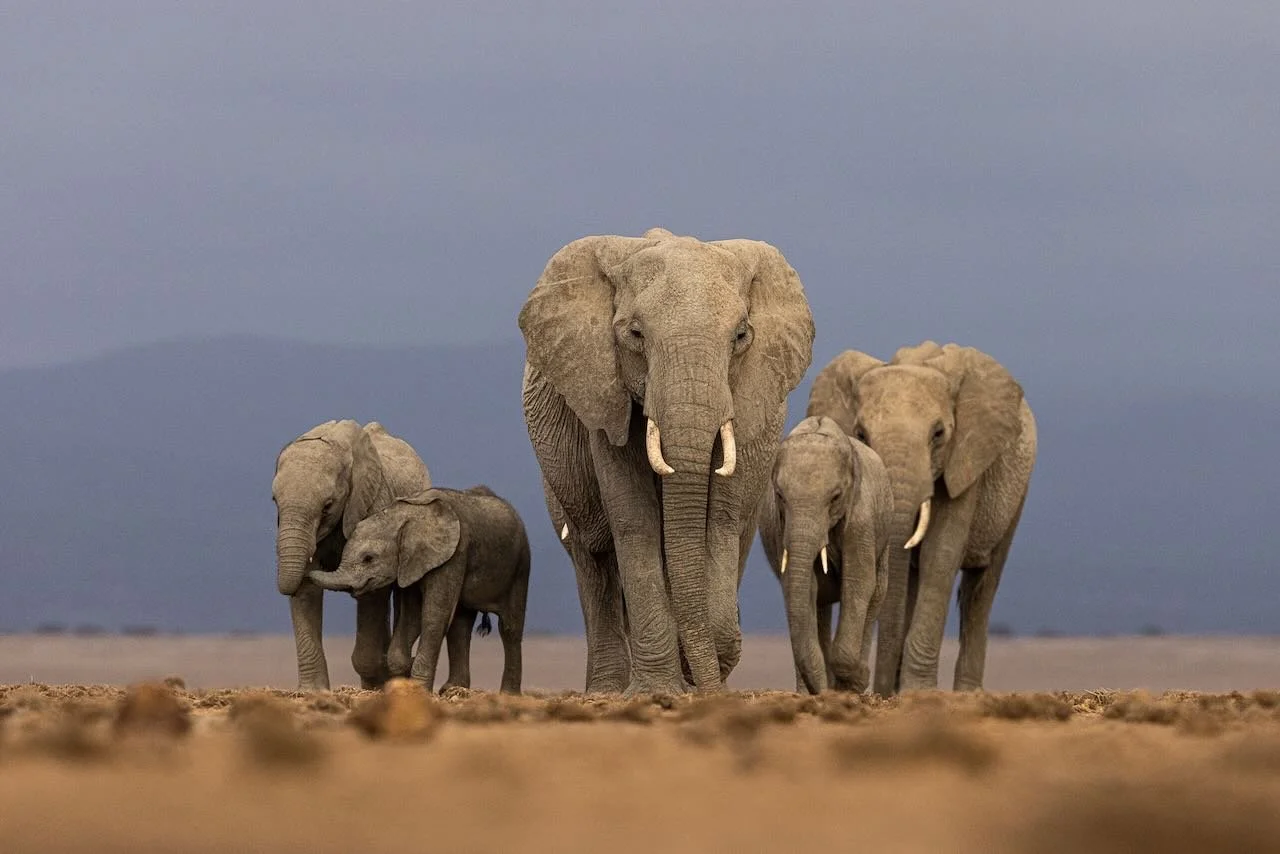
![A family of elephants walking across Amboseli's dry lake bed.]()
Amboseli
In the shadow of Africa’s tallest mountain, roam Africa’s largest animals. Witness Elephants as never before in this unique landscape. Famous for its Big Tuskers, Amboseli is a near-mythical place where it truly feels as if you are stepping back in time to how African elephants are supposed to be seen. Undisturbed. Gentle. Awe-inspiring. Feel the herd and understand its dynamics like nowhere else on Earth.
-
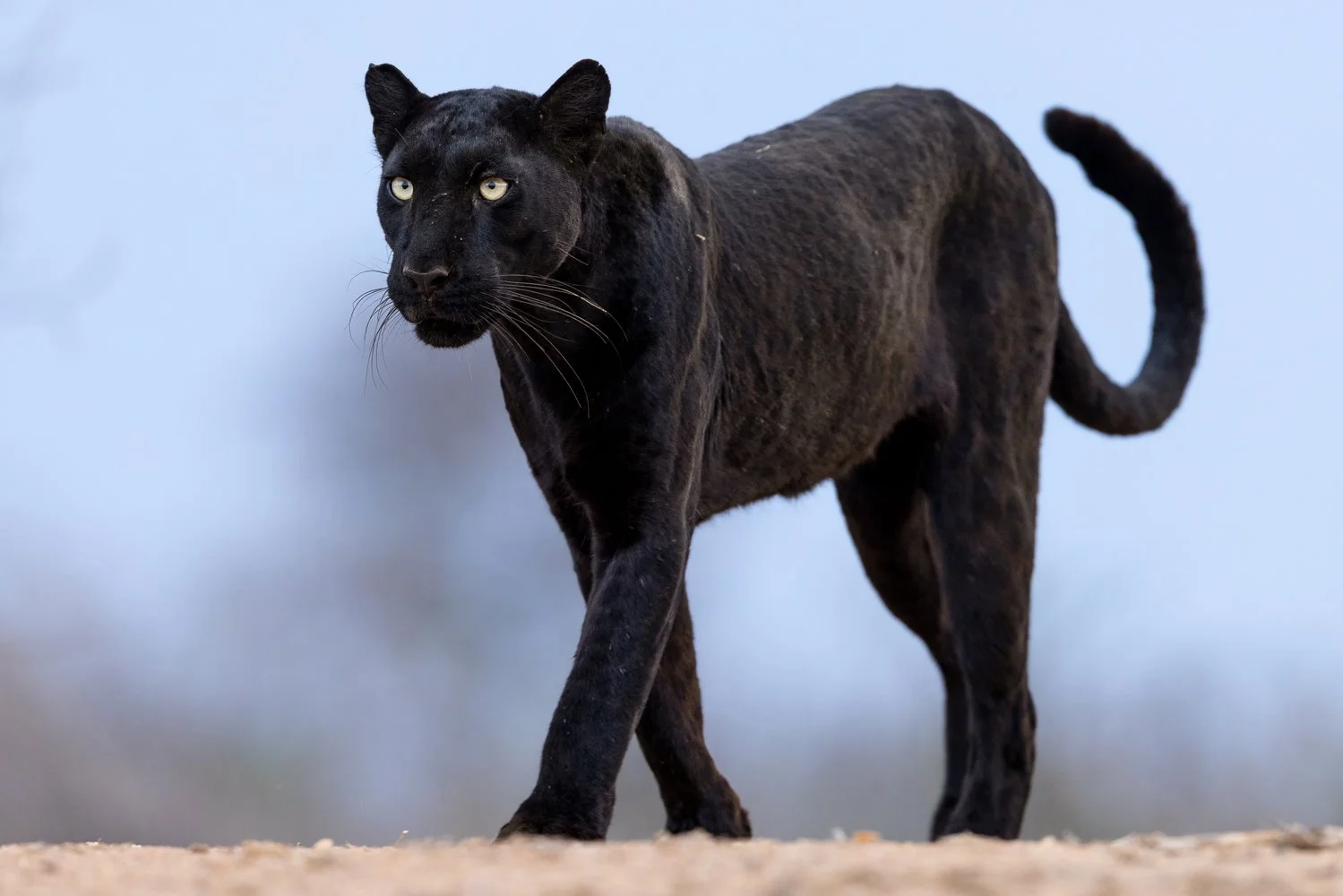
![A black leopard walks on the river bank in Kenya's Laikipia region.]()
Laikipia
From Ol Pejeta Conservancy in the South to Laikipia Wilderness in the Northern section, the Laikipia Plateau is home to some of Kenya’s wonderfully different creatures.
-
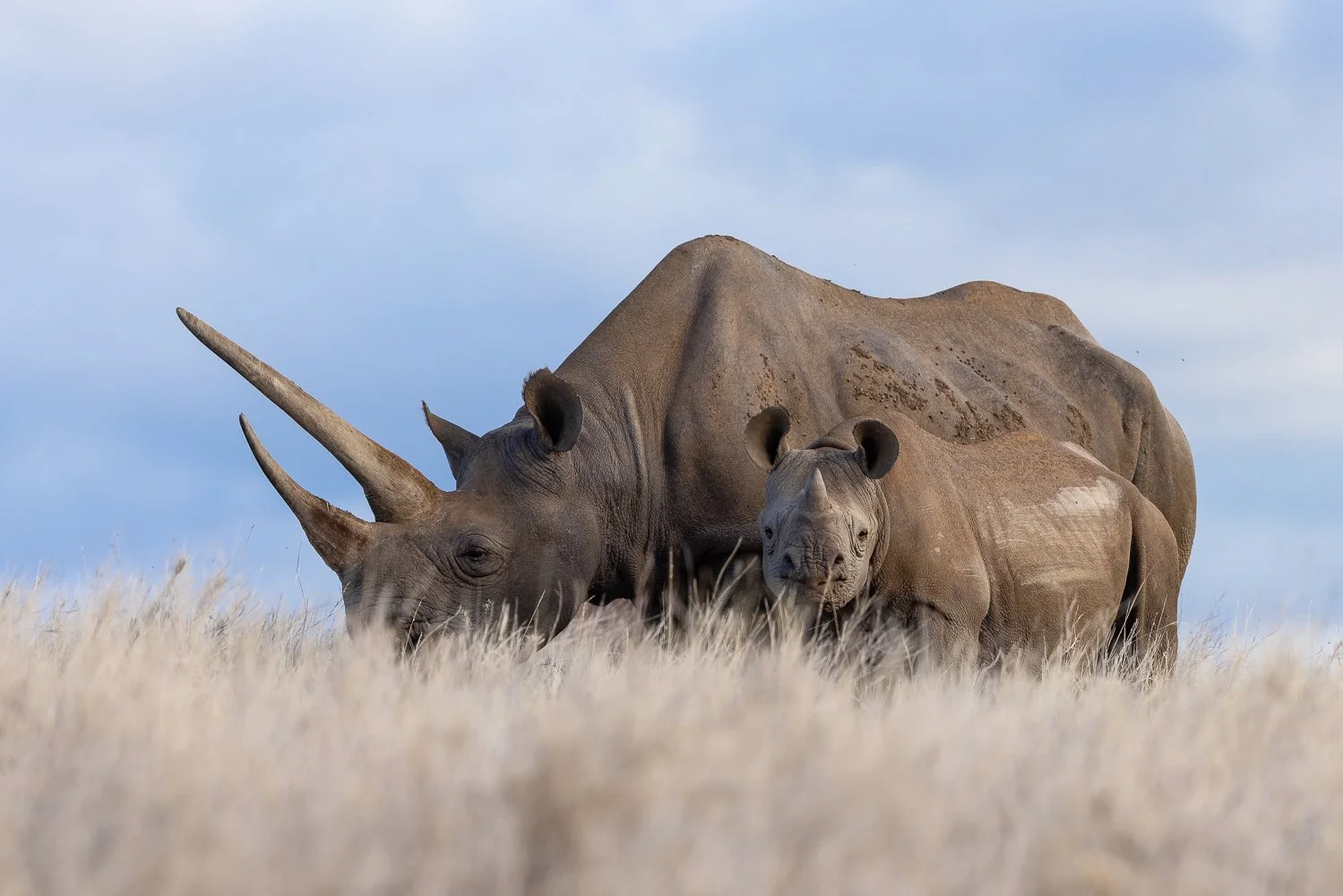
![A black rhino with large horns stands with her calf in Lewa.]()
Lewa Conservancy
One of the earliest community conservancies in Kenya. Lewa has long stood as a beacon for sustainable and community-driven wildlife tourism. World-famous for its anti-poaching successes and home to the critically endangered black rhino.