
Maasai Mara
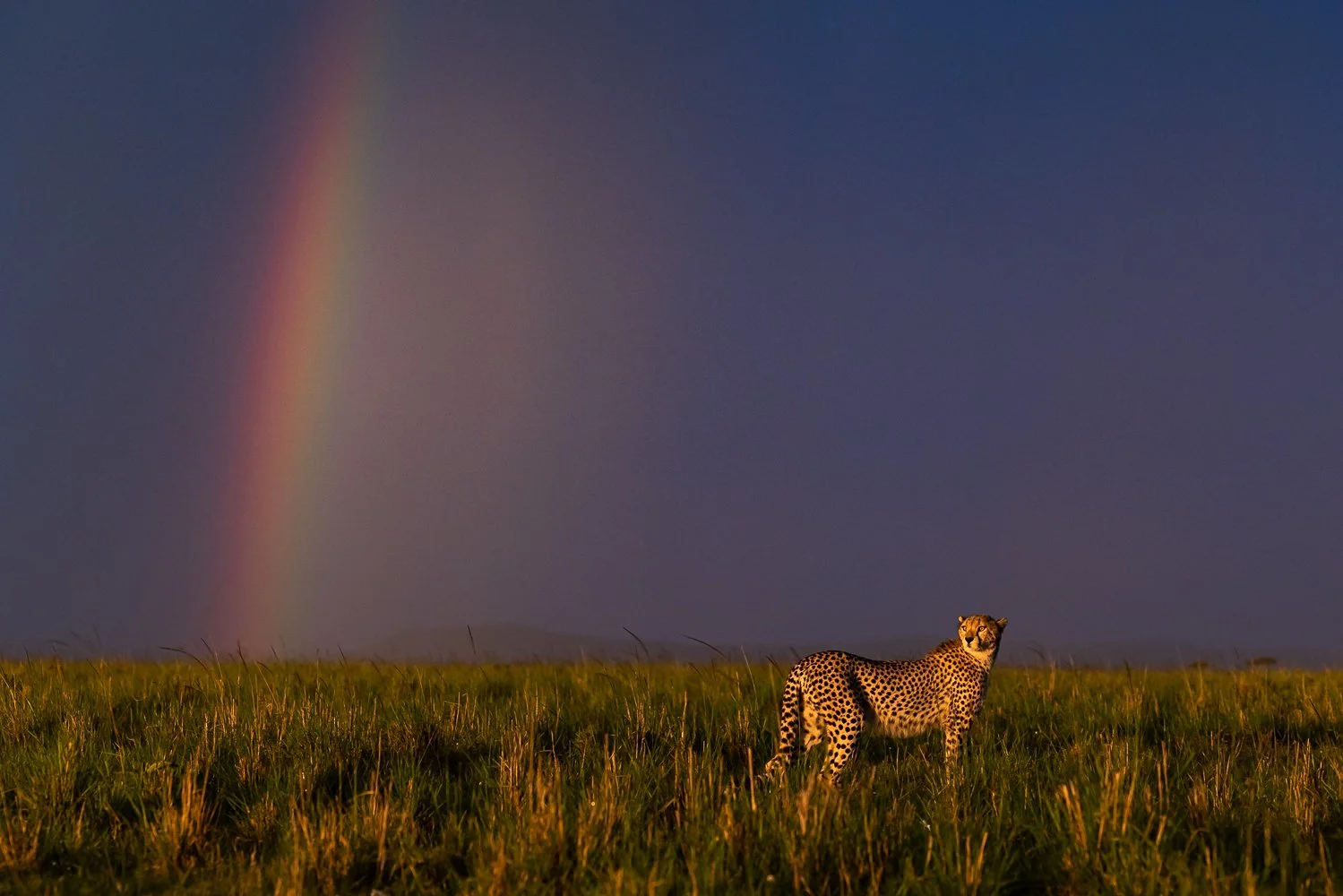
When people think of Africa, they think of Kenya’s Maasai Mara. The vast rolling plains, the sheer density and diversity of wildlife, and the thrill of the wild. Few places can rival this iconic area for wildlife viewing.
What to expect…
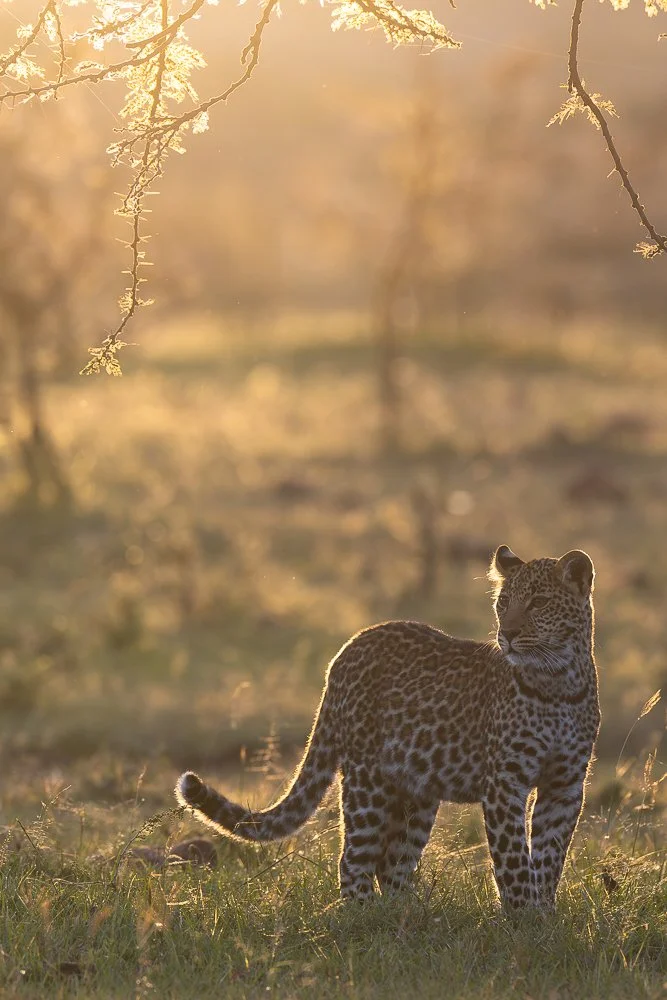
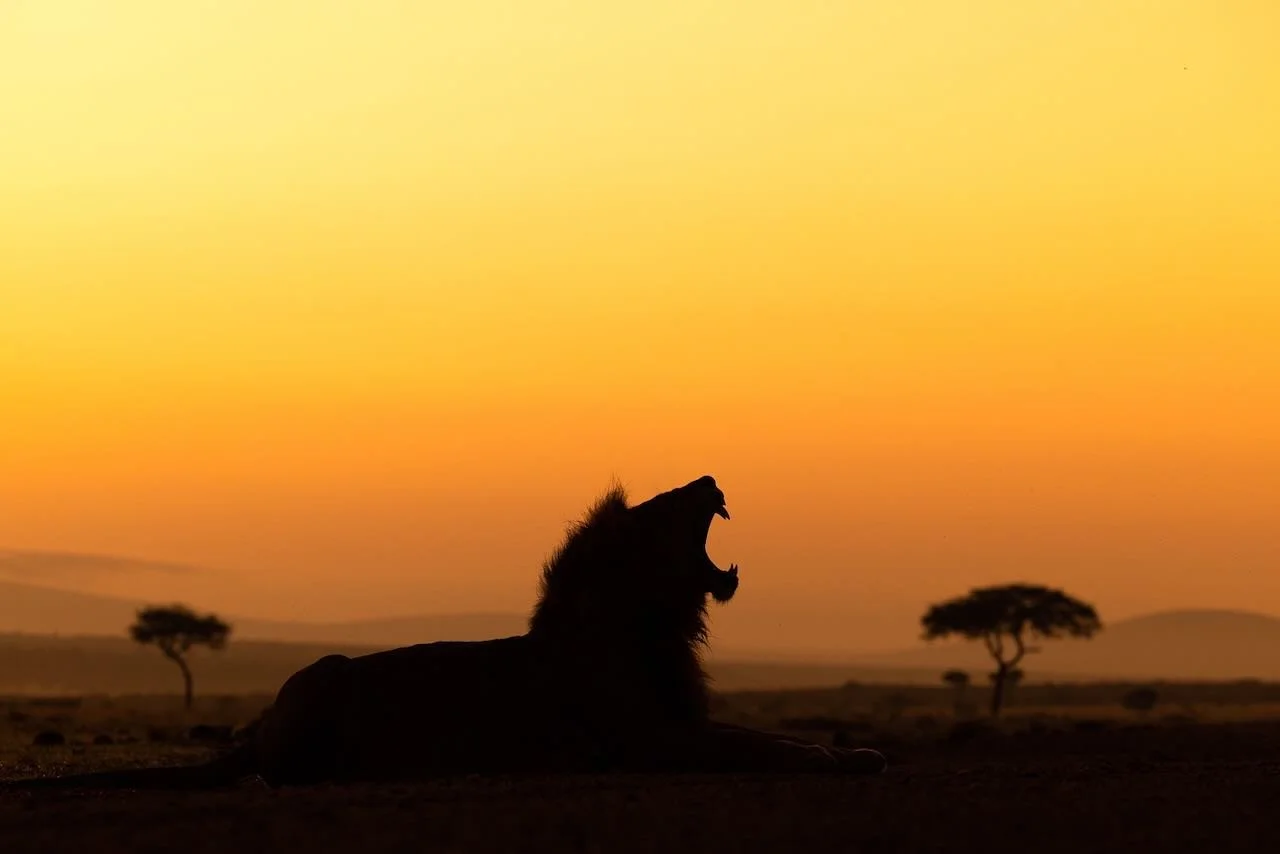
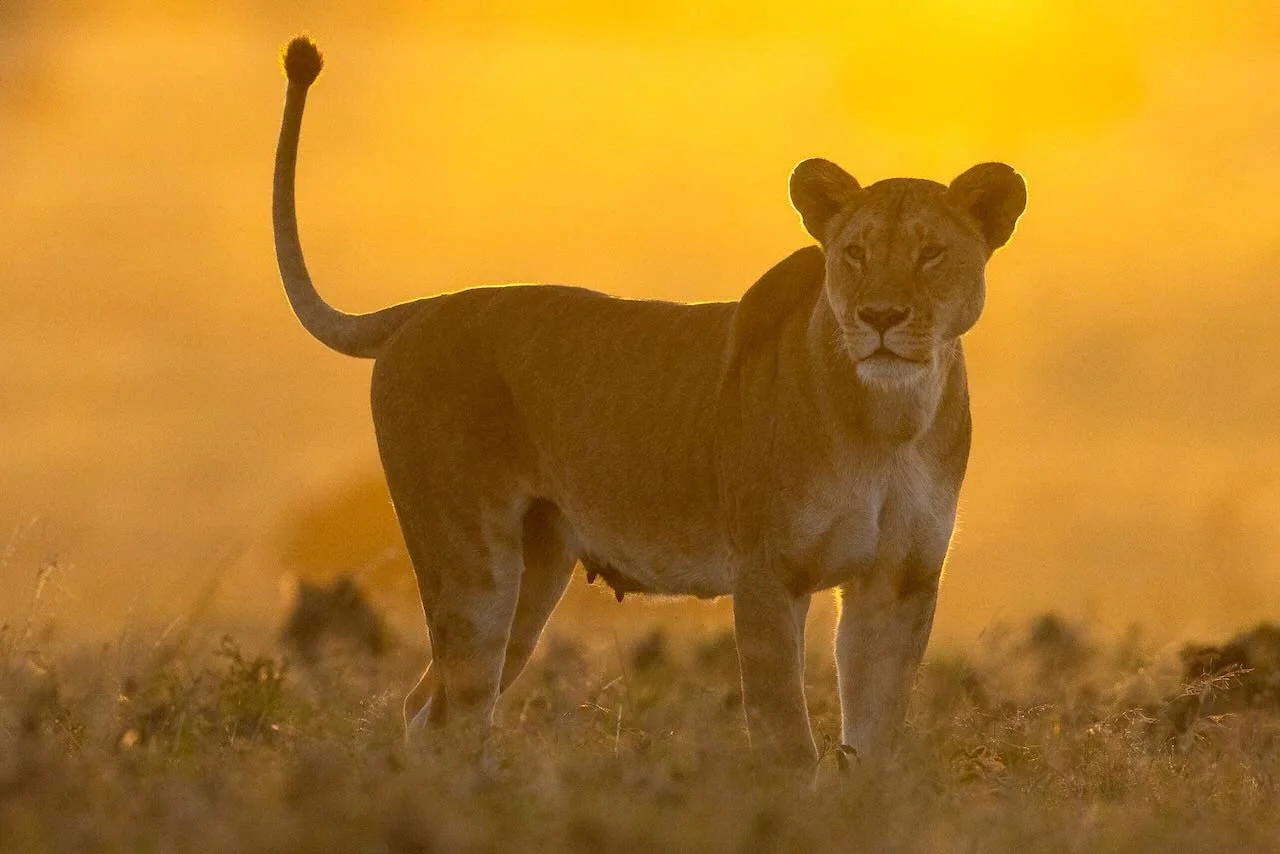
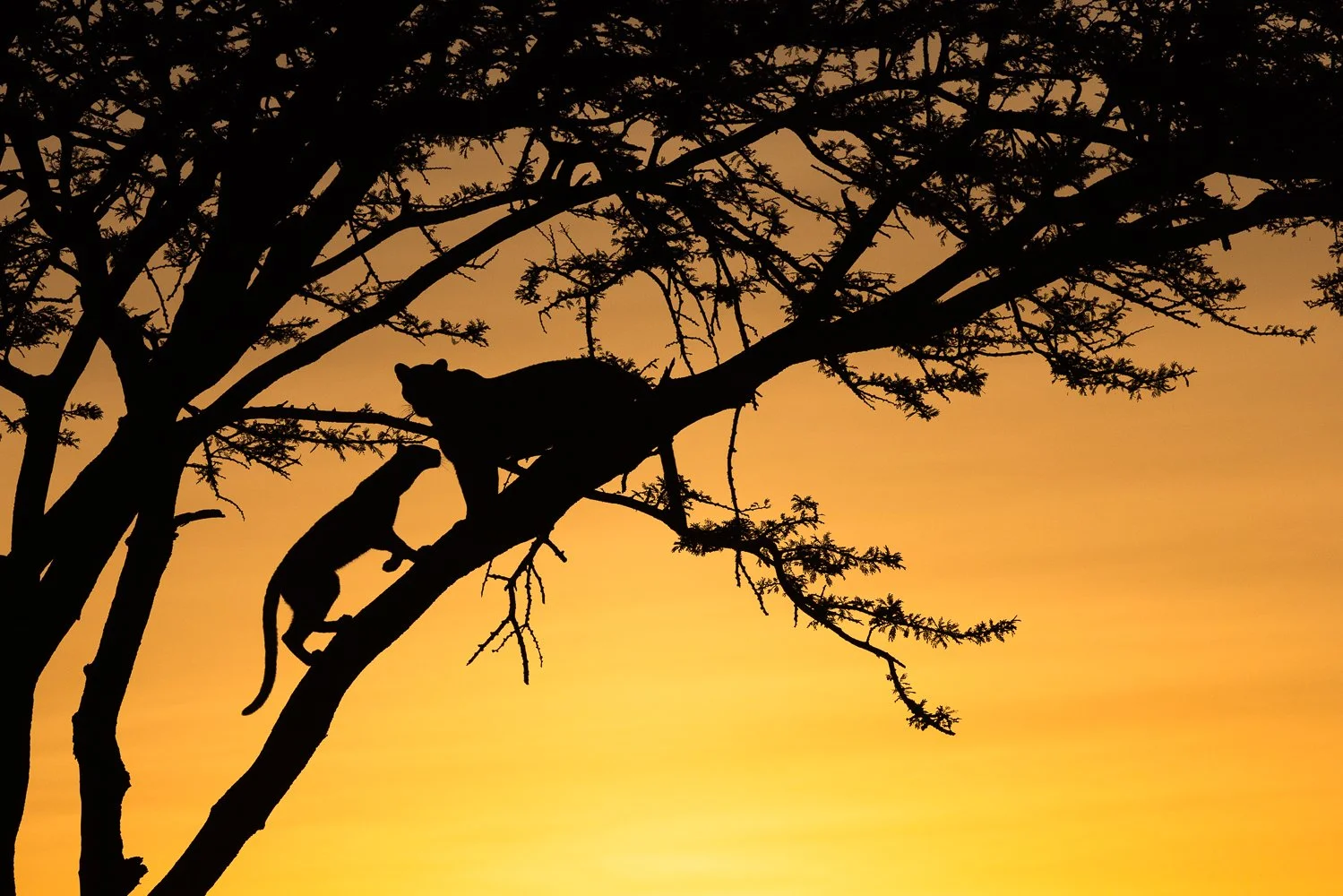
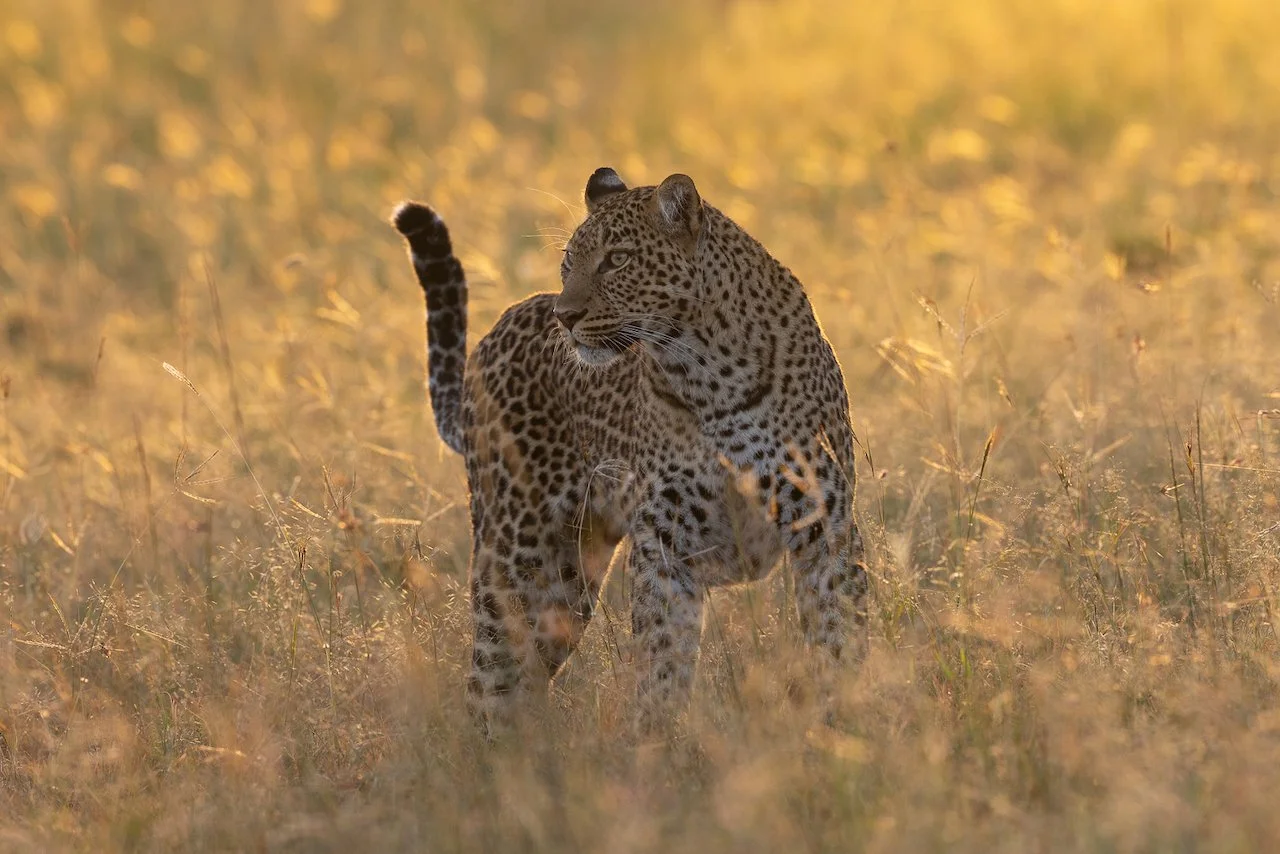
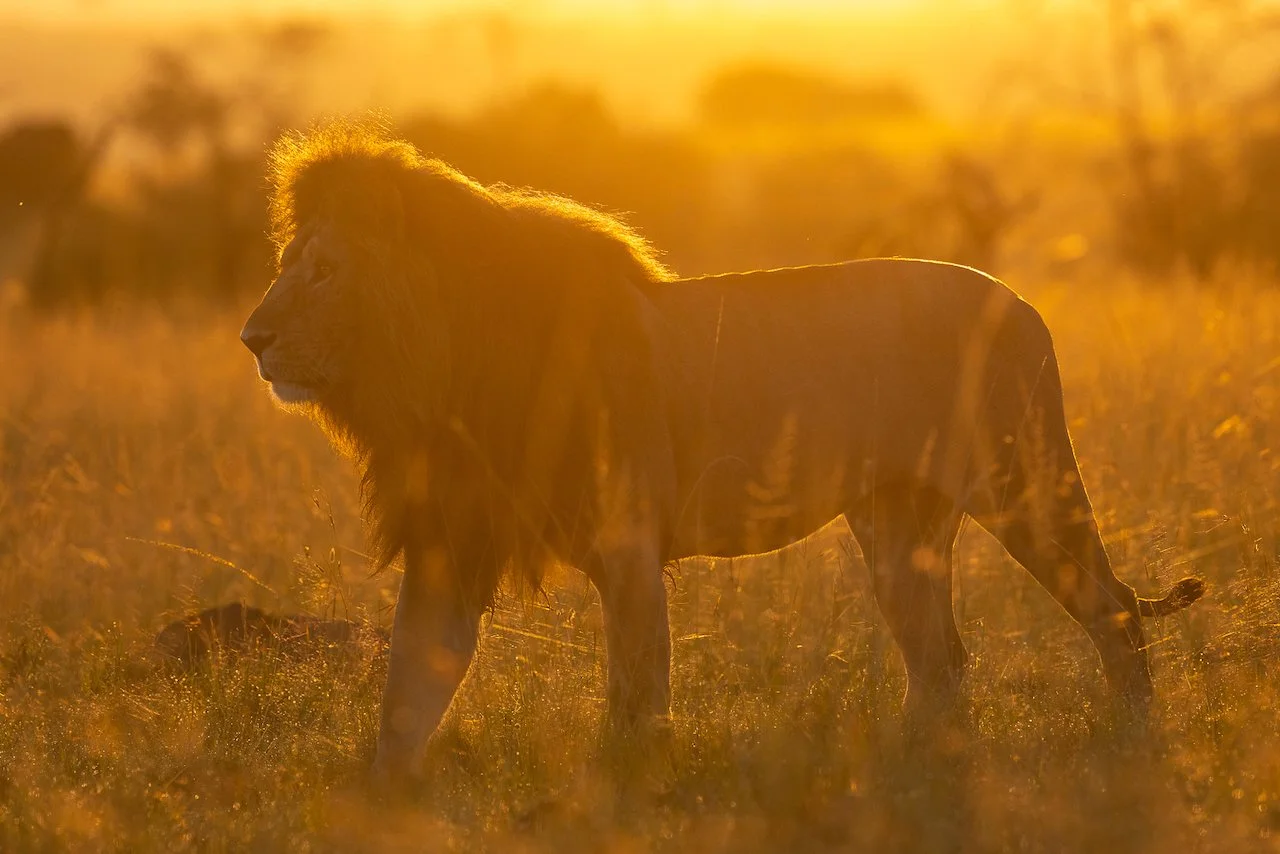
The Mara is known for incredible numbers of predators, particularly big prides of lions which roam these vast plains in numbers not usually seen elsewhere in Africa. If you want to see males in all their glory, the Maasai Mara is the place to see them.
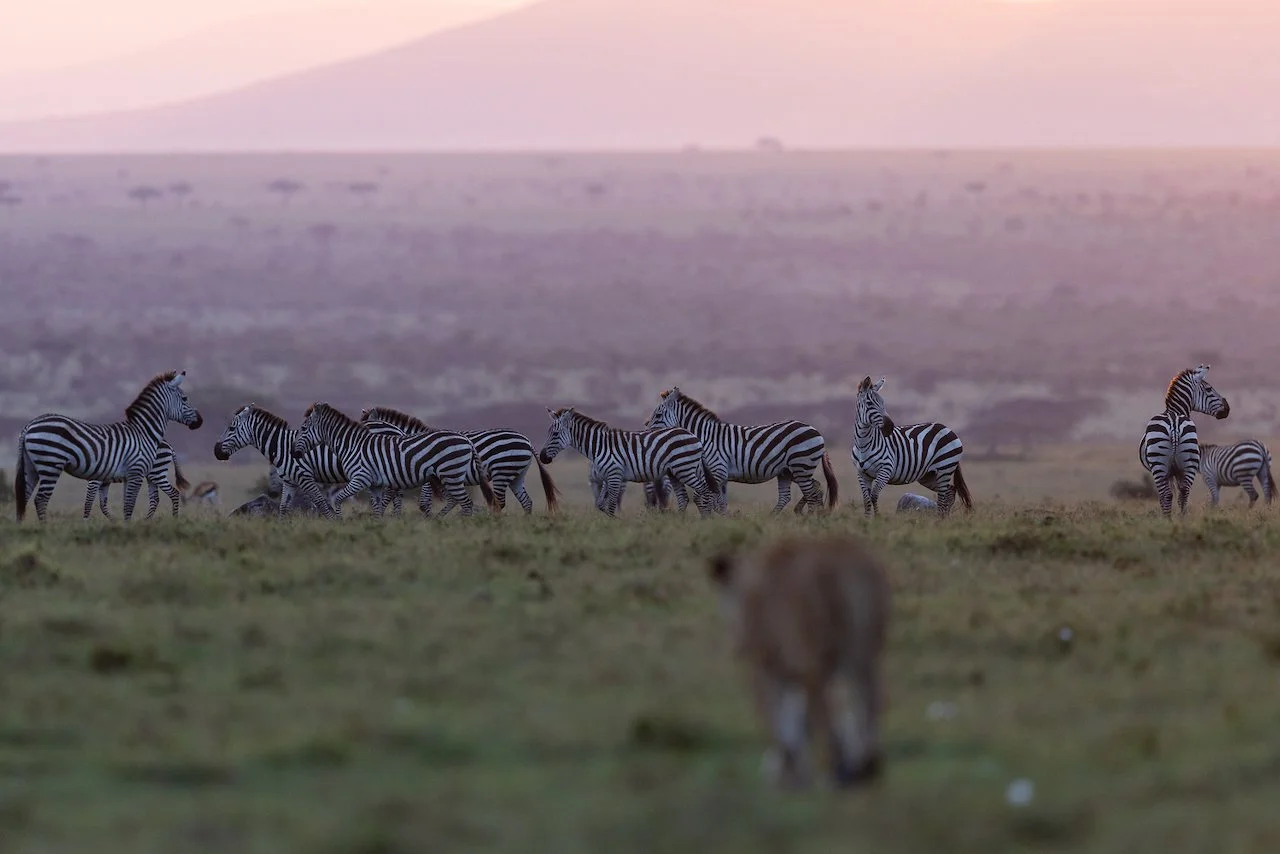
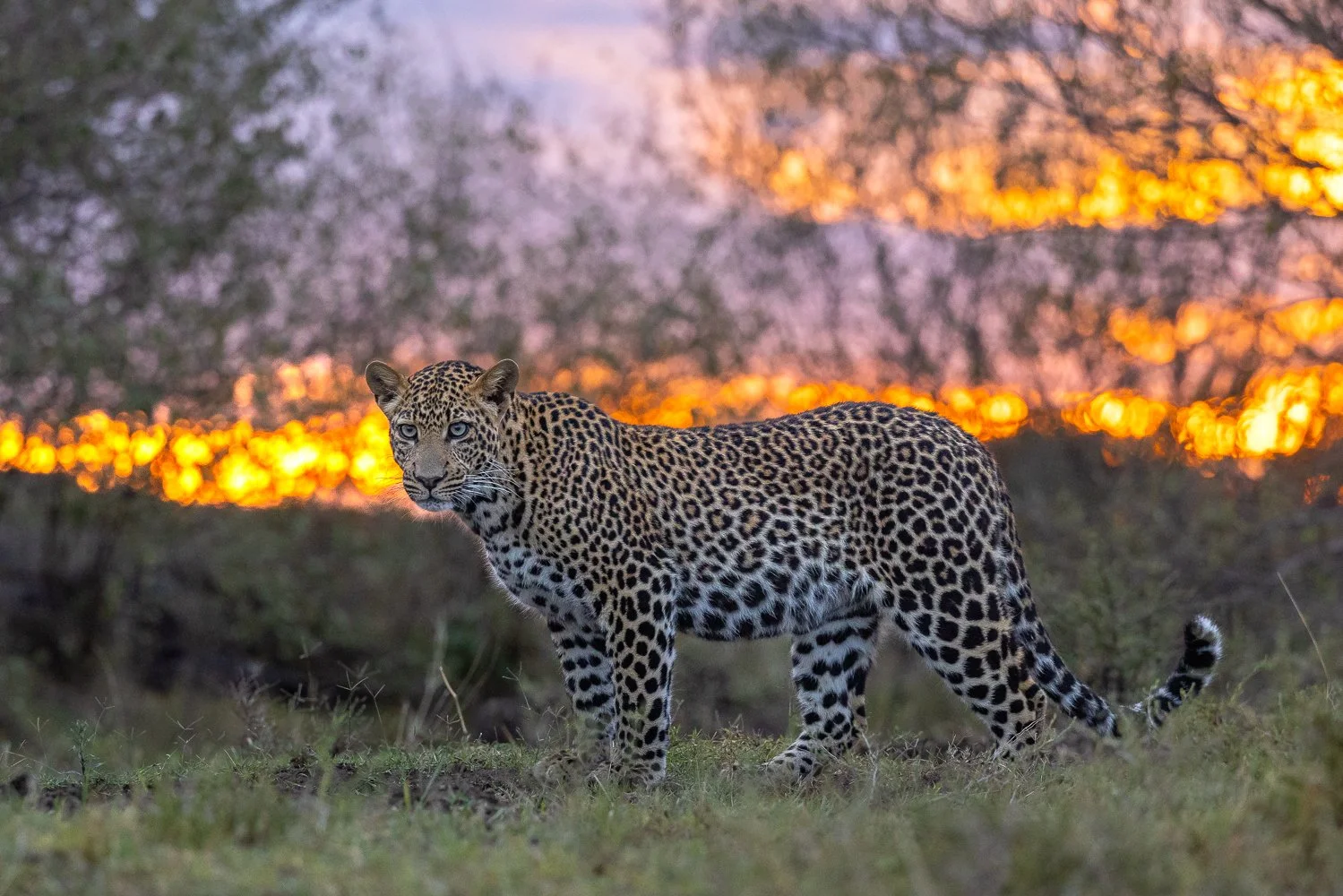
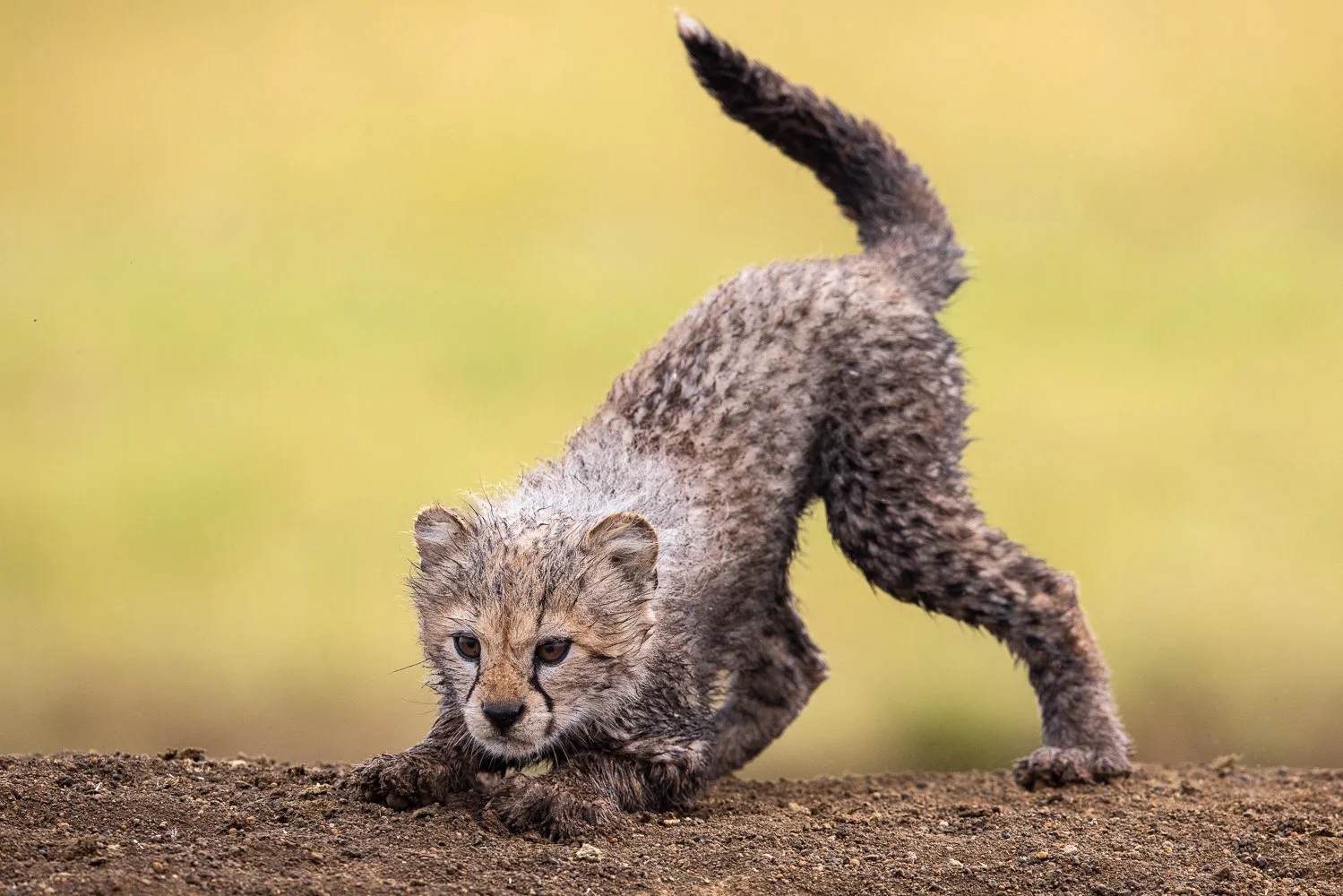
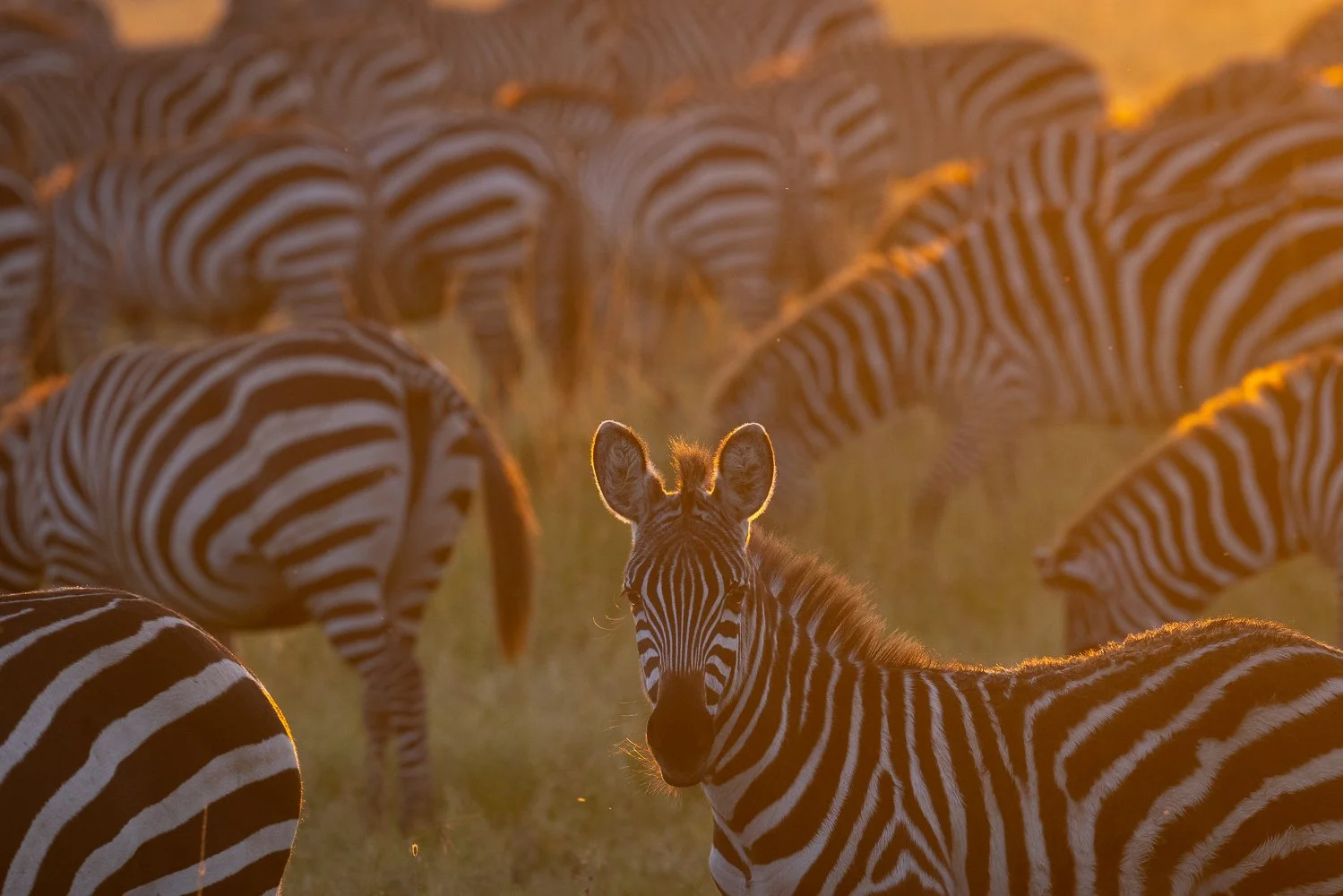
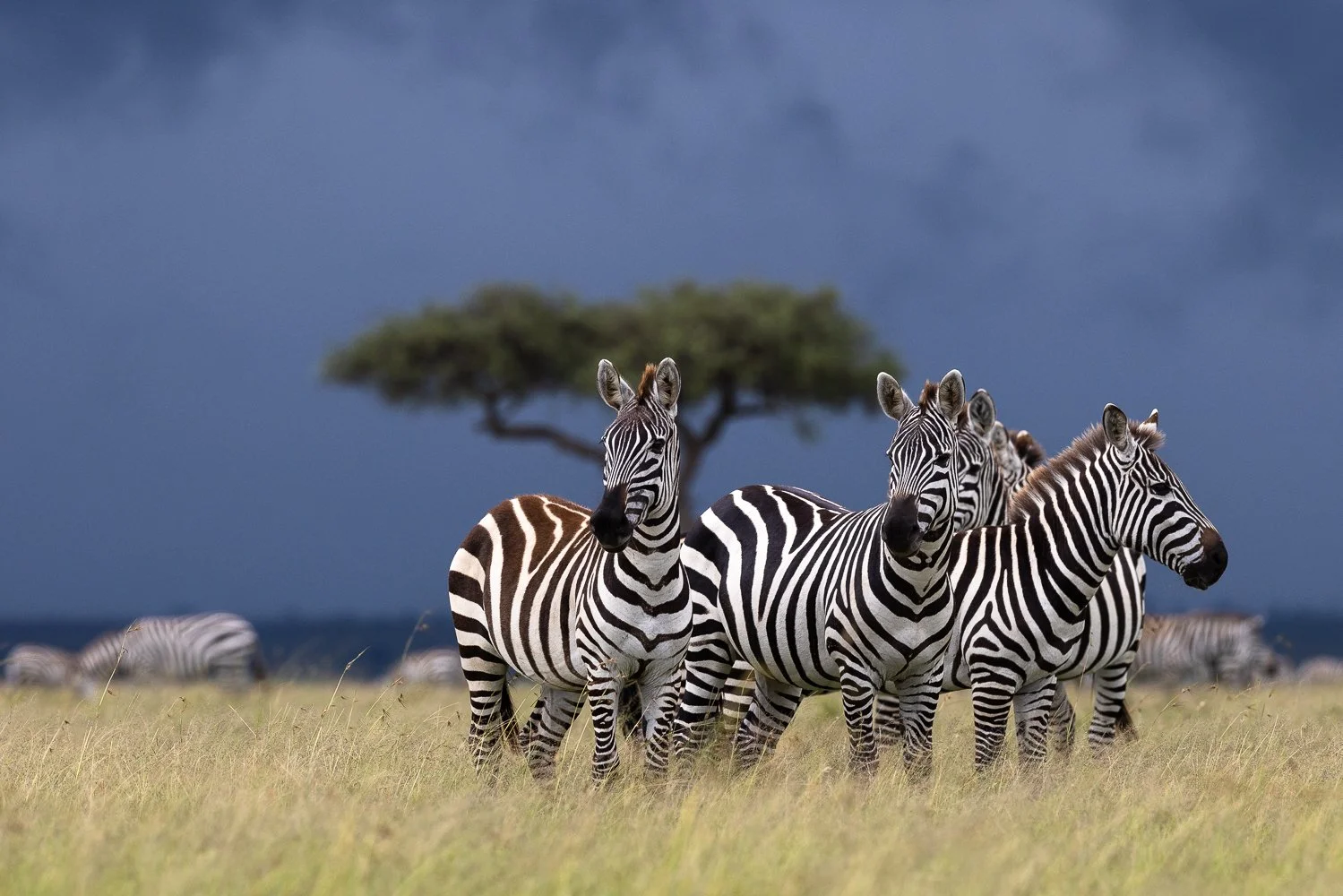
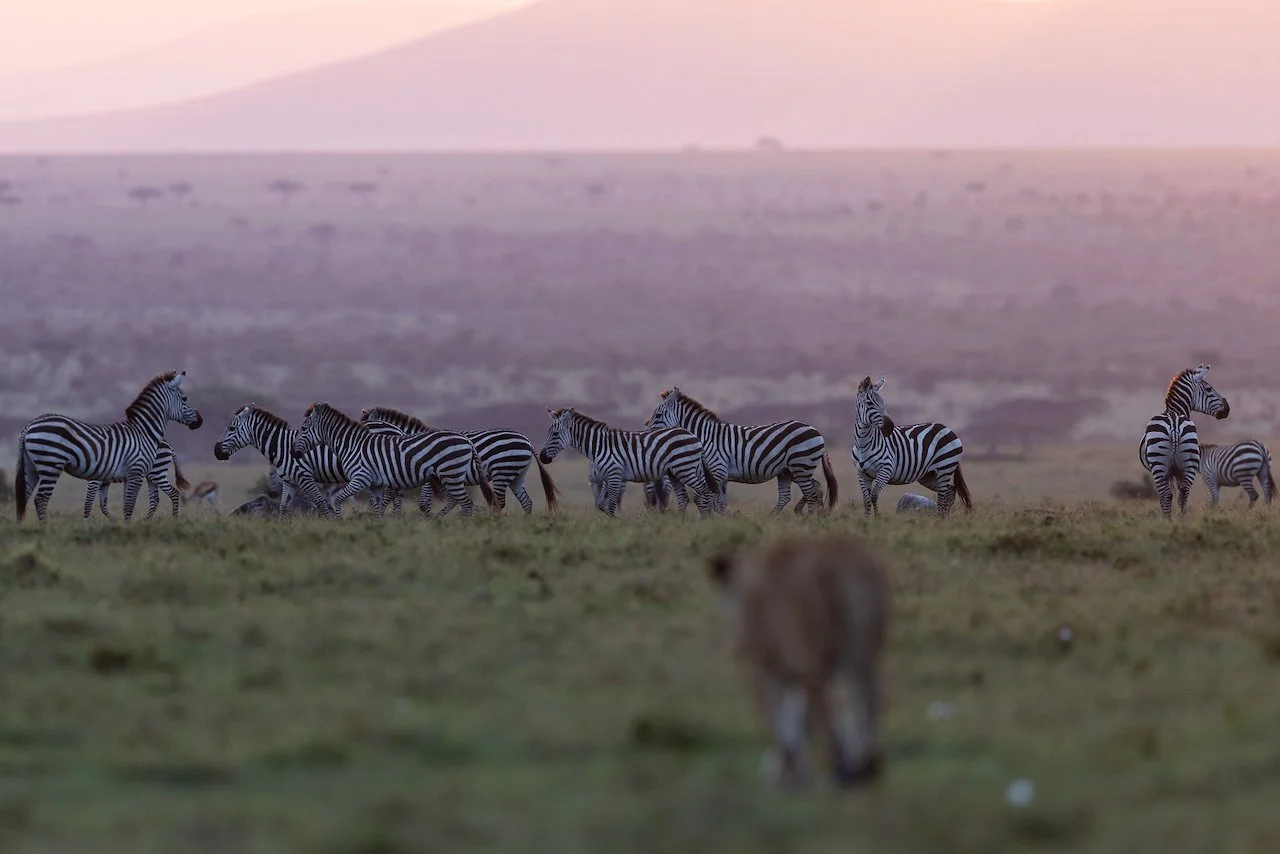
The world-famous Great Migration of wildebeest and zebra moves into the Mara from the Serengeti every year following the rains as they have done for millennia. Leopards, huge numbers of spotted hyenas and other predators like cheetah hunt the Thomson’s and Grant’s gazelles that thrive on the open grassland that extend horizon to horizon interspersed with small riverine valleys. Smaller animals like jackals, serval and aardwolf use the grass to good effect whilst crocodiles and hippos make their homes in the larger rivers.
In reality it is the sheer density and diversity of wildlife that truly amazes. Big skies and open plains, the Maasai Mara is an African icon.
Conservancies vs Reserve
The Maasai Mara Conservancies are incredible and successful conservation stories where the land is owned by the community and not by the government as is the case in the Mara Reserve. Tourist density is low and vehicle numbers at sightings are limited meaning that you can enjoy being with the wildlife without the scenes and sounds of hundreds of vehicles surrounding and crowding the animals. I will only lead trips to the Conservancies.
When to Visit
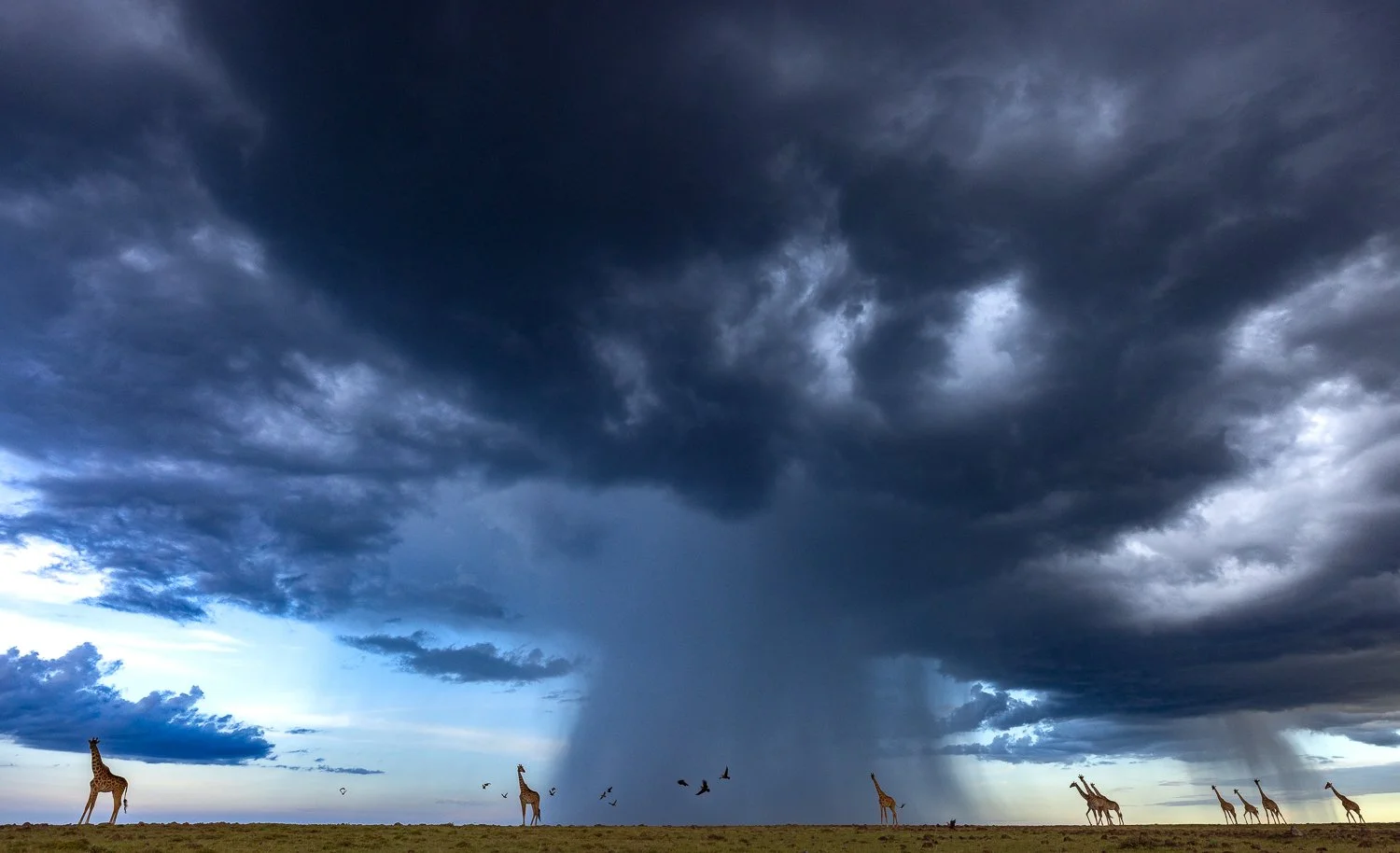
January and February is an incredible time to visit the Mara - when the weather is warm and there is little rain. The young calves and fawns are frolicking and food is plentiful. From March the clouds begin to build and can result in incredible photographic opportunities and fewer people which is why I love it here then but the rains can come early. Being equatorial, rain can happen at any time of year, however, the main seasonal rains typically occur in April and May meaning that many of the camps close down for these months before re-opening in June when it can be seasonal and also usually has a wildlife lull after a couple of months of not being seen but tourist numbers are fewer.
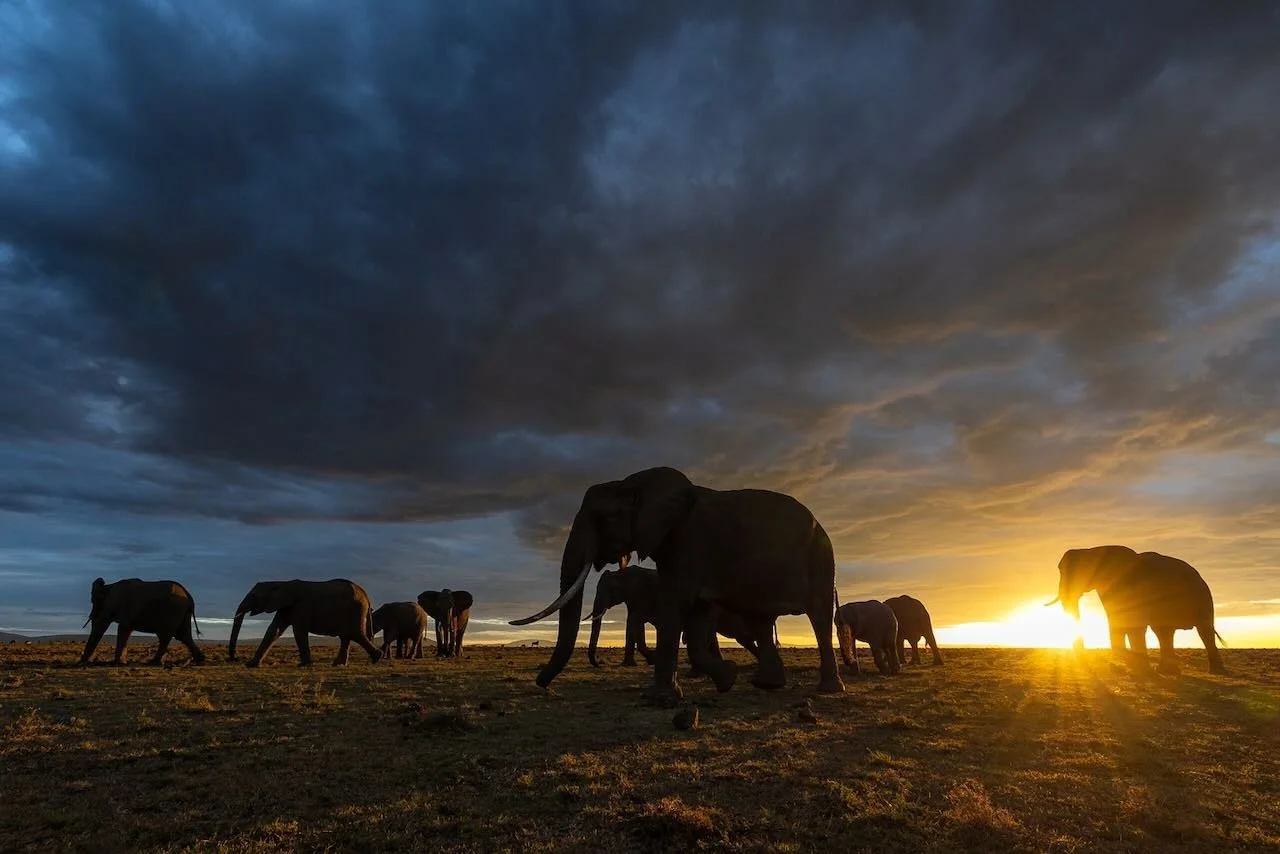
From July through to October it is typically drier and cooler. This is when the Great Migration arrives from the Serengeti in Tanzania meaning that there will be incredible scenes and if you want to see crossings this is when to go, but there is also a corresponding increase in tourist density and high-season rates. Remember though, the predators are territorial and are present year round as are large numbers of resident wildebeest, gazelles, elands, elephants and some of the highest concentrations of giraffes anywhere in Africa. Short rains normally come in November and December in the form of afternoon thunderstorms and this can make for incredible photography and dramatic skies.
JAN
Excellent
FEB
Excellent
MAR
Very Good
APRIL
Mixed
MAY
Mixed
JUN
Good
JUL
Peak
AUG
Peak
SEPT
Peak
OCT
Good
NOV
Excellent
DEC
Very Good

Your Questions, Answered
These are some of the most common questions I get asked about going on safari in the Mara.
On safari in the Maasai Mara
-
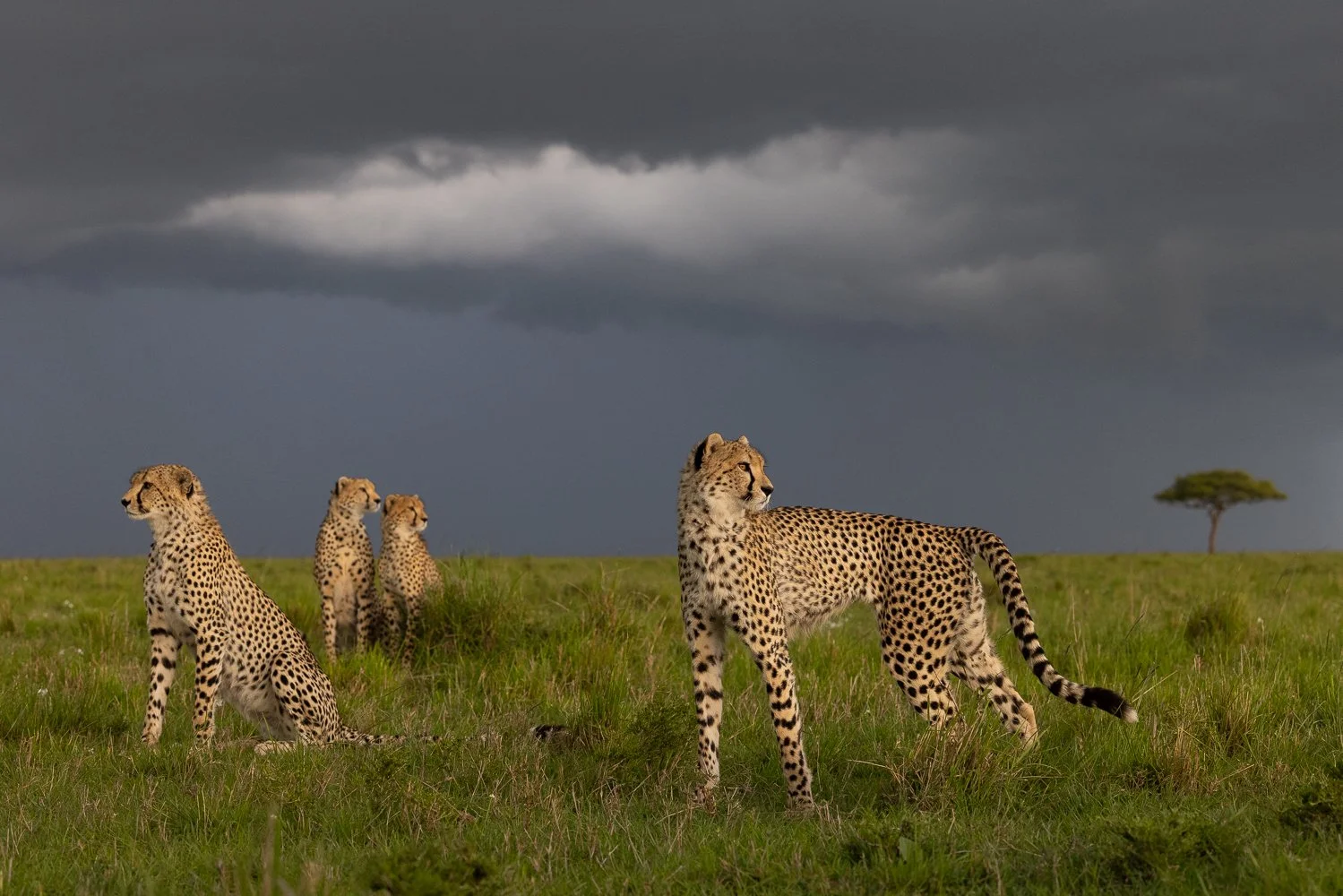
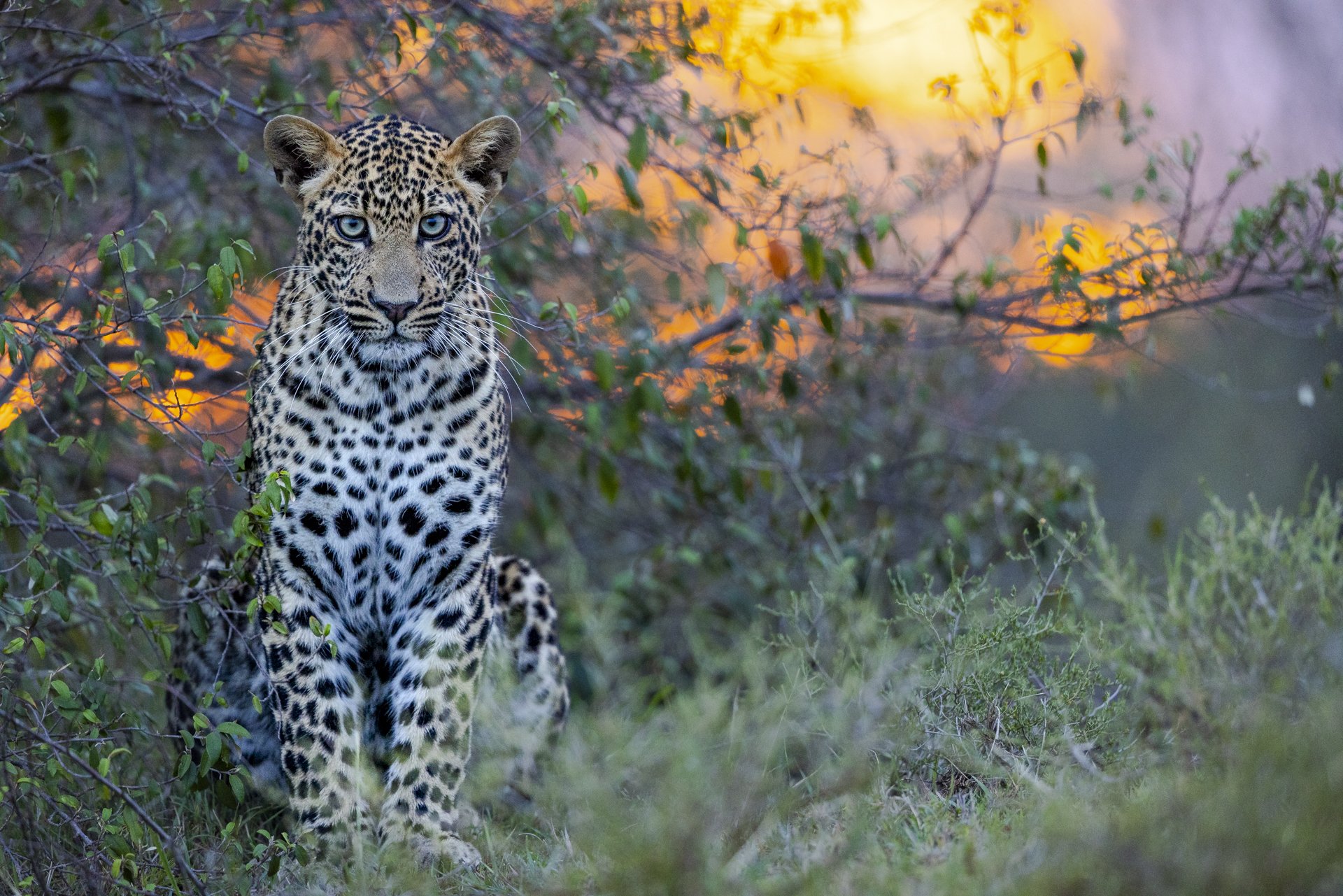
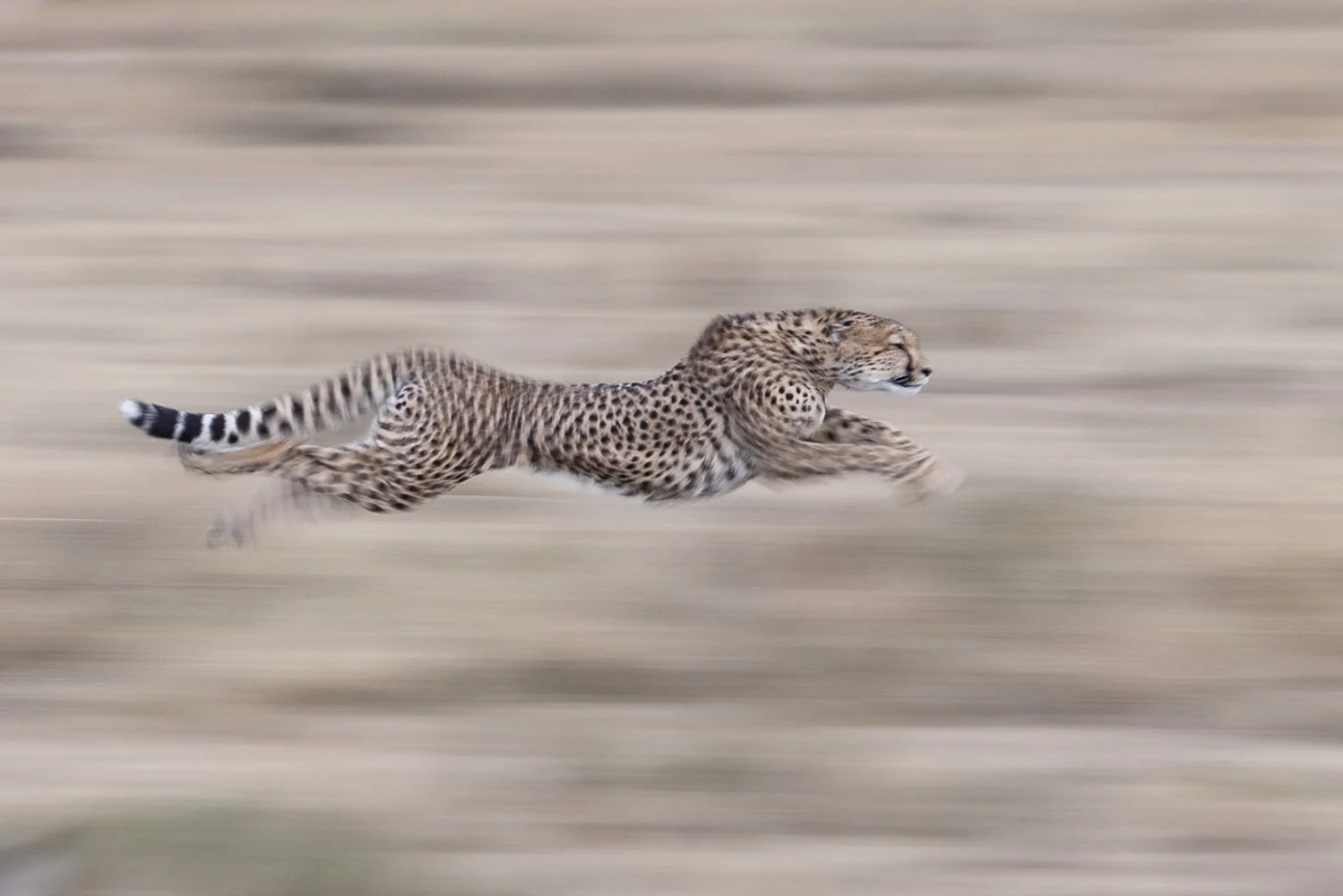
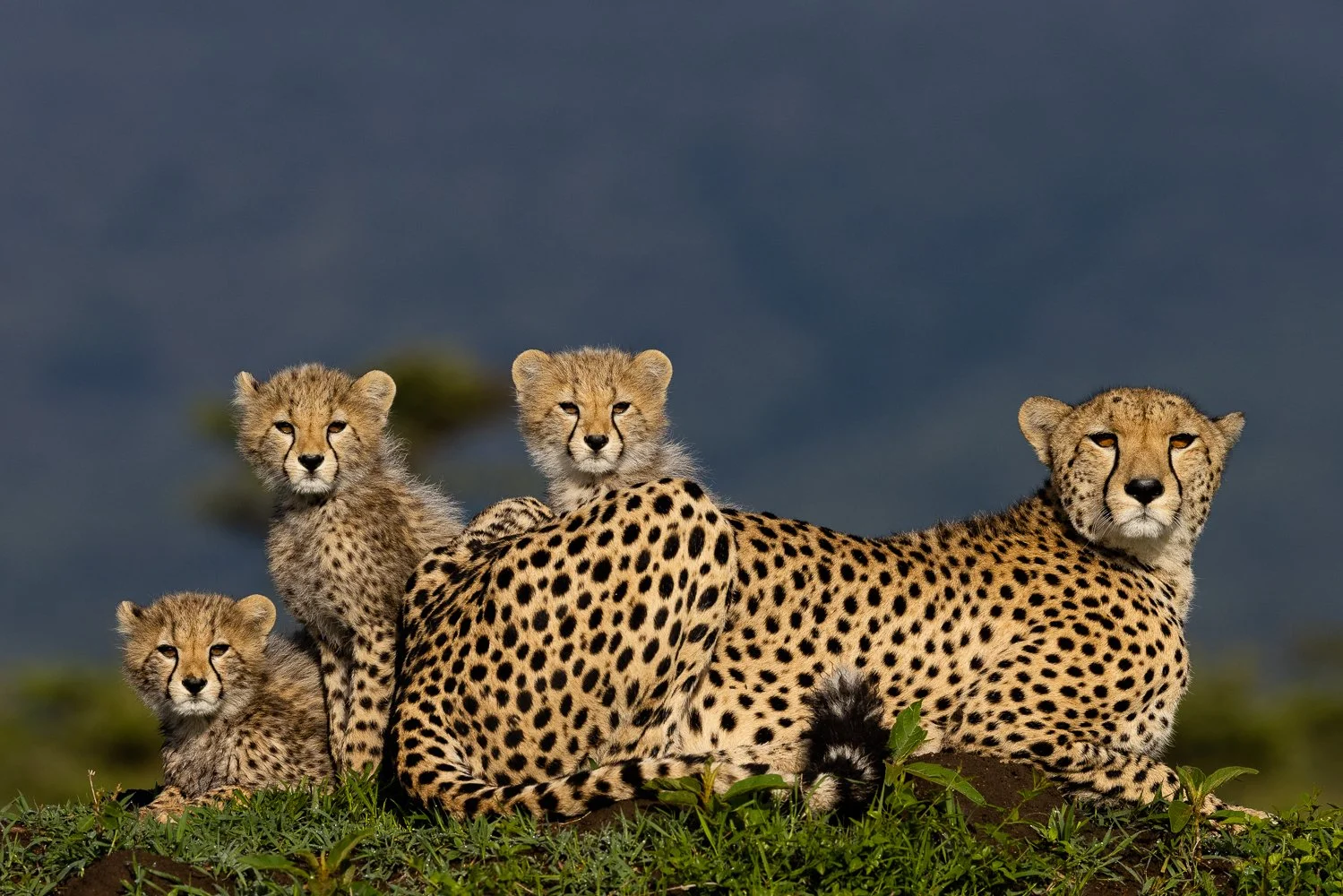
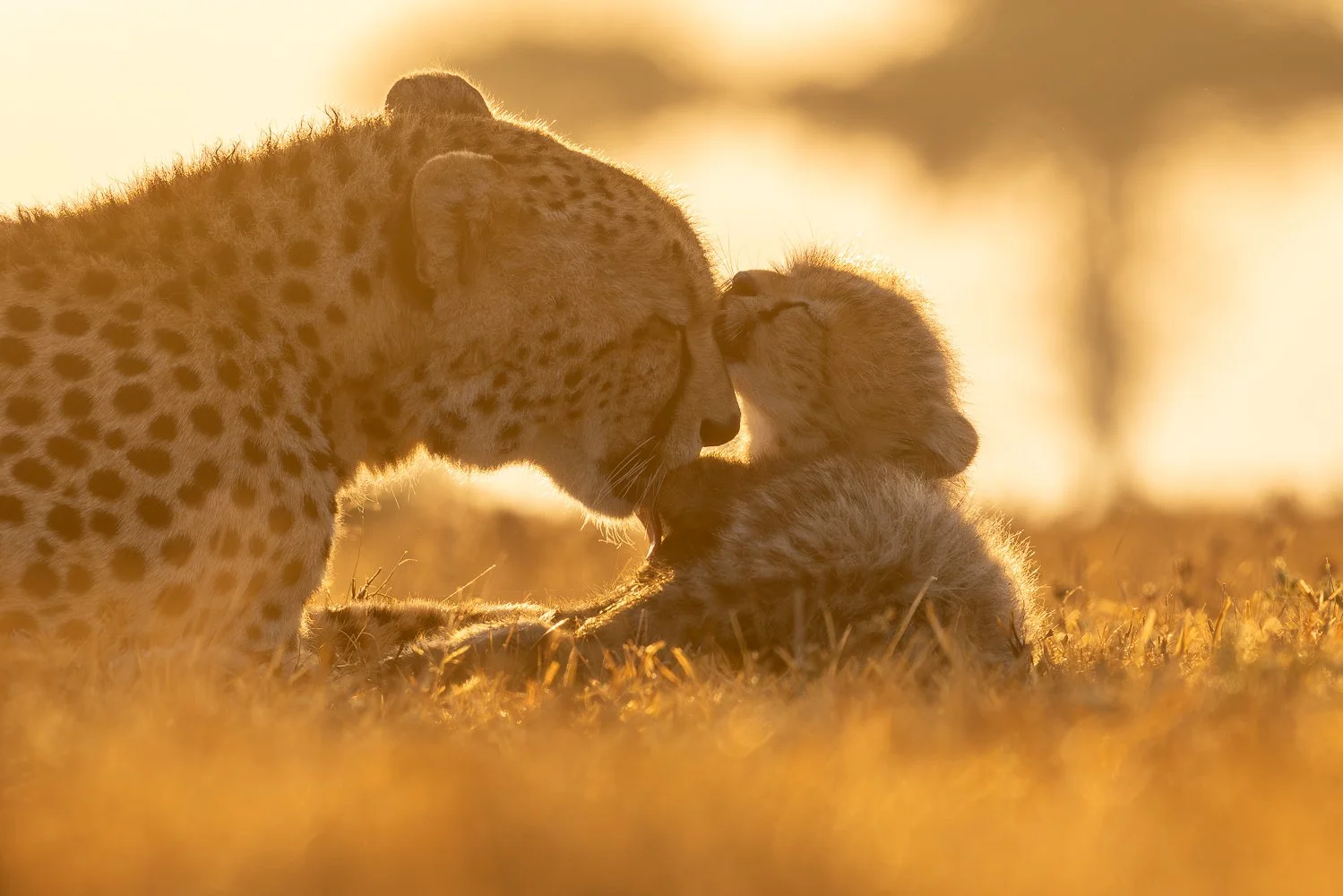
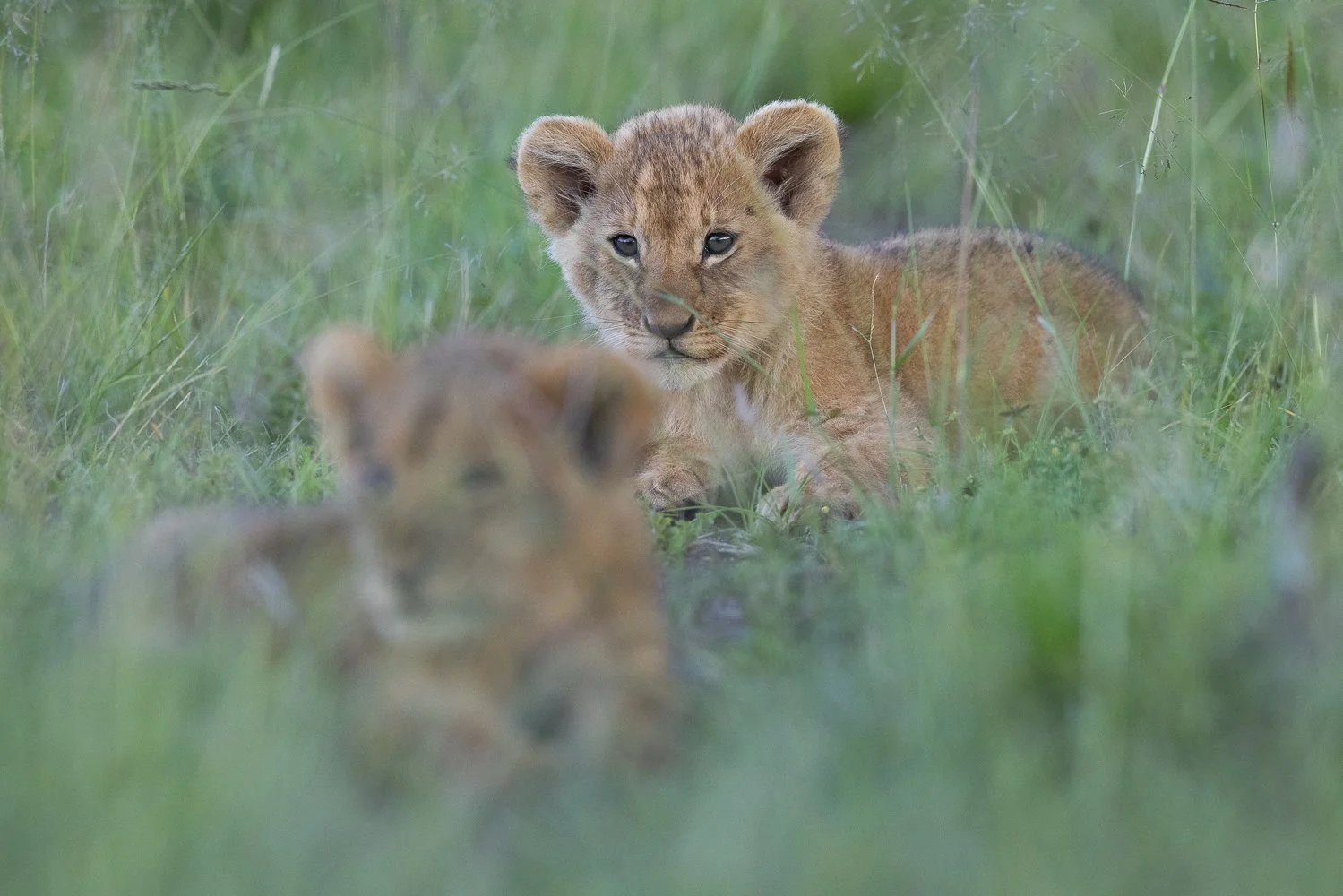
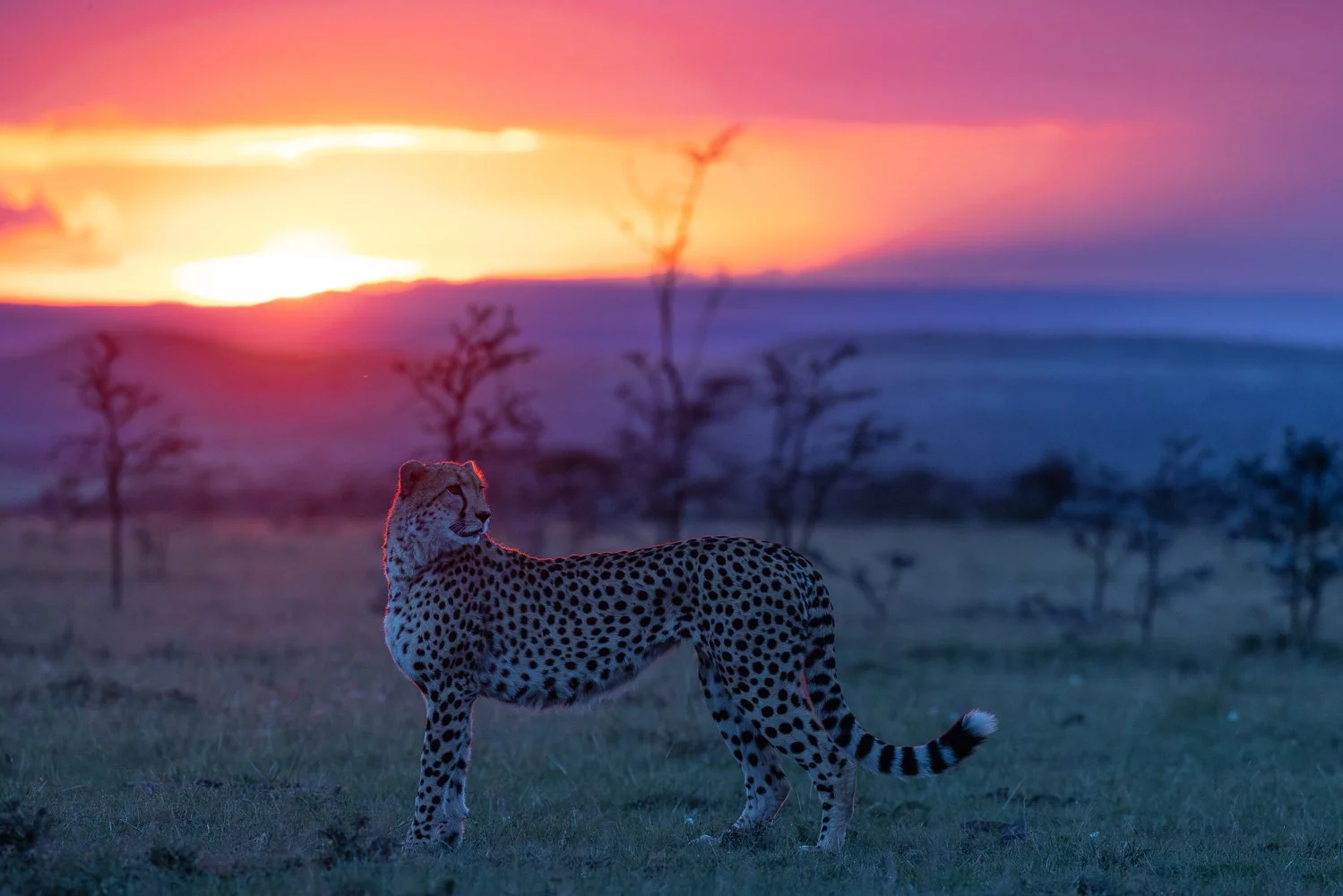
The Mara is undoubtedly famed for its big cats who are resident year round. Lions, leopards and cheetahs do not have breeding seasons and so can have cubs at any time, and as lions and leopards are highly territorial (while cheetahs have home ranges) the best time to see them really comes down to other factors like whether you want to see them hunting the migration, or prefer a quieter time away from large volumes of tourists.
Personally, I prefer March and November. In early March, the gazelles and impalas have given birth and there is a good variety of prey sources for cheetahs, leopards and lions. The tourism season is quieter with fewer people and vehicles and as the rainy season approaches the afternoon skies often build to lovely thunderstorms that offer exhilarating photographic opportunities and light. In November, the tourism density is low after the rush of the Migration and after months of no rain and intense grazing the grass is nice and short which is great for photography.
-
Crossings occur from July through to October when the migration arrives from neighbouring Serengeti in Tanzania.
There isn’t ever a fixed crossing date or even direction as the wildebeest cross in individual herds from the Triangle to the Reserve and vice-versa. But if you want the best chance of seeing a crossing then you need to travel when the migration is at its peak (Aug/Sept).
-
While the Mara can get exceptionally busy (and we have all seen those videos on socials), this is normally referring to the Masai Mara National Reserve. The ‘Mara’ itself is actually a vast ecosystem and not limited to just the Reserve. In the Conservancies, for example, the camps are few and the tourist density is strictly controlled.
-
The Mara Conservancies are vast, community-owned, tracts of land that form part of the Maasai Mara ecosystem. There are no physical boundaries, or fences between them all, or the Reserve. The local landowners receive a direct monetary compensation for the use of their land. Conservancy fees are pooled and go towards the upkeep of each conservancy (including employing local rangers and maintaining the roads).
The Conservancies also operate on a strict low-tourist density model with limits on the number of camps and bed-nights per conservancy as well as vehicle limits in sightings.
The Reserve, on the other hand, is government owned and run and park fees go to the Narok County government. Being a National Reserve it is open to day-visitors and tourist numbers are not controlled.
-
Well, actually no! The conservancies all have mid to high-end camps in them, as they are committed to paying fees to the community and to creating new and safe wildlife areas. The Reserve has options that cost sometimes 4x the cost of a conservancy lodge, and sometimes a similar or slightly lower amount.
However, when visiting the Reserve you can also stay in hotels outside the park, or camps set up far from the park which require a long drive in and out daily. This brings in more budget options, and more variety for guests in the Reserve. Some companies have camps in both the Conservancies and the Reserve, and the cost doesn’t differ between the two options, but I can promise you that the experience differs greatly and I’m often very surprised people would pay the same cost to have an experience which can be greatly inferior and overcrowded.
As far as the mandatory daily park or conservancy fees go, during peak season the Reserve actually charges more per day than the conservancies do. So choosing a conservancy stay is not a budget consideration, unless you’re really keen to visit on a shoestring budget which is already limited by the park fee cost that is unavoidable.
-
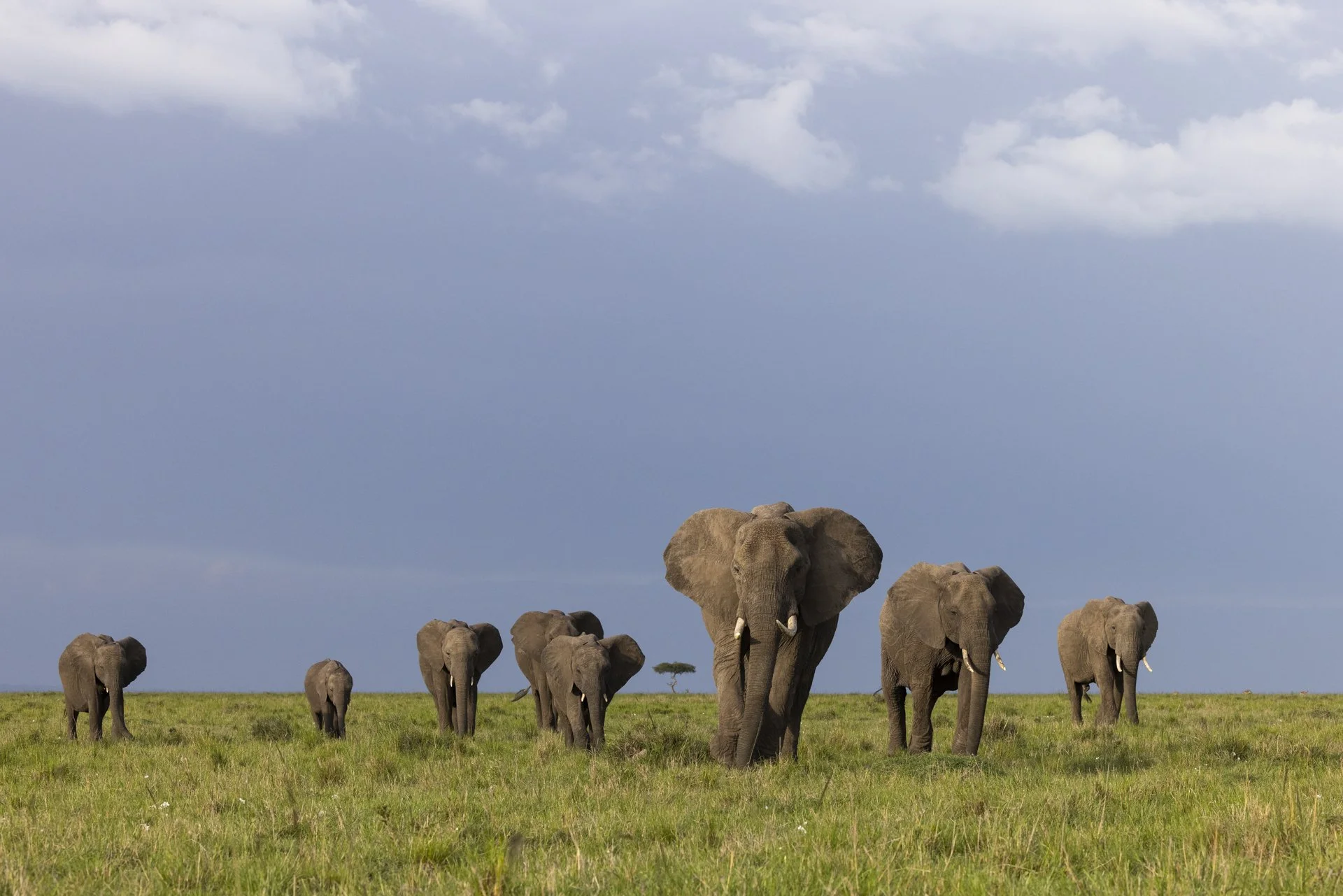
Absolutely. Done right, the Mara has arguably the greatest density and diversity of wildlife anywhere in Africa. Everywhere you look there is wildlife of some form or other from herds of gazelles and resident wildebeest to towering journeys of giraffes in some of the highest concentrations anywhere on the continent as well as some of the biggest lion prides up to 40 members strong.
If you are looking for the ‘Big 5’ however, then the Mara is not for you as you are unlikely to see rhinos here but you can combine the Mara with Laikipia (a short 40min flight) where some of the highest concentrations of black and white rhinos in Africa thrive.
Photographing in the Maasai Mara
-
The Mara is quite open, with rolling plains dotted with acacia trees mingling with small riverine valleys (luggas). So I personally prefer a larger telephoto lens as my primary focal length (400mm +).
A 100-500mm focal range is a good balance and I always want a wide angle lens with me for those epic skies.
-
Yes if you are staying in the Conservancies where there are generally no (or definitely fewer) time constraints.
In the Reserve or Triangle you are constrained by gate hours and have to leave the park by 6pm every day. Being equatorial, the sunset time does not fluctuate too much over the year and shifts from 6.30 in winter to 7pm in summer meaning that across all seasons you have to leave the park before sunset just when the light is getting exceptional.
-
Yes - in the Conservancies. No in the Reserve.
In the conservancies, off-road driving is permitted and in fact encouraged as vehicle numbers and tourist density is strictly controlled meaning that you can position how you want in sightings with significantly greater flexibility.
In the Reserve, off-road driving is strictly prohibited with big fines if caught.
-
Conservancies without a shadow of a doubt. Having spent time in both the Reserve and the Conservancies, there is a reason I spend many months each year now in the Conservancies.
The quality of the experience you will have in the Conservancies is significantly better than in the Reserve from ethical, uncrowded guiding practices and low tourist density to photographic flexibility and opportunity.
Obviously if you want to see a crossing, then you have to visit the Reserve, but this can be done on an ad hoc basis whilst being based in a conservancy.