
Laikipia Plateau
Home to some of Kenya’s wonderfully different creatures.
What to expect…
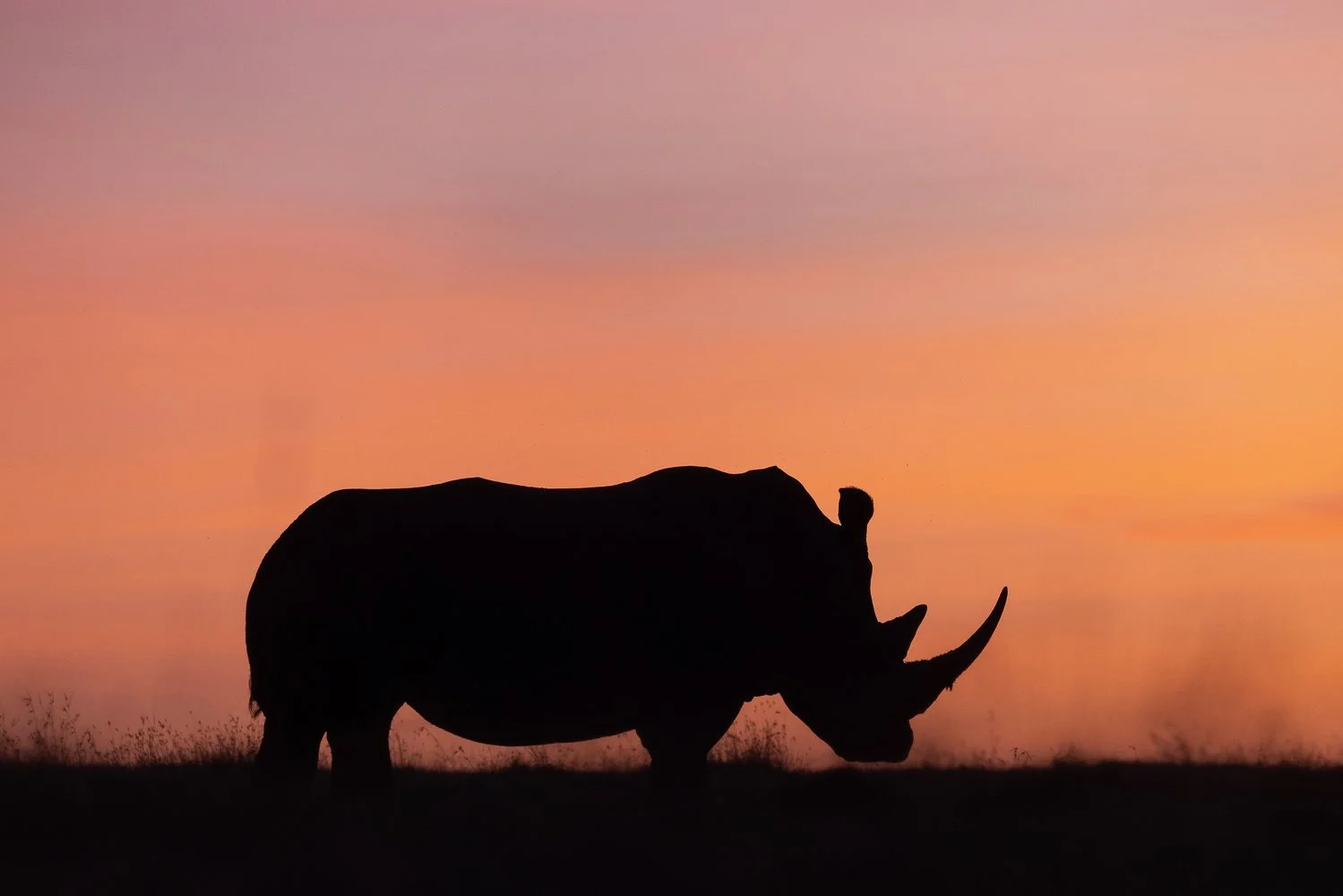
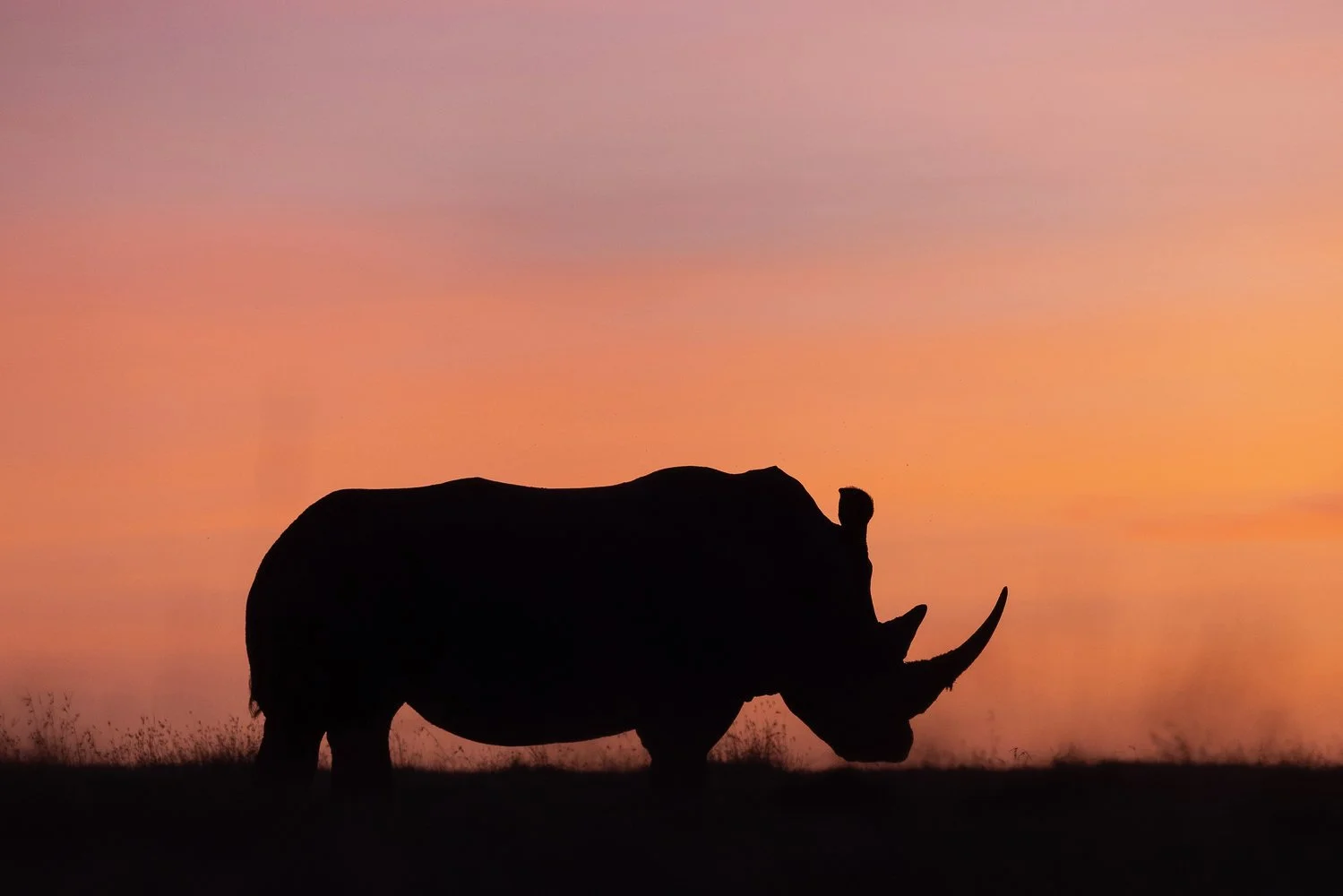
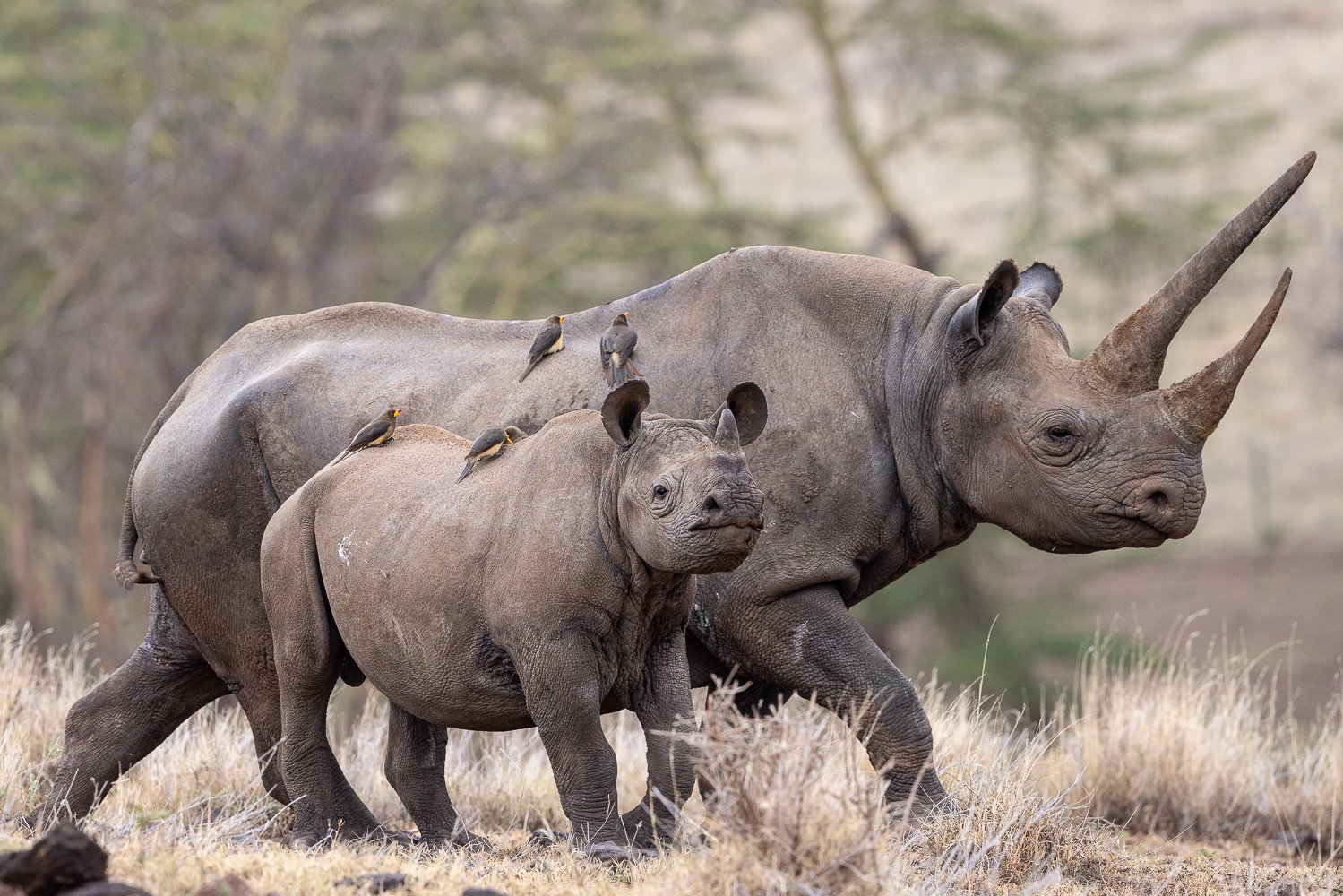
Ol Pejeta Conservancy has the highest concentration of black rhinos anywhere in Kenya and also is home to the world’s last two remaining Northern White Rhinos - both females and part of a concerted conservation drive to bring them back with fertilised embryos after the last male, Sudan, died in 2018.
Elsewhere, follow ‘herds’ of white rhinos as they graze on the open, fertile plains of Solio Game Reserve or visit their rhino orphanage under the gaze of Mt Kenya.
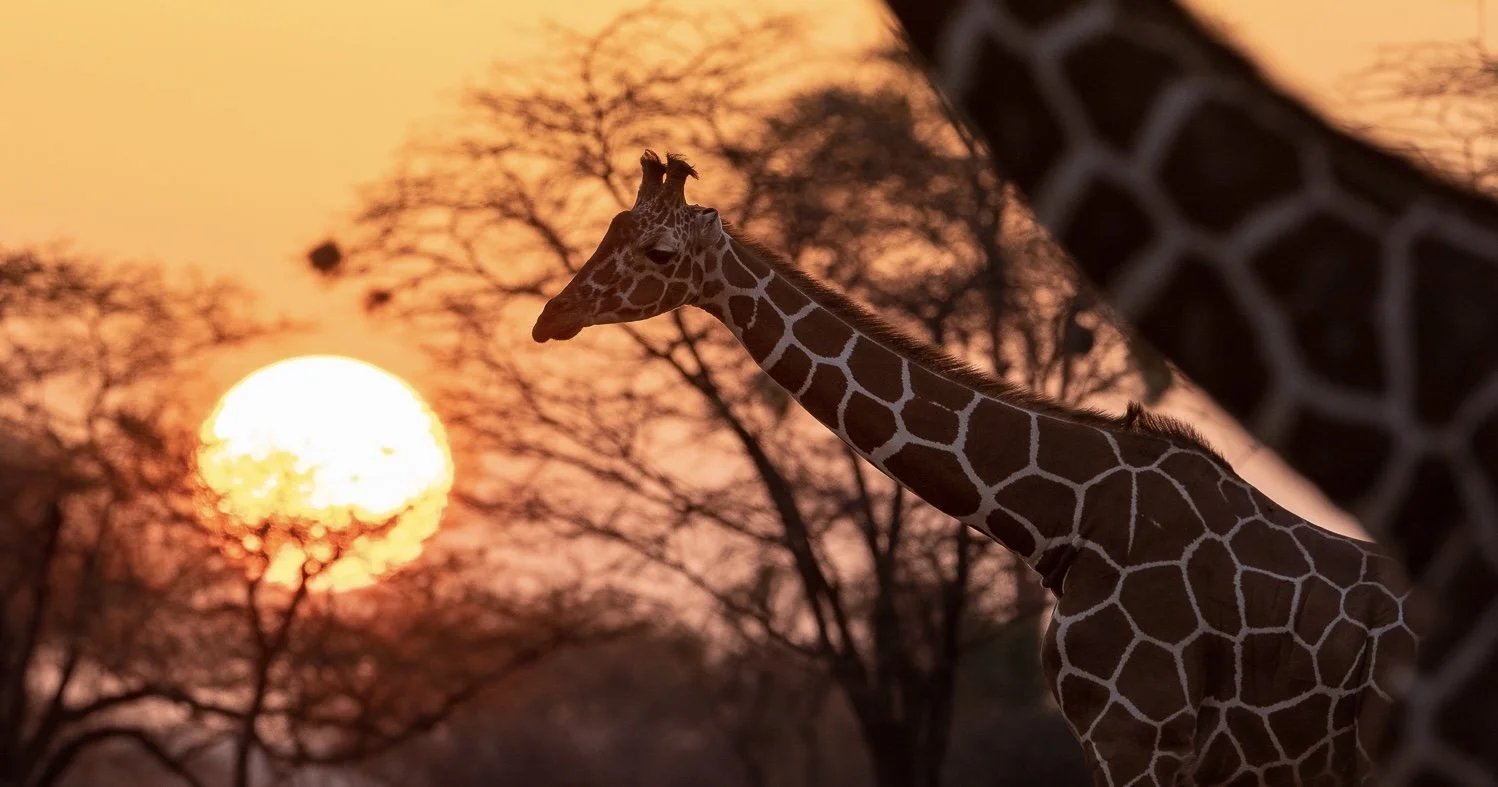
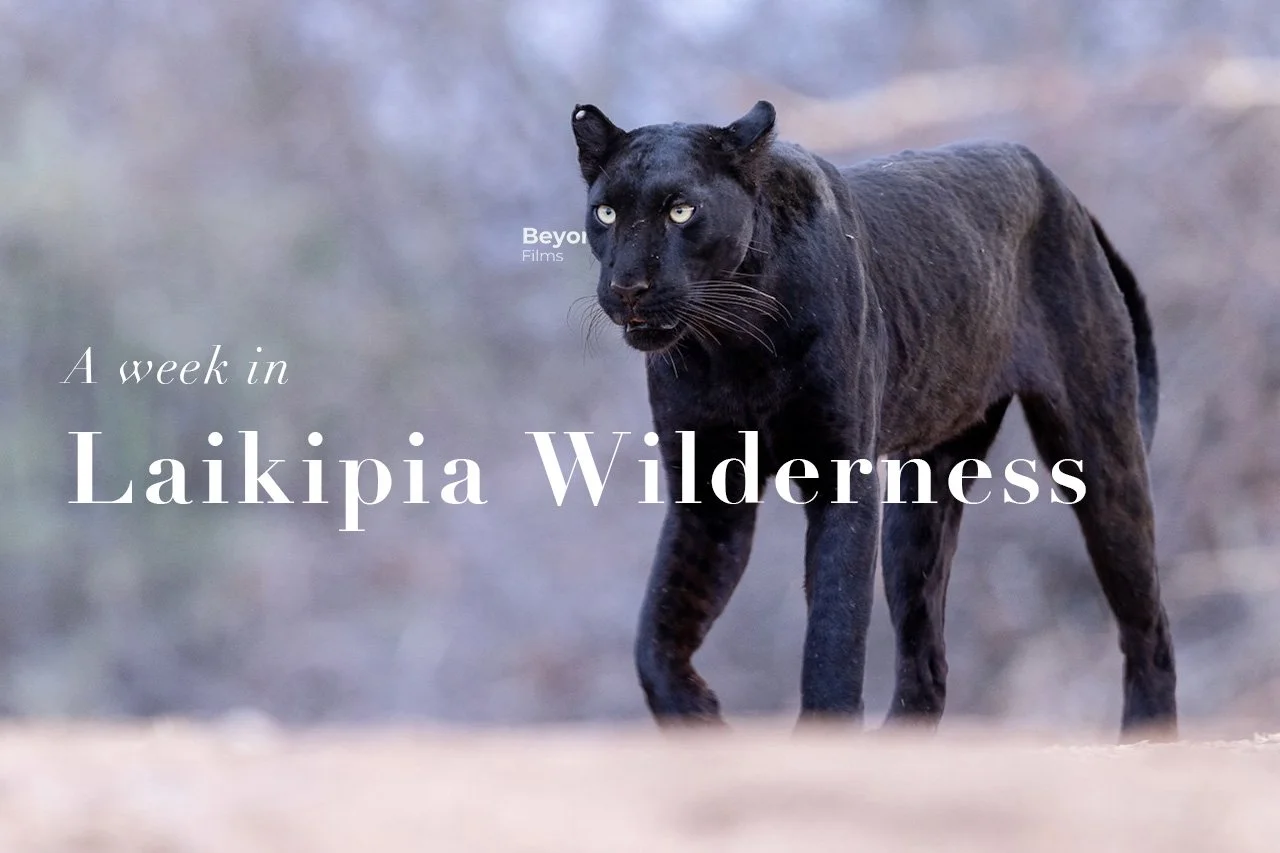
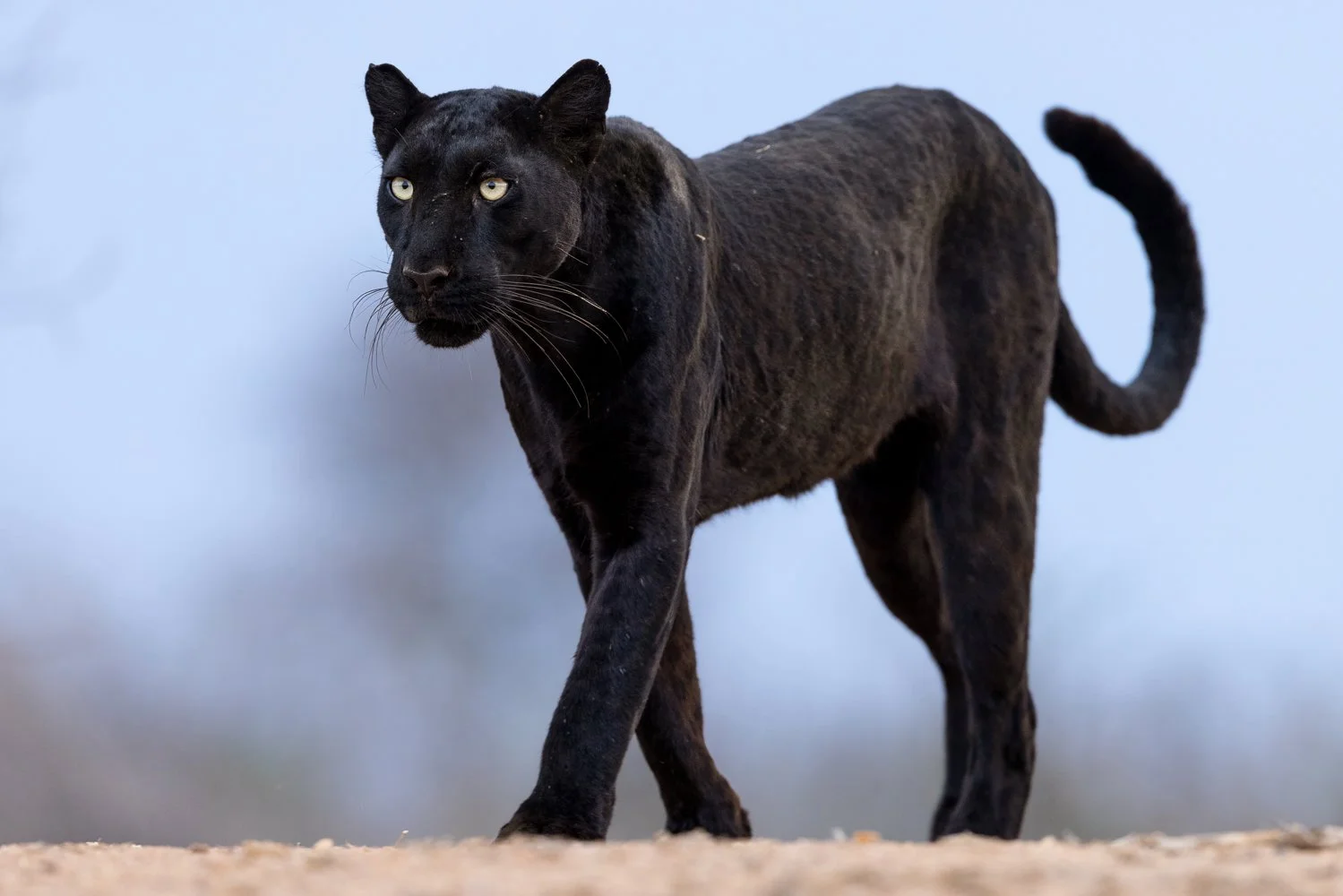
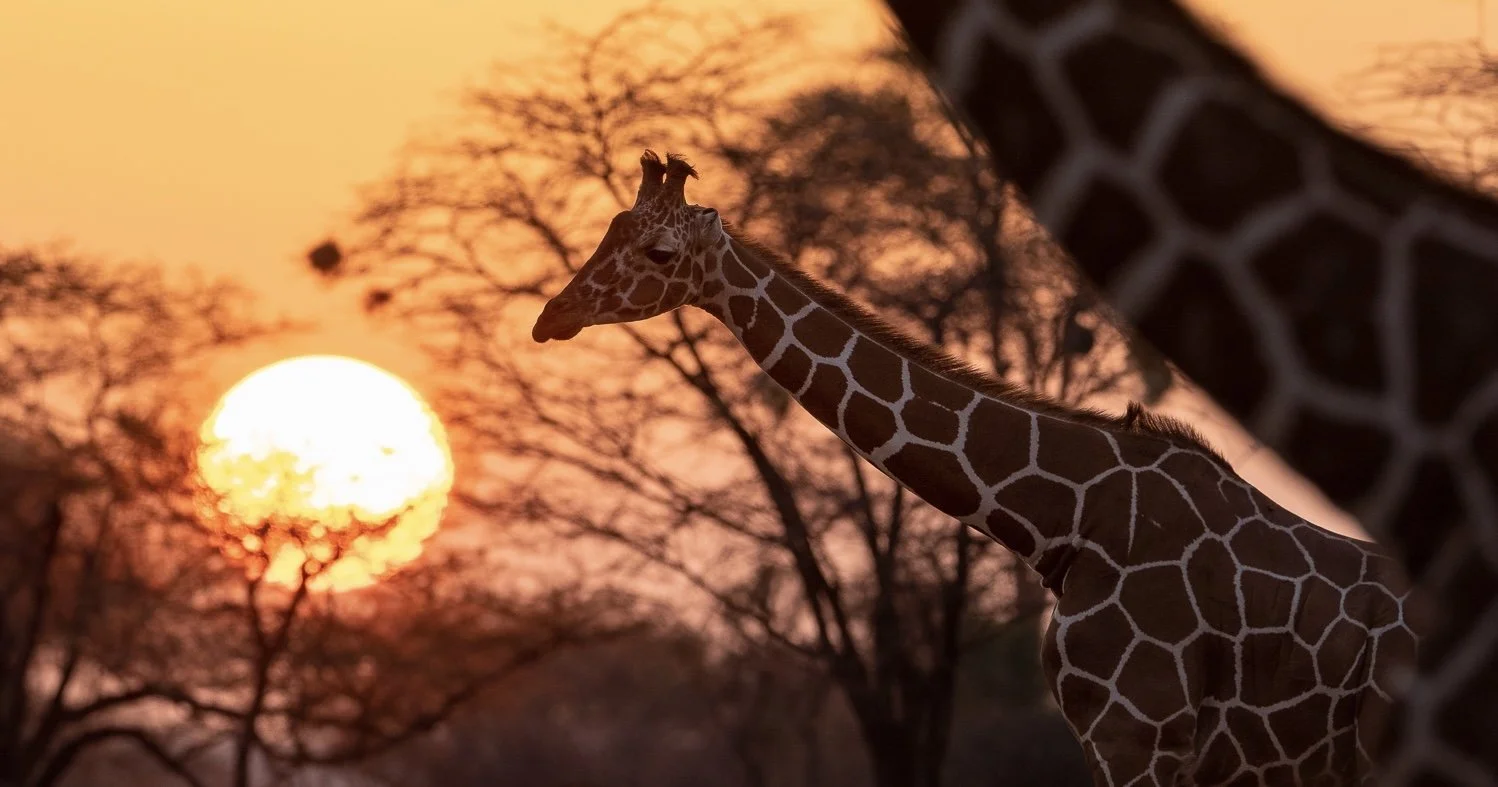
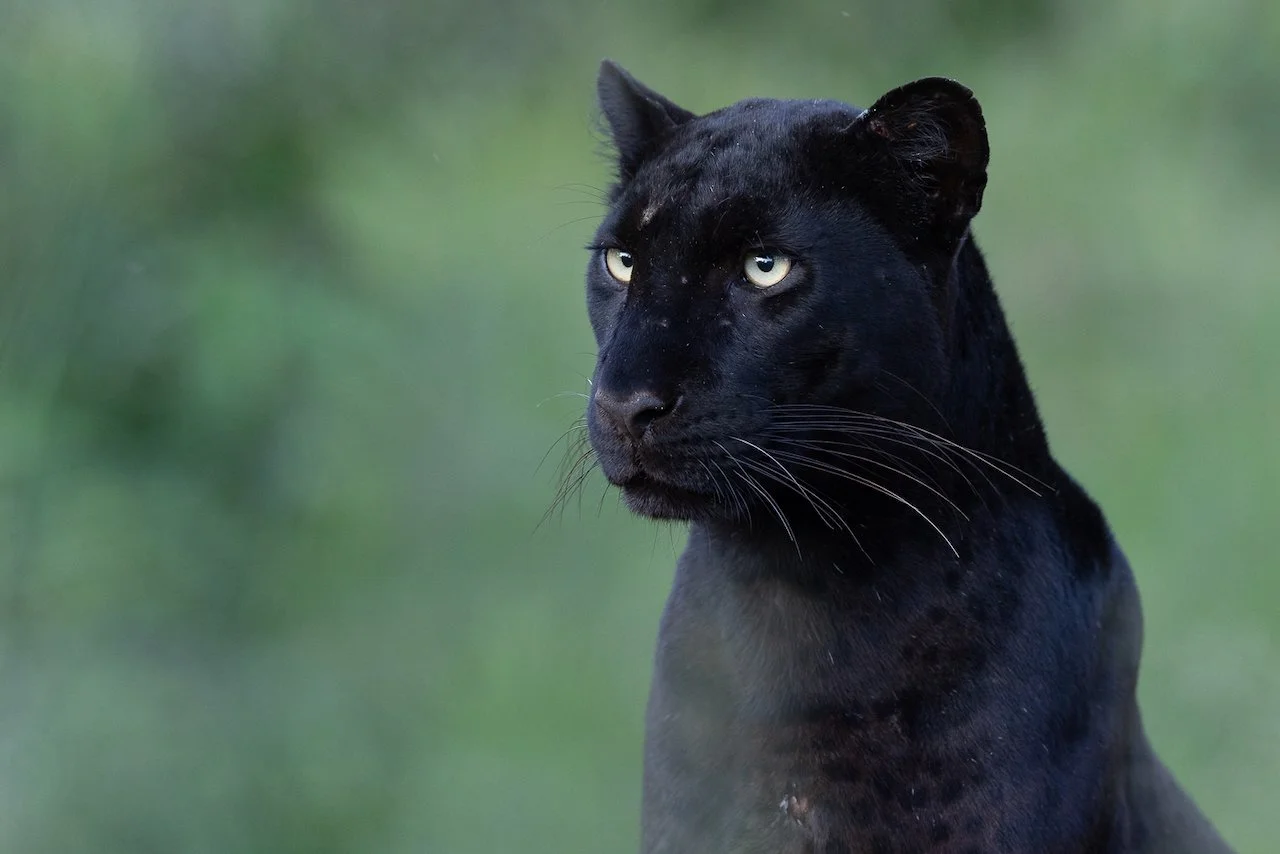
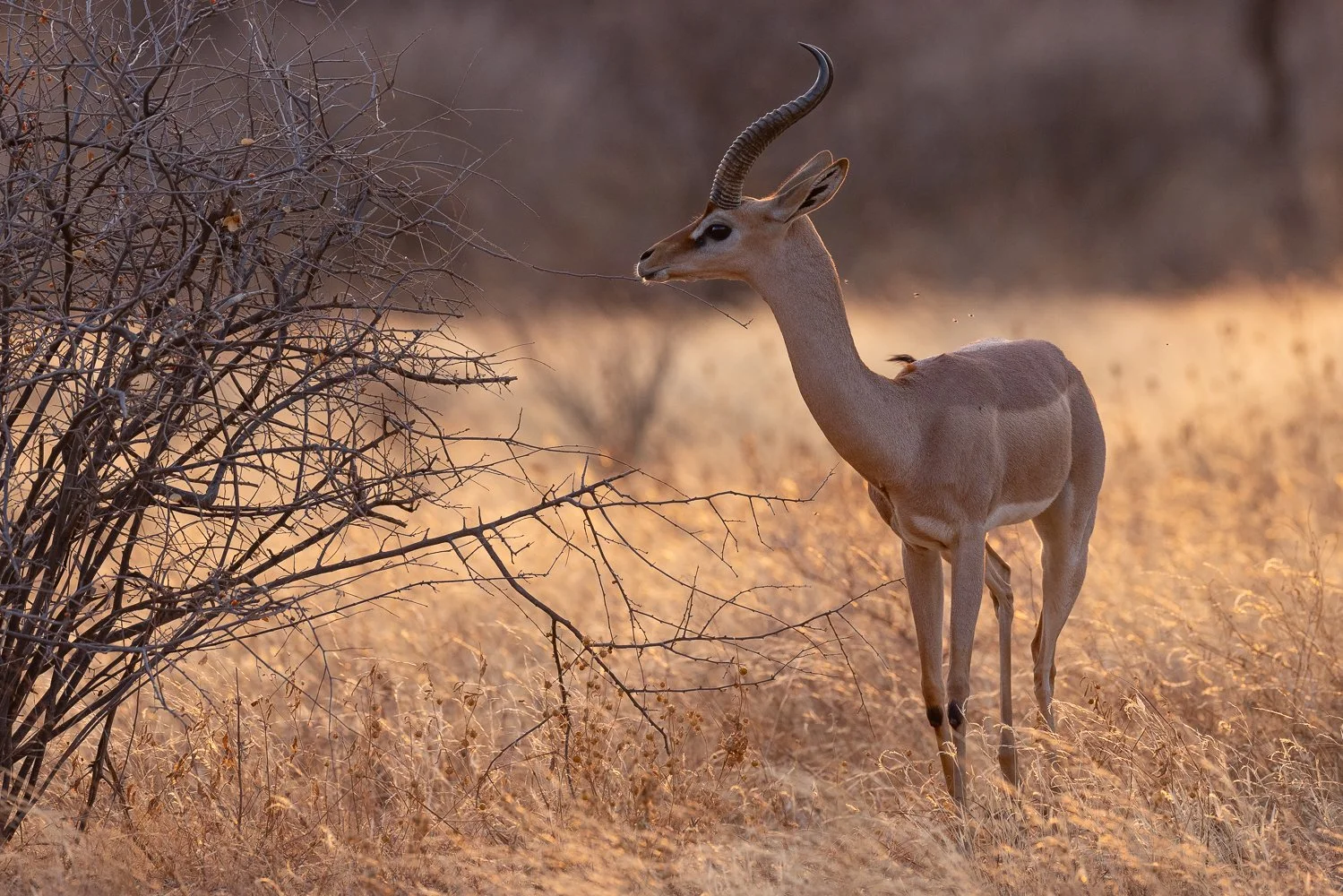
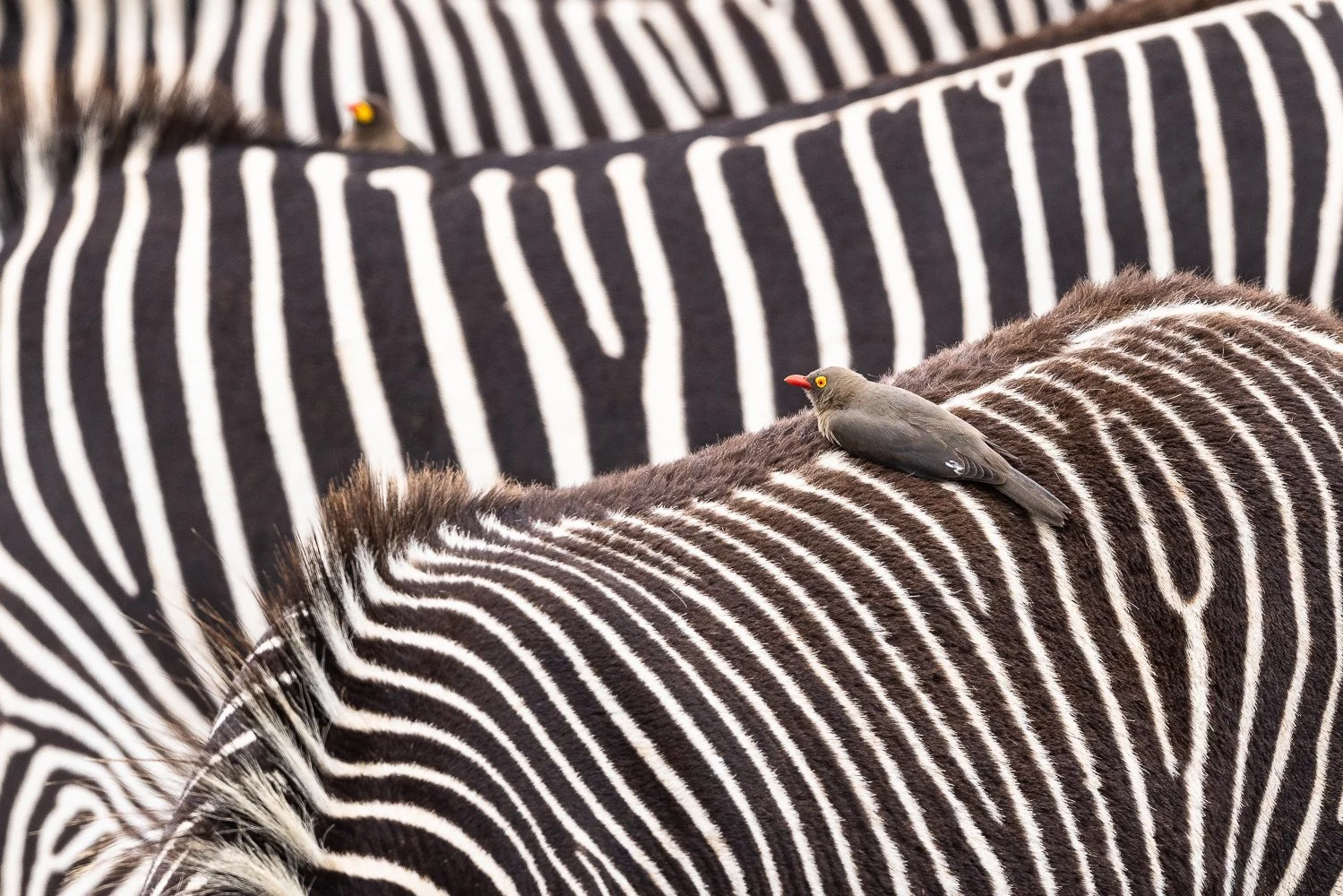
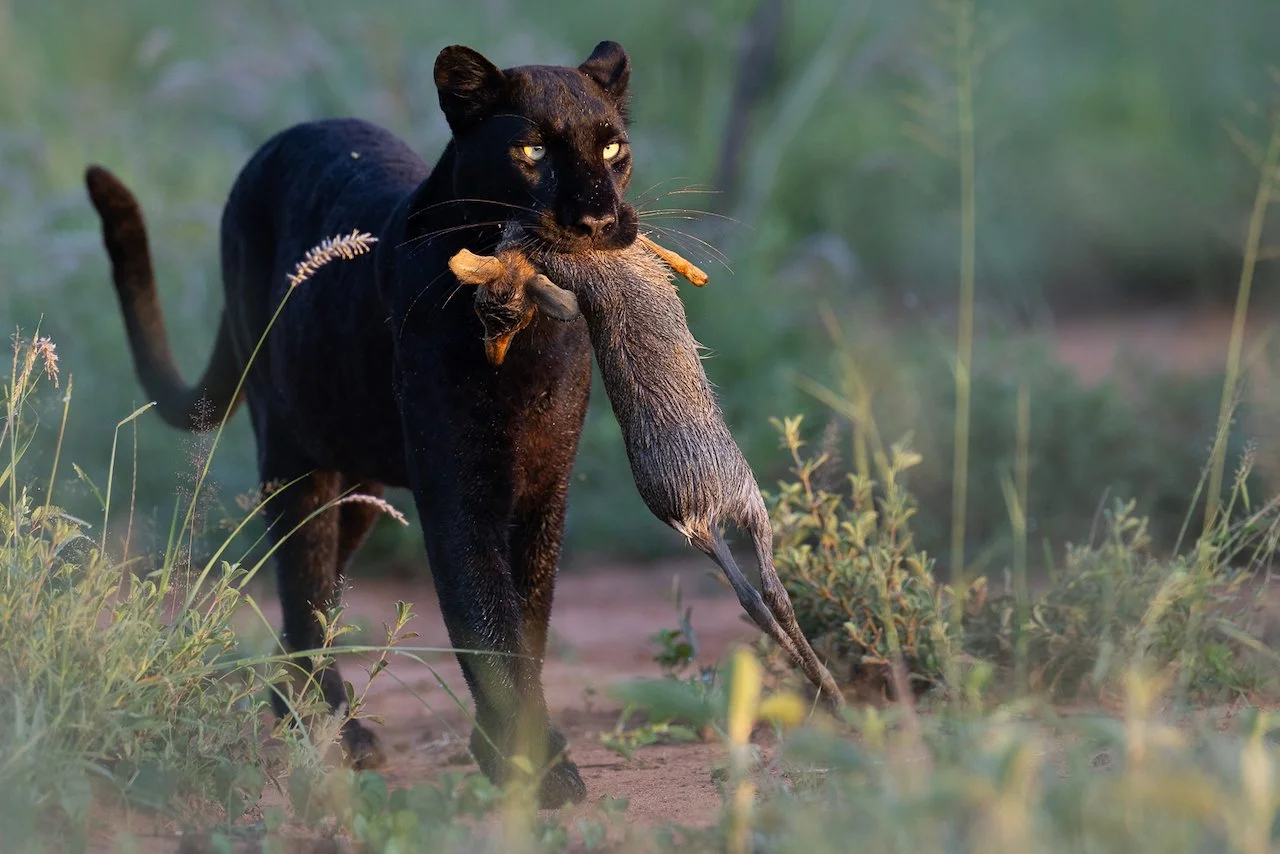
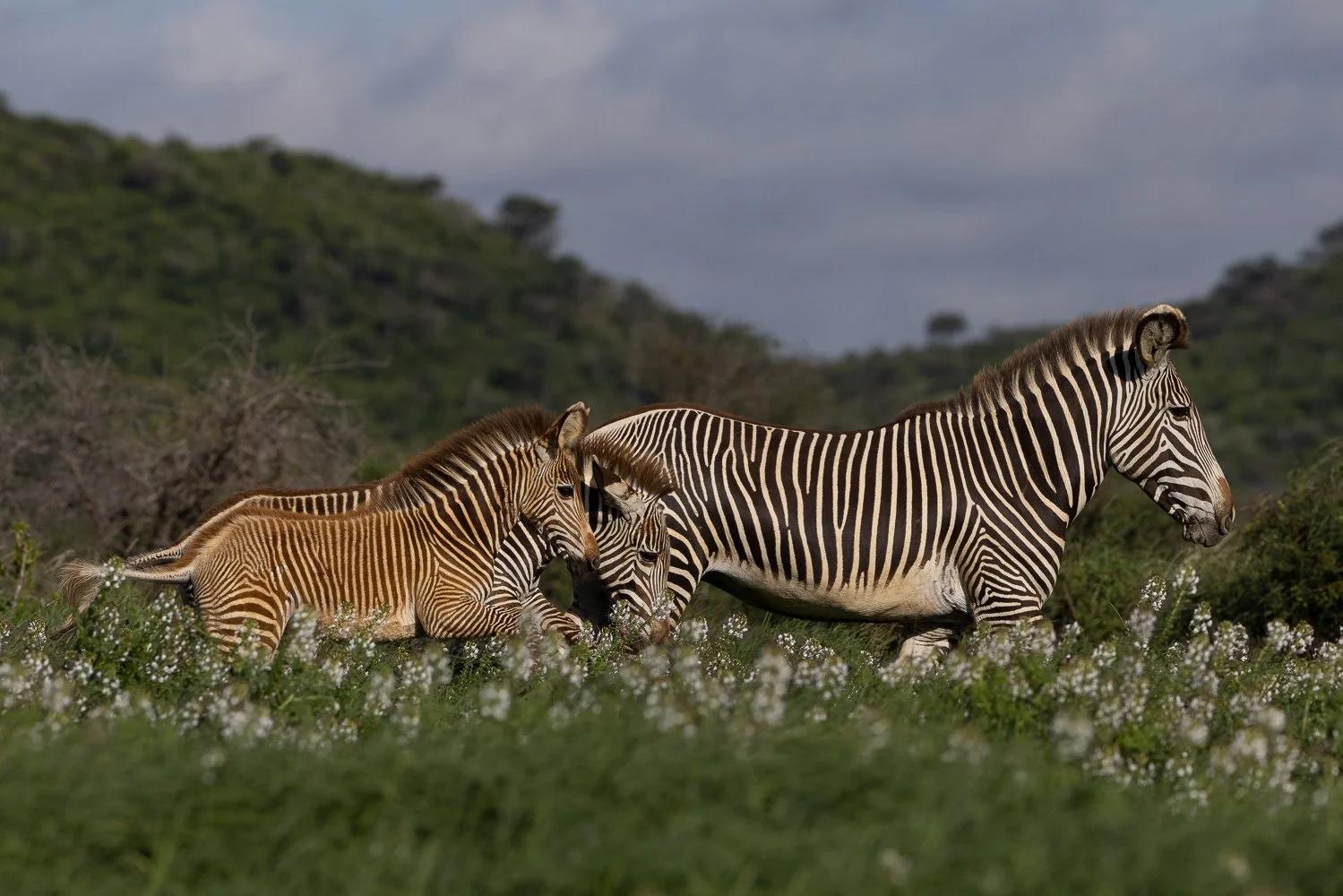
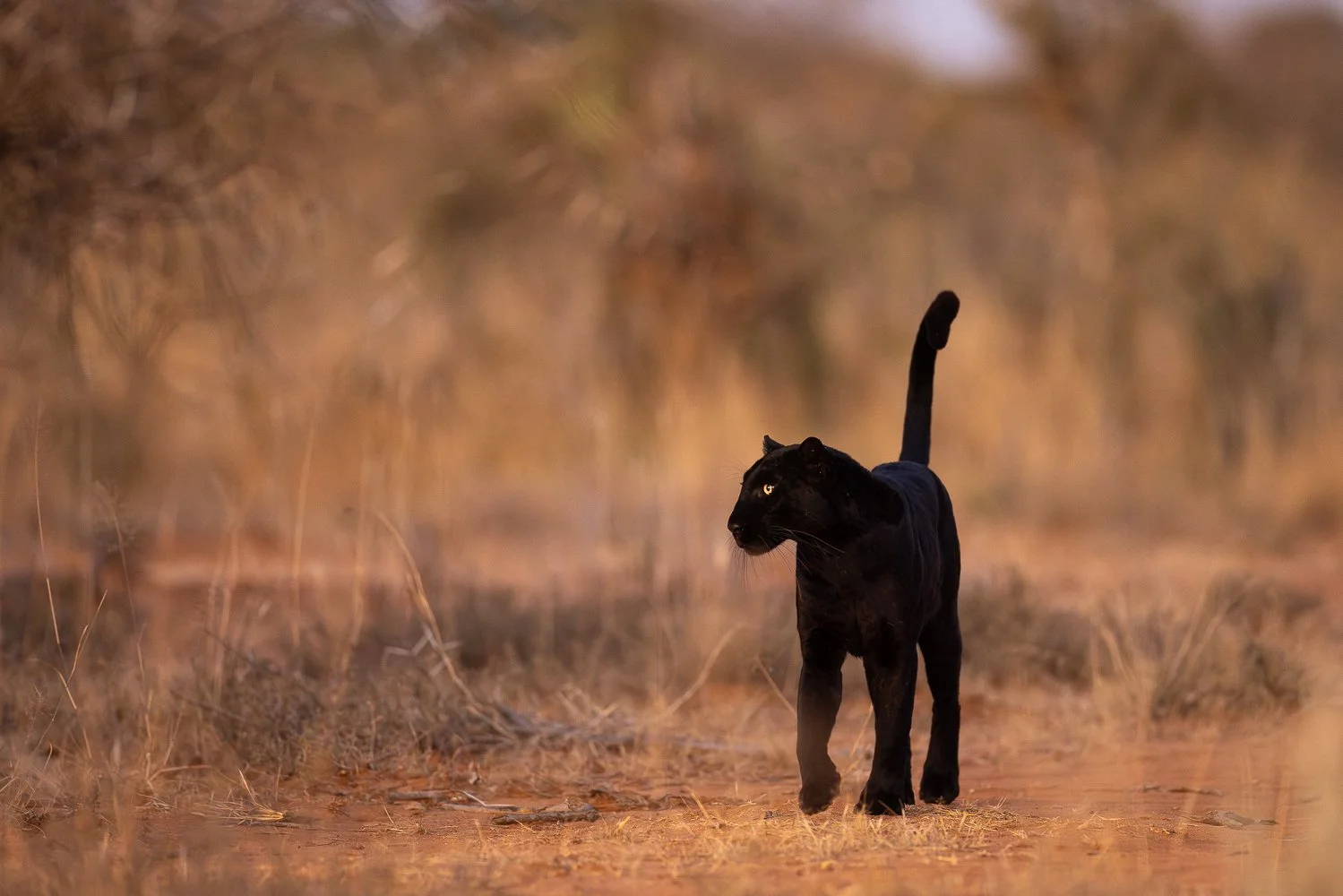
Further to the north, in the more arid areas lies Laikipia Wilderness Camp which for the last few years has become famous for its resident black (melanistic) leopard but is ideally suited for families wanting to explore the wild and for those seeking an adventure and Kenya’s more unheralded creatures like greevy’s zebras, reticulated giraffes and more dik-diks than one would think possible.
When to Visit
Much like elsewhere in Kenya, the rains tend to arrive in April and May making traversing the area difficult if not impossible. Much of the soil is of the black cotton variety so you want to avoid the wetter months where getting stuck is all but certain. Straddling the equator as it is, traditional ‘seasons’ mean very little here and it is at a higher elevation than the Mara making it cooler too.
June through October will be drier and have good game viewing and access but August and September will be busier given the peak tourism season in the Mara and have high-season rates. November and December are excellent (although Christmas time can be busier) as are January through Feb.
I enjoy March as the season begins to turn and the storm clouds build again but the rains can come early so early March is better to mitigate this.
JAN
Excellent
FEB
Excellent
MAR
Very Good
APRIL
Mixed
MAY
Mixed
JUN
Good
JUL
Mixed
AUG
Mixed
SEPT
Mixed
DEC
Very Good
OCT
Good
NOV
Excellent
Your Questions, Answered
These are some of the most common questions I get asked about going on safari in the Laikipia region.
On safari in Laikipia
-
There are only 2 Northern White Rhinos left in the world and both of them are at Ol Pejeta Conservancy near Nanyuki in Laikipia. If you are staying at Ol Pejeta you can arrange a visit with the rhinos and learn about the project to bring them back from near-certain extinction using frozen embryos and Southern White Rhinos.
-
A melanistic (black) leopard is simply that, a leopard. But with much higher melanin levels than normal leading to a darker coat. The more intense the melanism, the more intense the change. The most famous black leopard (Giza) lives in the Laikipia region of Kenya and is regularly seen when staying at Laikipa Wilderness Camp. Laikipia is actually famous not just for Giza but for the relatively large number (suspected) of black leopards different individuals seen briefly or picked up on camera traps. Giza is simply the most relaxed and often seen.
-
Laikipia in Kenya, across particularly Ol Pejeta, Solio and Serena conservancies, has some of the best rhino viewing anywhere in Africa. Ol Pejeta has the highest concentration of black rhinos, at Solio you can be having breakfast out on the plains surrounded by ‘herds’ of rhinos (when I was last there we counted 85 surrounding us whilst having breakfast and those were just the visible ones where we were). Laikipia as a region (like Lewa to its east) is also famous for its rhino conservation efforts and you can chat to the rangers, especially at Ol Pejeta, to learn about how they keep the rhinos safe and hear their incredible stories.
-
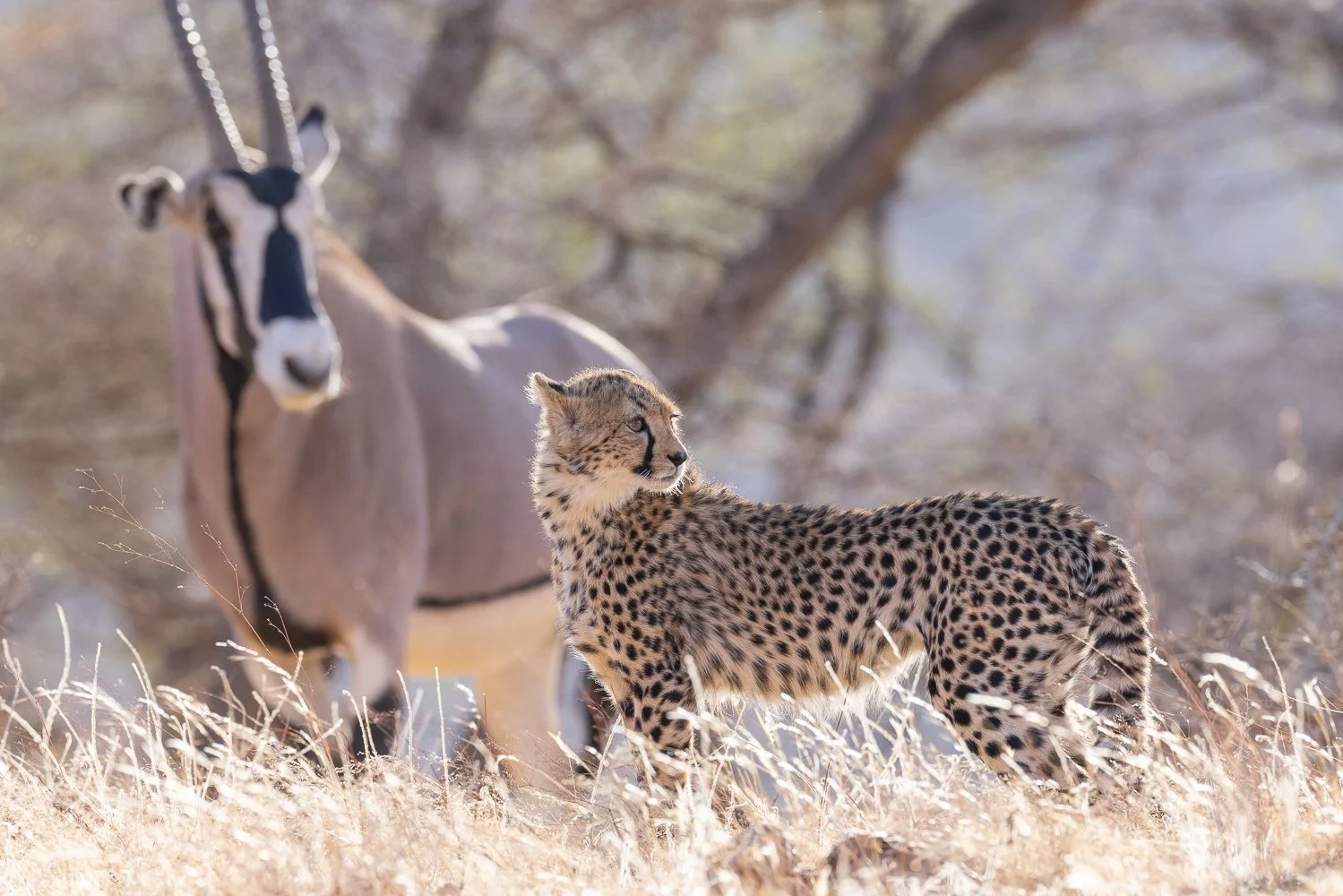
Absolutely. It is well worth combining Laikipia and the Maasai Mara. In the Mara it is quite unlikely that you will see any rhinos so if you want to see them then Laikipia is your area and the predator action and density in the Mara is definitely greater than in Laikipia though there are still lions, leopards and cheetahs present (as well as occasional African Wild Dogs which you won’t see in the Mara).
-
A black panther is actually a generic term for any big melanistic cat (ie a black jaguar would also be referred to as a panther).
Photographing in Laikipia
-
A focal length covering your more standard 100-500mm range should suffice for most activities in Laikipia. If you are out looking for Giza, however, then chances are good that you will be seeing her in low light conditions so a faster f2.8 lens would be ideal - a 70-200 f2.8 would be my choice mostly though I have been lucky to see her in the day quite a few times and have been able to use my 400mm to good effect as well.
For the rhinos, a 300mm focal range gives good flexibility and I always enjoy having a wide-angle with me for those Mt Kenya views if close to the rhinos though 70-200 does the job as well.
-
Bearing in mind that Laikipia is a region you will be staying in a conservancy (Ol Pejeta, Solio etc) so you can be out before sunrise and after sunset.
-
In large parts yes, unless the soil type prevents this especially in the wetter months.