
Amboseli
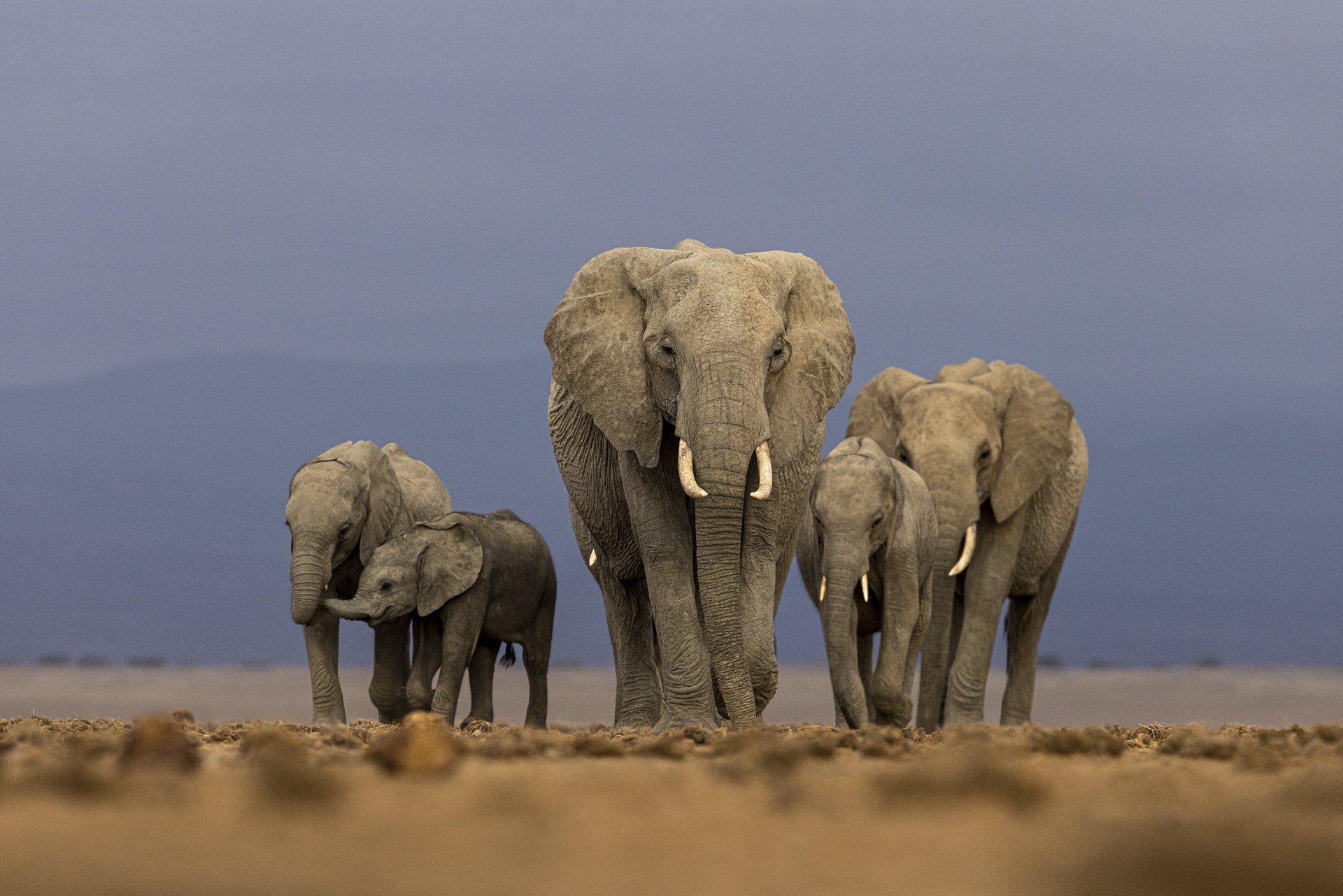
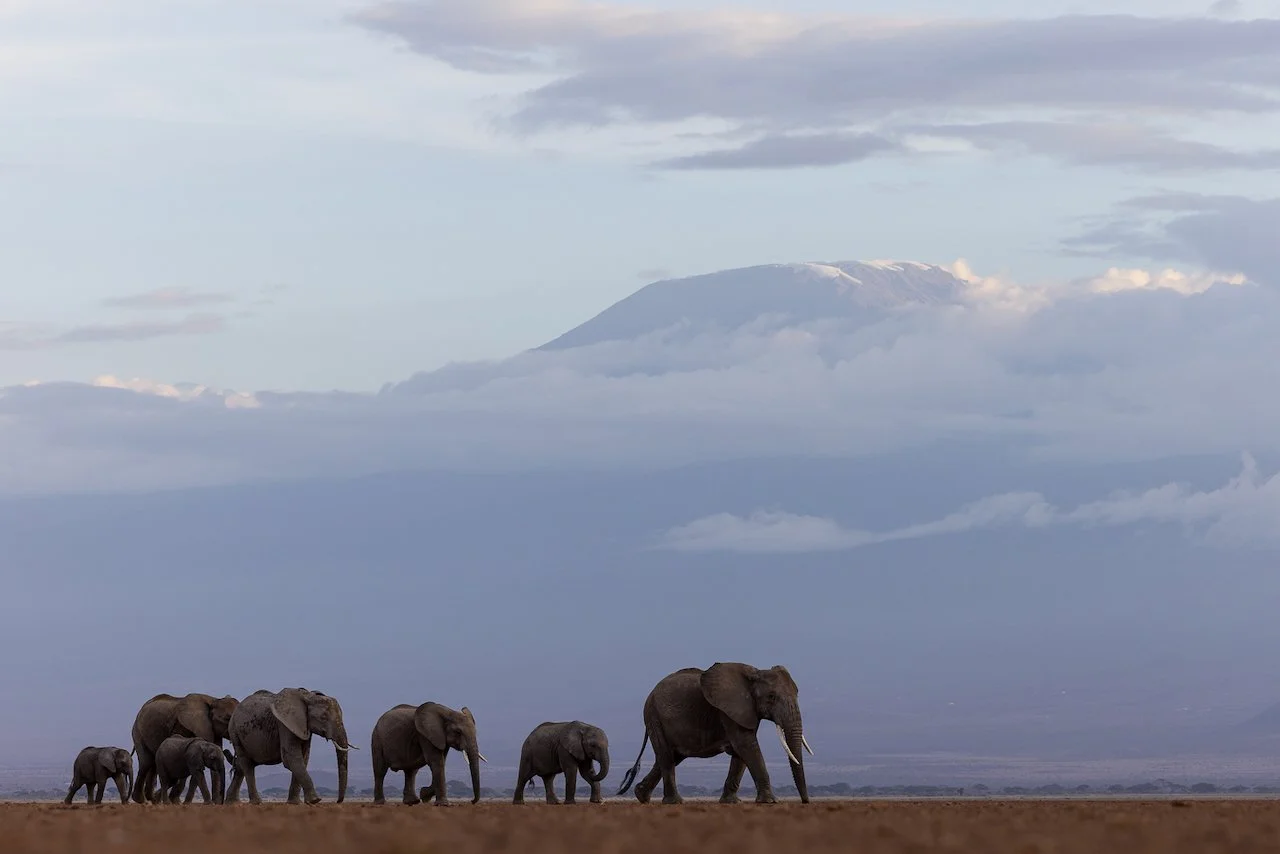
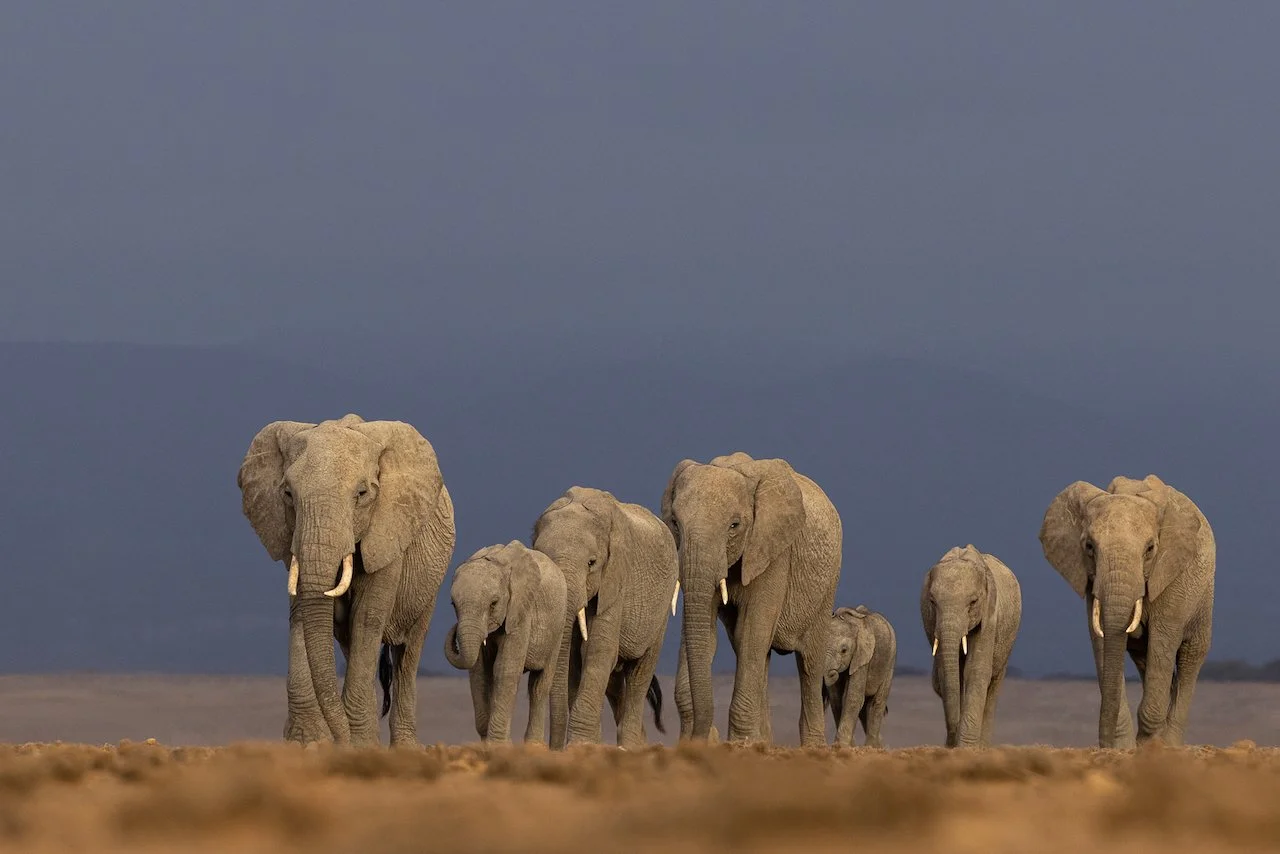
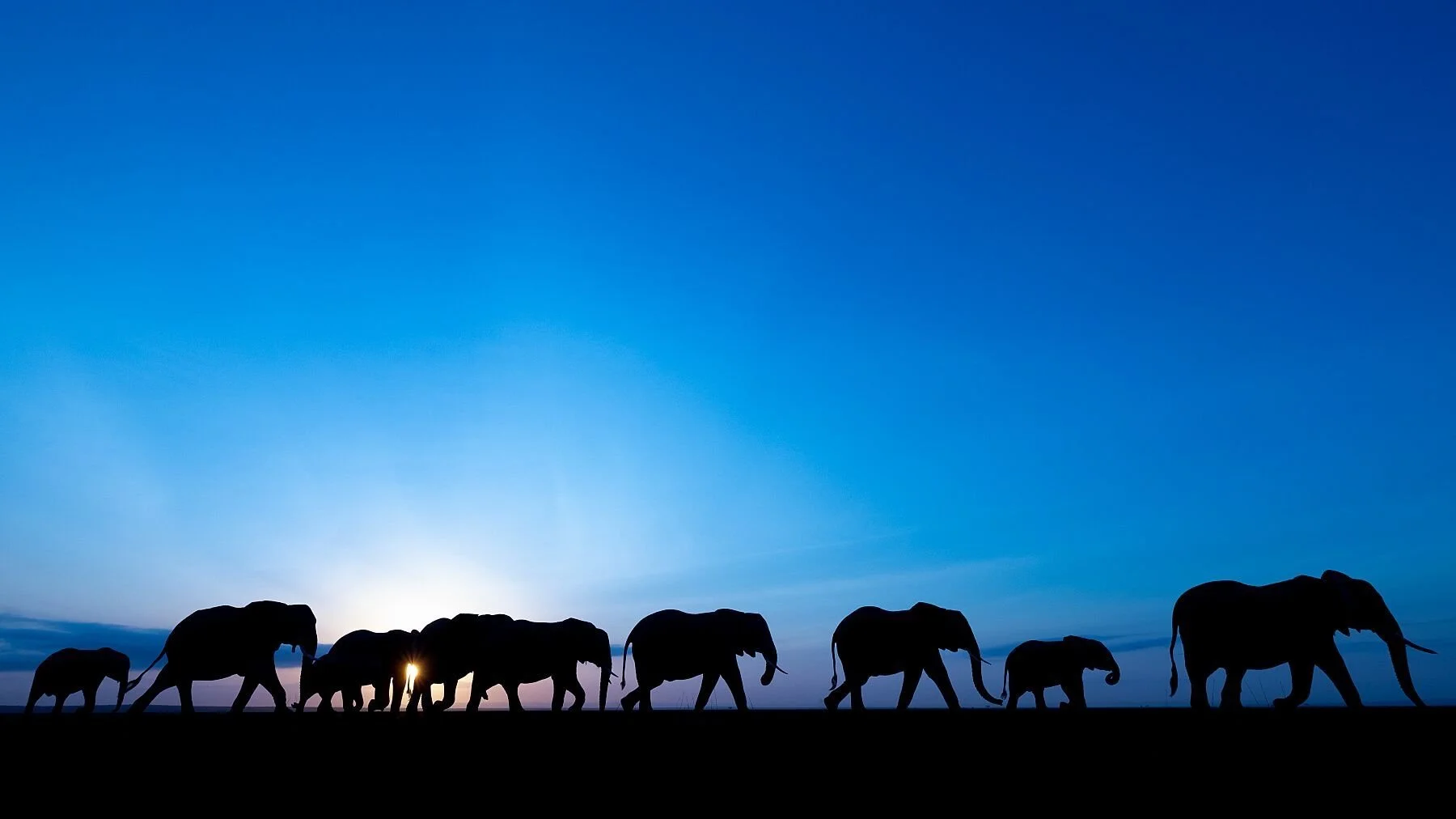
In the shadow of Africa’s tallest mountain, roam Africa’s largest animals. Witness Elephants as never before in this unique landscape. Famous for its Big Tuskers, Amboseli is a near-mythical place where it truly feels as if you are stepping back in time to how African elephants are supposed to be seen. Undisturbed. Gentle. Awe-inspiring. Feel the herd and understand its dynamics like nowhere else on Earth.
What to expect…
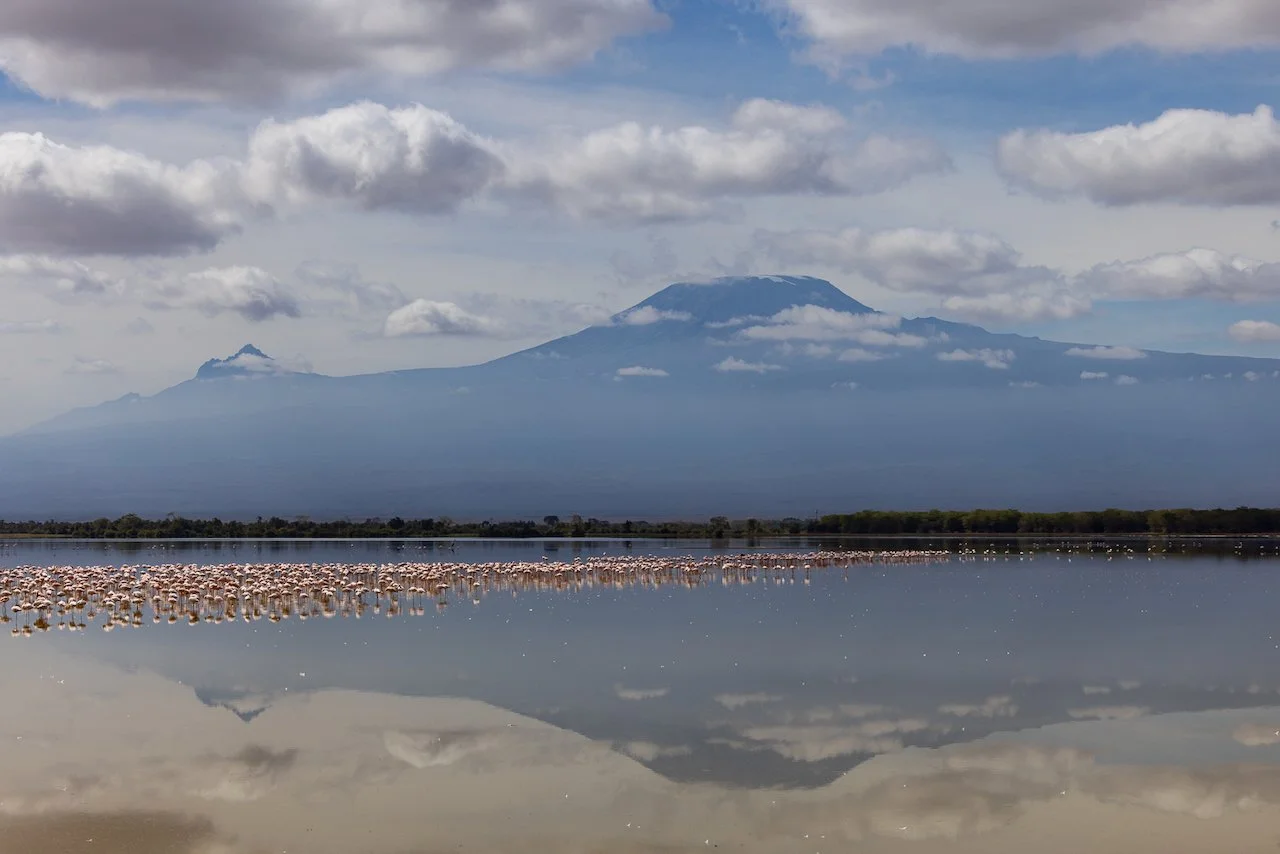
The main draw card of the park is of course the elephants. Amboseli is home to the longest elephant study on Earth, with over 60 matriarchal families known and named, their make-up, habits, migration and behavioural traits all studied and documented. The backdrop to this incredible insight is of course Mt Kilimanjaro, the world’s tallest free-standing mountain, and Africa’s tallest mountain at 5,895 meters (19,341 feet). It’s a captivating sight, often snow capped especially after the long rains in East Africa, and towers above the plains on either side.
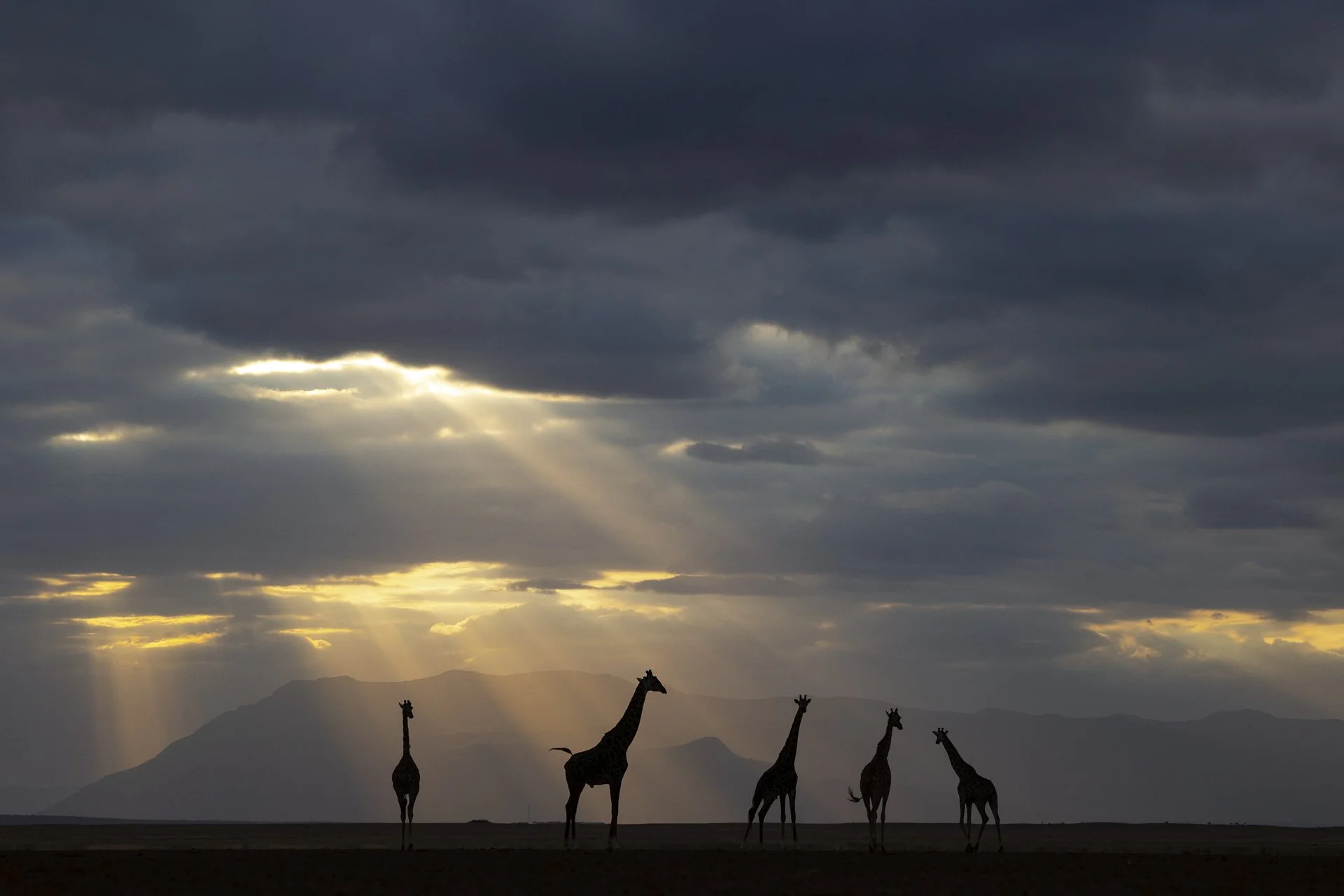
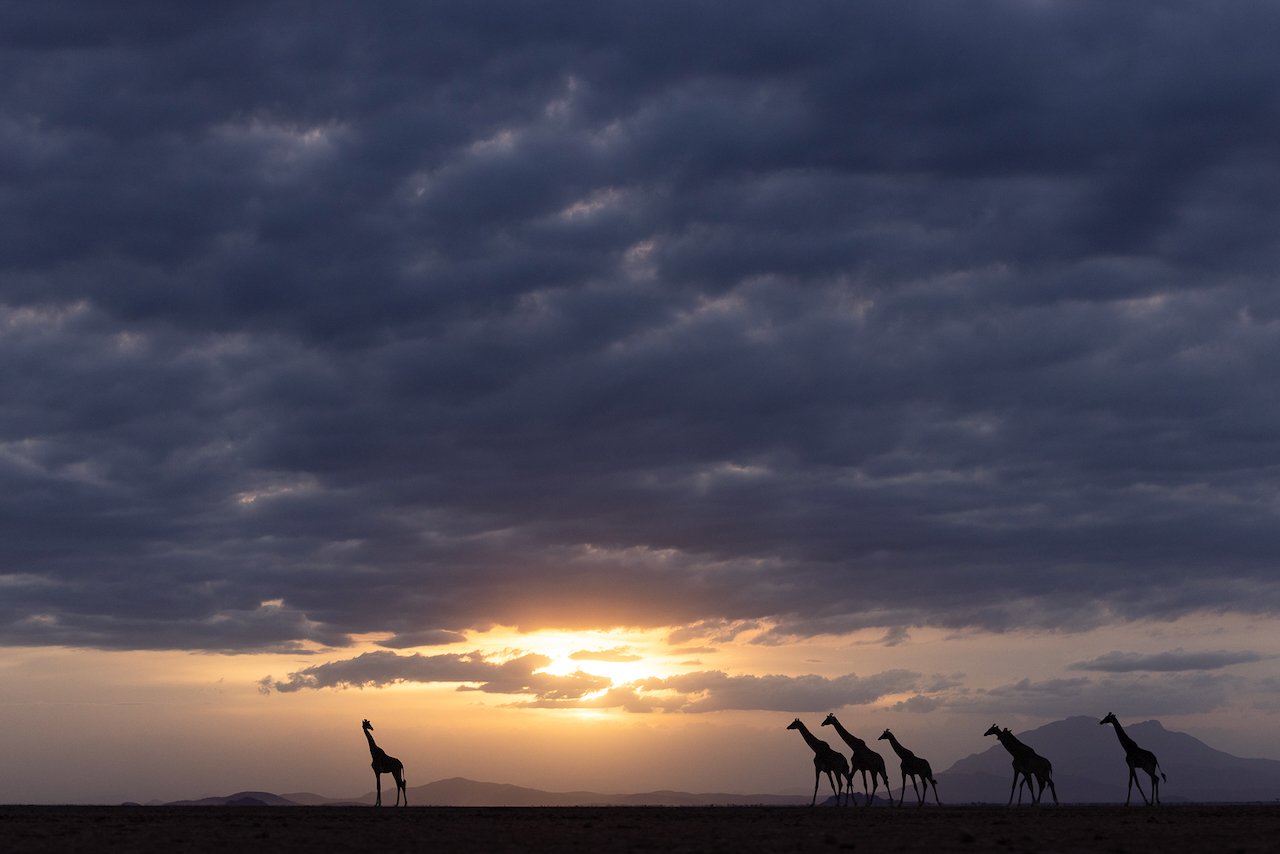
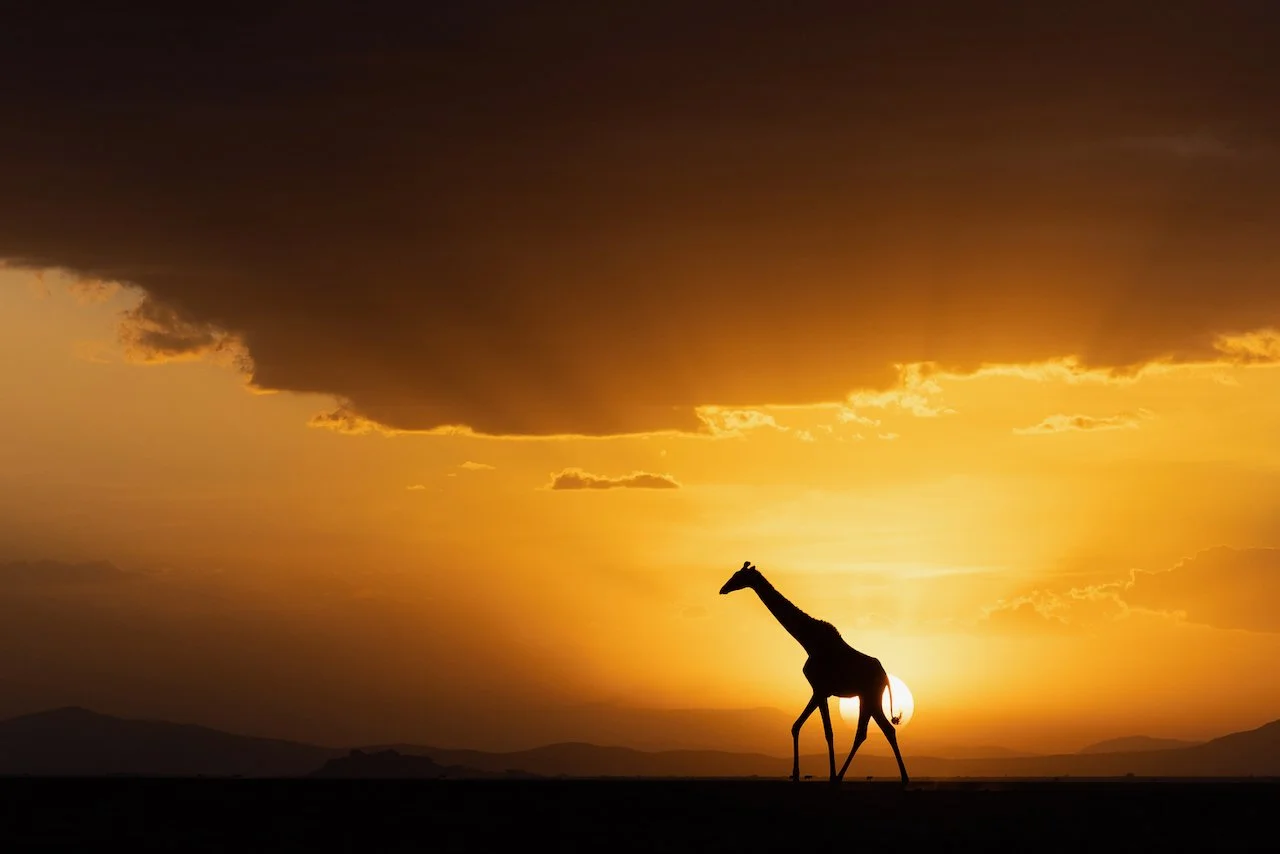
A big photographic bonus is the Amboseli Lake bed, an often dry lake, complete with elephant pathways that are crossed daily by the families on their trek from the mountains to the lake where they feed on softer water plants, and drink and frolic and meet up with others. Zebra, wildebeest and giraffe also cross this lakebed, as do dust devils - swirling mini tornados that pick up in the wind and spiral towards the sky and give Amboseli its name.
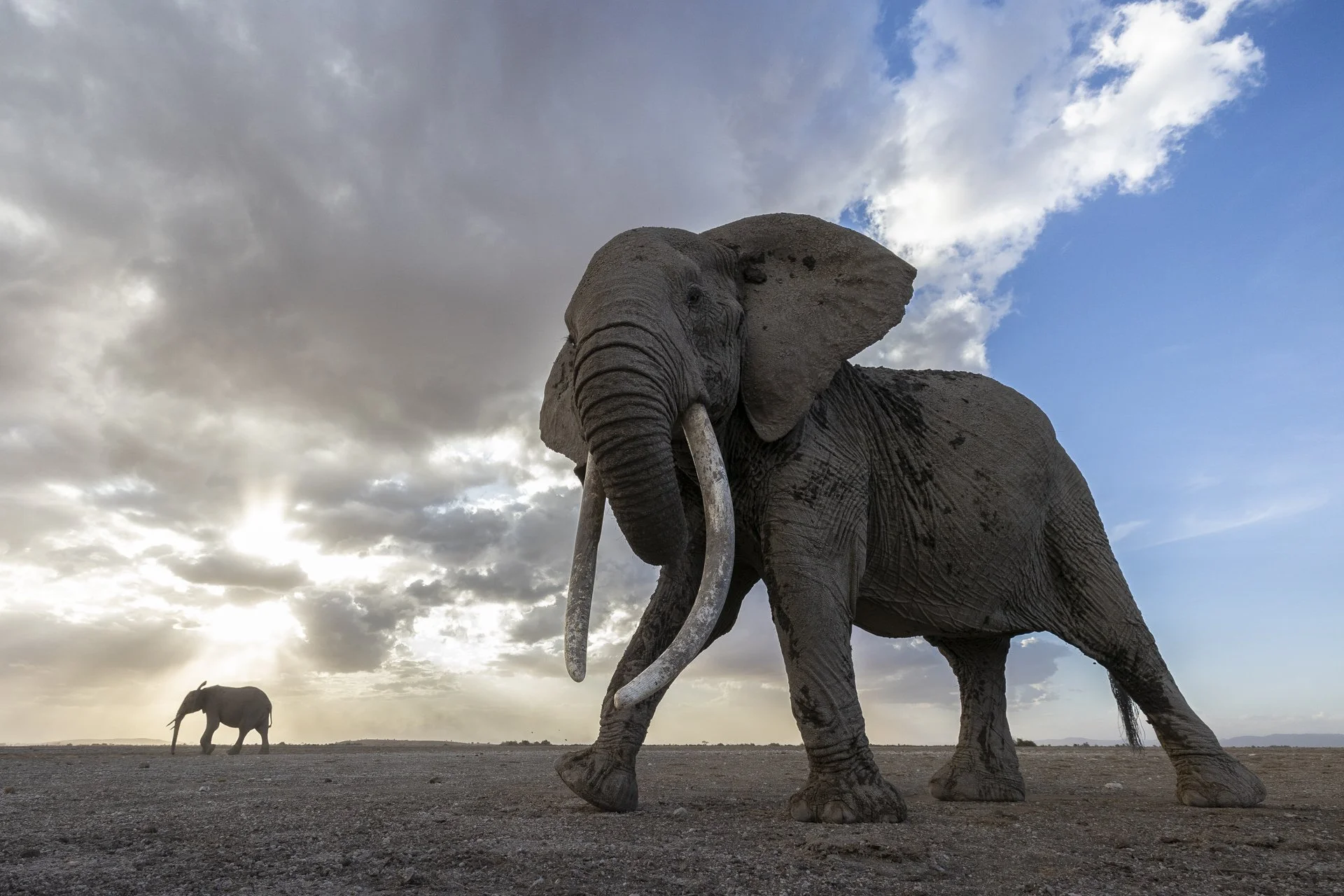
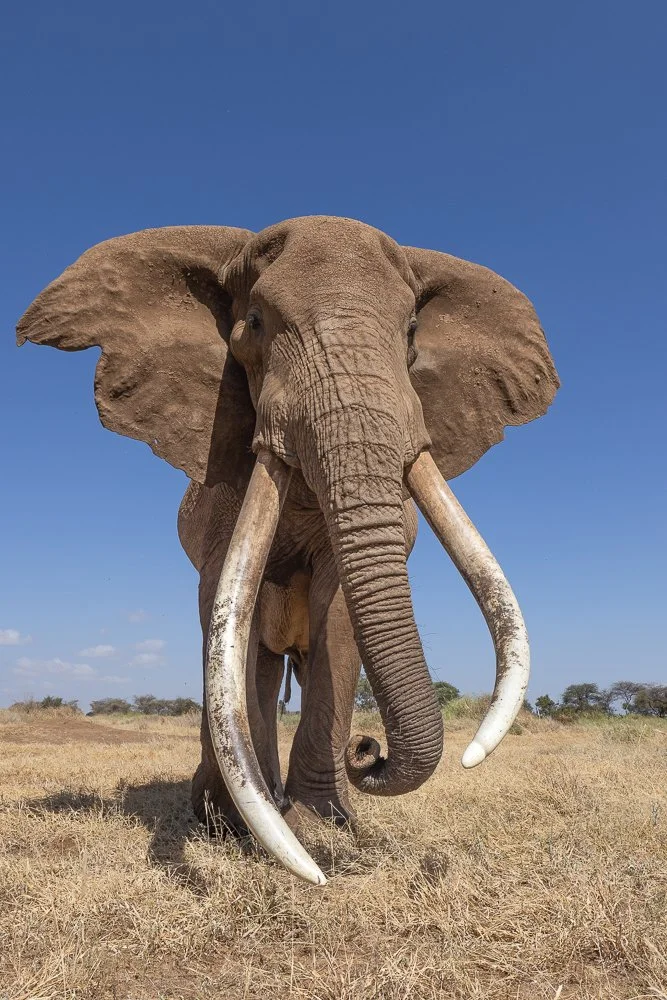
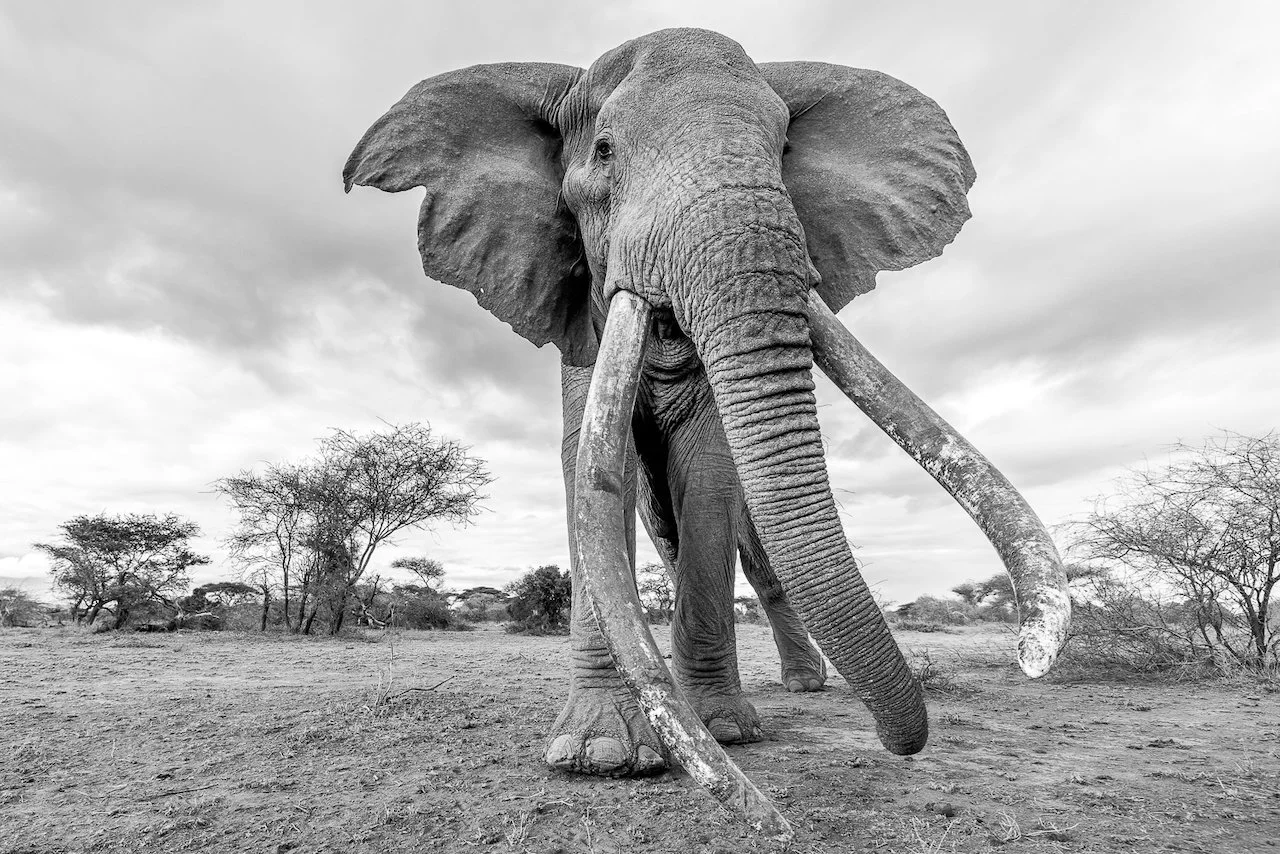
The Amboseli eco-system is also home to some of the last super tuskers. These are large male elephants who, through good genetics and long lives, have grown tusks weighing in at over 100 pounds each. There are not many of these creatures left, and so seeing them should be high on your wish list! To watch an elephant gently feeding with tusks over 2 meters long is quite something. To watch an elephant rest on its own tusk in the sand and take a nap standing up - well I am sure you can imagine!
When to Visit
The key for photography in Amboseli and the absolute main drawcard is the dry lake bed with the elephants crossing this in search of food in the swamps. For this you need to aim for the driest months from August through October before the short rains which tend to arrive in November and freshen up the grasslands.
After the short rains, there does tend to be more snow on top of Mt Kilimanjaro and the lake bed is not normally full so for those looking to get snow and elephants in one frame, December through March is best before the main rains arrive in April and May freshening up the grasslands again and re-filling the lake bed.
JAN
Excellent
FEB
Excellent
MAR
Very good
APRIL
Mixed
MAY
Mixed
JUN
Good
JUL
Mixed
AUG
Good
SEPT
Excellent
OCT
Excellent
NOV
Good
DEC
Very good
Your Questions, Answered
These are some of the most common questions I get asked about going on safari in Amboseli.
On safari in Amboseli
-
A ‘super tusker’ is a general term for an elephant with exceptionally large tusks. What was once a relatively common sight across Africa, they are now limited to only a few small pockets in the Amboslei/Tsavo ecosystem. The Super Tuskers are defined as an elephant with at least one tusk weighing in excess of 45 kilograms (100 pounds). Often these tusks are so large that they scrape along the ground.
-
In order for there to be a good covering of snow on Mt Kilimanjaro there needs to have been some rain. However, rain can also fill up the dry lake bed or make it impassable. So the best time for this combination is to aim for the just before the rainy season (March) when there can have been some early rain showers leaving some snow up on Kilimanjaro or after the short rains in November where there isnt enough rain to fill the lake bed but there is enough to leave some snow on the peak.
-
It is very different but you won’t see elephants like this anywhere else. The guides here (thanks to the ongoing scientific study) really know the individual elephants and can recognise families and individuals from miles away. They know how they react, how they behave, the routes they like to take to get places and how comfortable they are or whether today they are in a mood and should be avoided. There is nowhere else I have been where I have learned so much about elephants and felt more connected to them than in Amboseli.
-
It is definitely worth combining the two. There are direct flights from Amboseli to the Mara or connecting flights via Nairobi so the travel is easy and is a known safari ‘route’. Just for the elephants alone, I would visit Amboseli and then enjoy the Mara for everything else.
-
Cynthia Moss started the project in 1972 and it is still ongoing today making it the longest continuous study of wild elephants in the world. Currently the project tracks over 3,500 elephants across generations.
Photographing in Amboseli
-
I like using a 300mm focal length here as well as my wide angle for the close, wide shots as elephants loom over you.
-
In the conservancies you can. In the National Park you cannot as it has strict gate hours.
-
Off road driving is not permitted in the National Park but is permitted in the conservancies as these are community-owned parcels of land.
-
Conservancies for sure. The flexibility is absolutely key and you can still access the National Park should you wish to for the flamingoes. And if you want access to the dry lake bed (arguably essential for those epic elephant photographs that you will have seen) then you need to be in the Kitirua Conservancy.