
Lewa Conservancy
One of the earliest community conservancies in Kenya, Lewa has long stood as a beacon for sustainable and community-driven wildlife tourism.
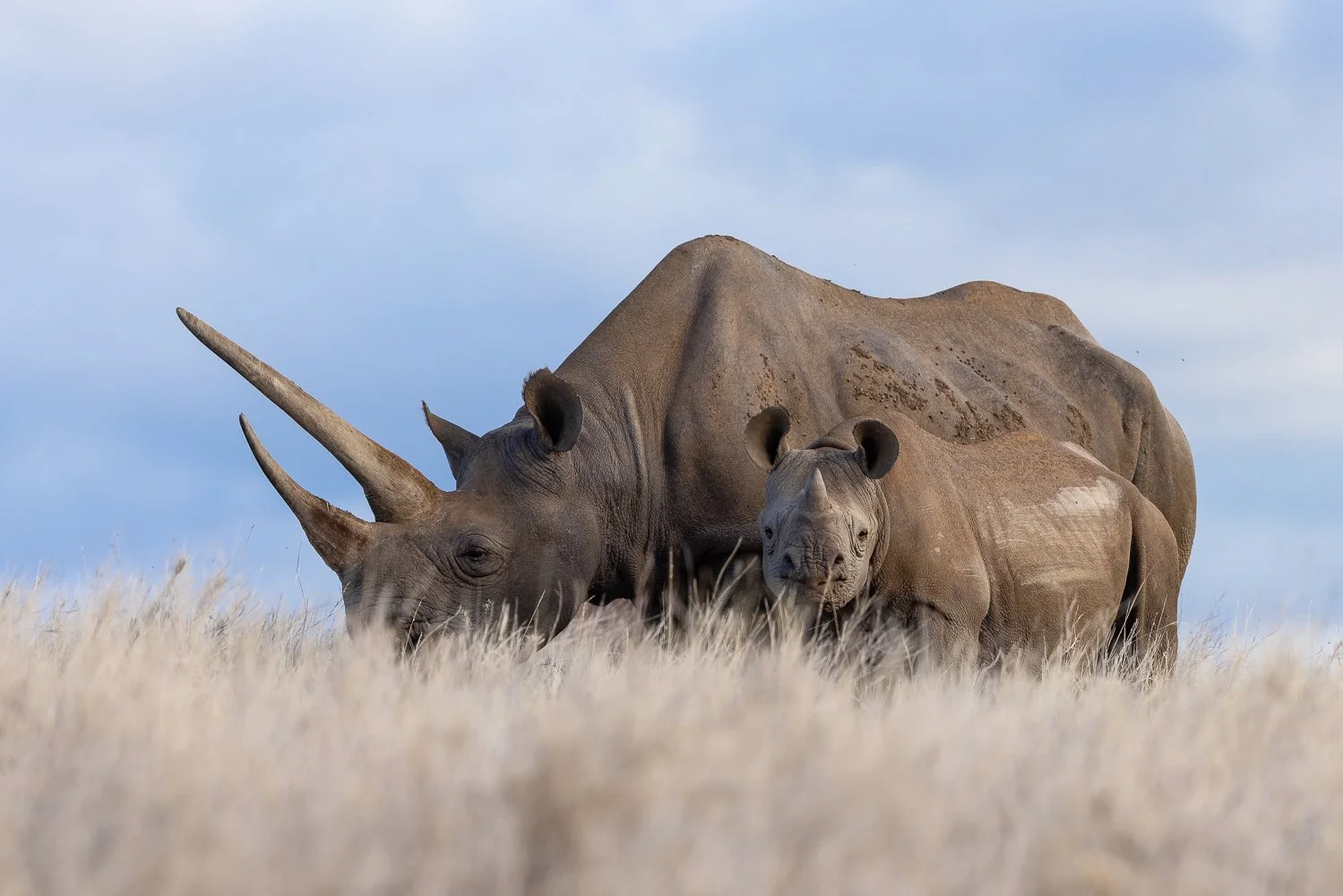
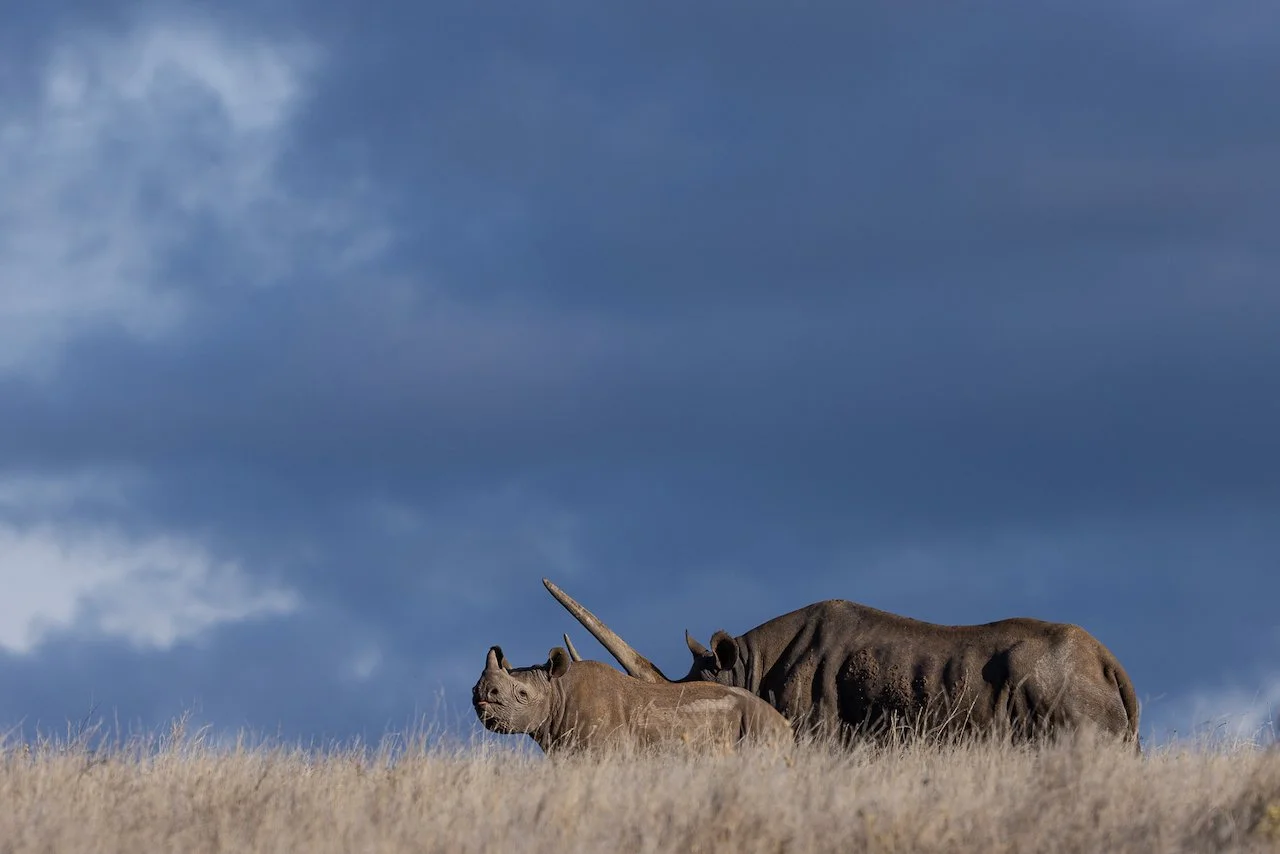
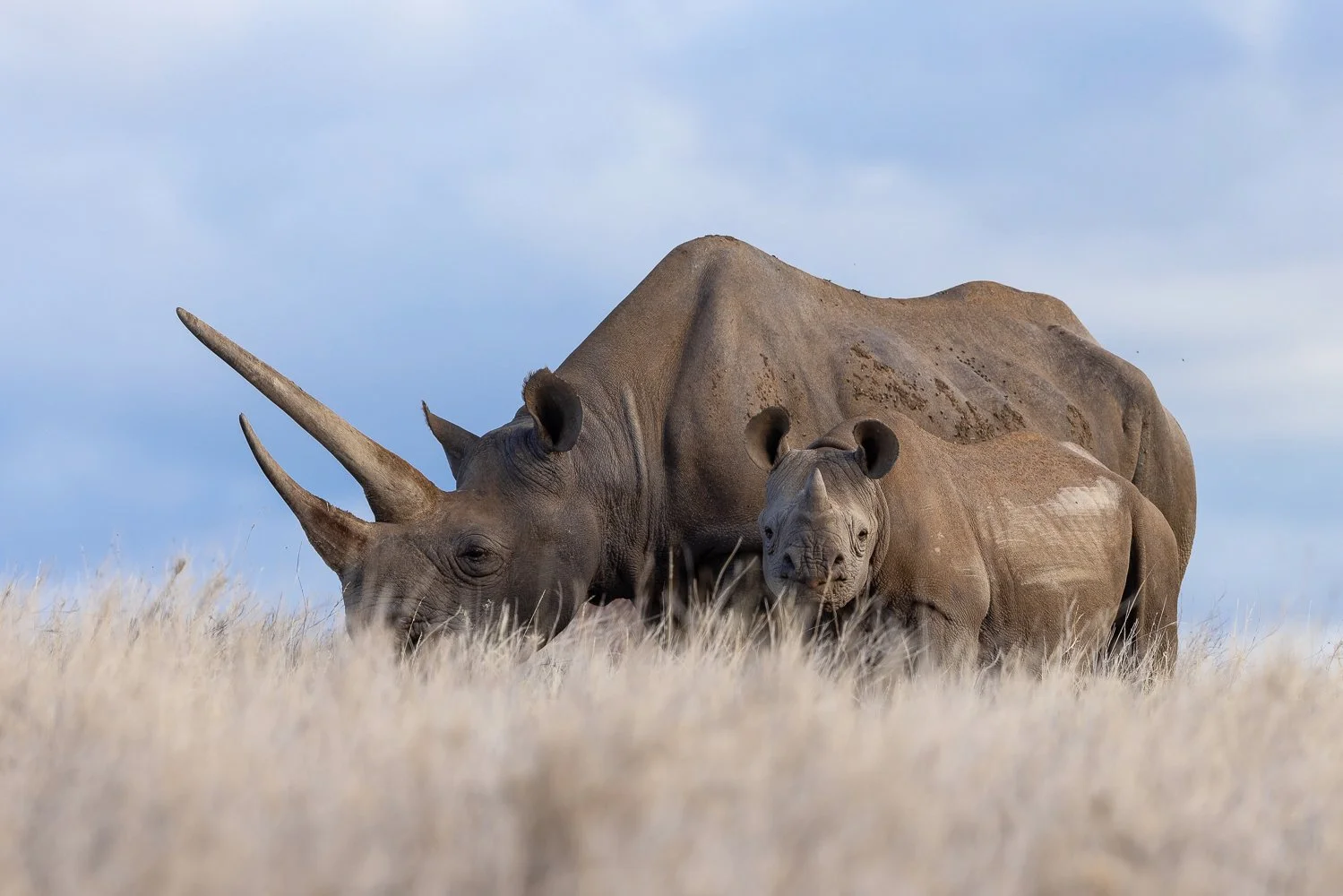
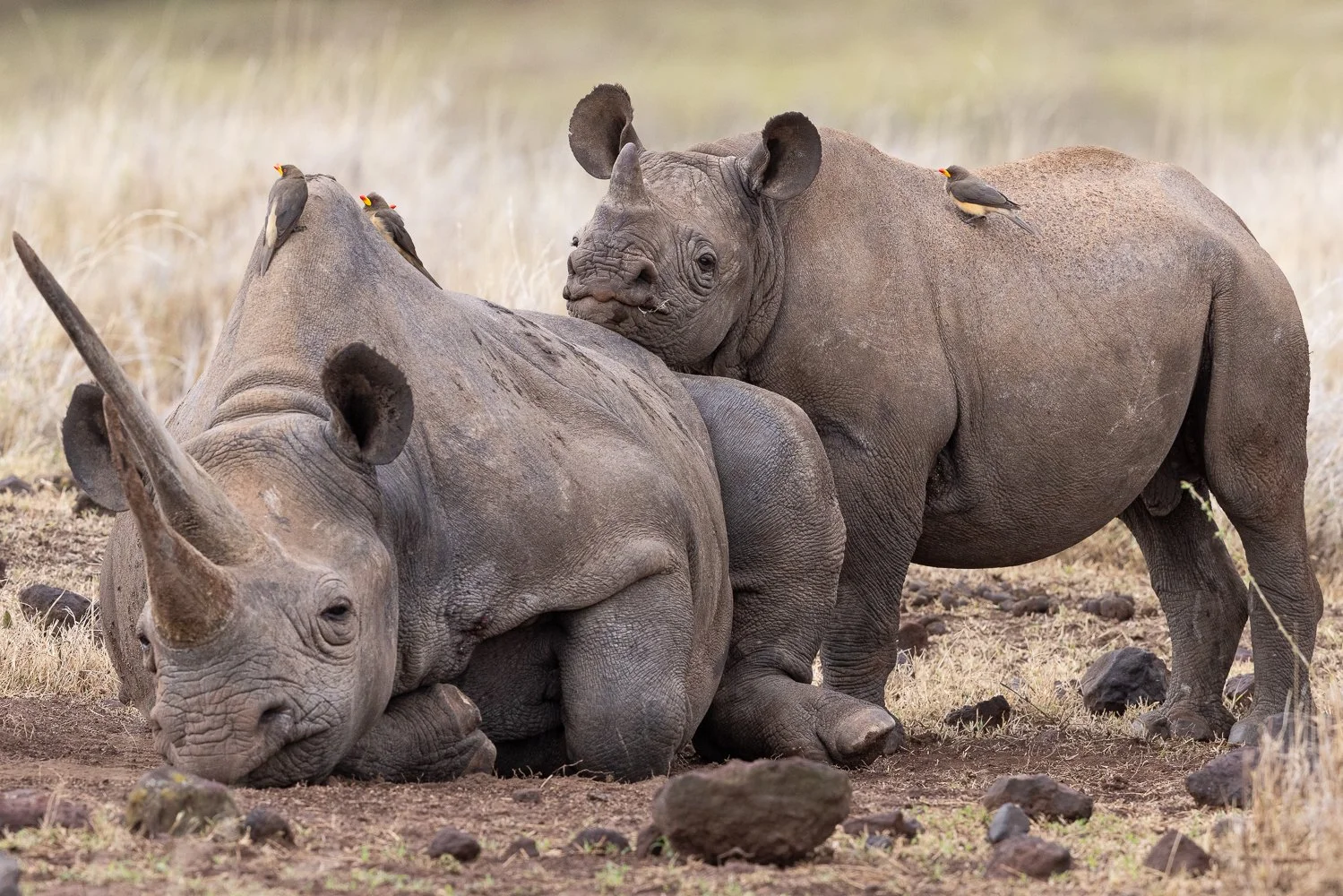
World-famous for its anti-poaching successes and home to the critically endangered black rhino.
What to expect…
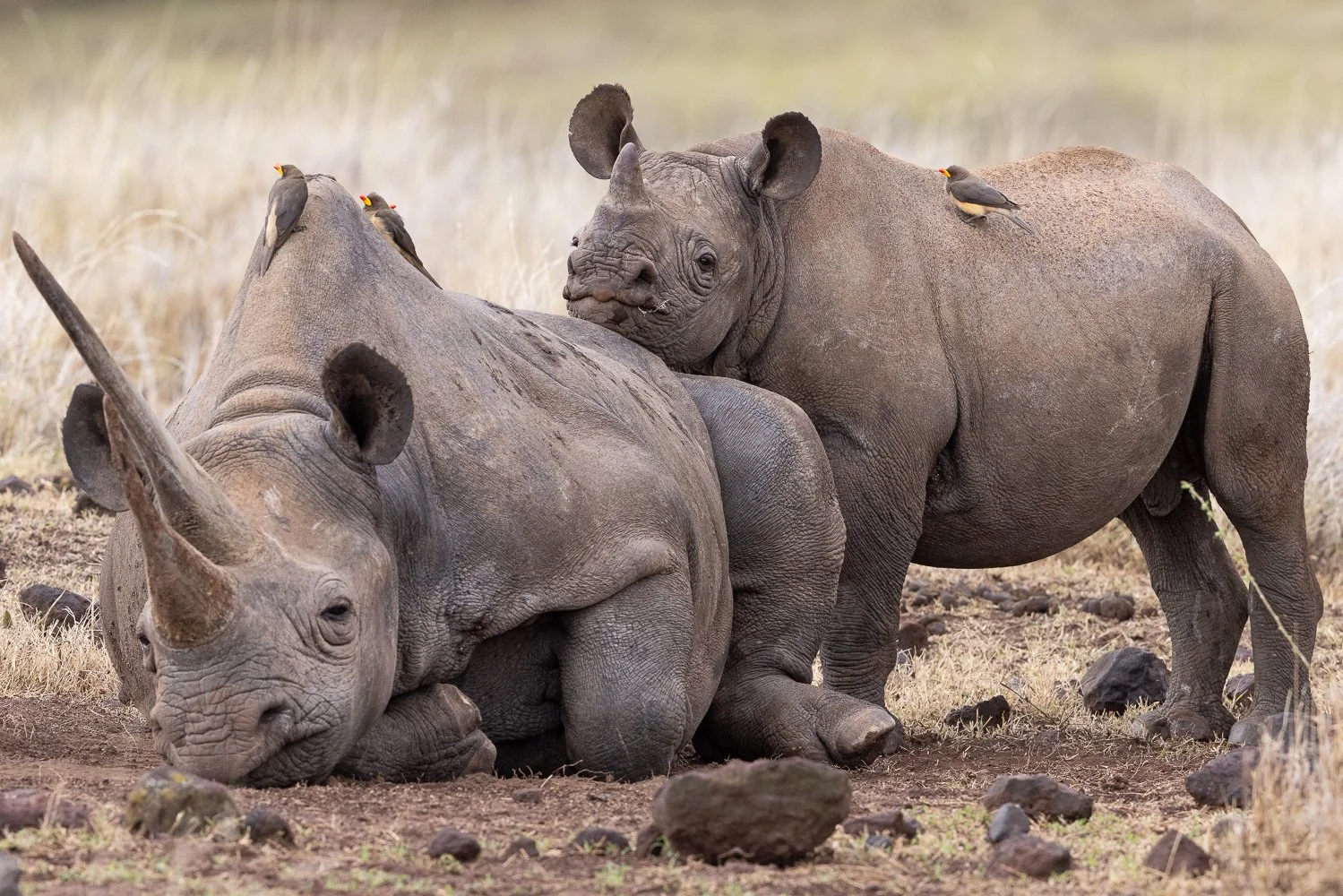
Lewa is one of the oldest community conservancies in Kenya and a UNESCO World Heritage Site since 2013. Famous for its anti-poaching and rhino conservation, this beautiful conservancy on the slopes of Mt Kenya offers the chance to see some of Africa’s most special creatures. High numbers of white and the critically endangered black rhinos living in peace is truly special.
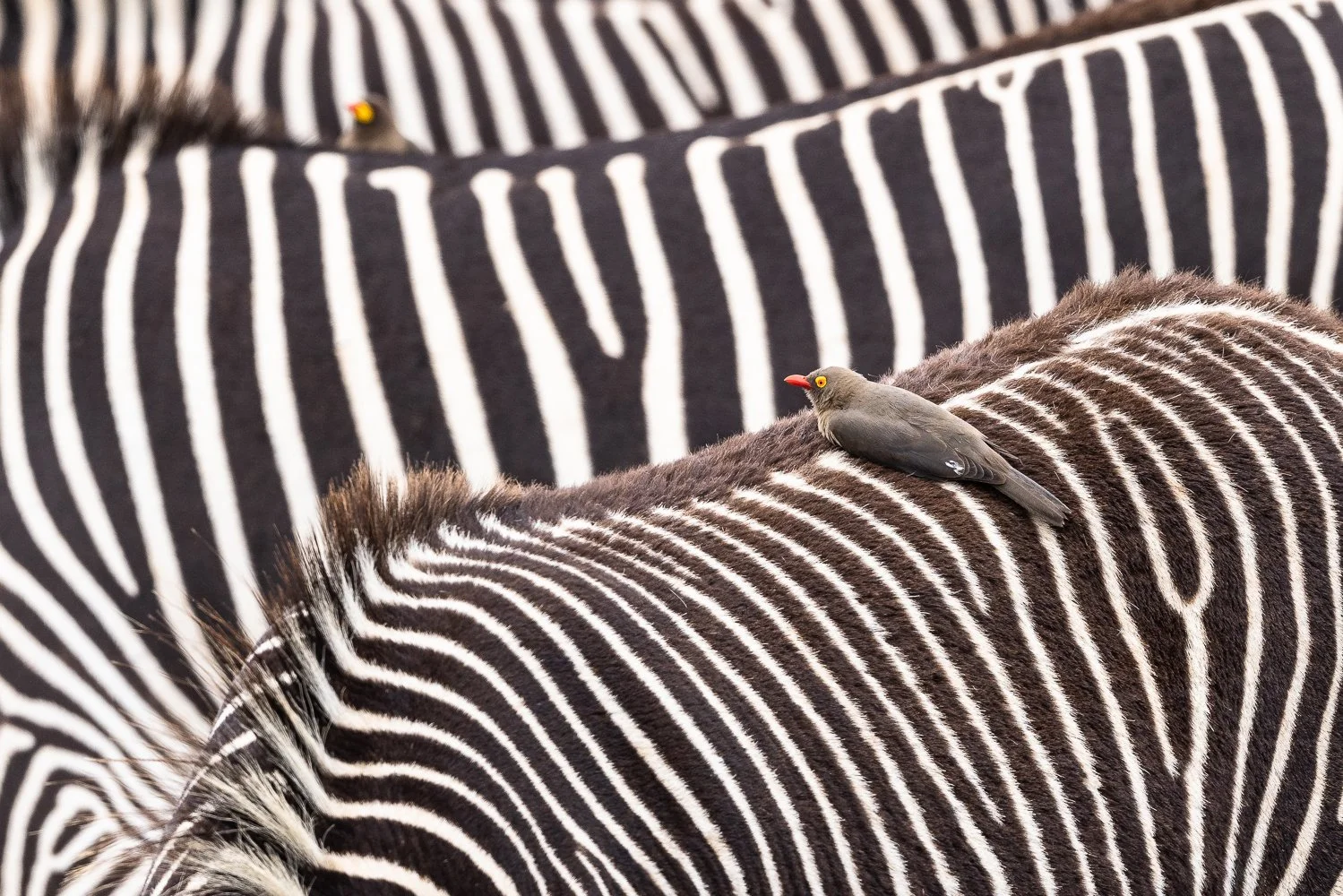
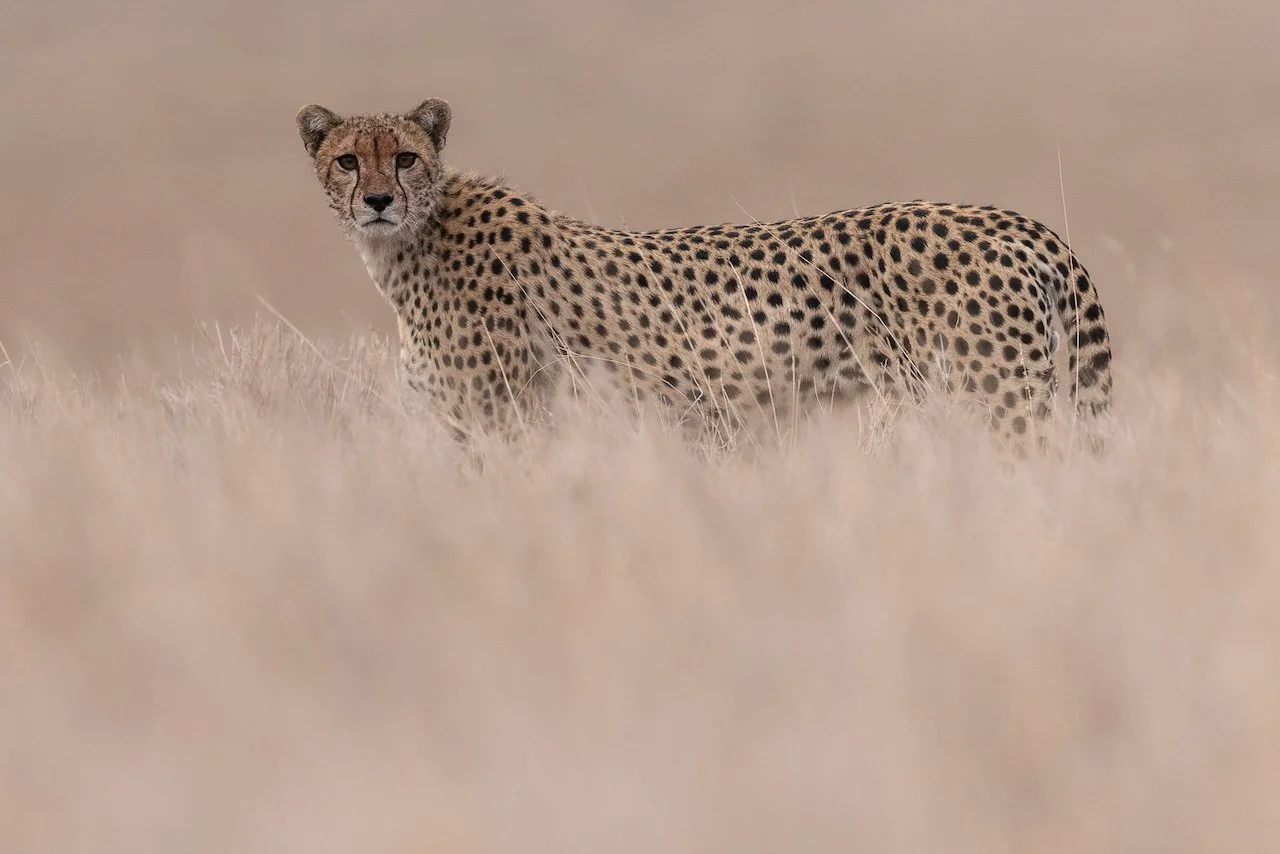
In addition, Lewa has good numbers of the endangered Grevy’s Zebra - a large zebra with thin, narrow stripes and a truly unexpected call (trust me). The conservancy also has good numbers of lions, elephants and giraffes as well as migratory cheetah and occasional wild dogs as well as other iconic wildlife species in Kenya.
When to Visit
Much like elsewhere in Kenya, the rains tend to arrive in April and May making traversing the area difficult if not impossible. Much of the soil is of the black cotton variety so you want to avoid the wetter months where getting stuck is all but certain. Straddling the equator as it is, traditional ‘seasons’ mean very little here and it is at a higher elevation than the Mara (though not so high as Laikipia) and is situated at the base of Mt Kenya making it cooler too.
June through October will be drier and have good game viewing and access but August and September will be busier given the peak tourism season in the Mara and have high-season rates. November and December are excellent (although Christmas time can be busier) as are January through February.
March can also be fantastic but there is a chance that the rains come early so better to go earlier in the month to mitigate this.
JAN
Excellent
FEB
Excellent
MAR
Very Good
APRIL
Mixed
MAY
Mixed
JUN
Good
JUL
Mixed
AUG
Mixed
SEPT
Mixed
OCT
Good
NOV
Excellent
DEC
Very Good
Your Questions, Answered
These are some of the most common questions I get asked about going on safari in the Lewa conservancy.
On safari in Lewa
-
Lewa is included in the Mount Kenya World Heritage site as an important corridor linking vital habitats for elephant movements to and from Mt Kenya. It also plays host to a significant population of the endangered black rhinos and is world famous for tackling rhino poaching through its pioneering efforts at conservation.
-
A Grevy’s zebra is one of three zebra species (the Plains, Mountain and Grevy’s). It is larger than the ‘normal’ Plains zebra with very thin black and white stripes, and more rounded ears and a very distinct call which is markedly different from the plains zebras. There are only about 2000 Grevy’s zebras left in the wild due to habitat loss, human settlements and fencing cutting off water sources and leading to competition for vegetation between them and livestock, and, of course, hunting and poaching for their unique skins.
-
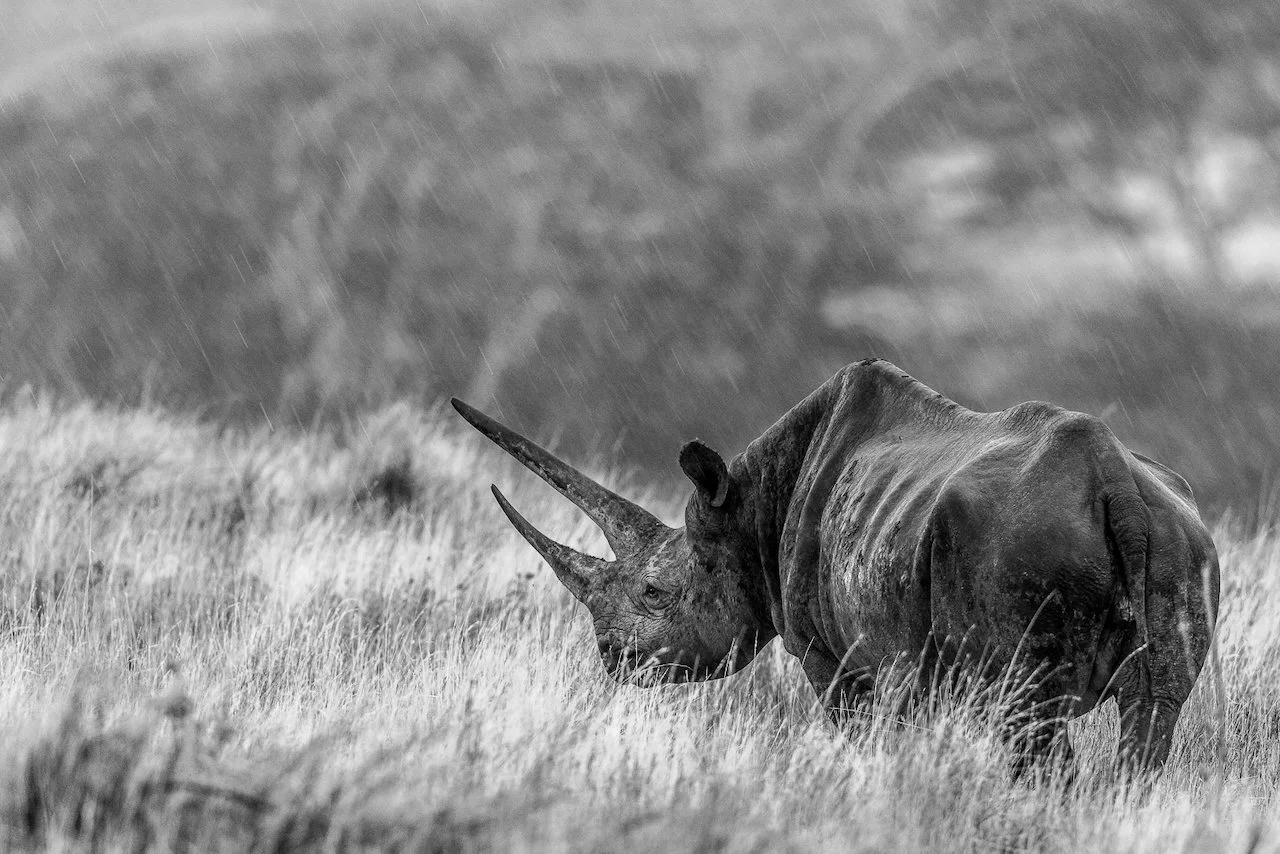
Lewa is excellent for rhino photography with a very healthy population of both black and white rhinos - often with incredible horns that simply aren’t seen anymore outside of Kenya (Laikipia and Lewa). With Mt Kenya as the backdrop and the yellow, rolling, grasslands, the rhino photography here can be extraordinary.
-
It is well worth combining Lewa and the Maasai Mara. There are no Grevy’s zebras in the Mara and it is quite unlikely that you will see any rhinos, so if you want to see them then Lewa is a great area for them.
I wouldn’t necessarily combine both Lewa and Laikipia together however as there is quite a lot of similar opportunities between the two (unless you’re going to Laikipia specifically for Giza the black leopard) and therefore one or the other in combination with the Mara would be better if it were me.
Photographing in Lewa
-
As is often the case, I like covering a 100-500mm range whether through a 400+ prime and a 70-200 or 100-300, as well as having a wide-angle on me for stormy skies or large environmental shots. You do often want to put the large rhinos in the even larger landscape so being able to pull back a bit is crucial rather than being limited by always being too tight in.
-
Lewa is a private conservancy so you can be out before sunrise and after sunset.
-
Off-road driving for sightings is permitted, unless it has been raining then all off-road driving is prohibited to protect the soil (you will also get stuck if you try).