South Africa
As a country it is stunningly beautiful. As a wildlife destination it has everything. From the world-famous and leopard-rich Sabi Sands adjoining the Kruger National Park to the remote, vast, rolling dunes of the Kalahari Desert, South Africa is never ordinary. Easy to get to. Harder to forget.
Simple luxury.
South Africa is without doubt the easiest safari destination to visit in Africa. It has all the wildlife, incredible scenery, amazing people and some of the best food and wine in the world.
The transport links and ease of access from Europe, America and the Middle East with direct flights into Johannesburg and Cape Town mean that getting to and from the country is a breeze. Family travel? Perfect. Want to combine safari with relaxing on the beach and sipping cocktails as the hot sun seats over azure (though be warned, cold) water? Simple. A summer Christmas and the Big Five? No problem. It really is that easy.
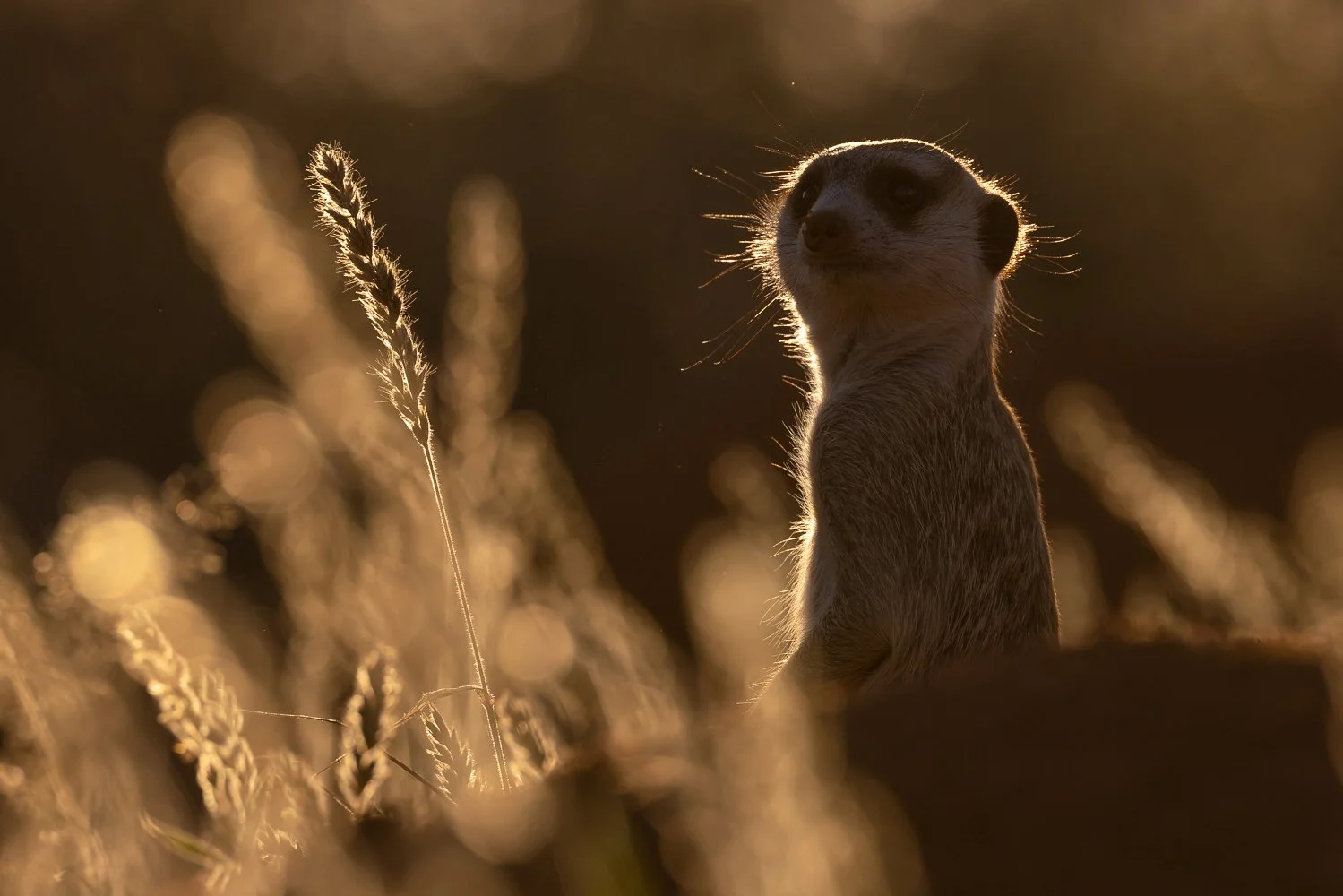
It helps that the country itself is stunningly beautiful and the wildlife plentiful. The Sabi Sands adjoining the Kruger National Park is world-famous for its leopards and other African wildlife icons (as well as the rarer creatures). Experience the dry bounty of the southern Kalahari Desert (the “Green Kalahari”) where meerkats, black rhinos and the ludicrously rare pangolin make their homes.
Few people ever travel to South Africa without leaving a piece of themselves behind, longing to return and jealous of those that live there.

When to Visit South Africa
As with elsewhere in Southern Africa, the rainy season really dictates best times to travel for wildlife. And these are often less predictable than in the tropics. For most of the country, the rainy season is in the summer months from December through March. During this time the thunderstorms build up during the heat of the day and release their rain in the afternoons. The grasses begin to grow and wildlife is more spread out due to the amount of freely available water sources making wildlife viewing challenging. From April and May the dry season begins. There is still plenty of water but the grasses begin to shrink in height making viewing easier. June through September is peak wildlife viewing season as the short grass and limited water sources make photography and spotting and viewing wildlife easier. It can be bitterly cold though in the early mornings and evenings to layering up is important though daytime temperatures will be pleasant - but don’t expect to swim in lodge pools! October and November bring the heat again but without the release of rain in the afternoons. Wildlife viewing is still very good as animals congregate around limited water sources. For those wishing to couple a wildlife trip with the incredible food and scenery of Cape Town and Table Mountain, a visit in the shoulder seasons of March to May, and October through December is recommended as the Cape has a different, more European, weather pattern to the rest of the country with winter rains. But if cities and great food and wine are your thing or something you enjoy after a safari then Cape Town is well worth a visit. As well as for those with an adventurous, outdoor, spirit.
JAN
Mixed
FEB
Mixed
MAR
Mixed
APRIL
Good
MAY
Good
JUN
Very Good
JUL
Excellent
AUG
Excellent
SEPT
Excellent
OCT
Very Good
NOV
Very Good
DEC
Good
Top Destinations
-
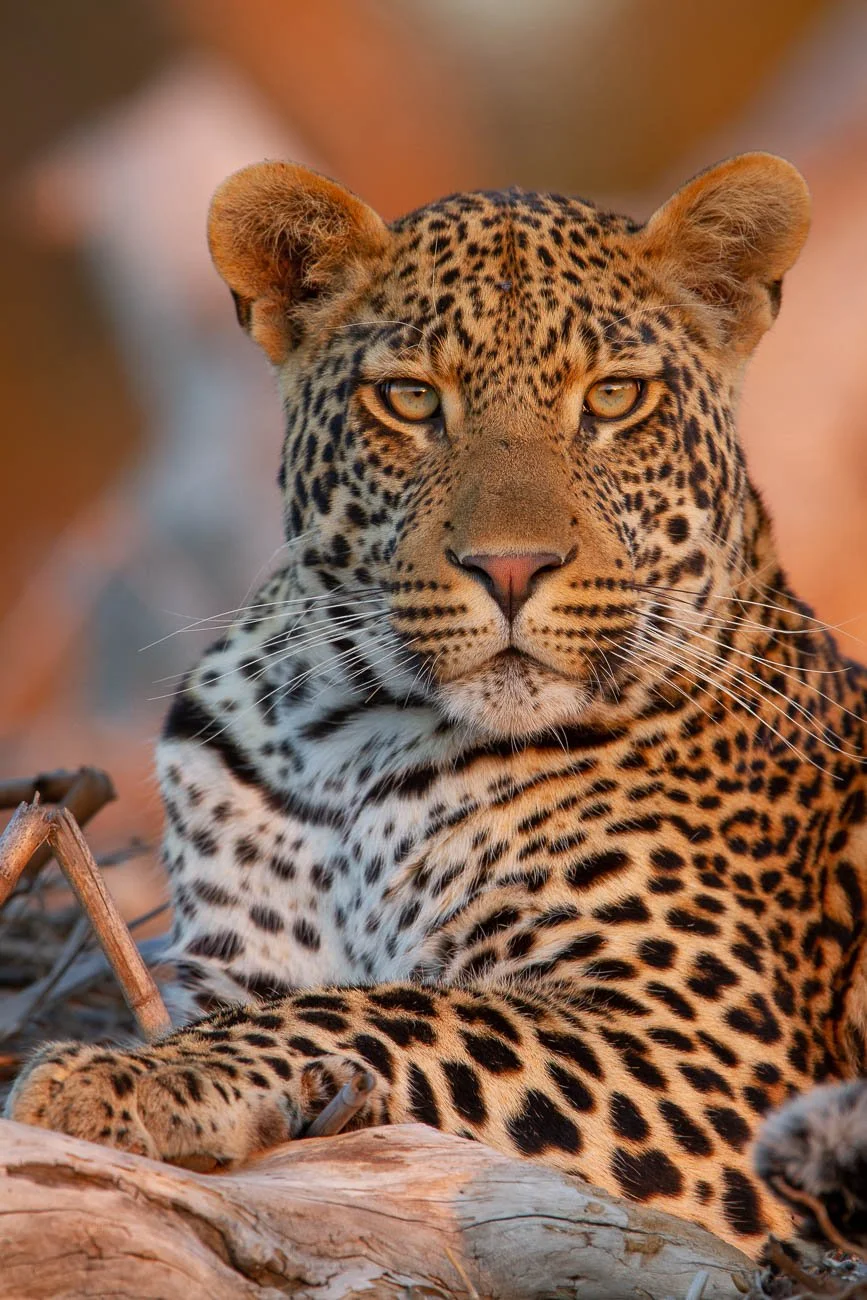
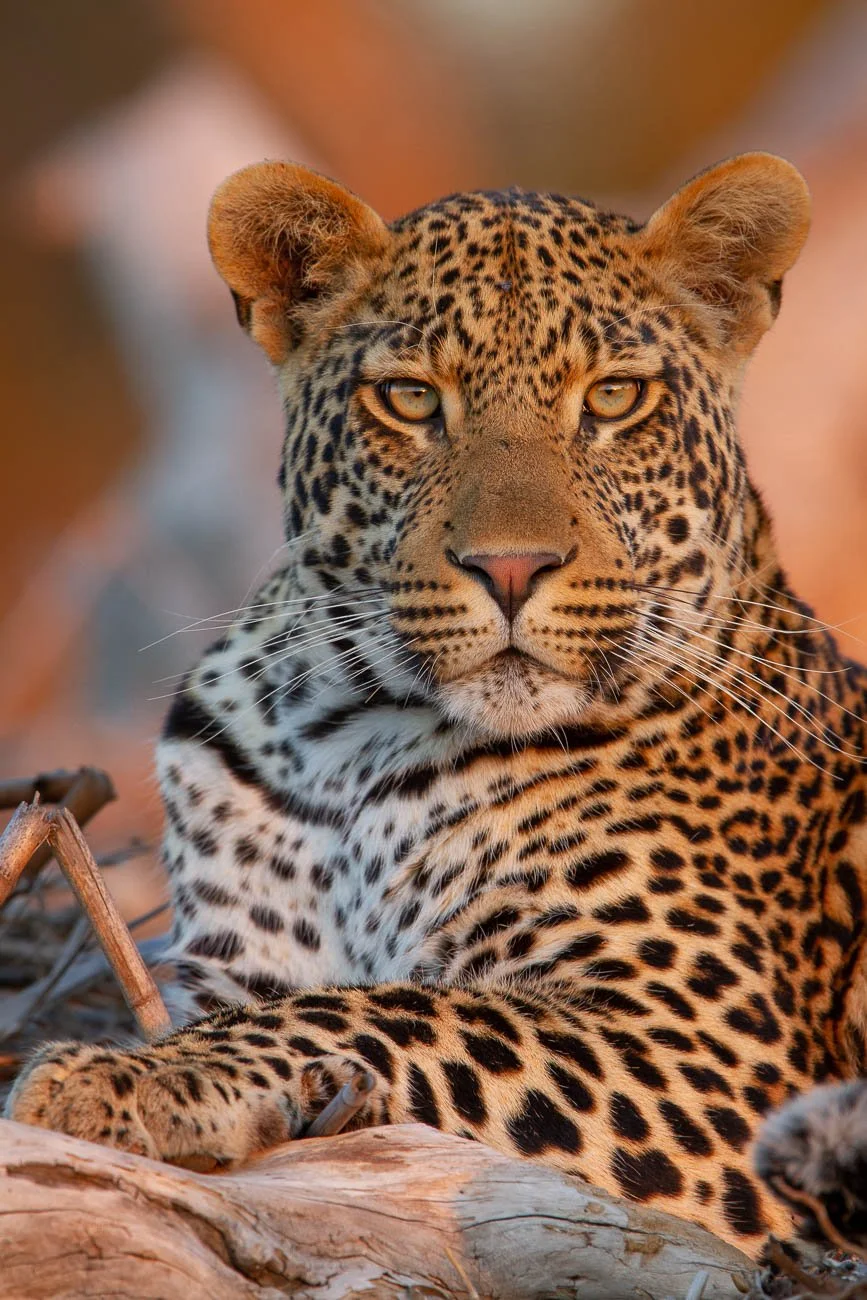
![A young male leopard in golden light in the Sabi Sands.]()
Sabi Sands
Arguably the best place in Africa to see and photograph leopards. The birthplace of luxury safaris, this former farmland, re-wilded over generations and adjoining the world famous Kruger National Park is a South African special. A new wilderness, full of powerful experiences.
-
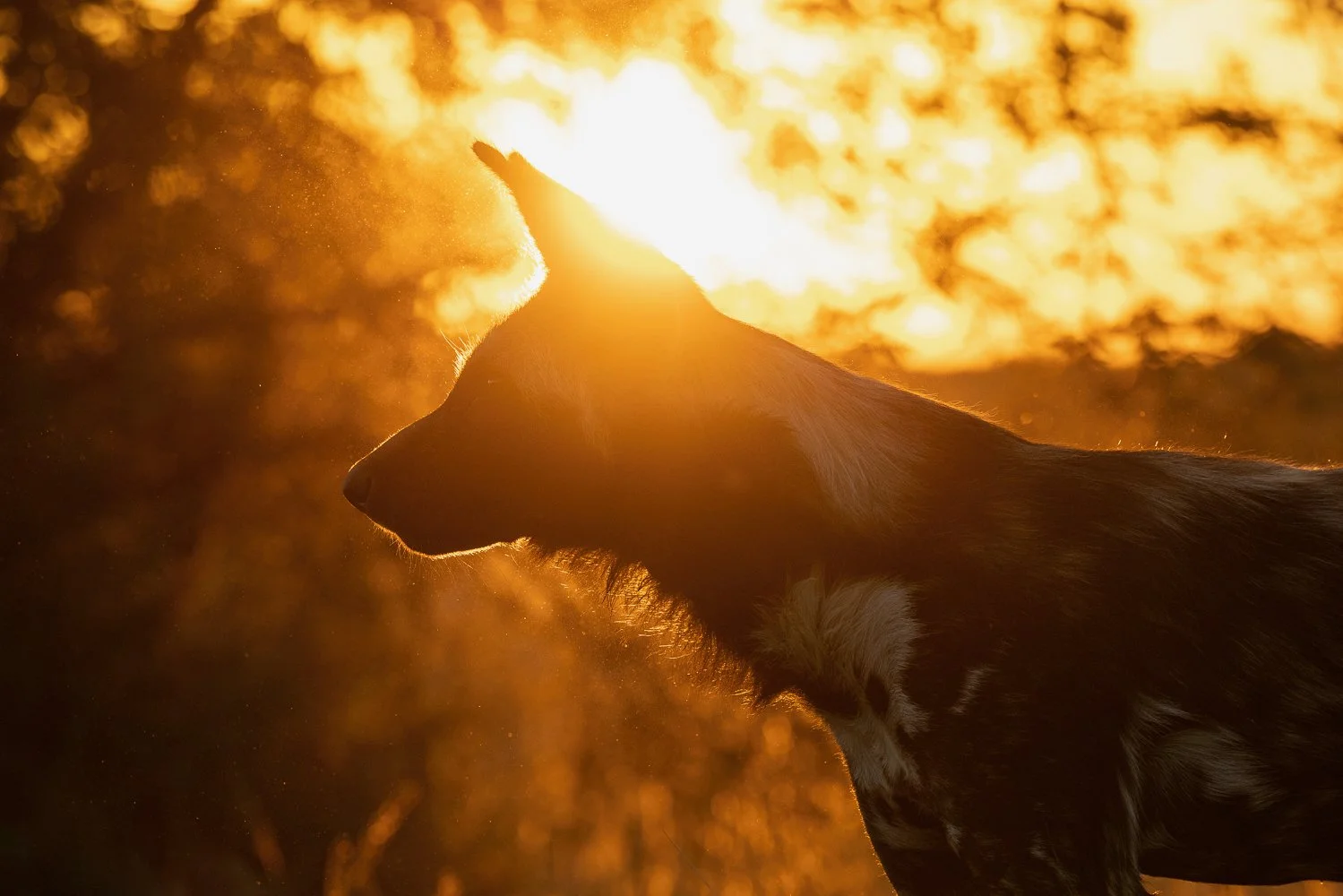
![An African Wild Dog with the evening golden sun in the Kalahari.]()
Kalahari Desert
Utterly unique and mesmerising in its raw beauty, the Kalahari Desert is an area for the adventurer, the explorer and those looking for an experience on the road less travelled.
-
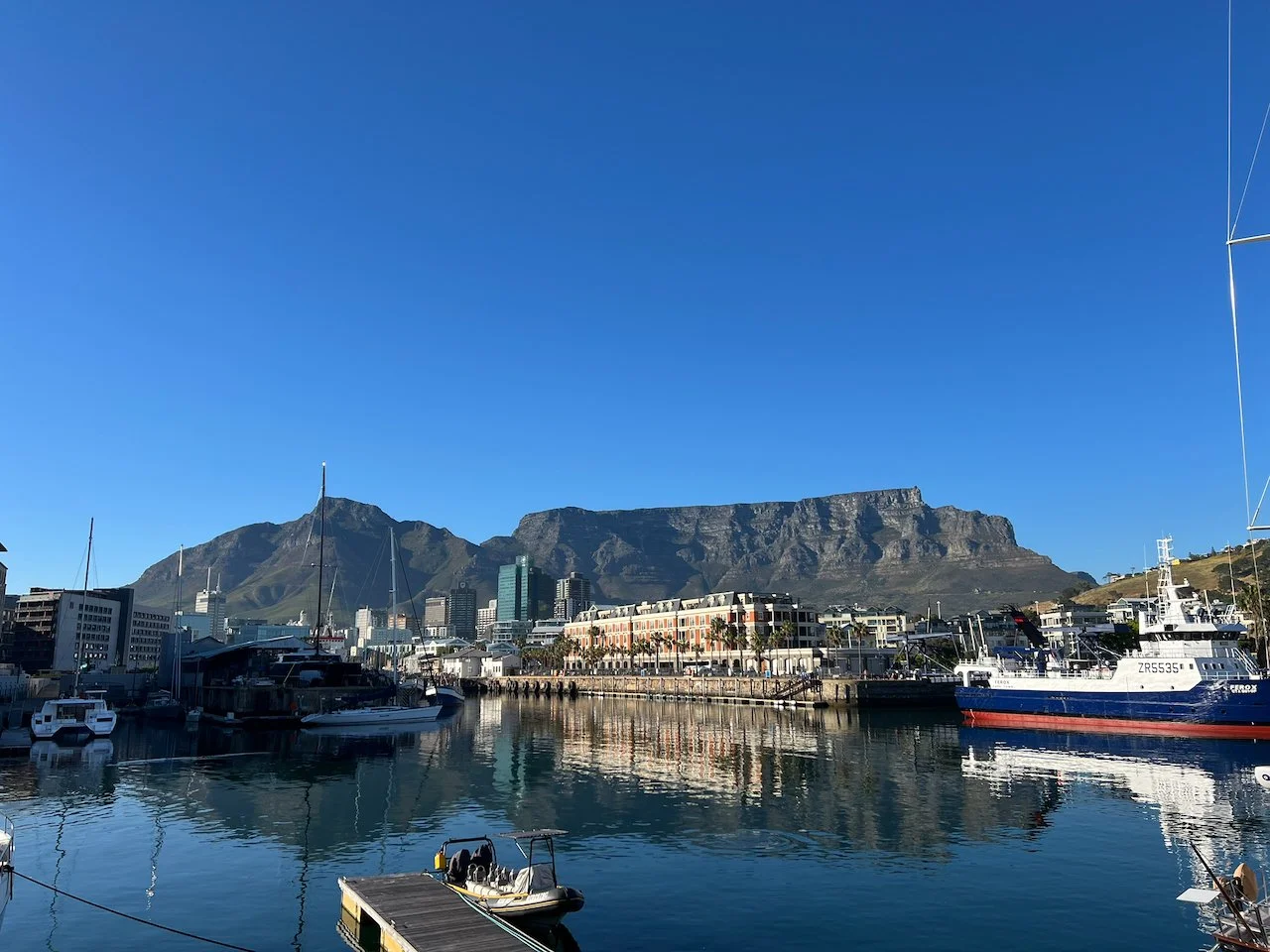
![Cape Town view to Table Mountain from the V&A Waterfront]()
Cape Town
Nowhere else will you find me recommending a city. But Cape Town is worth it I promise.
Overlooked by Table Mountain, one of the 7 Natural Wonders of the World, and incredibly beautiful, Cape Town has it all. Hiking, adventuring, azure beaches and some of the best food and wine in the world.