
Sabi Sands
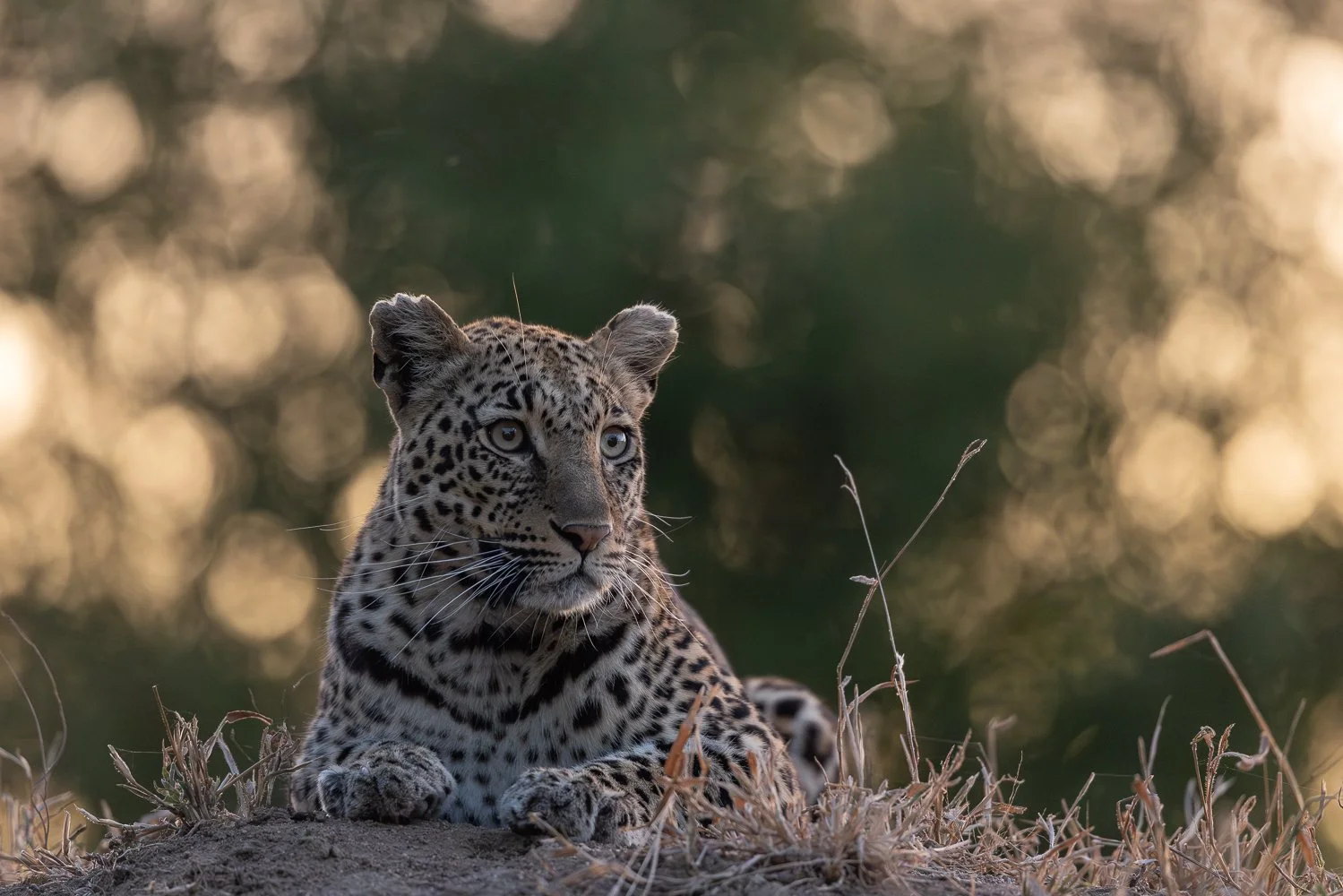
Arguably the best place in Africa to see and photograph leopards. The birthplace of luxury safaris, this former farmland, re-wilded over generations and adjoining the world famous Kruger National Park is a South African special. A new wilderness, full of powerful experiences.
What to expect…
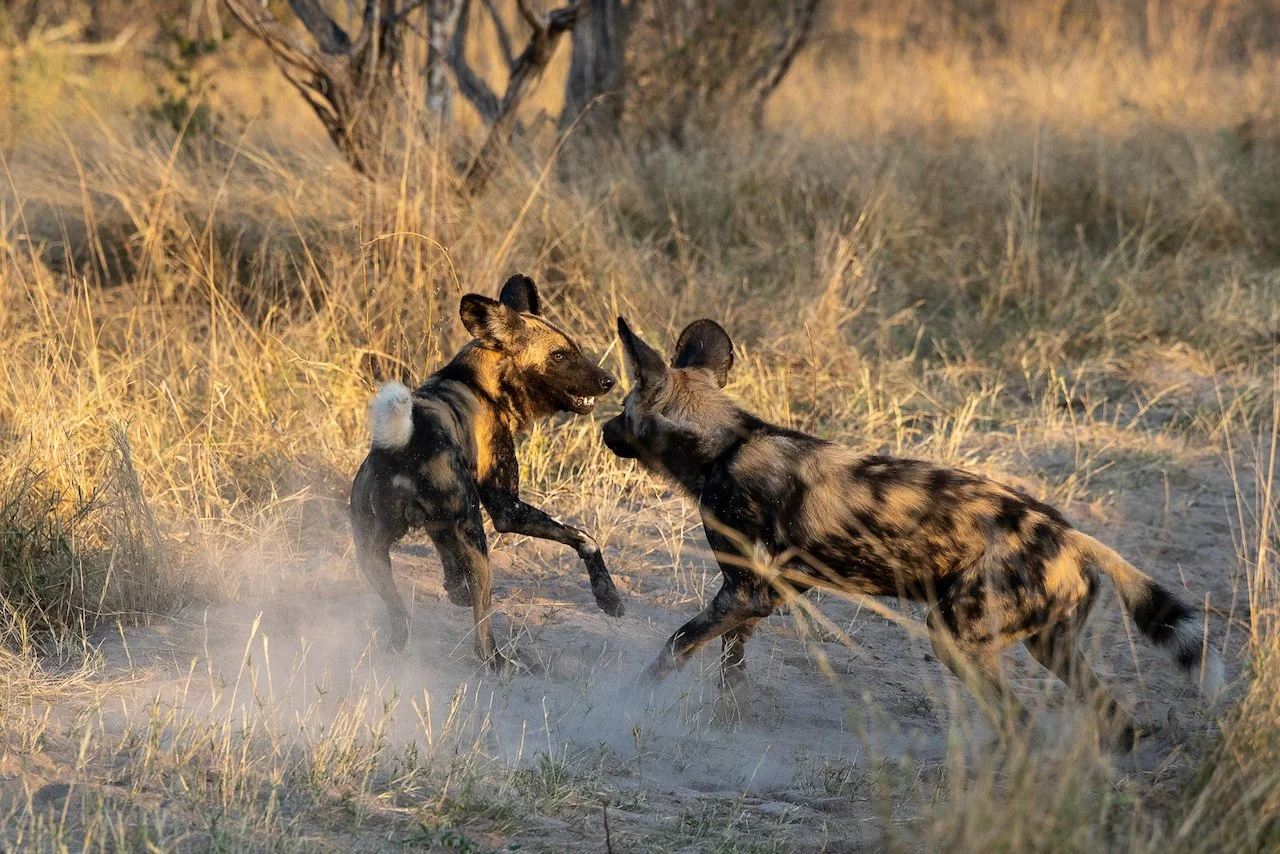
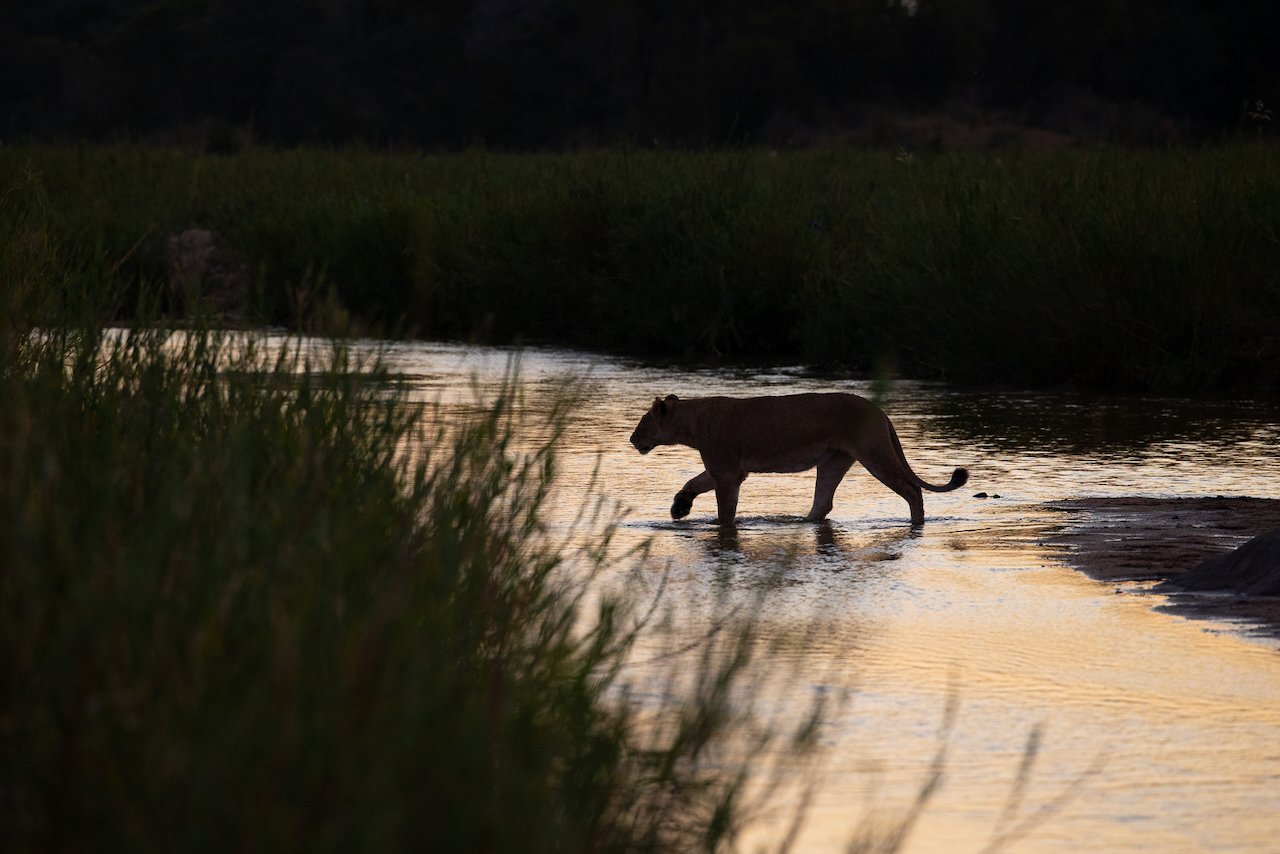
Leopards. It’s not often one can ever say you can expect to see leopards, but in the Sabi Sands it really is one of your best chances - though, of course, never guaranteed. Rhinos (shhhh), lions, elephants and wild dogs also frequent the ‘Sands’ in good numbers but do not expect to see wildebeest. They’re around but infrequent.
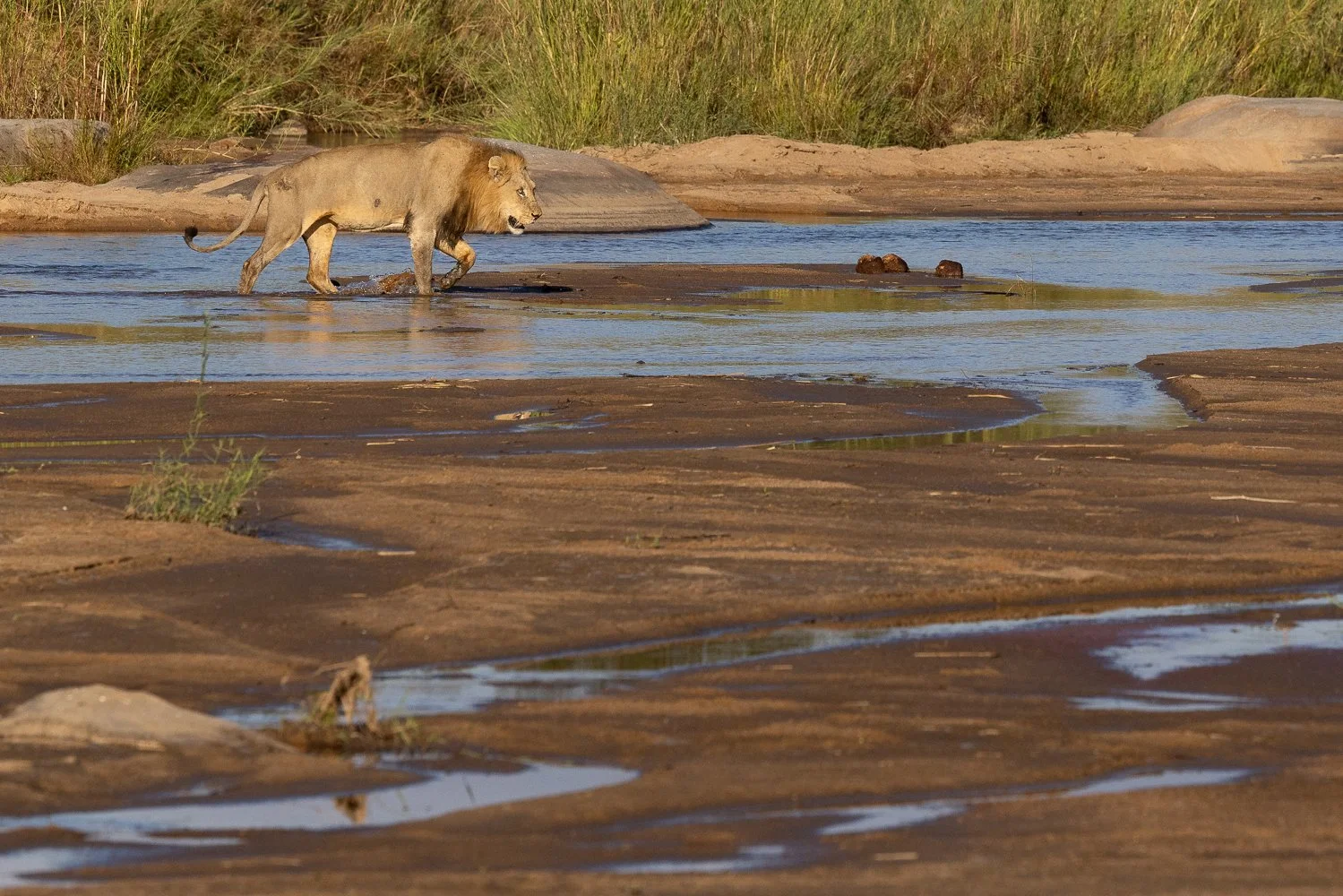
The Sands are also, arguably, the home of luxury safaris and most camps operate at a very high-end level. Game drives are shorter than in East Africa, typically around 3 hours due to either the heat of the day (in summer) or the cool of the evenings (in winter) but the wildlife viewing is exceptional. Photographically, it might not be as prolific as East Africa due to the generally thicker bush. Known as ‘bush veld’ in South Africa, the landscape is predominantly boulders around the main rivers with often steep banks and thick bush either side of the tracks that dies down in the winter (dry) months. Dry river beds that act as seasonal tributaries to the main Sabi and Sand rivers provide excellent hunting grounds for leopards and the plentiful tree cover makes stashing successful kills easy.
Open to the publicly accessible Kruger National Park, wildlife can move freely around but the Sabi Sands Reserve is private and exclusive.
When to Visit
As with elsewhere in Southern Africa, the rainy season really dictates best times to travel. And these are often less predictable than in the tropics. The rainy season is in the summer months from December through March. During this time the thunderstorms build up during the heat of the day and release their rain in the afternoons. The grasses begin to grow and wildlife is more spread out due to the amount of freely available water sources making wildlife viewing challenging. From April and May the dry season begins. There is still plenty of water but the grasses begin to shrink in height making viewing easier. June through September is peak wildlife viewing season as the short grass and limited water sources make photography and spotting and viewing wildlife easier. It can be bitterly cold though in the early mornings and evenings to layering up is important though daytime temperatures will be pleasant - but don’t expect to swim in lodge pools! October and November bring the heat again but without the release of rain in the afternoons. Wildlife viewing is still very good as animals congregate around limited water sources.
JAN
Mixed
FEB
Mixed
MAR
Mixed
APRIL
Good
MAY
Good
JUN
Excellent
JUL
Excellent
AUG
Excellent
SEPT
Excellent
OCT
Very Good
NOV
Very Good
DEC
Good
Your Questions, Answered
These are some of the most common questions I get asked about going on safari in the Sabi Sands.
On safari in the Sabi Sands
-
No the Sabi Sands is entirely separate from Kruger National Park. The Sabi Sands is a collection of private wildlife areas. There are, however, no barriers between the Sabi Sands and Kruger National Park so wildlife can move freely between the two areas.
-
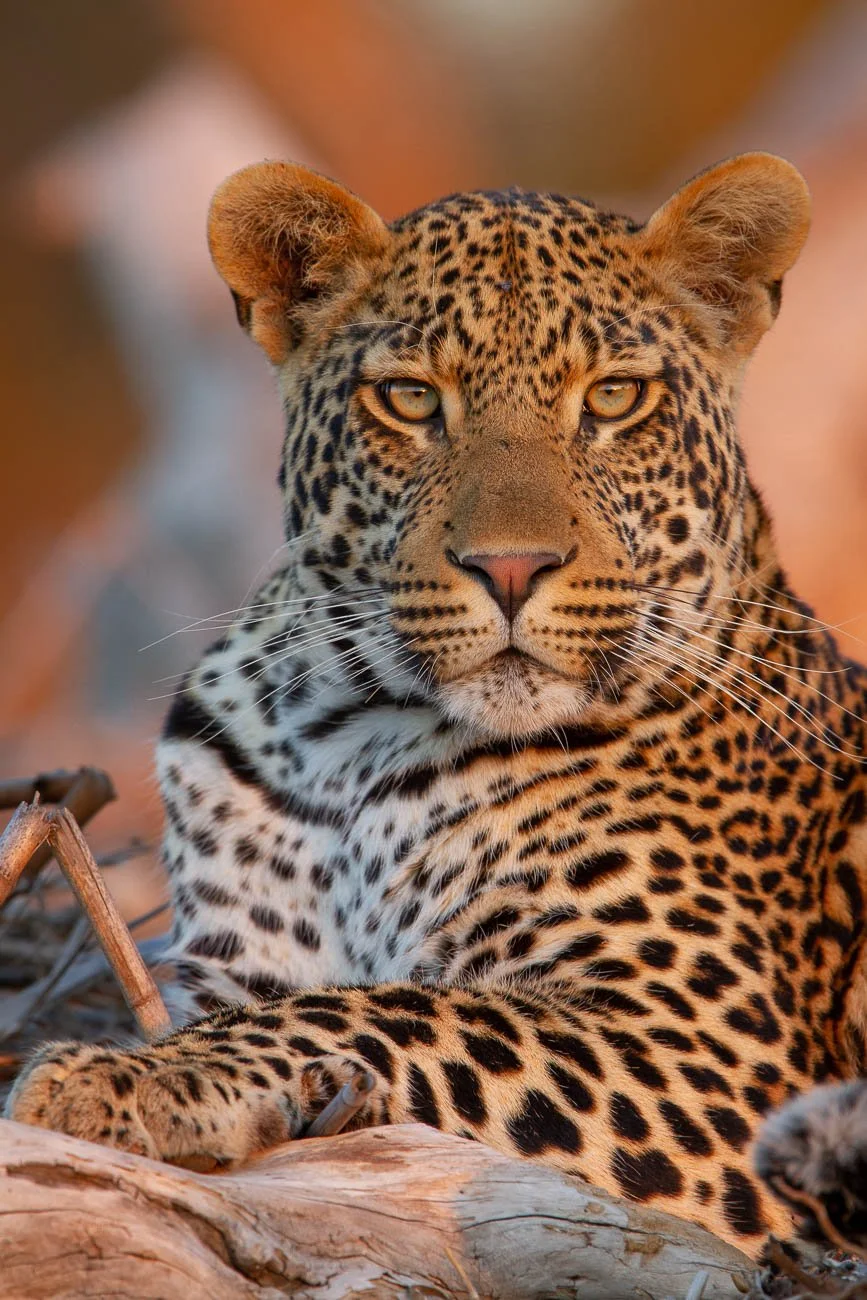
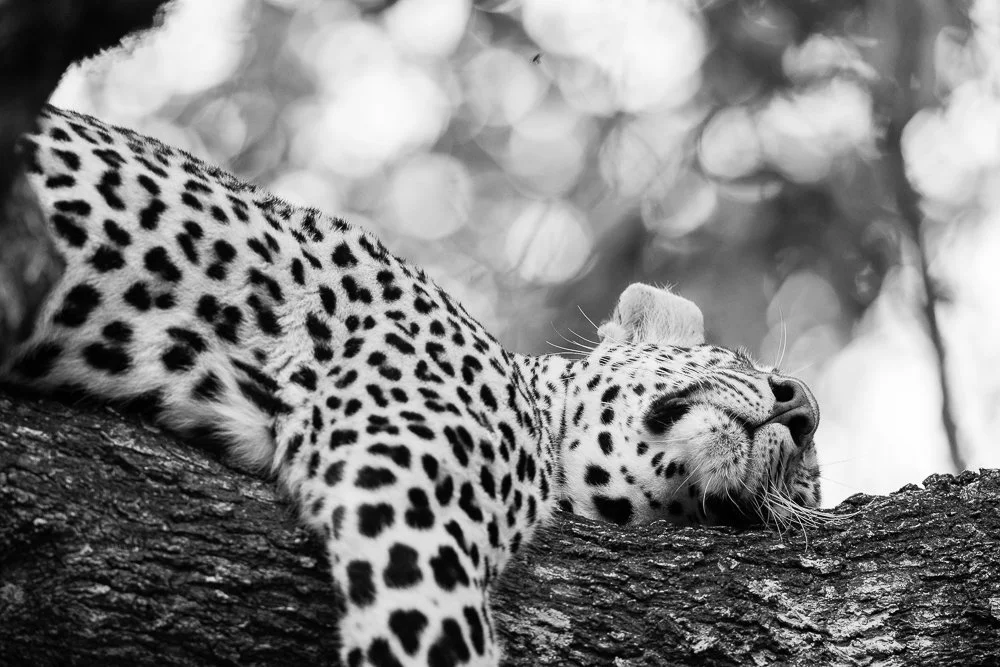
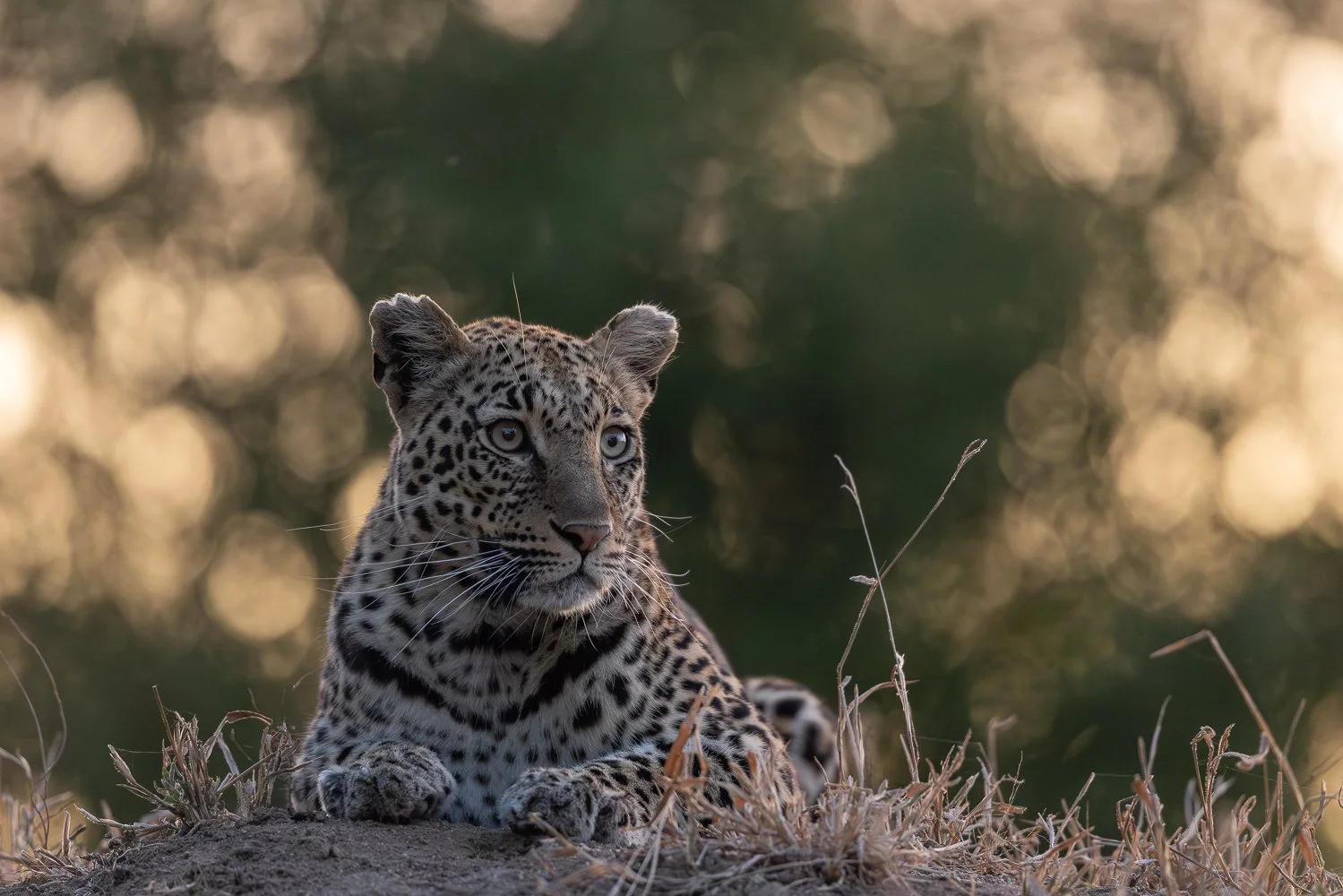
The Sabi Sands is rightfully known as one of the best places in Africa to see leopards. From pioneering efforts in Londolozi and spreading out through the neighbouring former farms that make up this extraordinary leopard area, the Sabi Sands has become the most famous leopard viewing areas in the world. The leopards here are generally very relaxed and comfortable with vehicles whereas leopards elsewhere, in general, are often shy and prefer to stay hidden. It would be wrong to suggest that there are more leopards in the Sands than elsewhere, rather it is than on balance they are more comfortable and habituated to seeing tourists and vehicles.
-
If I were to choose somewhere to go to see a leopard and I only had 3/4 nights, I would choose the Sands. The guides and trackers have an exceptionally good understanding of individual leopard territories and behaviours and with trackers sometimes off the vehicle to track leopards through the bush whilst guides entertain their guests, the chances of finding and seeing a leopard in a short period of time is arguably better than anywhere else. With that being said, however, photographically it can be tricky with often thick bush and the area is arguably less scenic than Mashatu and certainly less so than South Luangwa where the leopard viewing is exceptional if less ‘guaranteed’.
For photography, I prefer the light in Mashatu and the diverse scenes of South Luangwa.
-
The Sabi Sands is exceptional for a first time safari. If you want an enjoyable, easy, safari experience with good chances of seeing ‘everything’ then the Sabi Sands is the place to go. Broadly speaking, the lodges here are very luxurious, the guides entertaining and there are exceptional numbers of visible leopards, and good populations of lions, buffalos, elephants, hyenas, giraffes, zebras, and is one of the few places in South Africa you can reliably see rhino (especially given the patching in Kruger and elsewhere). African Wild Dogs also make the Sands their home but are highly mobile and can cross properties in a flash. You generally won’t find many wildebeest here but they do wander through from Kruger occasionally.
-
The Sabi Sands is accessible all year round though my preference is for the winter months (June-Aug) when it is a little cooler and when the grass and bush has died back a bit making the wildlife viewing and spotting easier and animals congregate more around the remaining water sources.
Photographing in the Sabi Sands
-
I prefer a 300mm focal length in the Sabi Sands. The bush does tend to be quite close and so you will often tend to be much closer to the wildlife with less scope to park further away. So having the ability to pull back and crop in if need be is often better. You can always crop in (especially on modern sensors) but you can never crop out once you’ve taken the photo. A 70-200 or 100-400 would be a good single lens too. And bear in mind that it can get dark so good ISO performance or a faster lens is usually preferable and sometimes for those portraits you want to be able to blur that bushy background nicely.
-
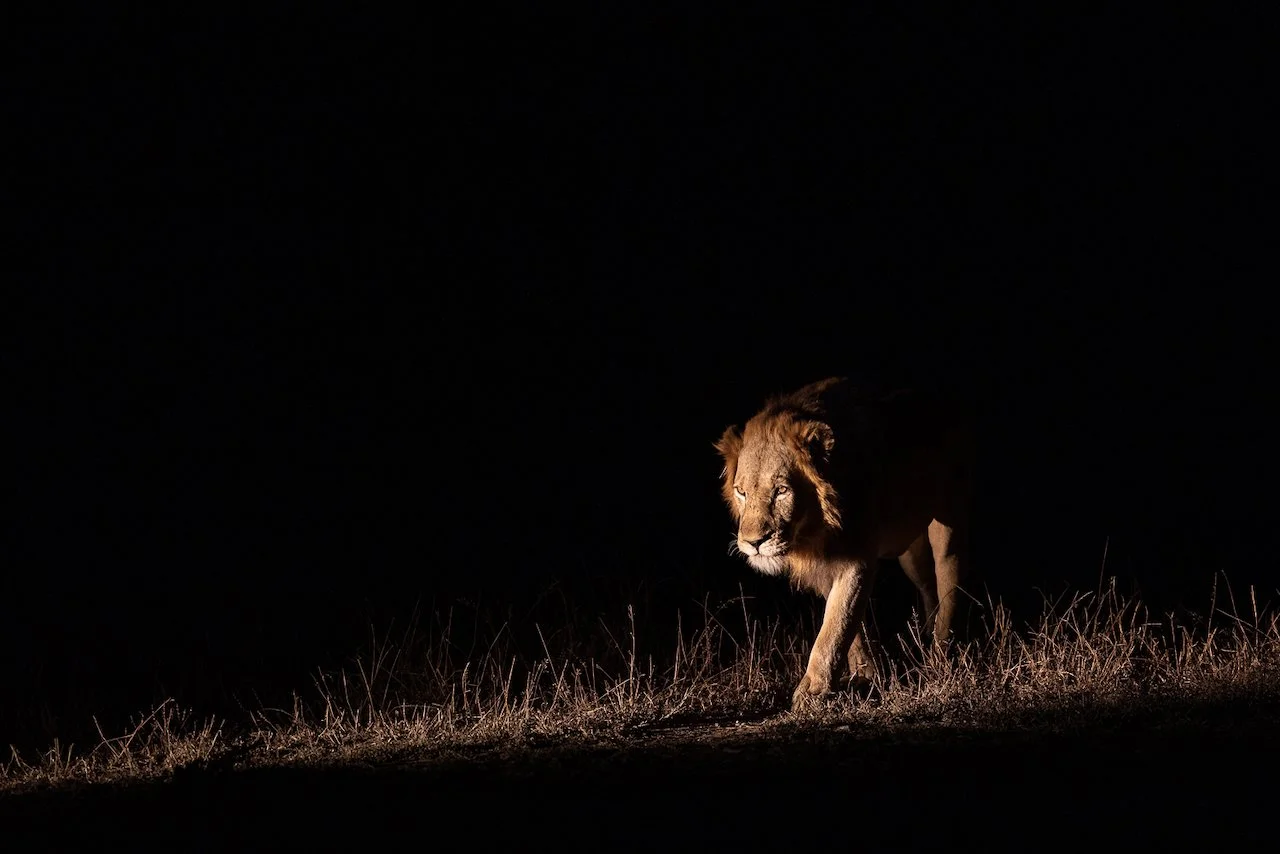
Yes you can. The Sands is all privately held land (individual properties) and guests routinely go out before sunrise and are almost always back in the dark driving under spotlight.
-
Off road driving is permitted when looking for wildlife or tracking. There are some areas where the soil type precludes going off road (especially if it has rained) because either it damages the ground or you will get stuck.