
Kalahari Desert
Utterly unique and mesmerising in its raw beauty, the Kalahari Desert is an area for the adventurer, the explorer and those looking for an experience on the road less travelled.
What to expect…
Rocky mountains and rolling red-sand dunes covered in yellow grasses that thicken up after summer rains and rustle as black-maned lions stride purposefully through it.
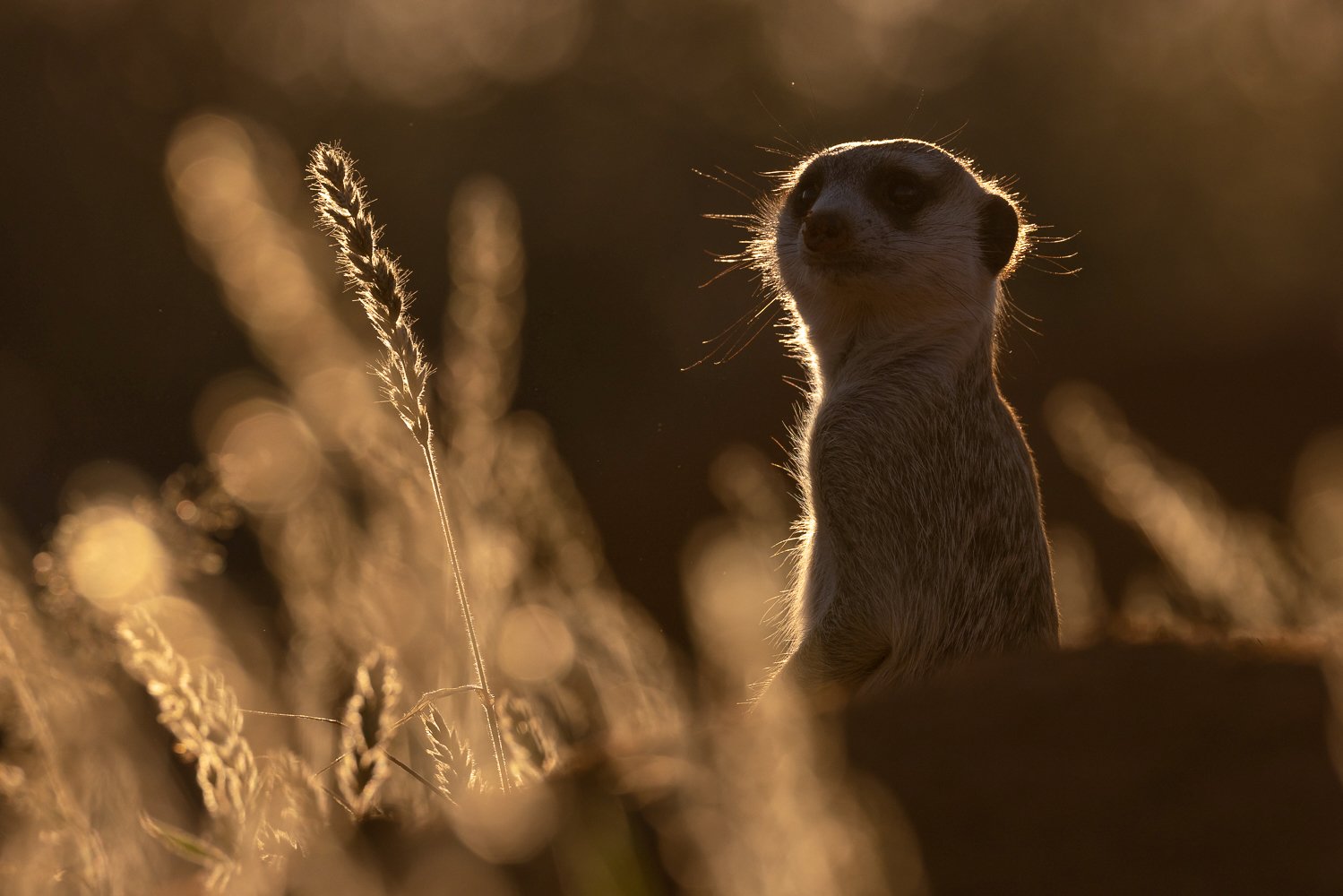
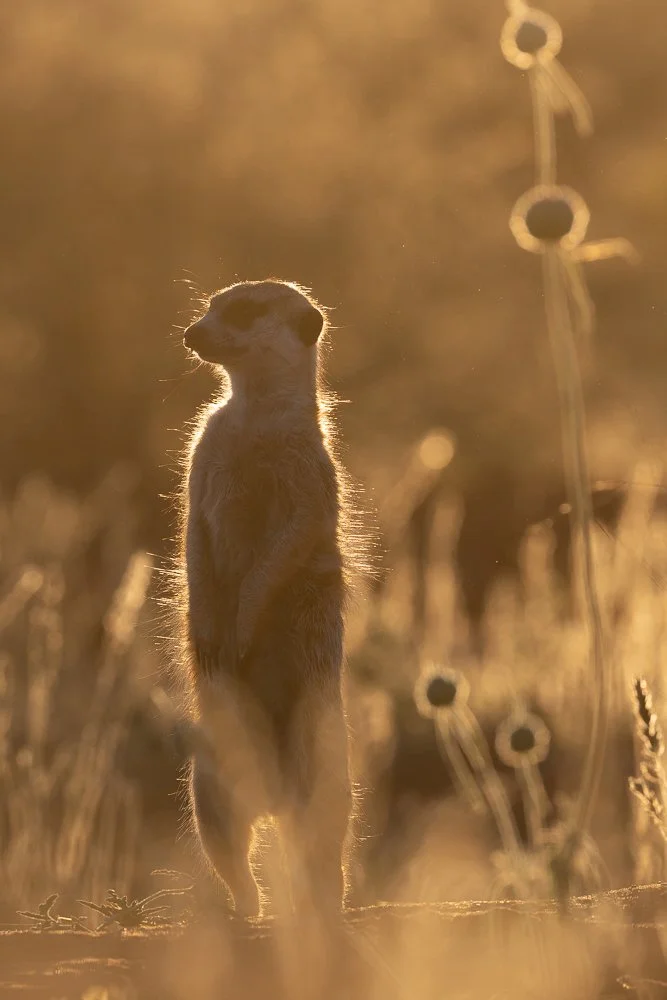
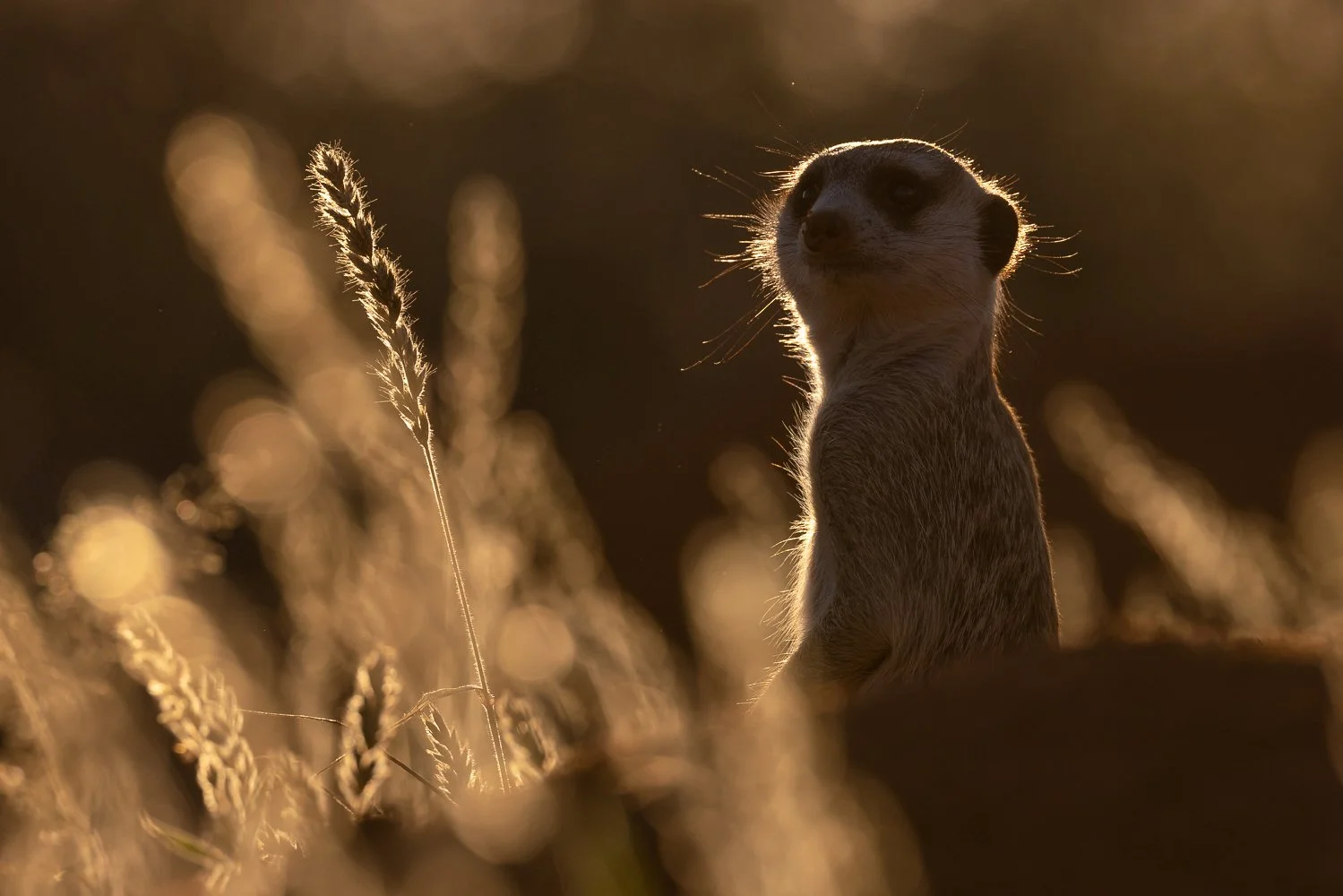
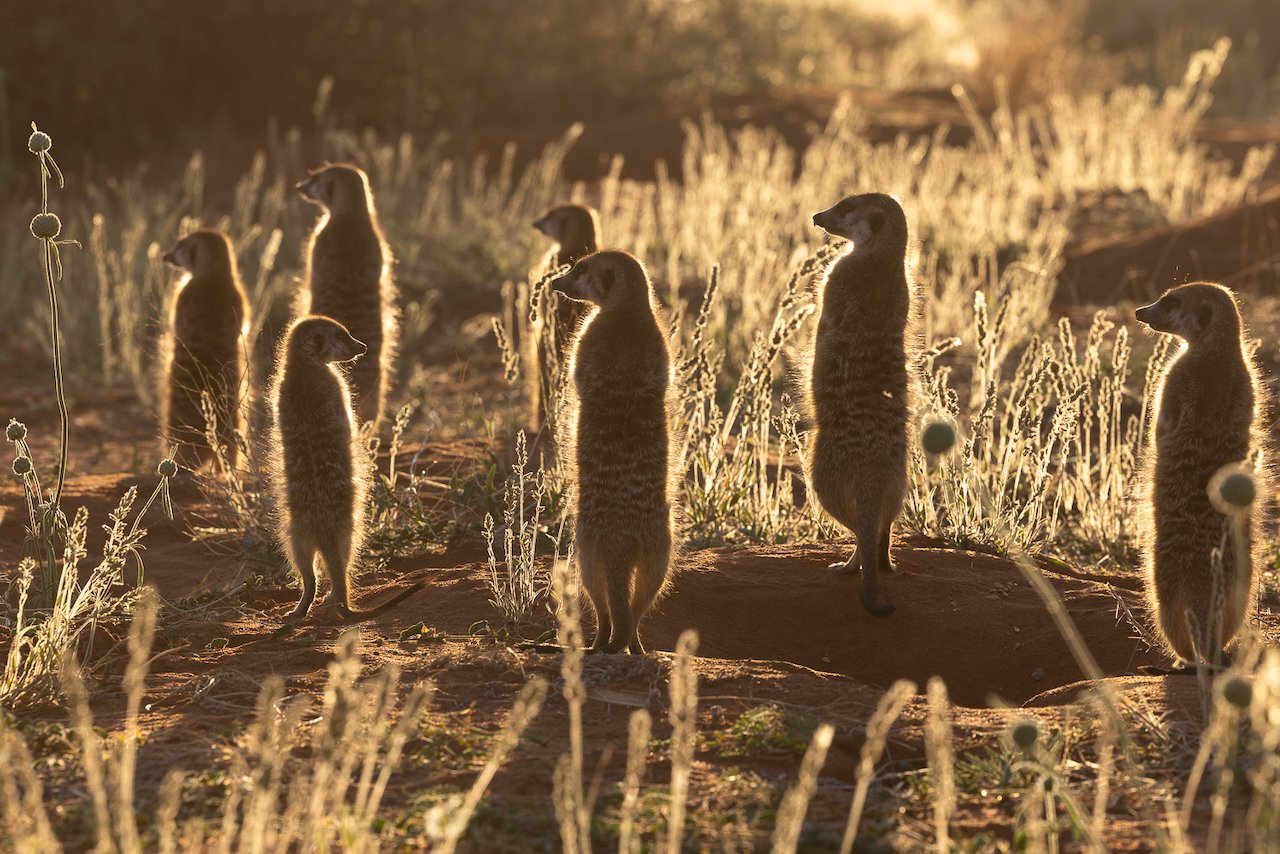
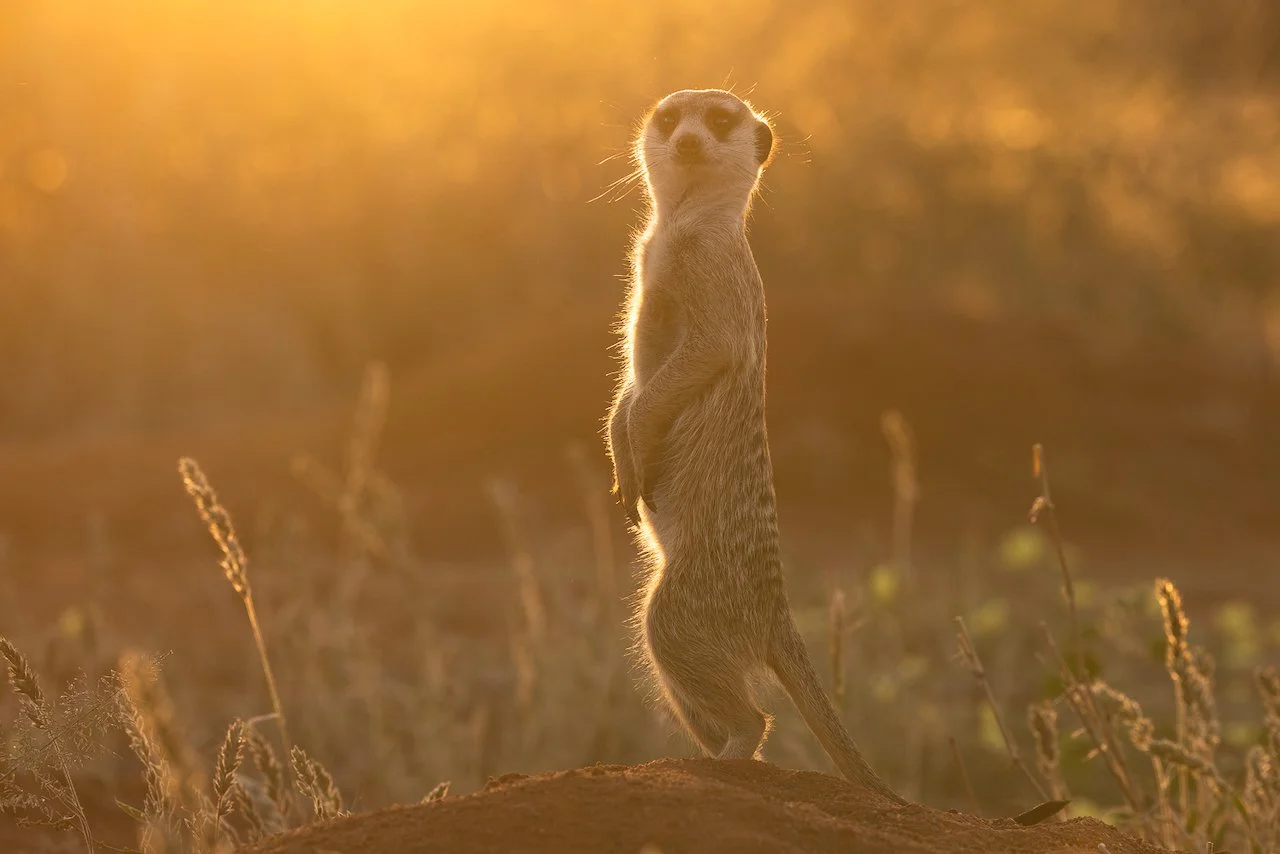
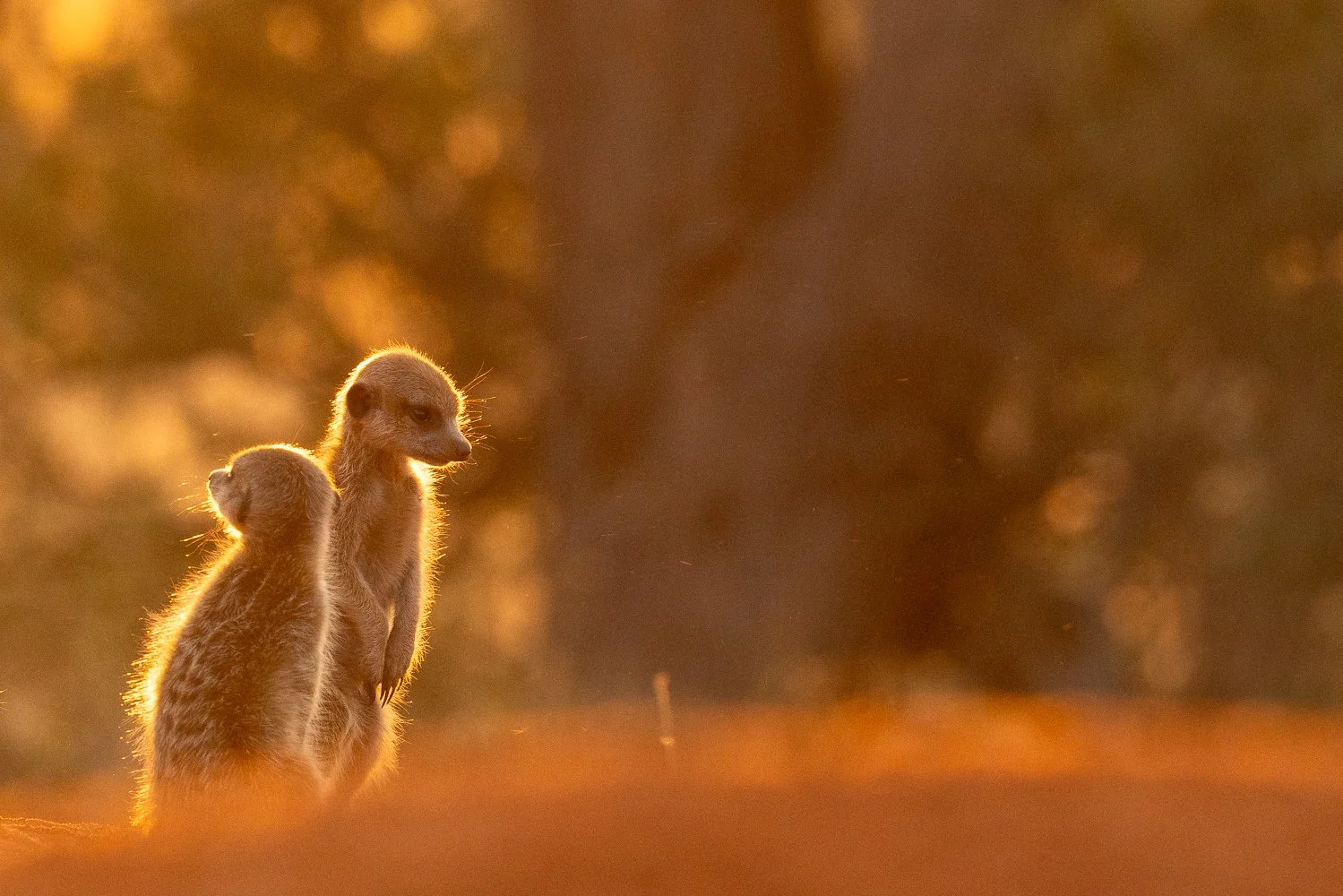
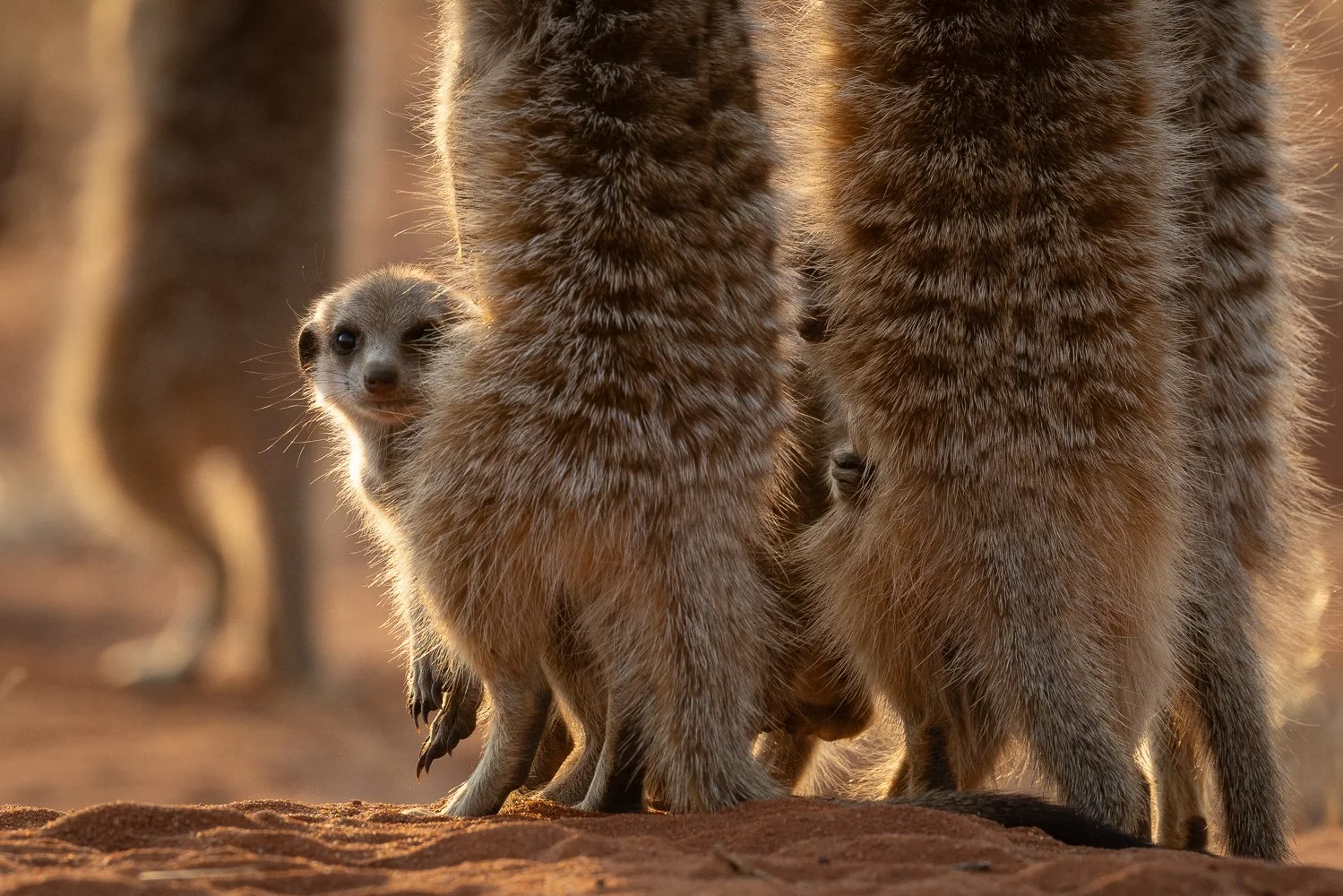
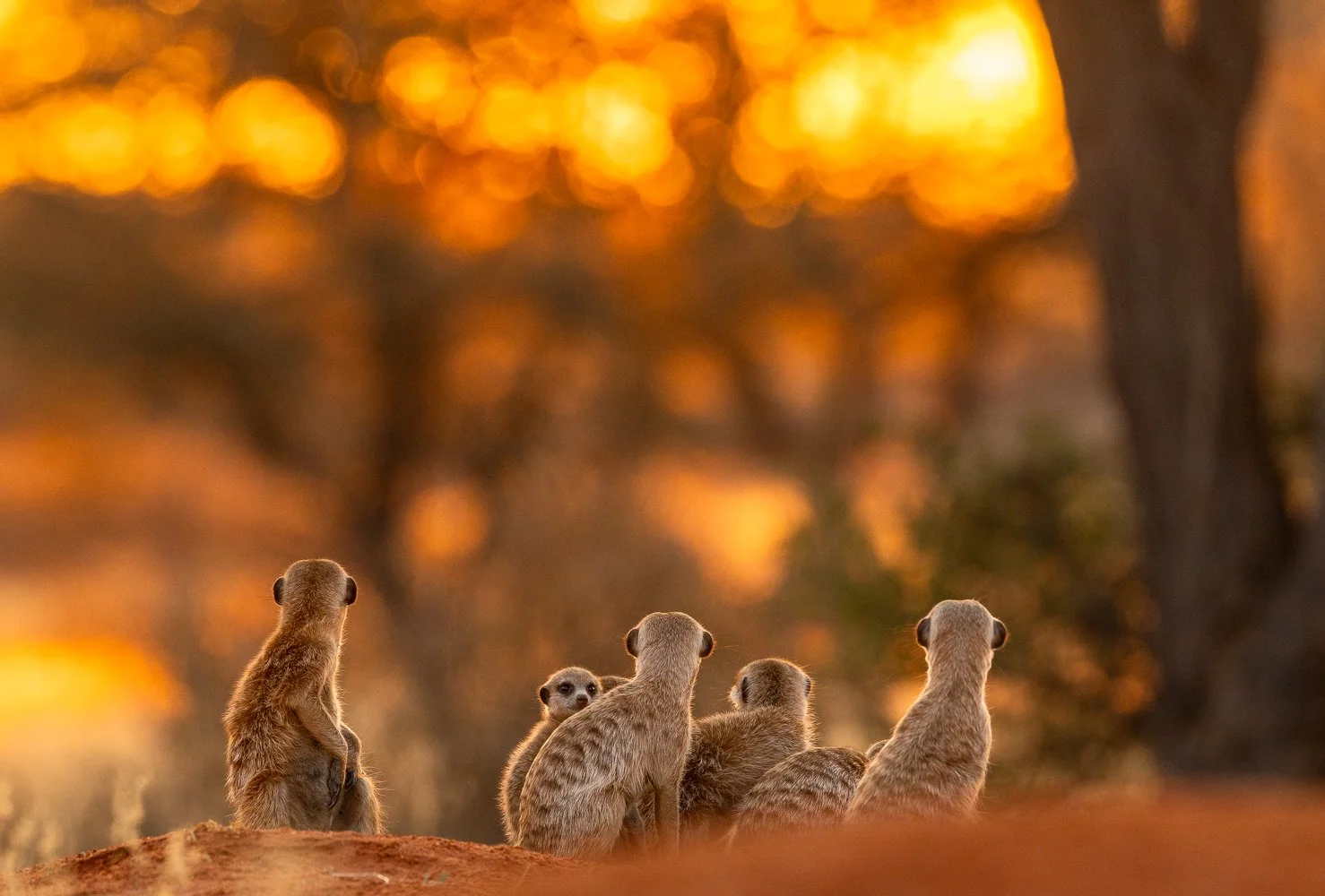
Meerkats scurry about in family groups in search of small insects and scorpions to feast on before disappearing down their burrows at night as the rarest-of-rare pangolins and aardvarks emerge under a blanket of stars the likes of which few people have seen in such quantities as the bustle of the day settles into a pristine quiet stillness at night.
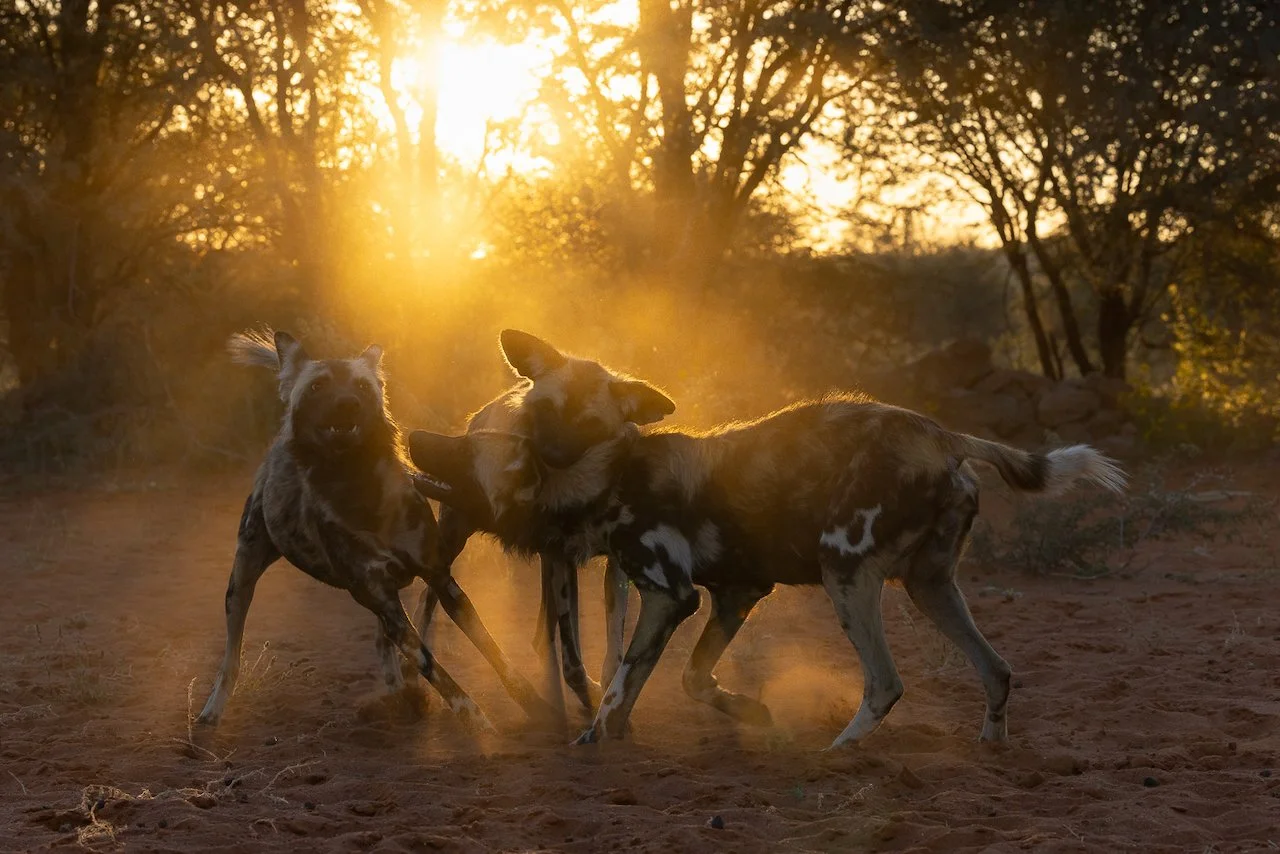
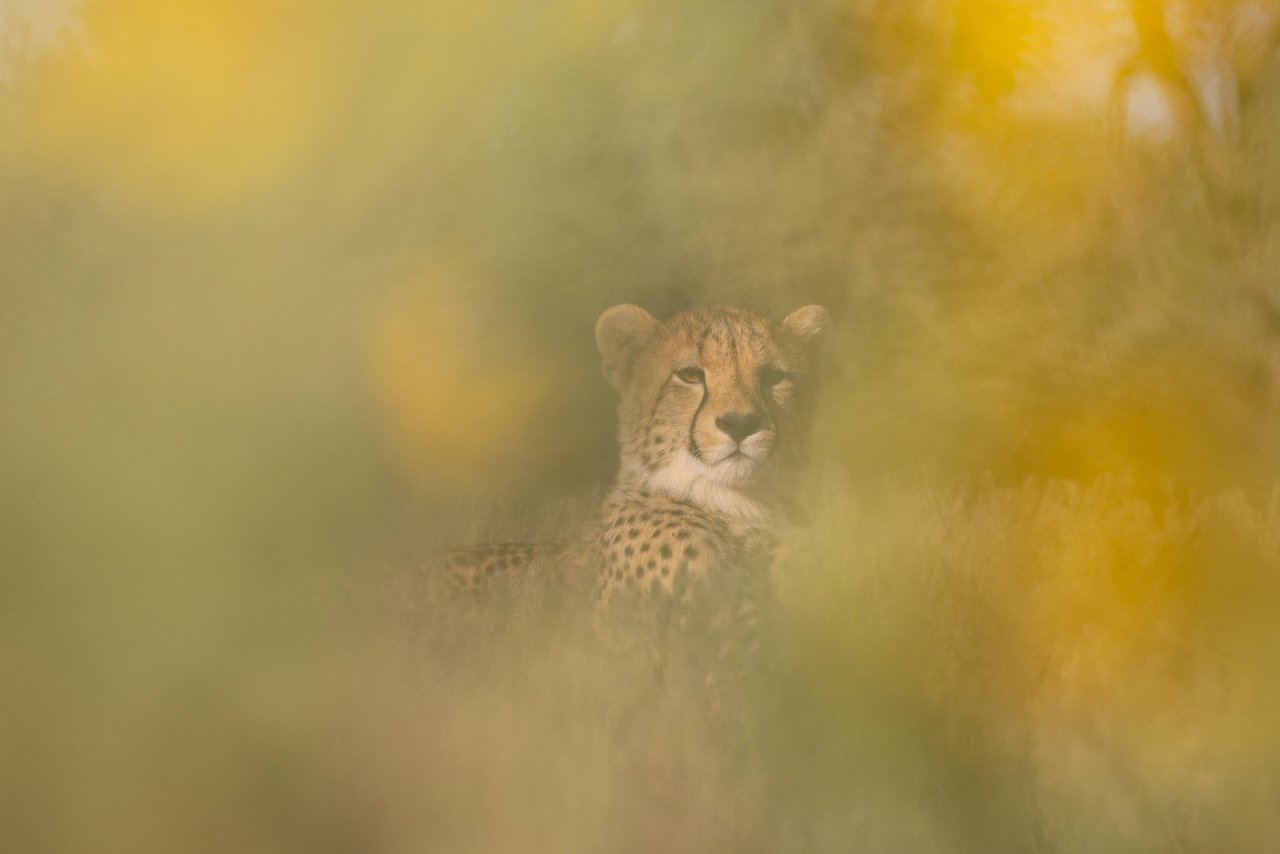
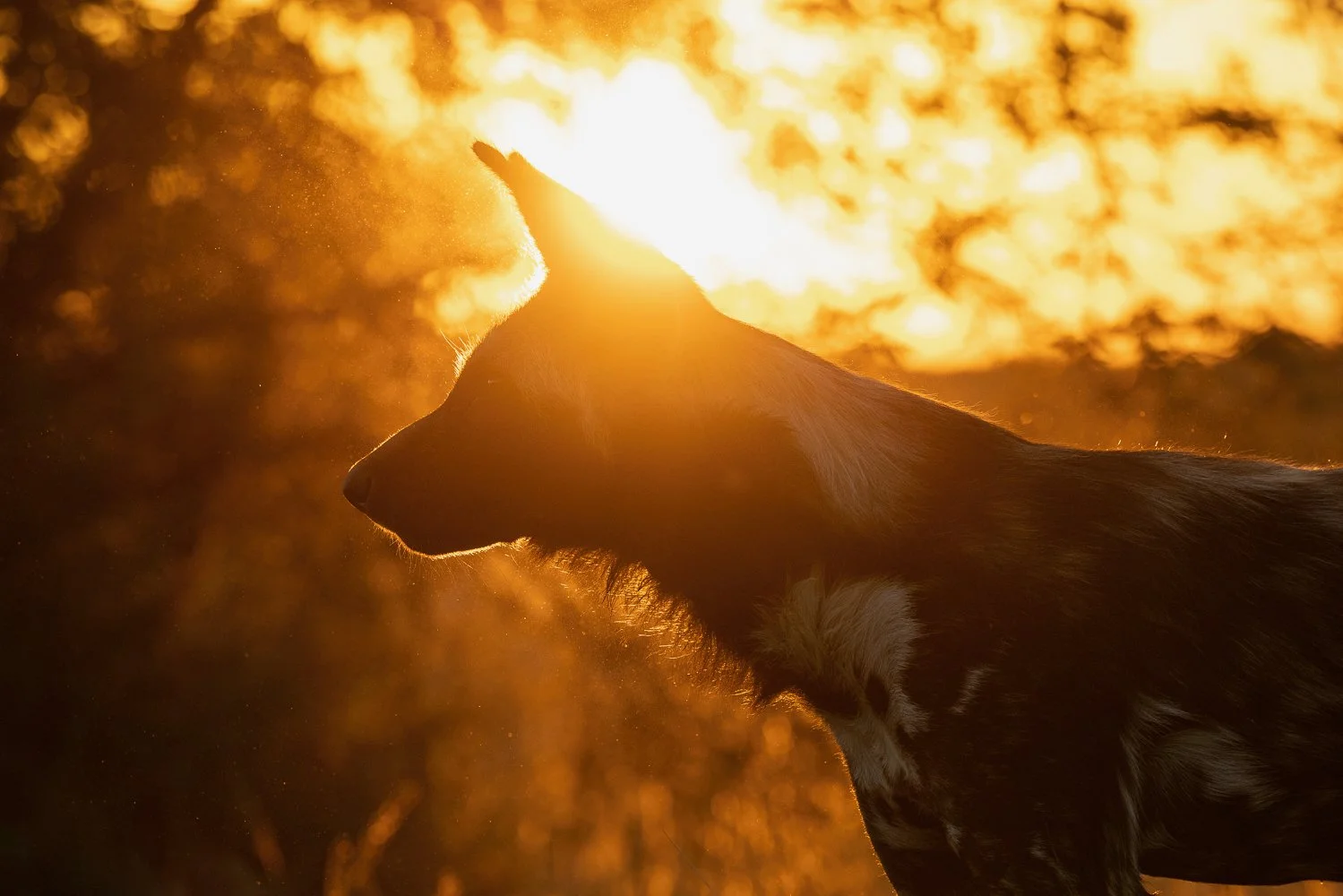
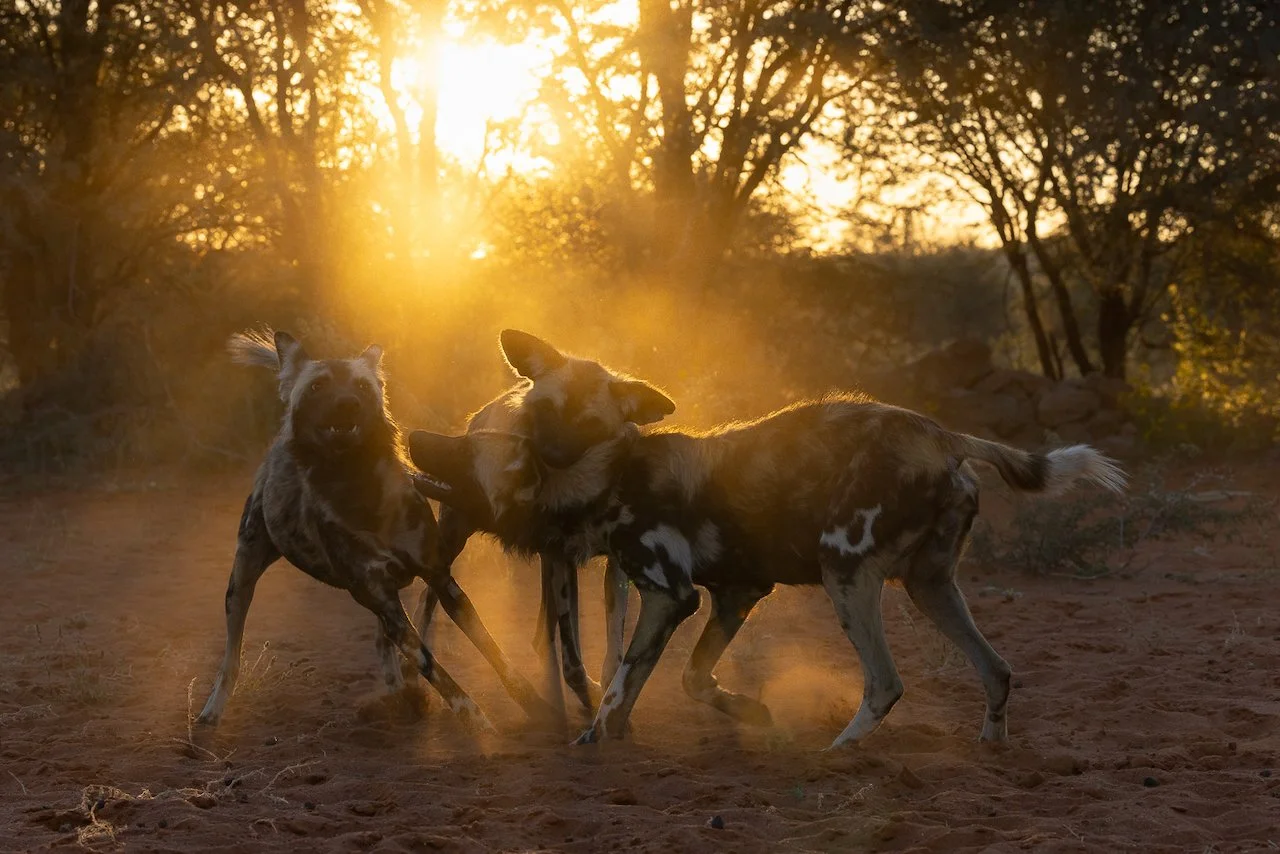
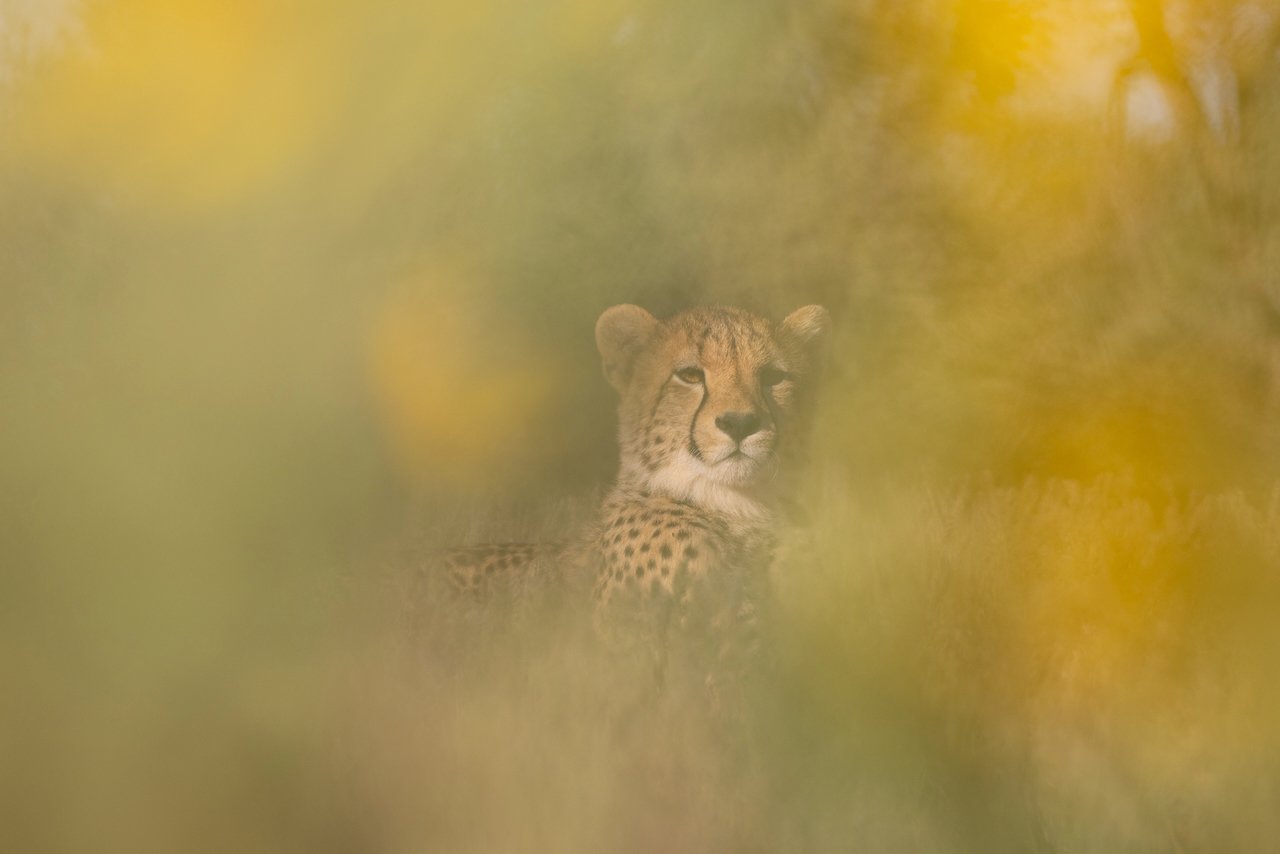
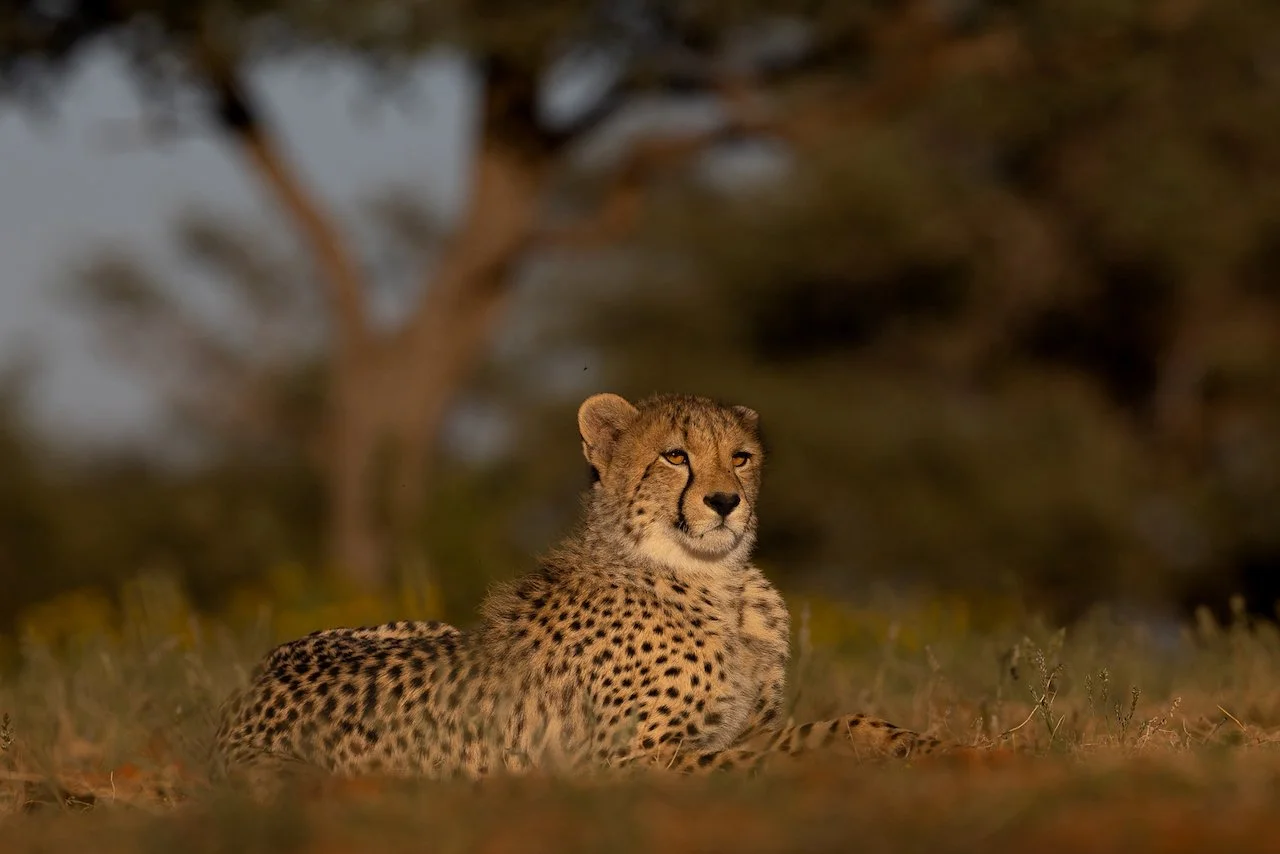
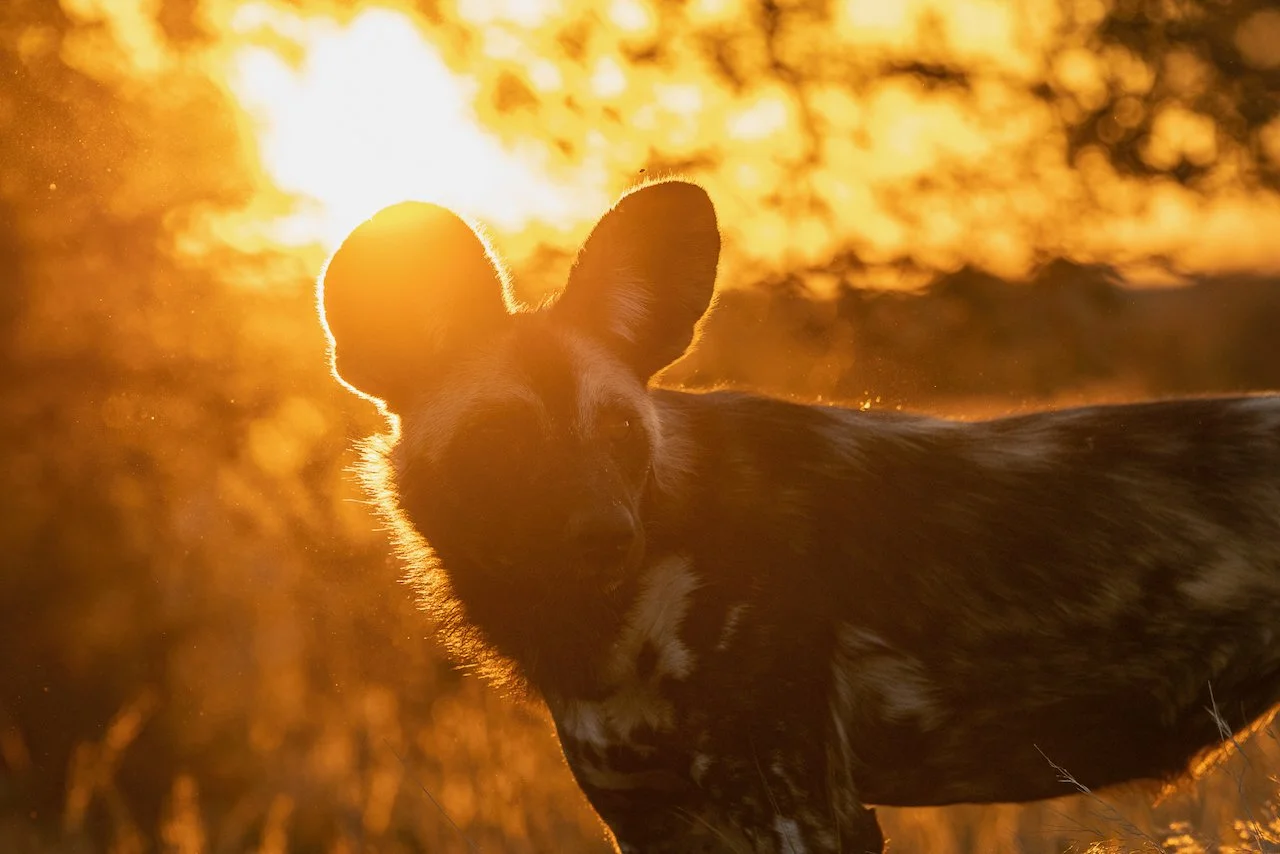
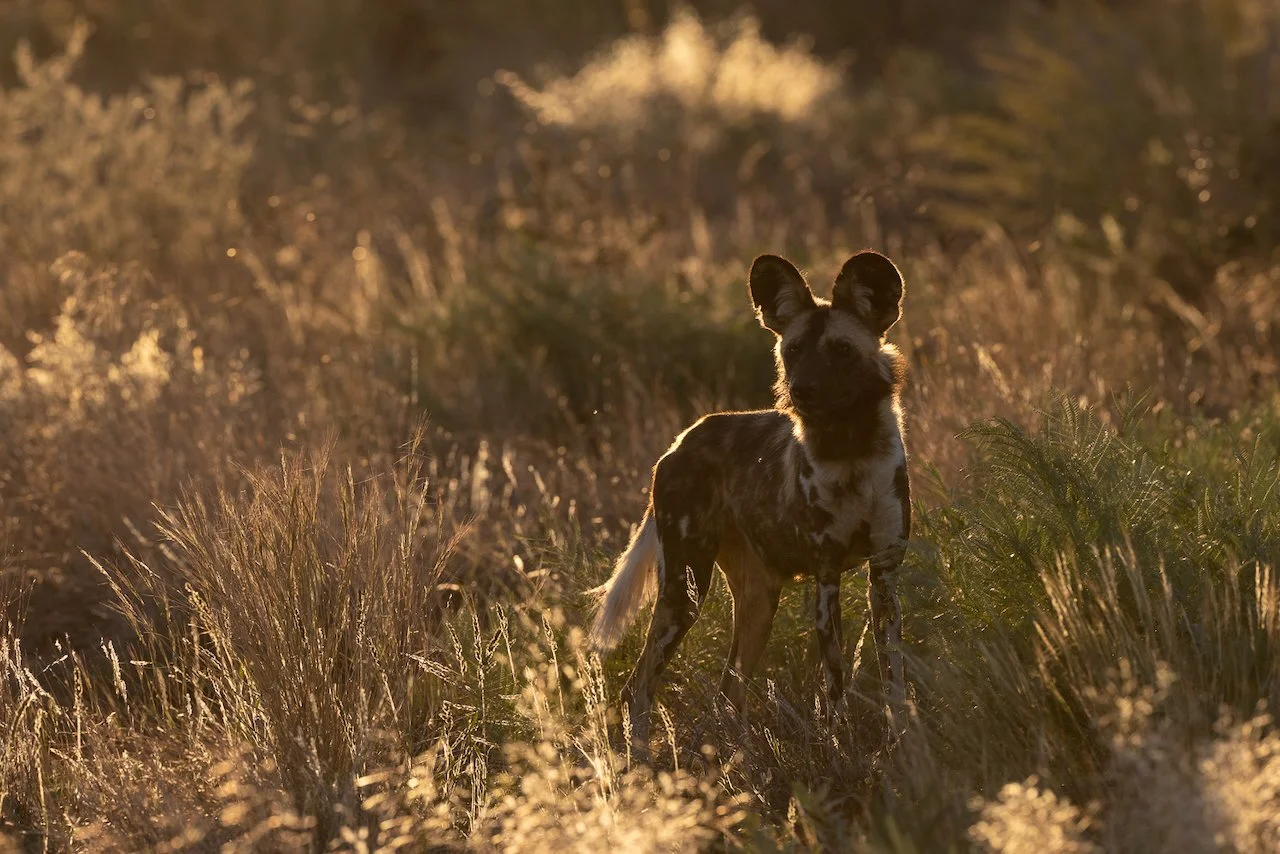
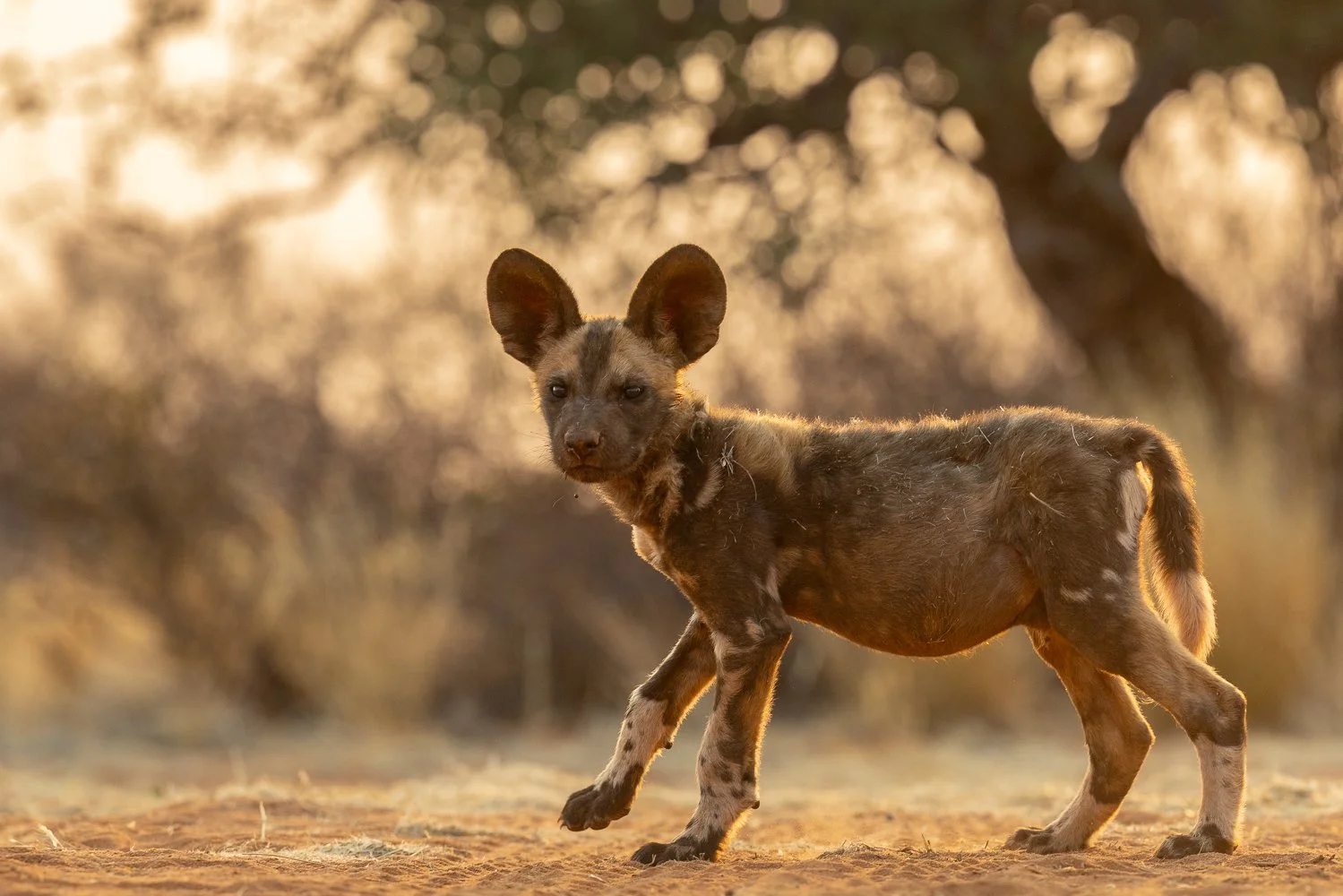
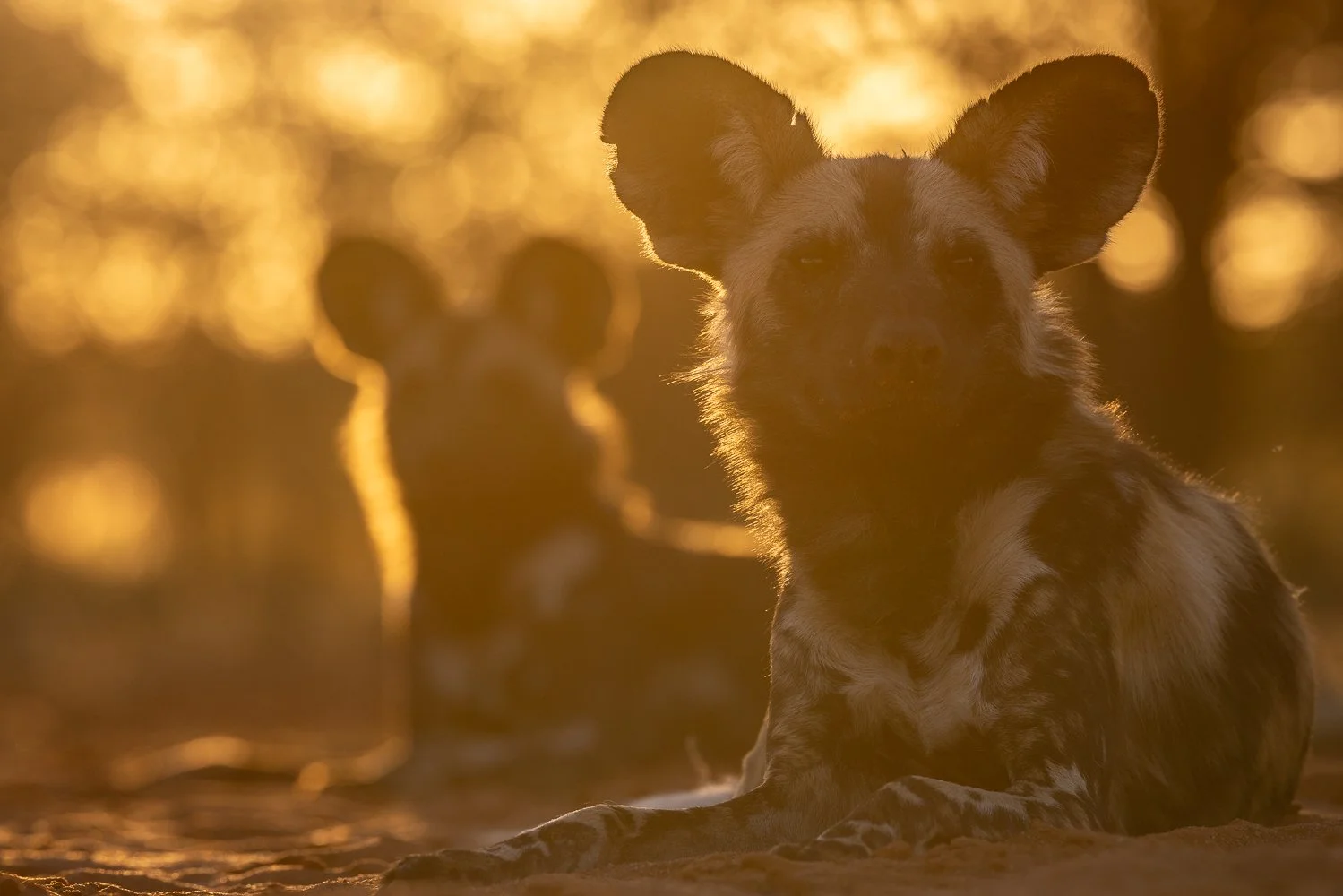
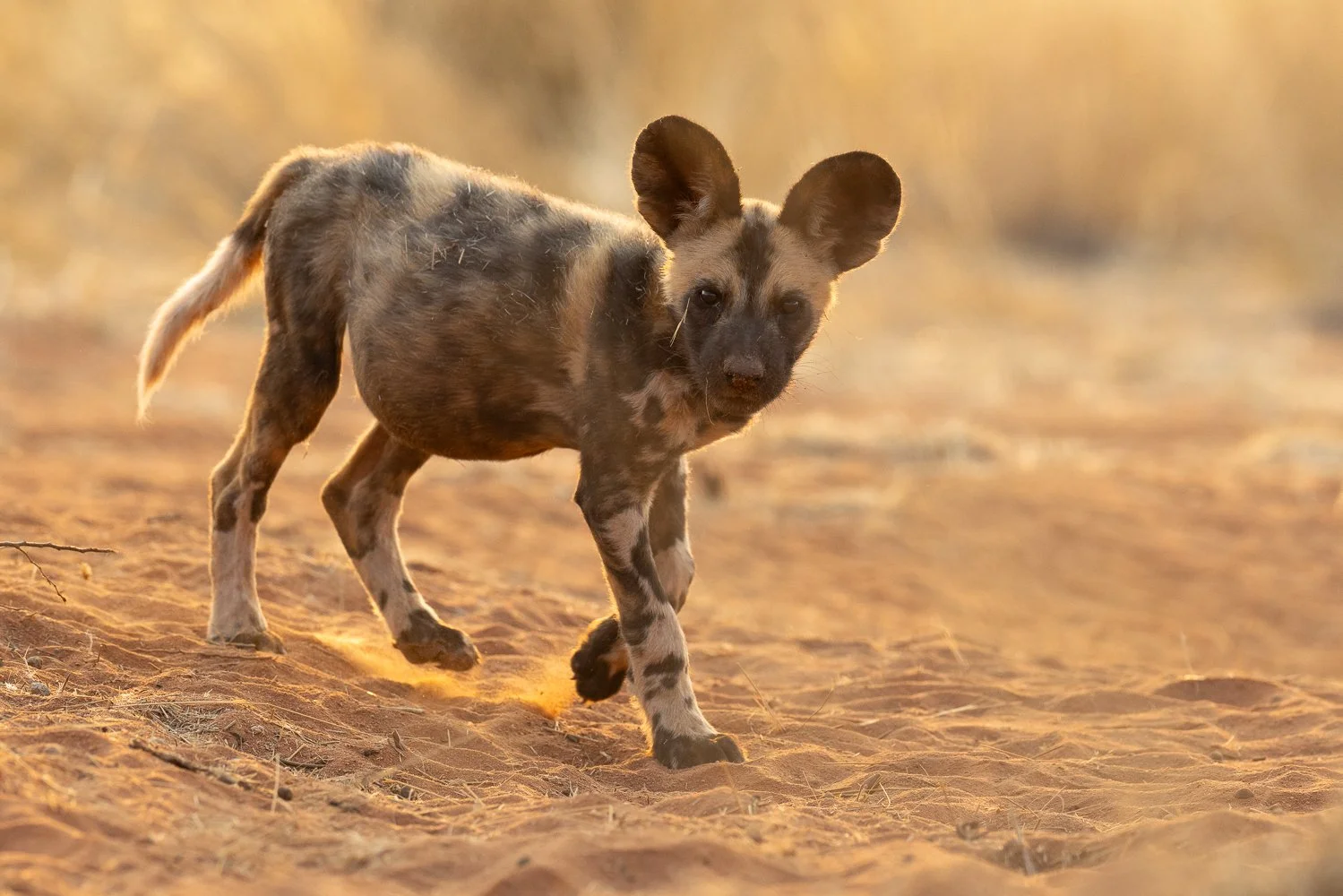
Dawn finds cheetahs on top of the dunes scanning for springboks and wild dogs awake in chittering delight at the expectation of the hunt. Desert-adapted black rhinos chase off unwanted visitors in grumpy self-indulgence and sable and roan antelope move through the wilderness in nearly unparalleled numbers.
Interesting destination:
Tswalu Reserve in the Kalahari is a fascinating destination. It was once the stage for the largest private translocation of animals in Africa in a bid to set up a reserve that featured some of the rarer finds in Southern Africa, and gave them space to breed and thrive. And that it has. It’s a massive area, full of vast open pans, grassy plains, rocky mountains and sand dunes and is home to a surprising number of rarities. From roan and sable antelope - really difficult to find elsewhere, to good numbers of cheetah, aardvark and even pangolin. The Green Kalahari sustains so much life - smaller creatures like the zorilla, the sociable weaver and Pygmy falcon, to oryx adorning every red dune, desert adapted black rhino - one of the more difficult-to-see creatures, are prolific here and wild dogs who den almost every year, providing very reliable and intimate viewing.
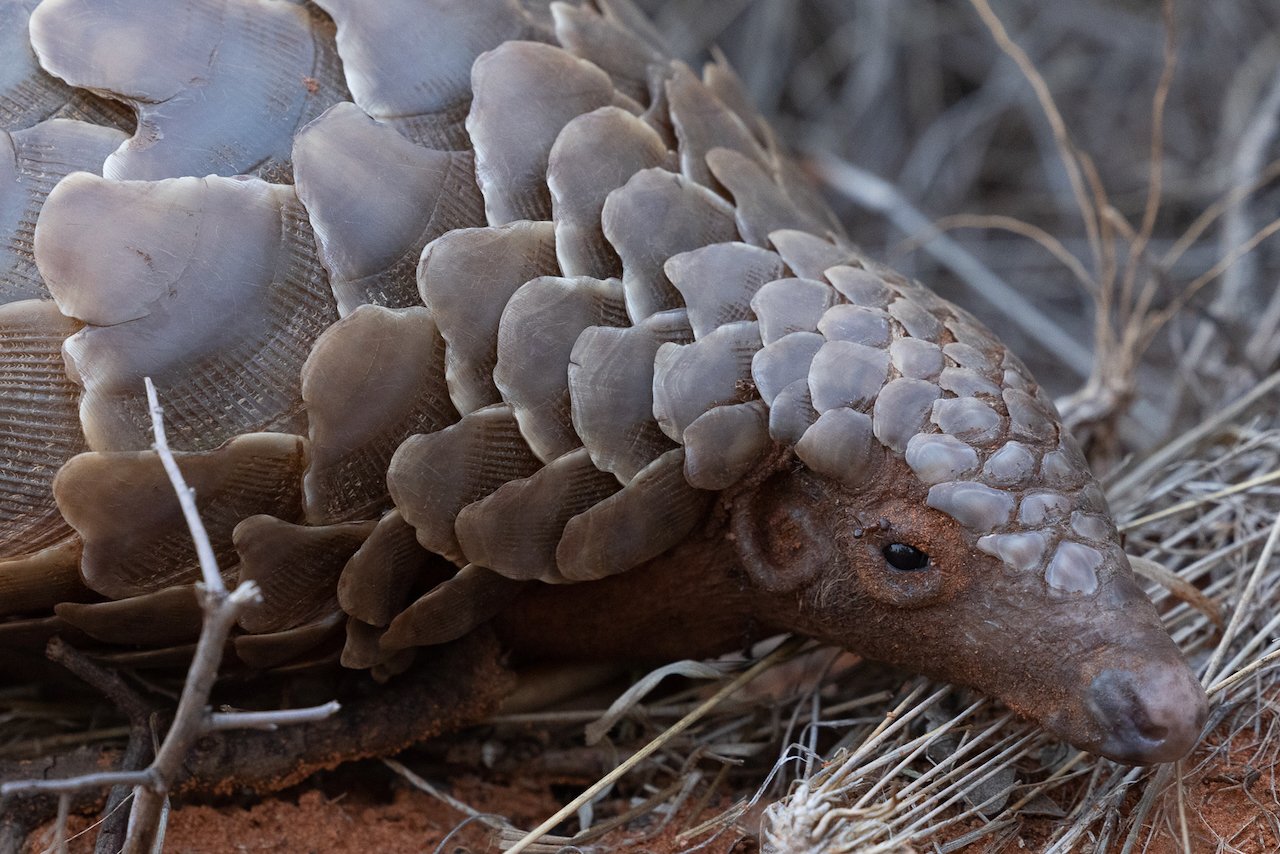
A visit in winter can be very cold, but the rewards in the form of rarities outweigh any chill in the air. Tswalu is in part a research reserve, with research into termites, other insects, cheetah and pangolin ongoing. There are a number of pangolin who can be tracked via telemetry, allowing natural viewing of wild pangolin to be a reasonable expectation for a visit. There are also a surprisingly high number of untracked pangolin spotted frequently, as the kalahari environment provides a perfect habitat for them, and the cold of winter means they’re much more likely to be seen in daylight hours, not just after dark. The same is true of aardvark, which are very difficult to find elsewhere but which a visit in winter can definitely target.
Tswalu isn’t a place to visit just for the cats, but for the desert adapted creatures and rarities on offer, and each drive is tailored to searching for a specific often rare subject. There are colonies of meerkat who are relaxed and allow close up viewing ws they go about their day. There is even horse riding available through the beautiful dunes, passing through herds of roan, sable and springbok. You are very likely to pick up a number of ‘new’ species in your list, and a visit to world famous ‘Klein Jan’ restaurant is included for guests staying at Tswalu. Come for something completely different, and immersion in the desert, millions of stars, and rare creatures.
When to Visit
As a photographer, you want to maximise the time and opportunity to photograph your desired subjects and nowhere is this more relevant than in the Kalahari Desert. During the dry, winter, months of May through August it gets cold early in the evening (down to below freezing in the mid-winter) and warm during the late morning and midday. This means that the wildlife is happy to be active during the day rather than in the summer months of November through March when the rains come and the daytime temperatures soar ensuring that activity really only takes place at night. During winter, even the nocturnal animals such as pangolin and aardvark come out earlier in the evening before it gets too cold so you can hope (fingers crossed) to get these subjects in good light. Of course, following the rains, the Kalahari has one of the most incredible transformations seen anywhere on Earth as the yellow dry grass turns green and the flowers bloom briefly in a stunning display of natural wonder.
APR
Good
MAY
Very Good
JUN
Excellent
JUL
Excellent
AUG
Excellent
SEP
Very Good
OCT
Very Good
NOV
Mixed
DEC
Mixed
FEB
Mixed
JAN
Mixed
MAR
Mixed
Your Questions, Answered
These are some of the most common questions I get asked about going on safari in the Green Kalahari at Tswalu.
On safari in the Green Kalahari at Tswalu
-
Pangolins are wild animals and incredibly rare at the best of times. Most of the pangolins at Tswalu no longer have GPS tracking tags. With that being said, there is nowhere I have been that is better for finding them (and I have been going since most of the GPS trackers were removed after the research project moved into a new phase). The human trackers there are very good at identifying and following pangolin tracks and can often track pangolins to wherever they have burrowed for the day. This means that with good patience and stillness, and a bit of luck, you will have a decent chance of seeing one emerge from its burrow.
-
Most species at Tswalu are ‘desert’ adapted such as the Oryx (Gemsbok in Afrikaans), meerkats and springbok which you won’t find on South Africas non-desert eastern areas (like Sabi Sands, Umfolozi and Kruger etc). The black rhino here are also desert adapted compared to their counterparts in more luscious environments. And while these rhino are the same species and are not a sub-species, they have learned over time to adapt their behaviours to the harsher arid environment (with a corresponding increase in general disagreeable moods it has to be said).
-
Tswalu is located in the Kalahari Desert meaning that you will get some very different wildlife compared to other non-desert areas of South Africa. And while wildlife has always been here, the idea for Tswalu started as a hunting area where large numbers of animals were physically brought in to the wilderness. Over time this has actually become the largest man-made migration of wildlife anywhere. Nowadays with hunting long in the past, the wildlife is probably as it was before hunters ever came into the area and you will see some amazing creatures that you just won’t see in many other places with good opportunities to be on foot with them (eg meerkats).
-
Black maned lions are a Kalahari speciality. While not a different species, the lions in the Kalahari have developed large and much darker manes than their East African cousins who would challenge for some of the largest lions around. Some of these boys are extremely impressive and it is a sight that few people will forget.
-
I would recommend going in the winter months (Jun-Aug) if you are wanting pangolins specifically. The longer nights and cooler evenings mean they tend to come out of their burrows earlier than in the summer months which could be in the middle of the night rather than more palatable evening hours.
-
Tswalu lies in a transition zone between South Africa’s savannah interior and the true Kalahari and Namibian deserts. With rolling red sand dunes that are hallmarks of the Kalahari Desert, these dunes and valleys are also covered in yellow grass and shrubs that turns green in the slightly higher rainfall relative to the true Kalahari which happens mostly in the summer months.
Photographing in the Green Kalahari at Tswalu
-
I prefer 400mm+ here. The landscape is vast and open and often subjects at the top of the dunes require getting a little closer in focal length. I also love being able to get close to the meerkats and get the dust and interaction between the family members. Having a 70-200mm also can come in handy for those wider shots where you may want the animal small in the frame (I use my 100-300 a lot as well).
For pangolins, bear in mind that they are nocturnal creatures generally so you will want good ISO performance and a faster 2.8 lens if possible.
-
Yes you can. Tswalu is privately owned and operated and guests are encouraged to get out early should they so choose and are usually back after dark under spotlight in the evenings. In winter, it will be very cold in the mornings and evenings so if going out early like I always do, wrap up warm!
-
Generally, yes off-road driving is permitted. The caveat, however, is that you may not off-road across dunes. So if you are tracking something and off-road and the tracks head over the crest of a dune, you will have to turn back and find the valley road around through the nearest pass through the dunes.