
The Serengeti
Even just the name gives me goosebumps. There is still a wildness here that grabs at your soul and drags you into an exhilarating adventure.
What to expect…
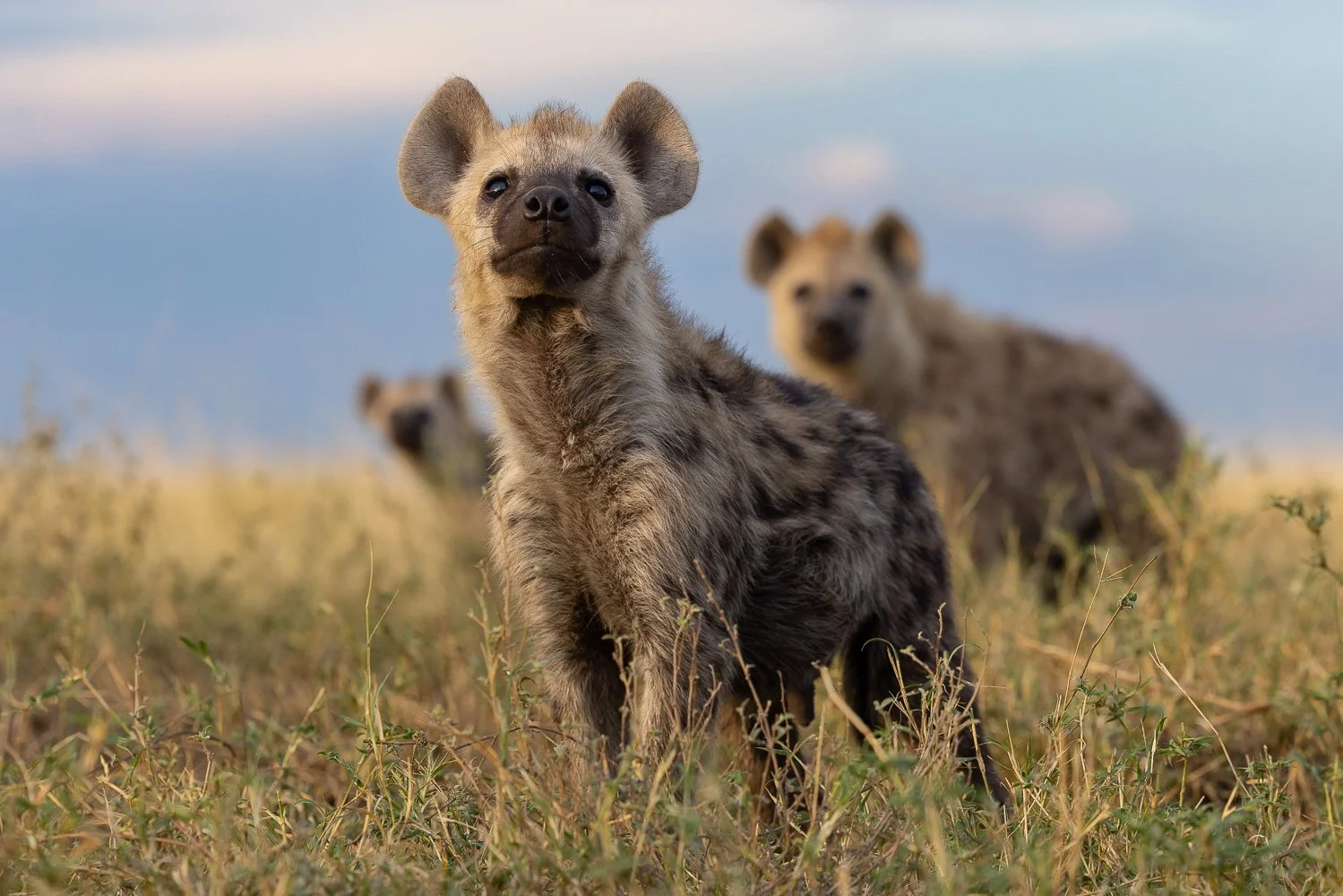
What not to expect really? The Serengeti is a wildlife ecosystem that supports an incredible variety of animals and has something for every wildlife lover.
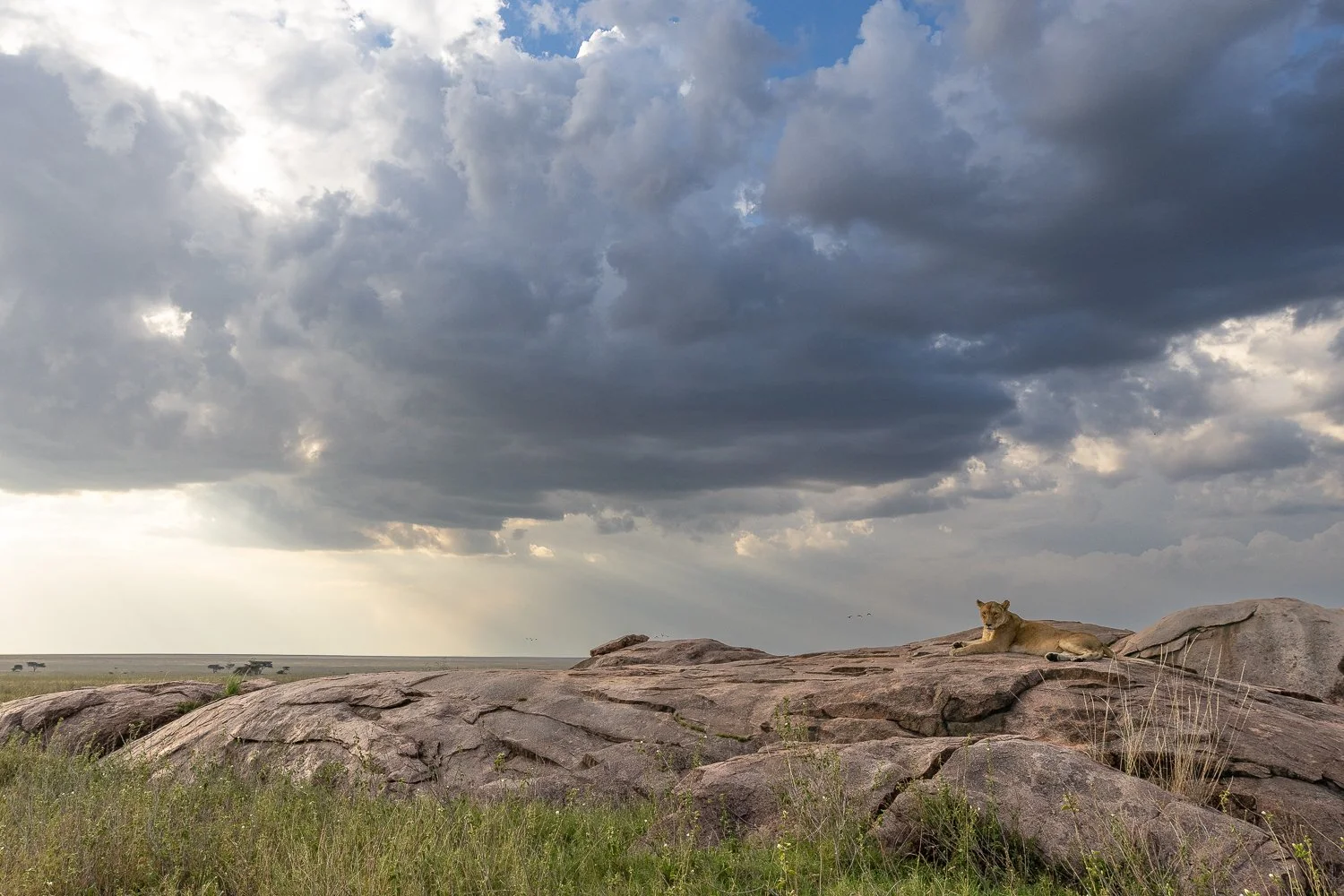
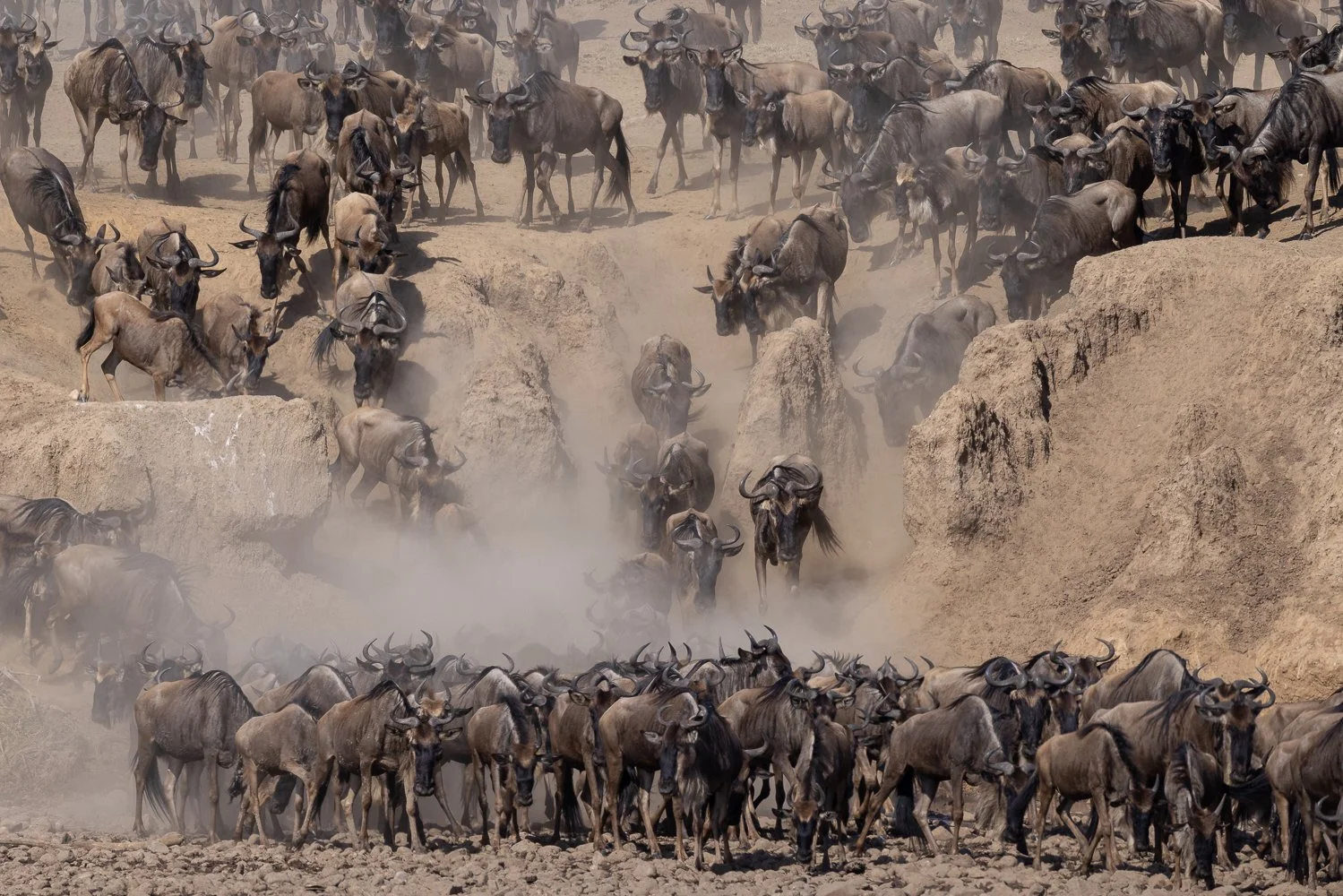
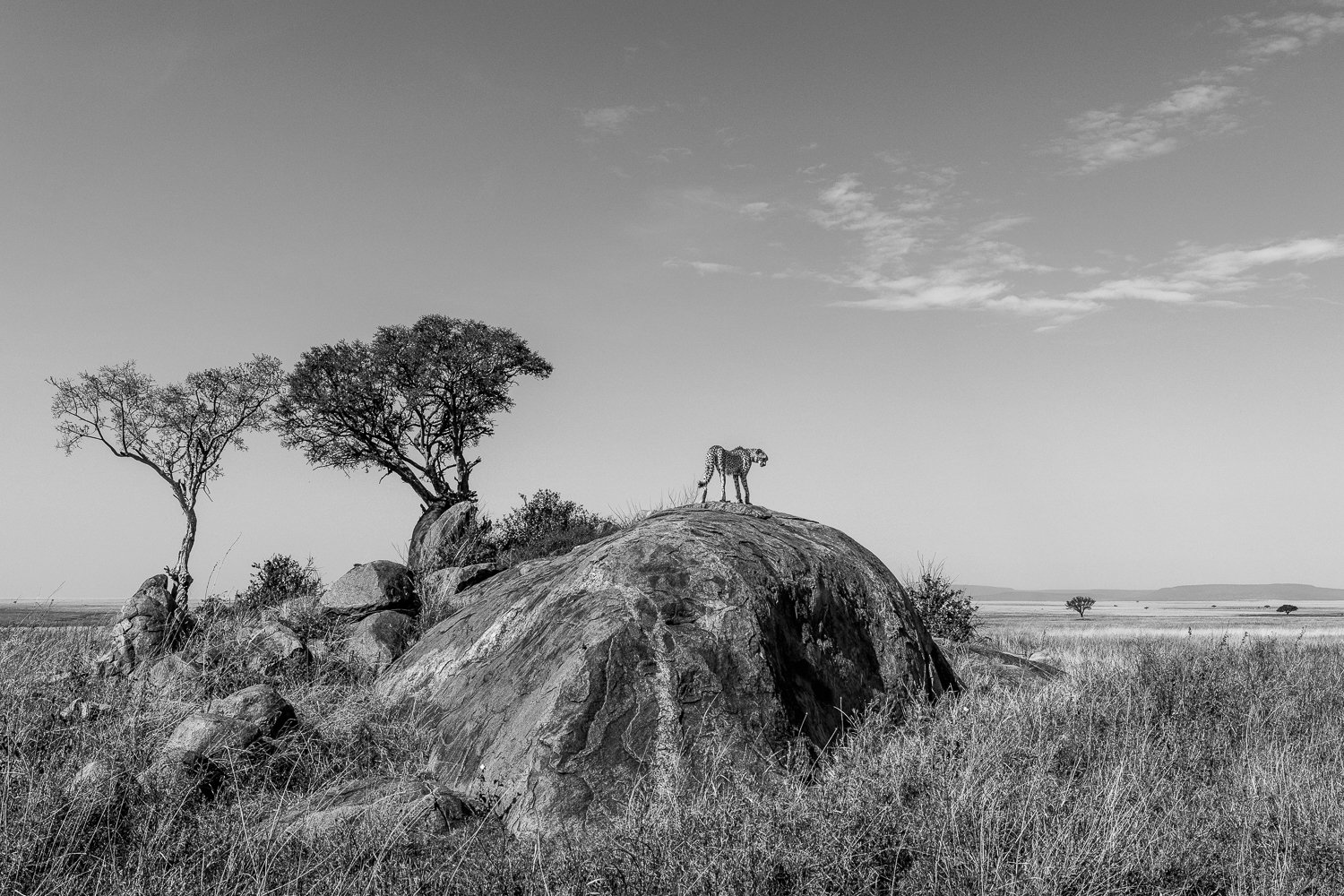
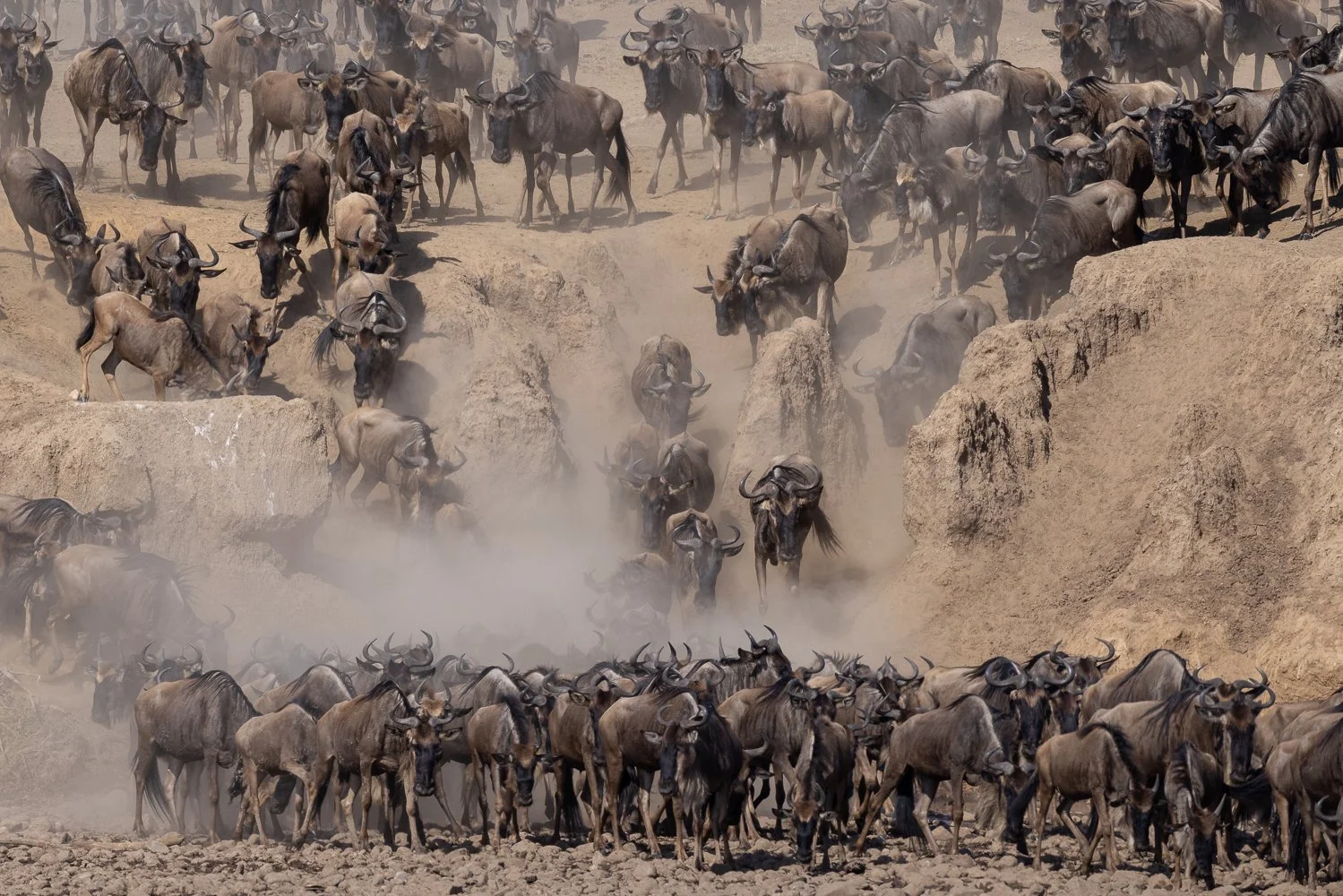
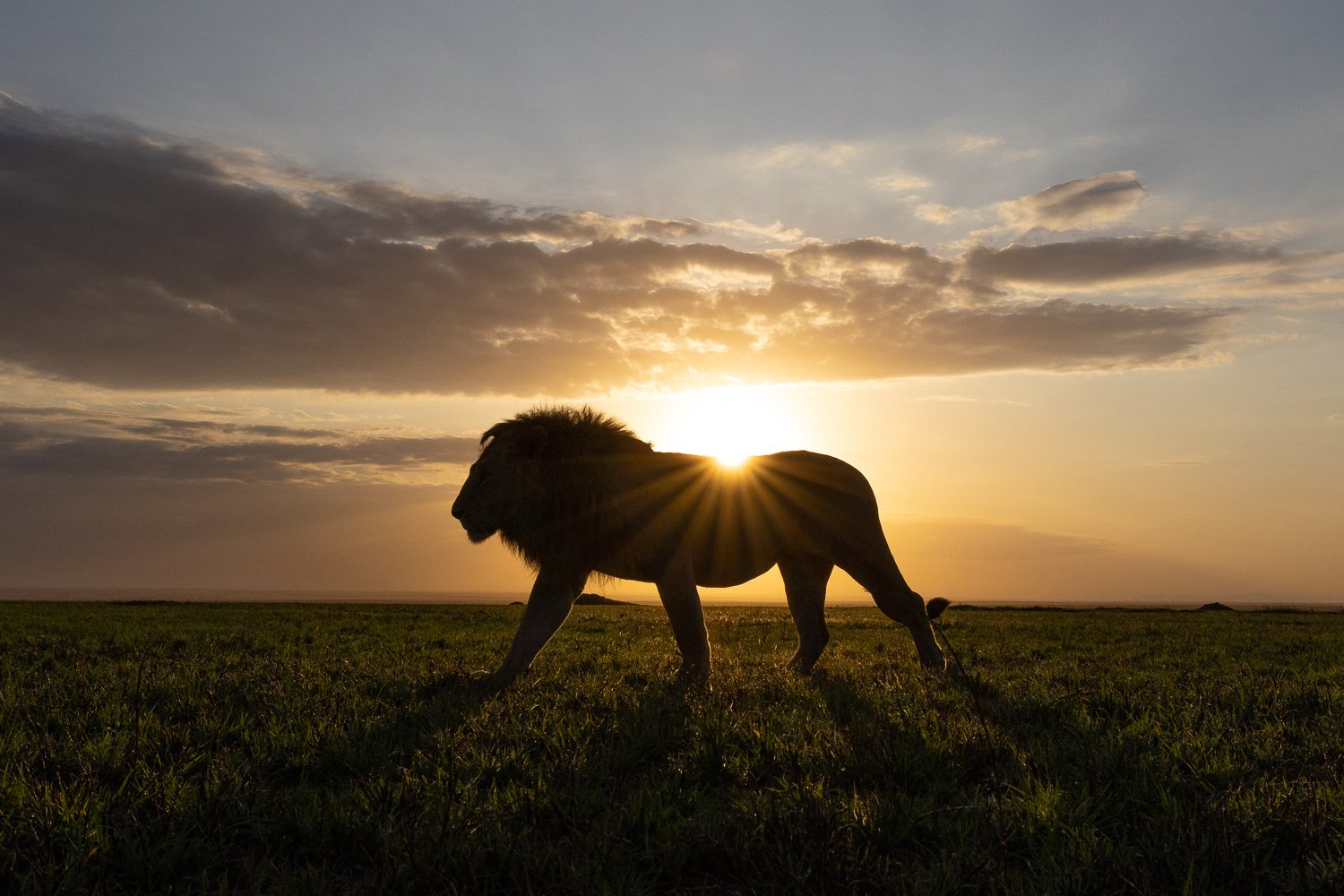
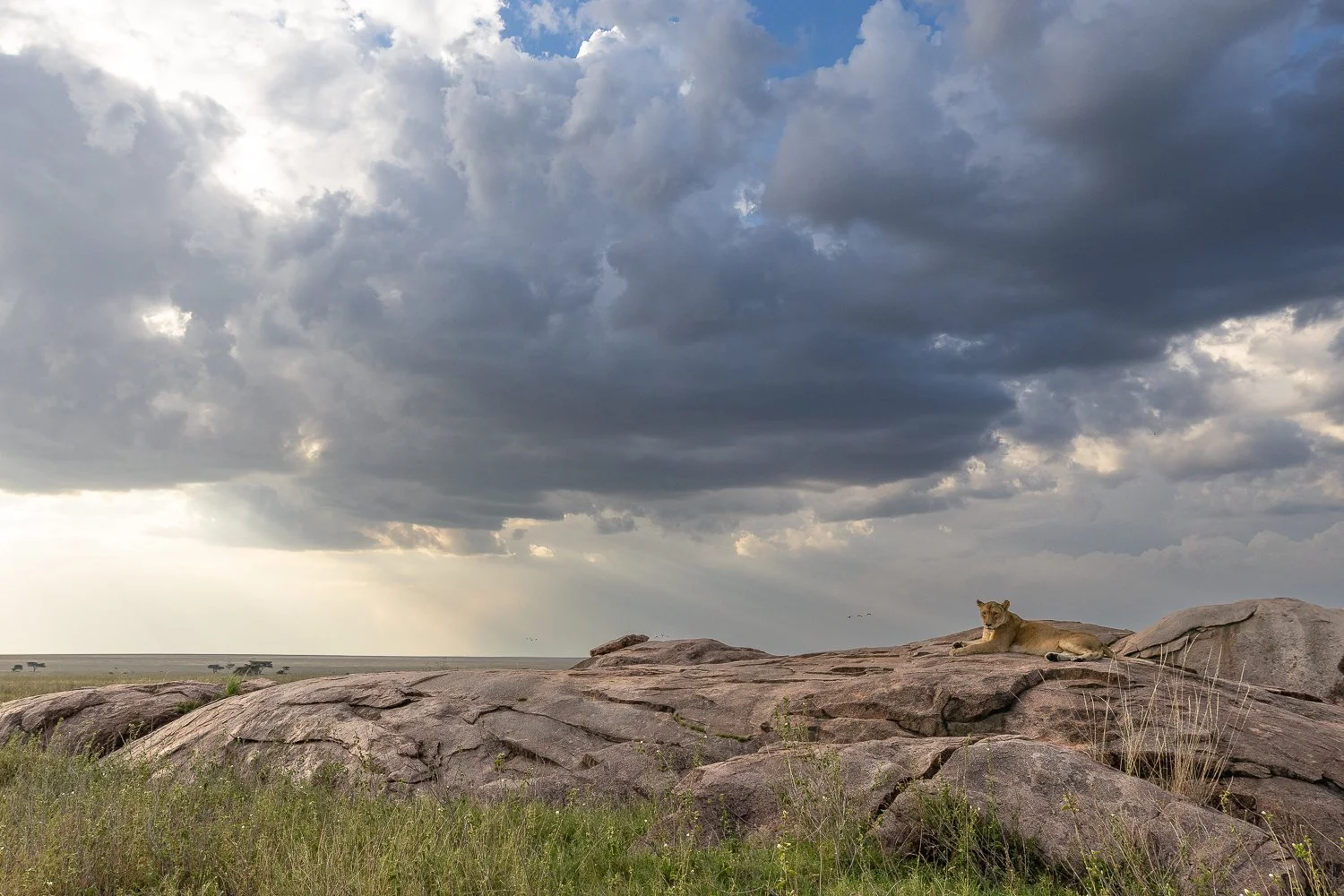
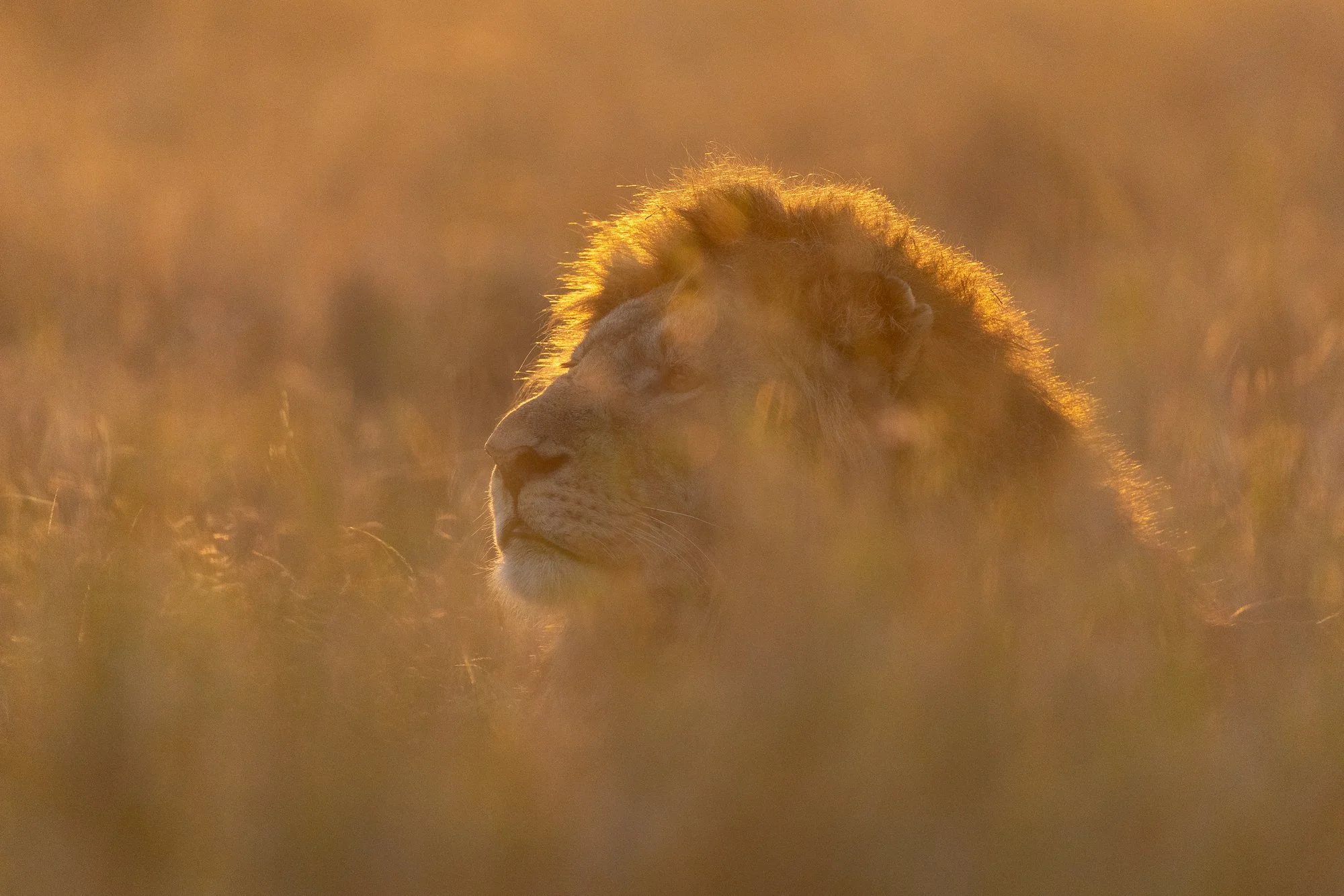
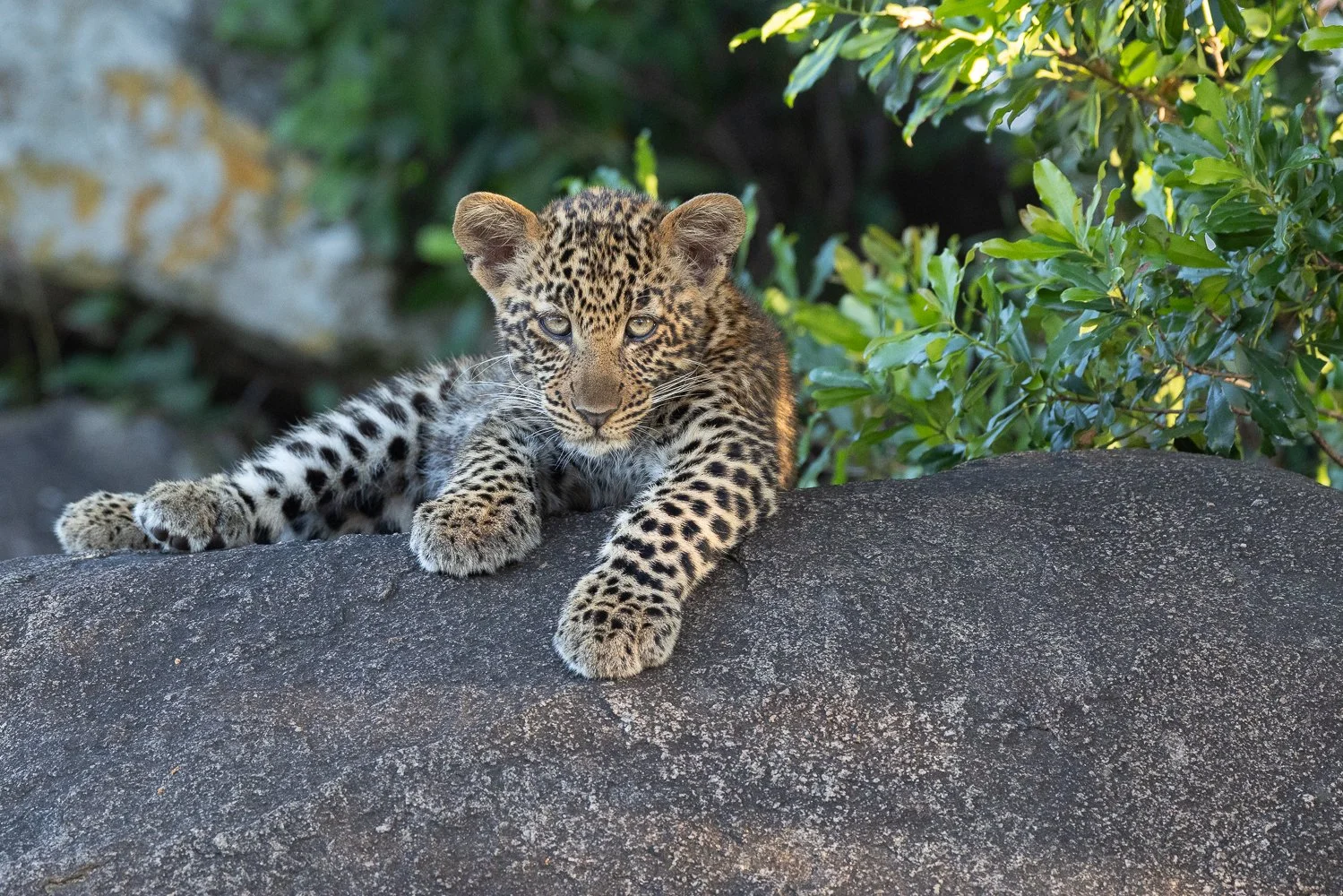
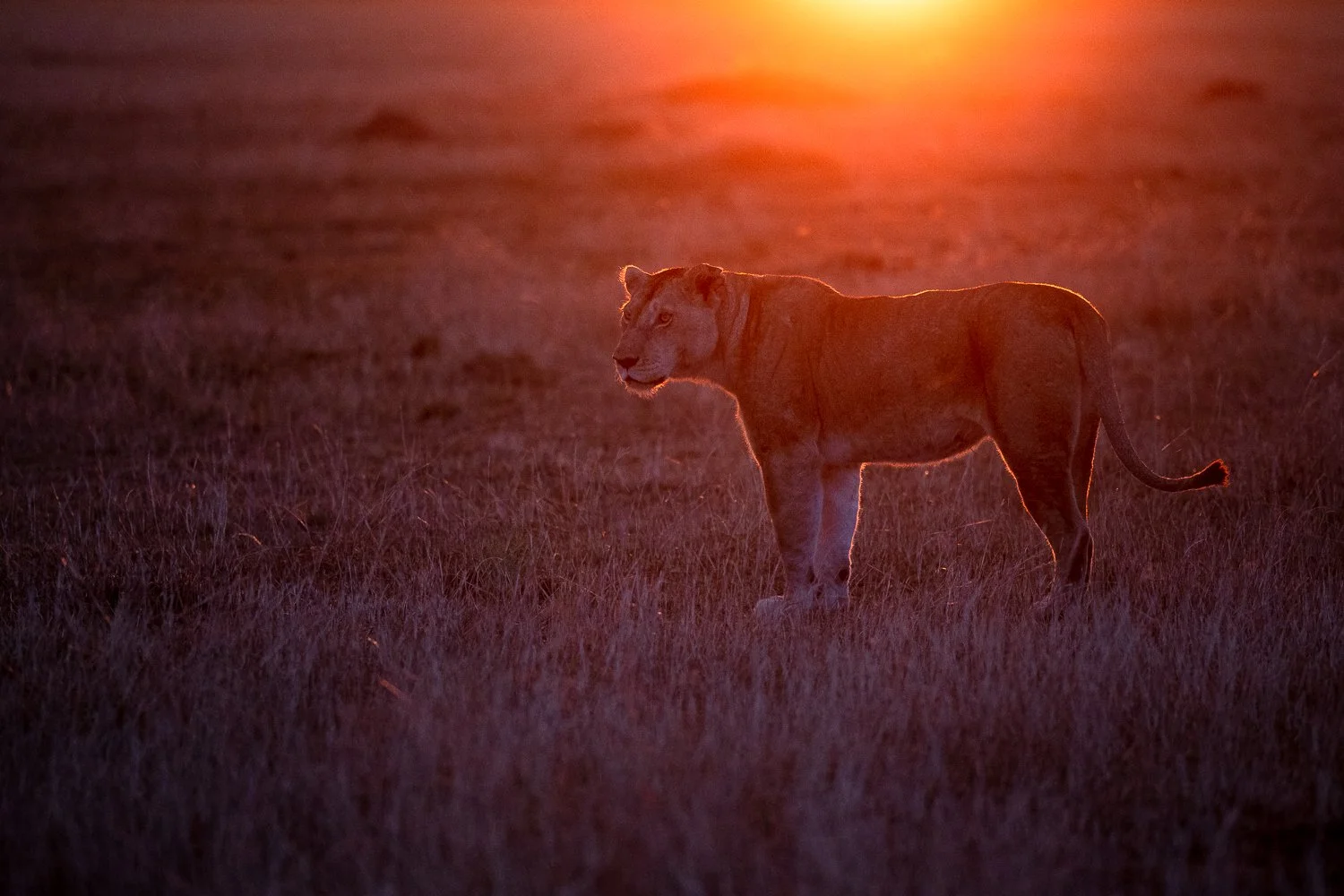
Known for the Great Migration of wildebeest and zebra that follow the rains in search of lush food all the way from the southern parts of the park where they calve (and upwards of 300,000 wildebeest are born), to the north - making the famous Mara River and Grumeti River crossings - the Serengeti is also arguably the best place in Africa to see cheetahs in good numbers. Massive male lions and incredible prides that look like they are straight out of Disney’s The Lion King in their fixation with spending time on rocky koppies (little hills).
While it can have a bad reputation for crowds, it is very easy to avoid these crowds and still see incredible wildlife like nowhere else.
When to Visit
Being the Serengeti, it is arguably very good all year round. The biggest question is whether you want to see the migration and, if so, you have to be prepared for crowds. If the migration isn’t as important for you then any time of year can be fantastic - it just depends on which part of the Serengeti you go to. The migration moves. In January to March the herds are calving in the southern section which is excellent for seeing predators on the hunt. From April they begin moving northwards again and in May and June the herds are moving through the western corridor and into Grumeti. June through August are peak season and crowds are crazy through the central section of the park and eventually up North as the herds head towards the border with Kenya where the Mara River crossings happen.
My personal favourite time is September in the central section of the park as everyone else is up north still with the migration and you have access to vast swathes of open plains and rocky outcrops just perfect for cheetahs and lion prides without having to fight for space with other vehicles. From November the short rains arrive and the herds begin moving back south.
JAN
Excellent
FEB
Excellent
MAR
Very Good
APRIL
Good
MAY
Mixed
JUN
Good
JUL
Mixed
AUG
Mixed
SEPT
Very Good
OCT
Good
NOV
Excellent
DEC
Very Good

Your Questions, Answered
These are some of the most common questions I get asked about going on safari in the Serengeti.
On safari in the Serengeti
-
It is the same migration that moves from the southern Serengeti to the north before crossing into Kenya’s Maasai Mara and then returning back to the Serengeti. The ‘difference’ comes in what you can see. In the southern Serengeti in January to March the wildebeest give birth and so there are millions or calves and this creates a bonanza for predators. In terms of river crossings, the Serengeti does not have the steep banks that are so associated with the Mara so while you can see them crossing you are less likely to have the big jumps down into the water that the Mara is famous for.
Given that the migration spends more time in the Serengeti you have more opportunities to see it as it is only in the Mara from July to October with most of the herds crossing back into the Serengeti from September.
-
Yes and no. In the peak season (and wherever the migration is) there will be large numbers of tourists - particularly for crossings on the Grumeti, Sand and Mara rivers. However, as an example, at this time when the crossings are happening there are very few tourists in the central and eastern sections of the Serengeti and there is still plenty of wildlife (the predators don’t move) so you have large swathes of incredible open plains with very few tourists. Similarly, even in peak seasons there are places you can stay that are away from the main areas that take the day visitors or tourists from those main areas a couple of hours to get to meaning you have often the best morning and afternoon light relatively alone.
-
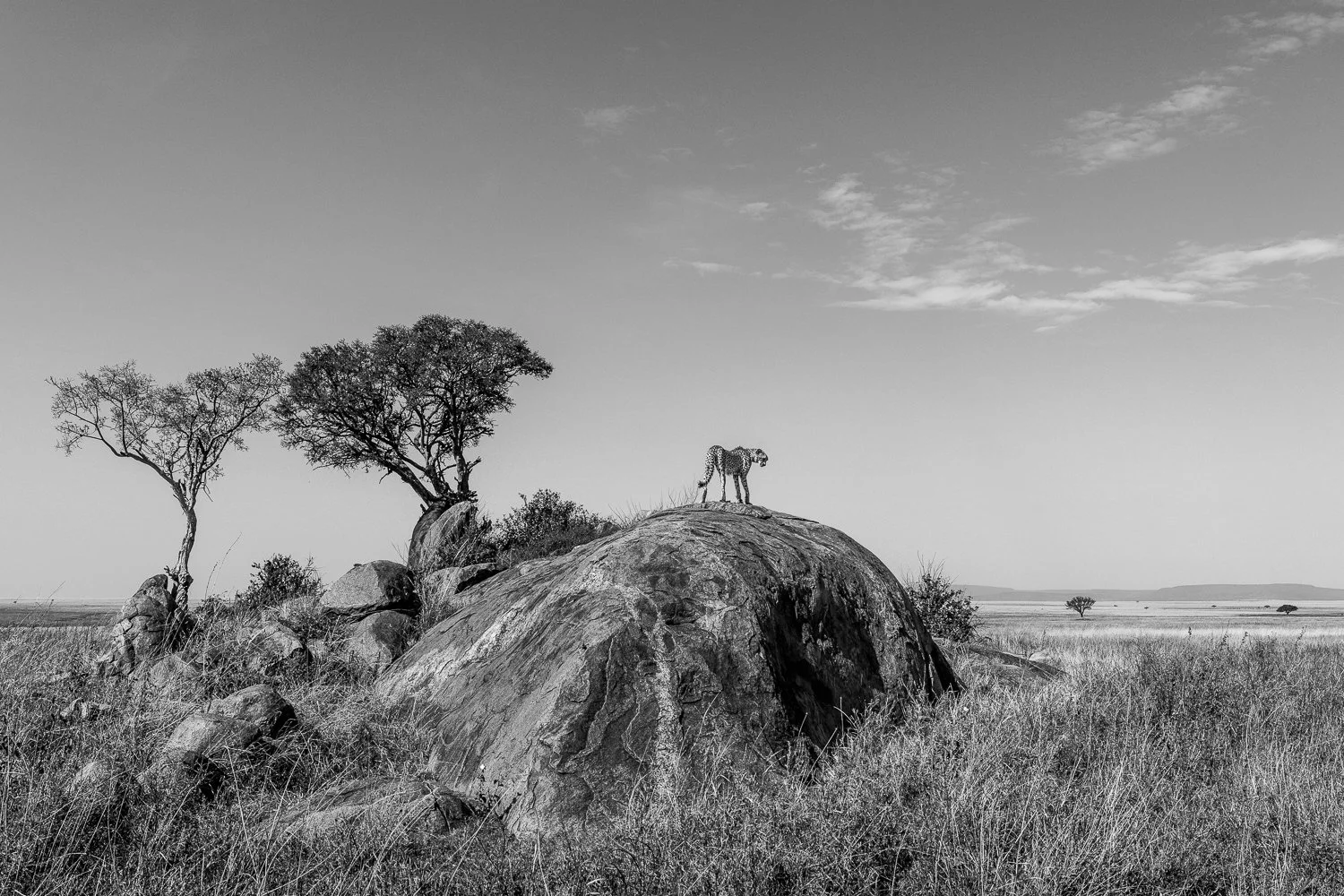
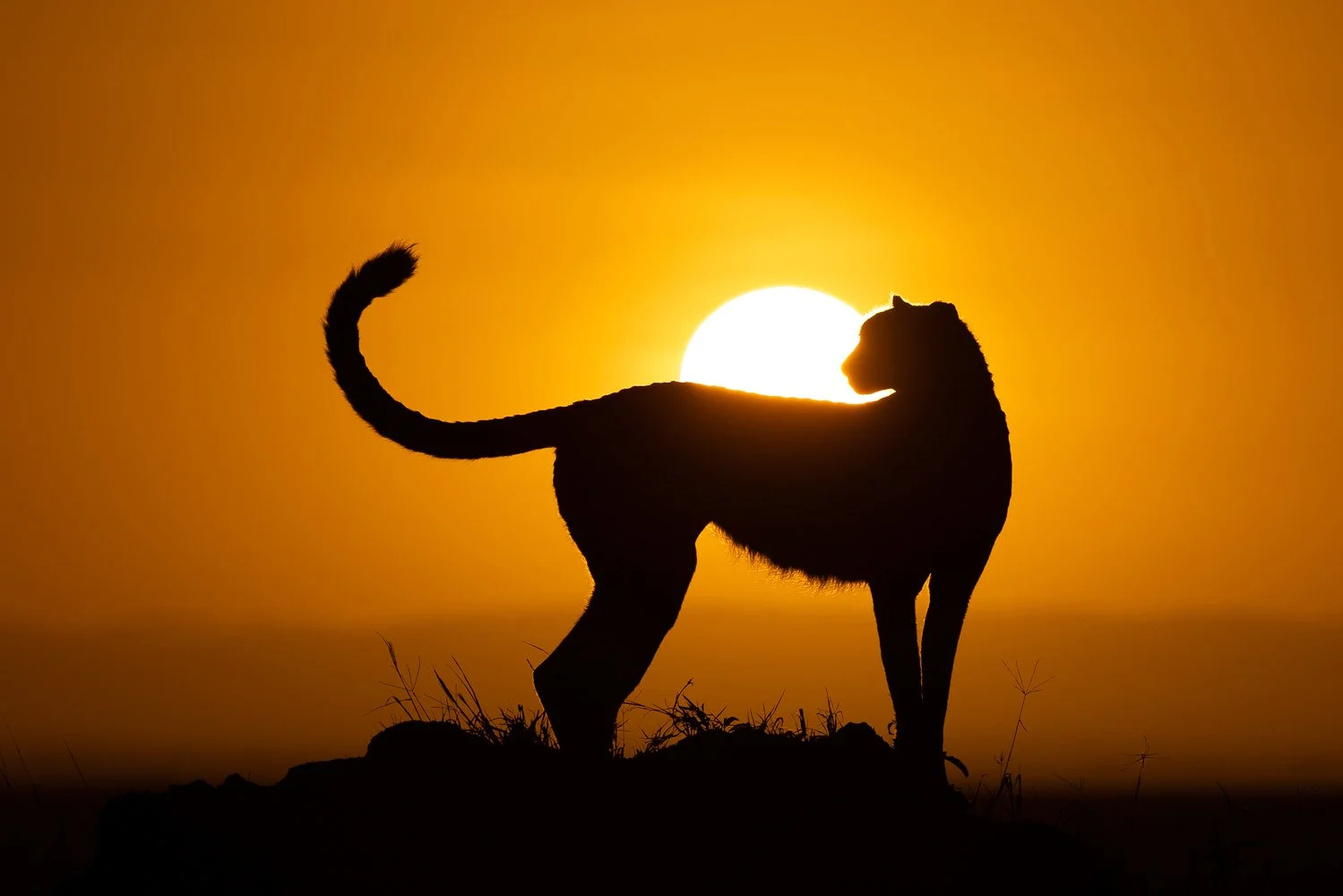
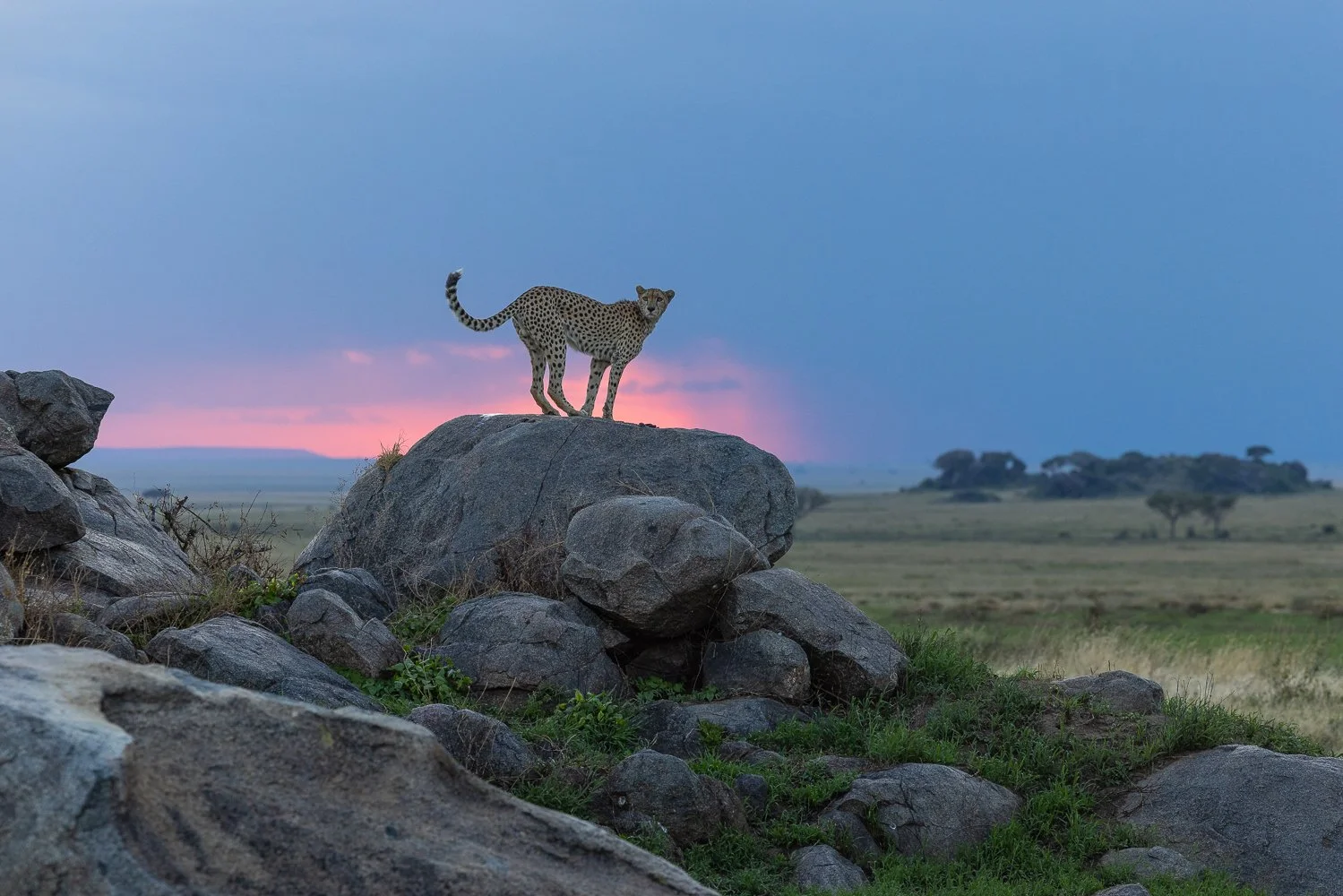
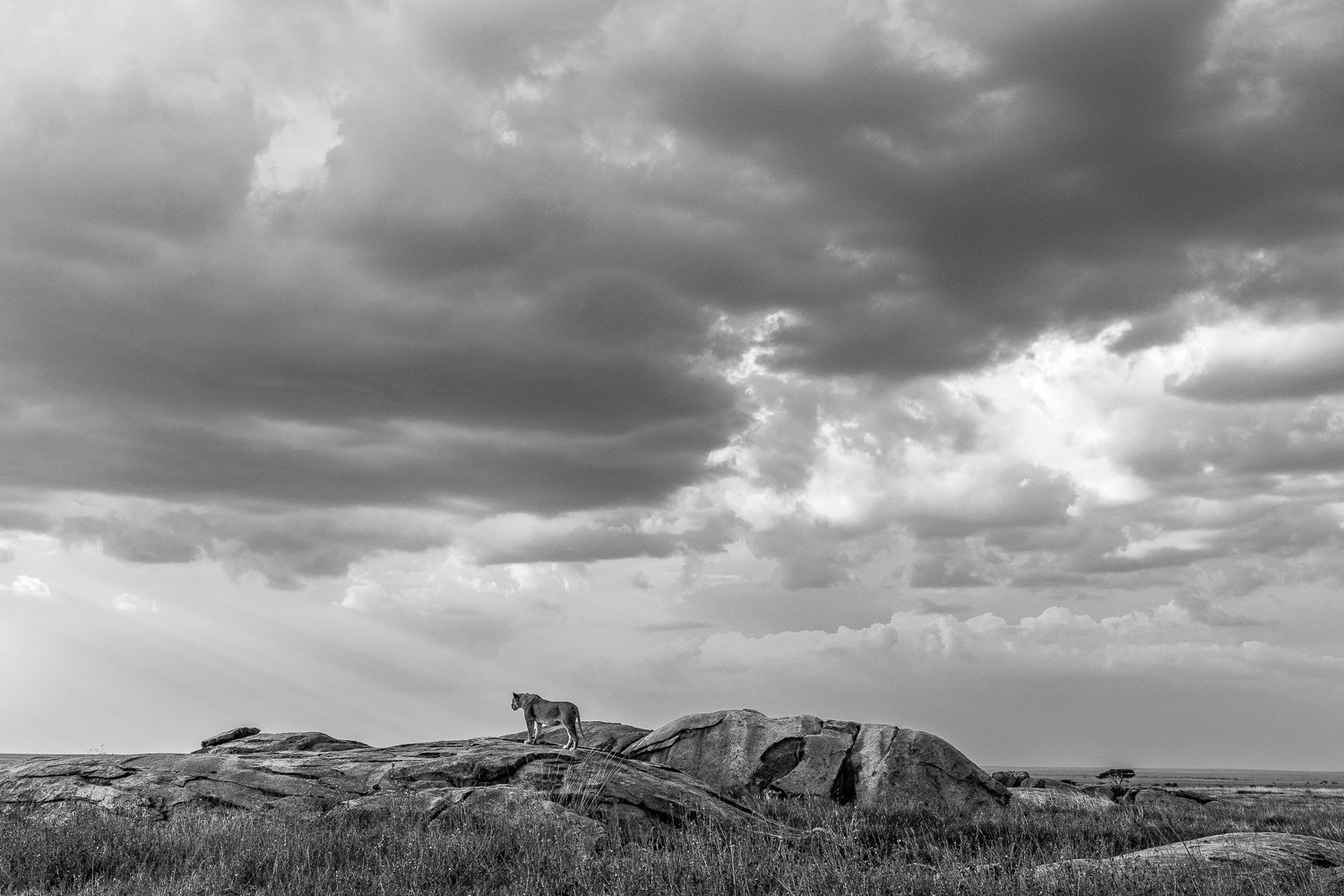
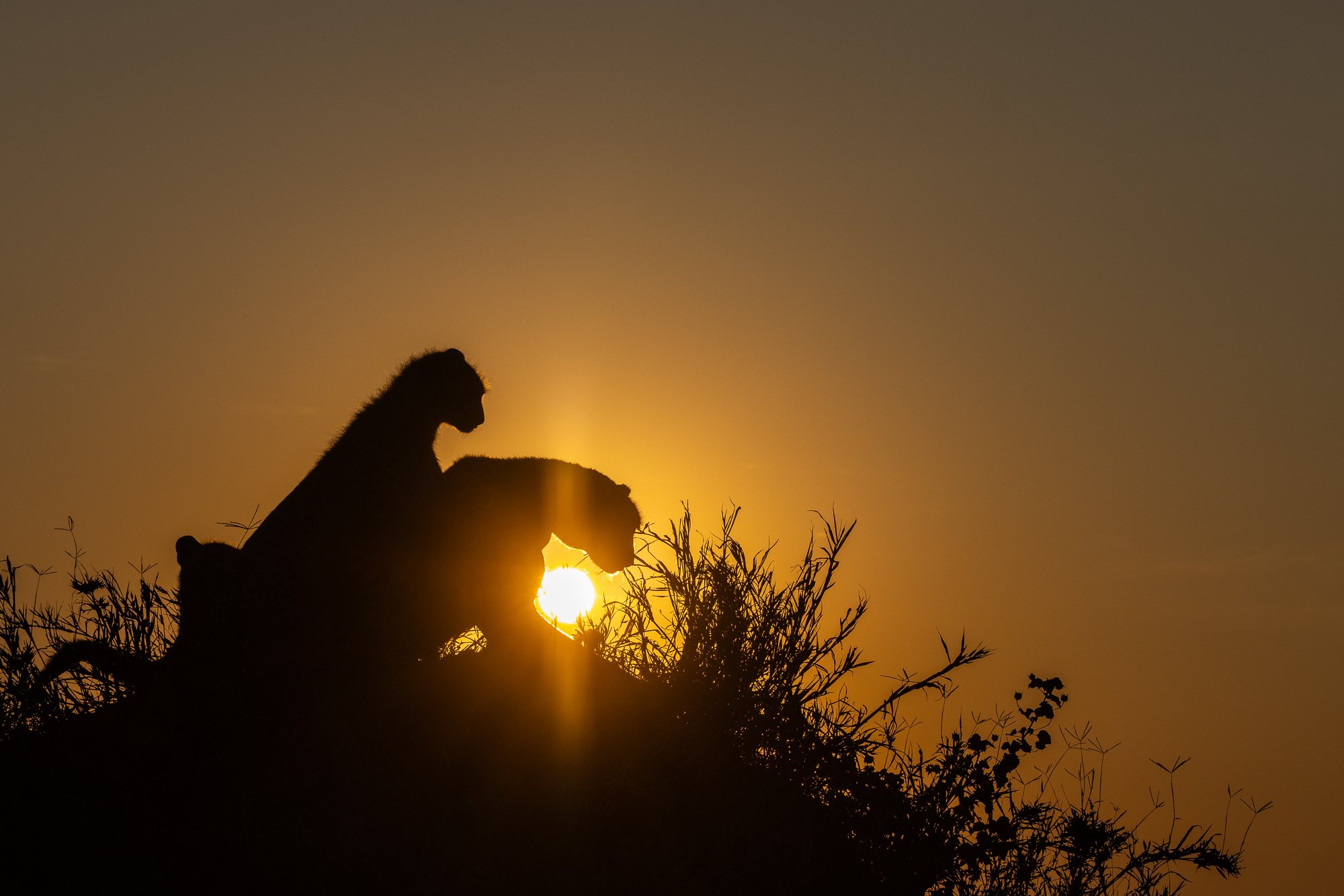
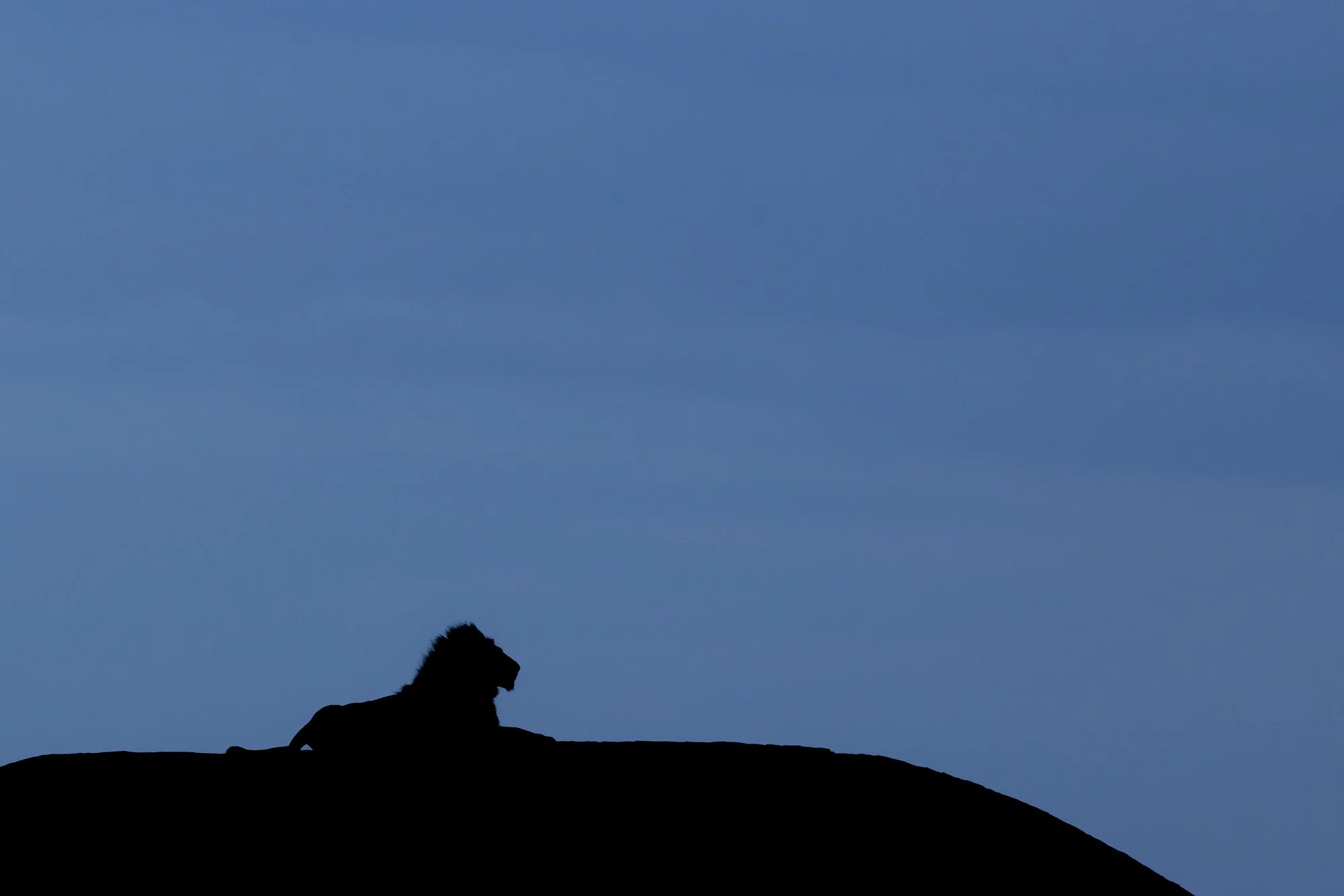
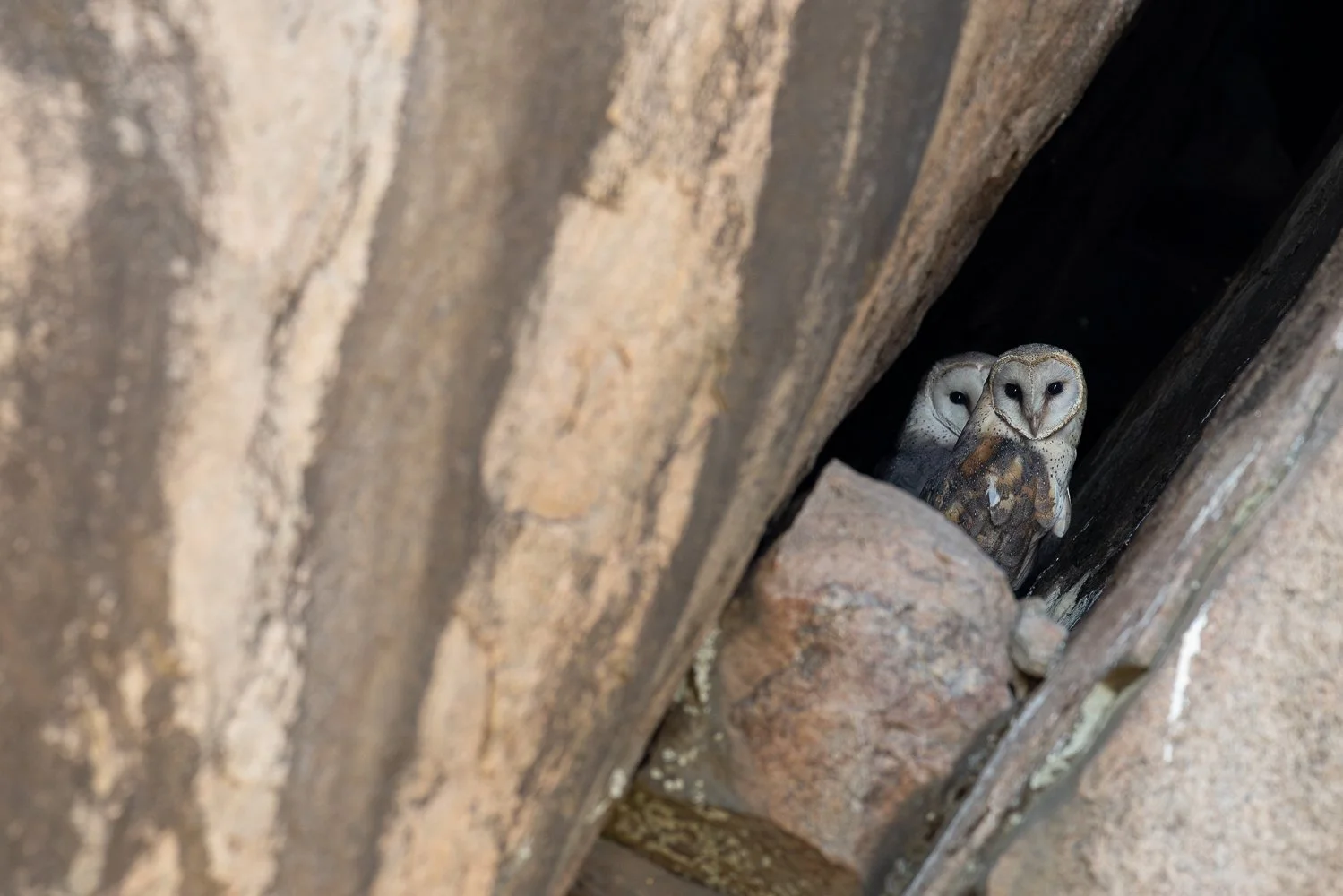
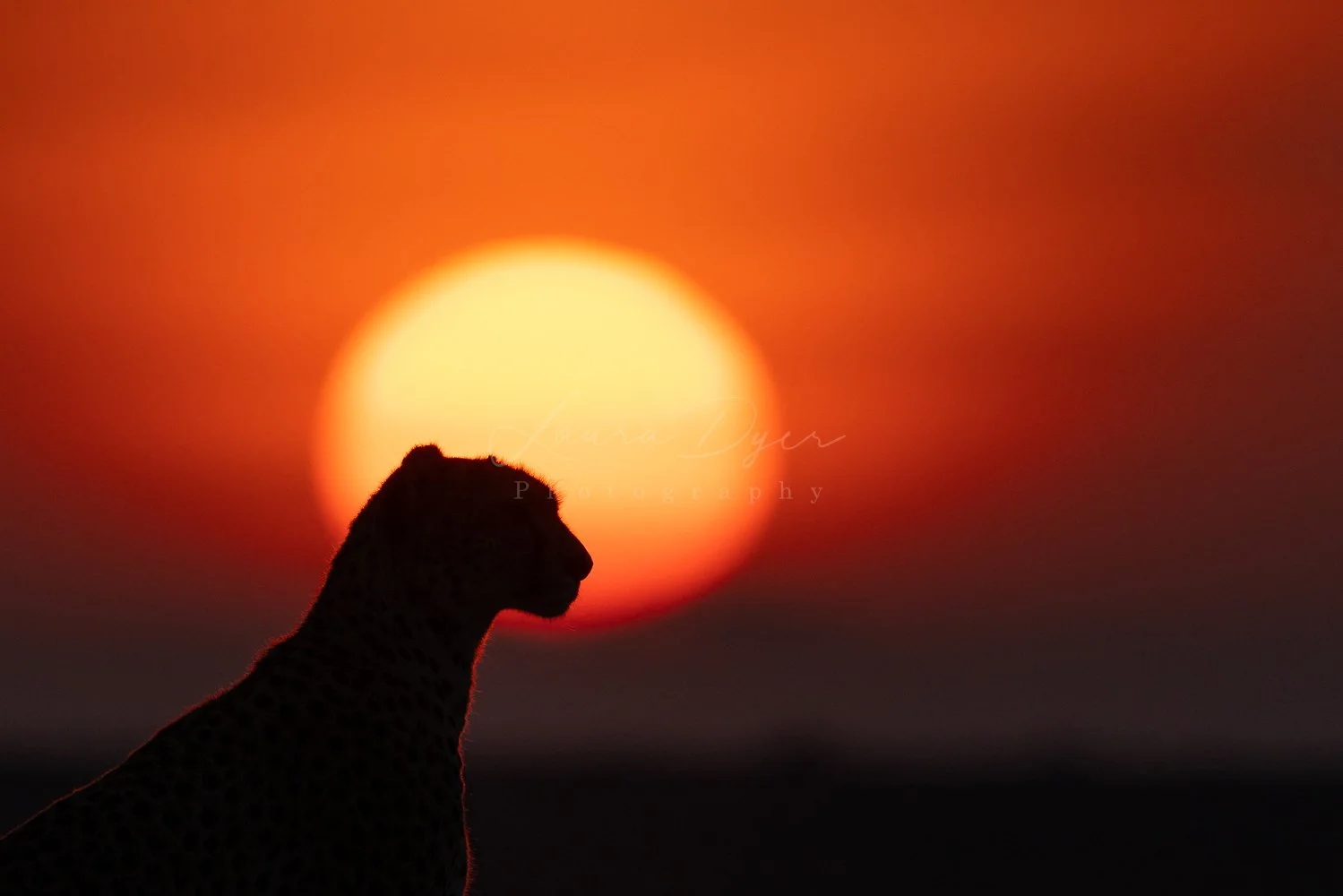
Koppies (or kopjes) are little rocky outcrops that dot the open plains in the central and eastern Serengeti (mostly). They make great vantage points for predators like cheetahs and lions to scan the open plains for prey and to keep a watch for danger. They also make great photographic opportunities with often stormy sky backgrounds or opportunities for silhouettes or lion cubs playing and jumping across the boulders. And if you’re lucky you can sometimes find barn owls nesting in the gaps between boulders.
-
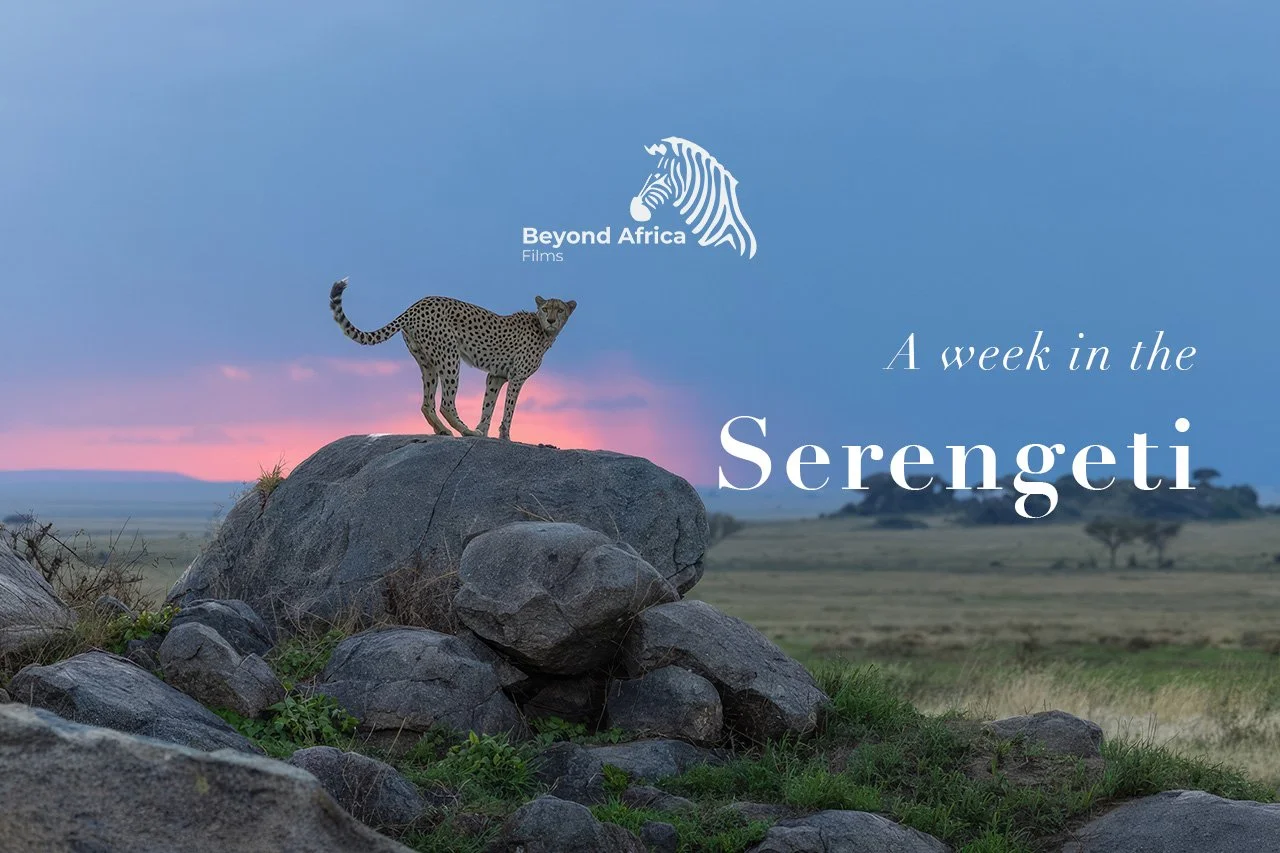
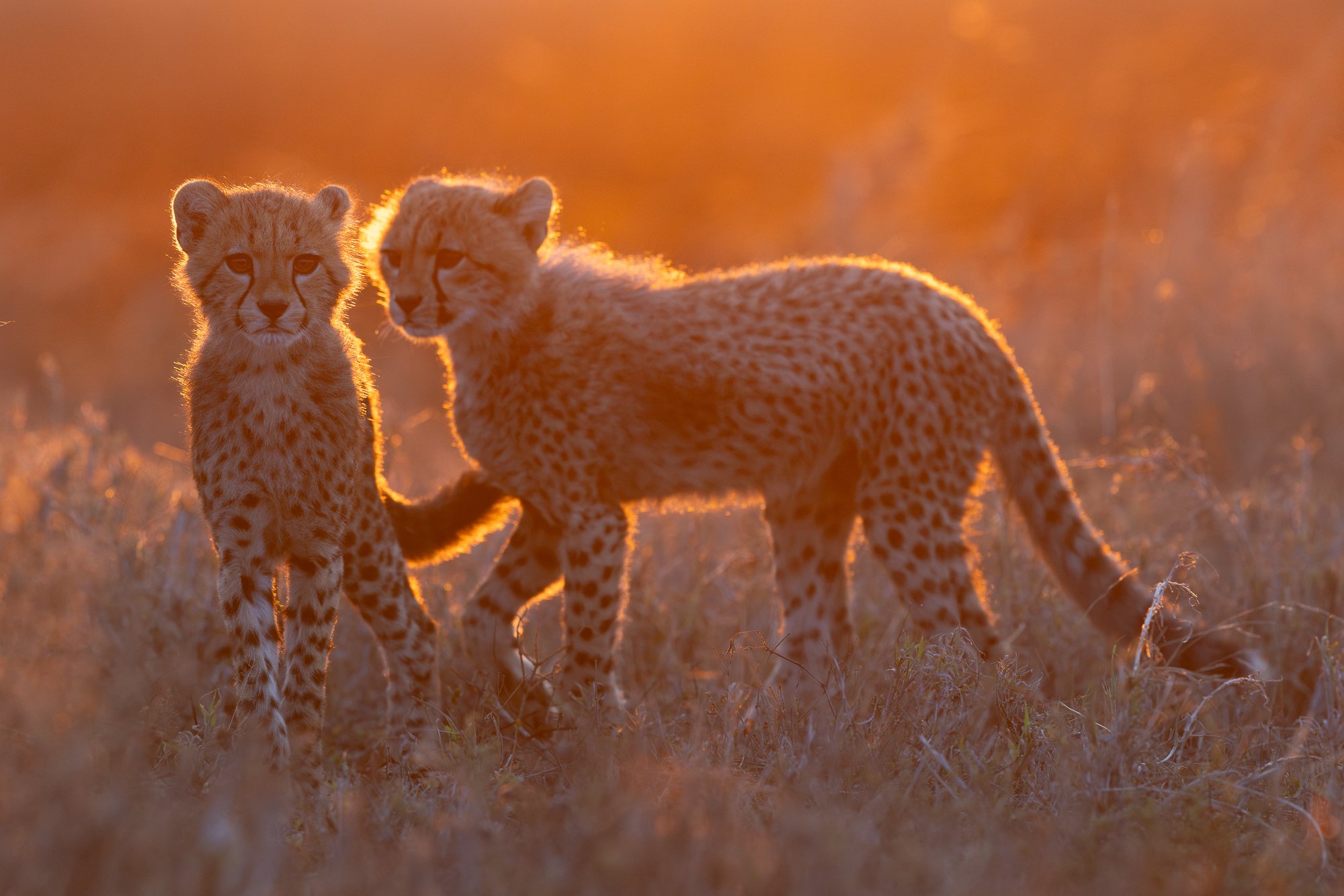
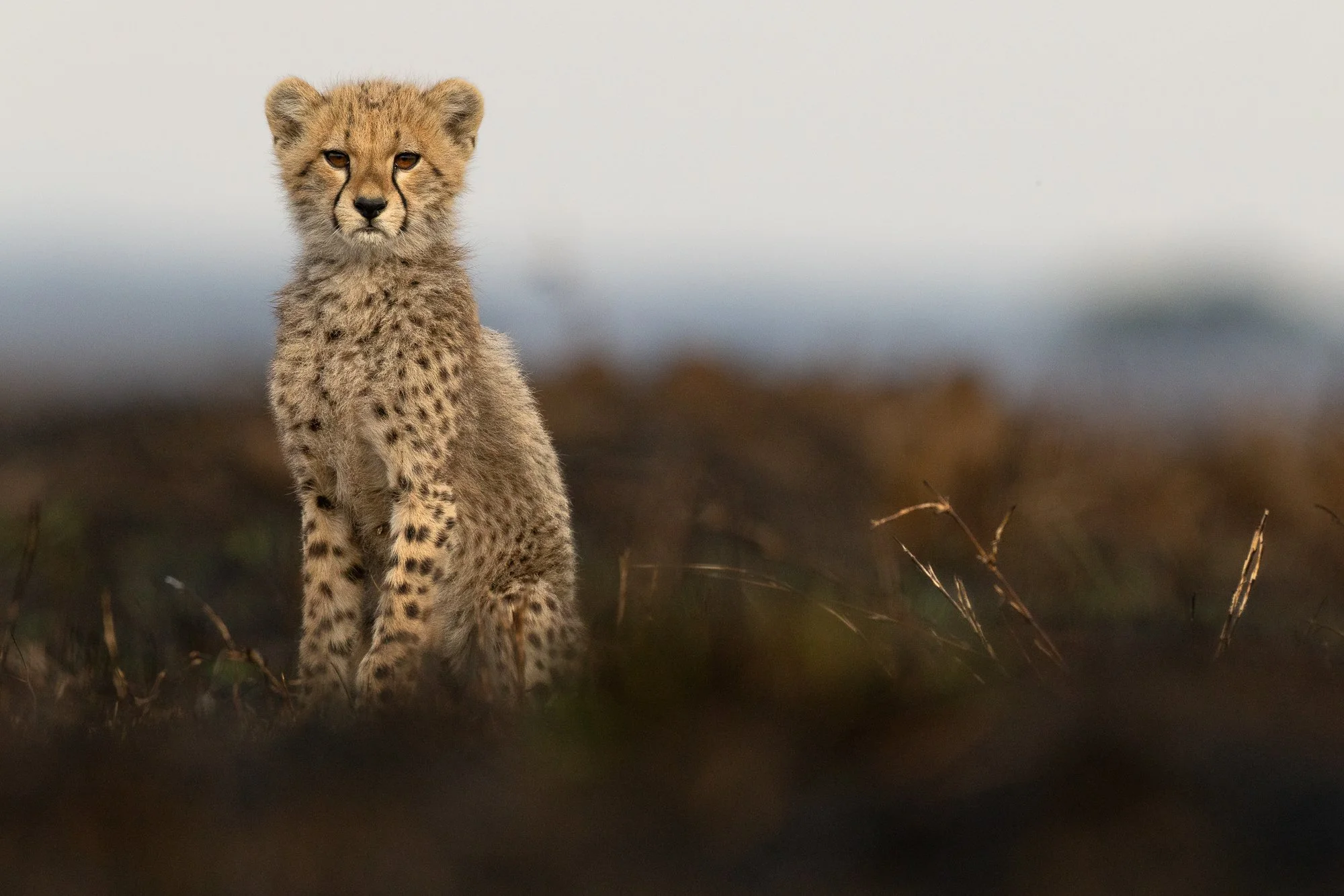
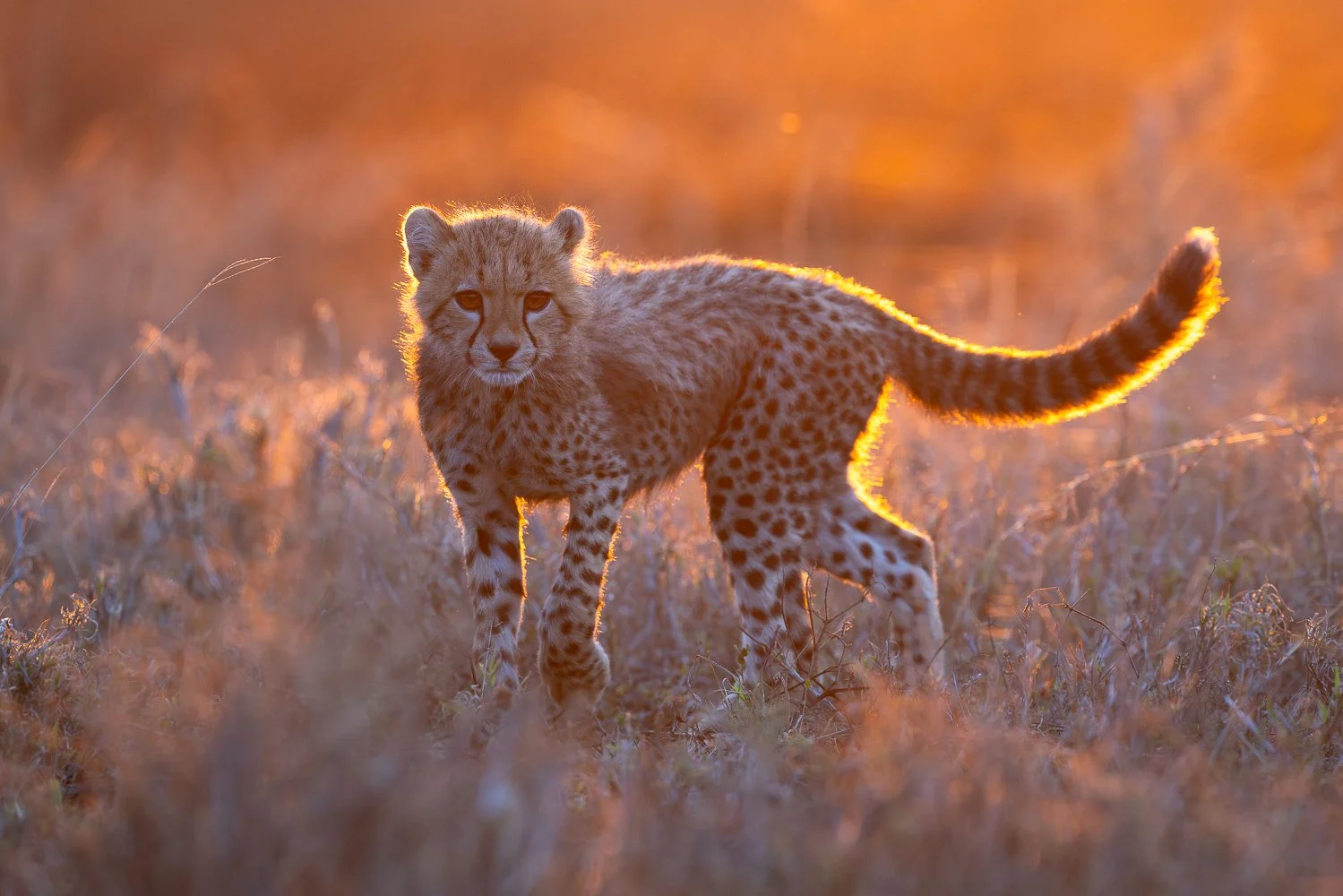
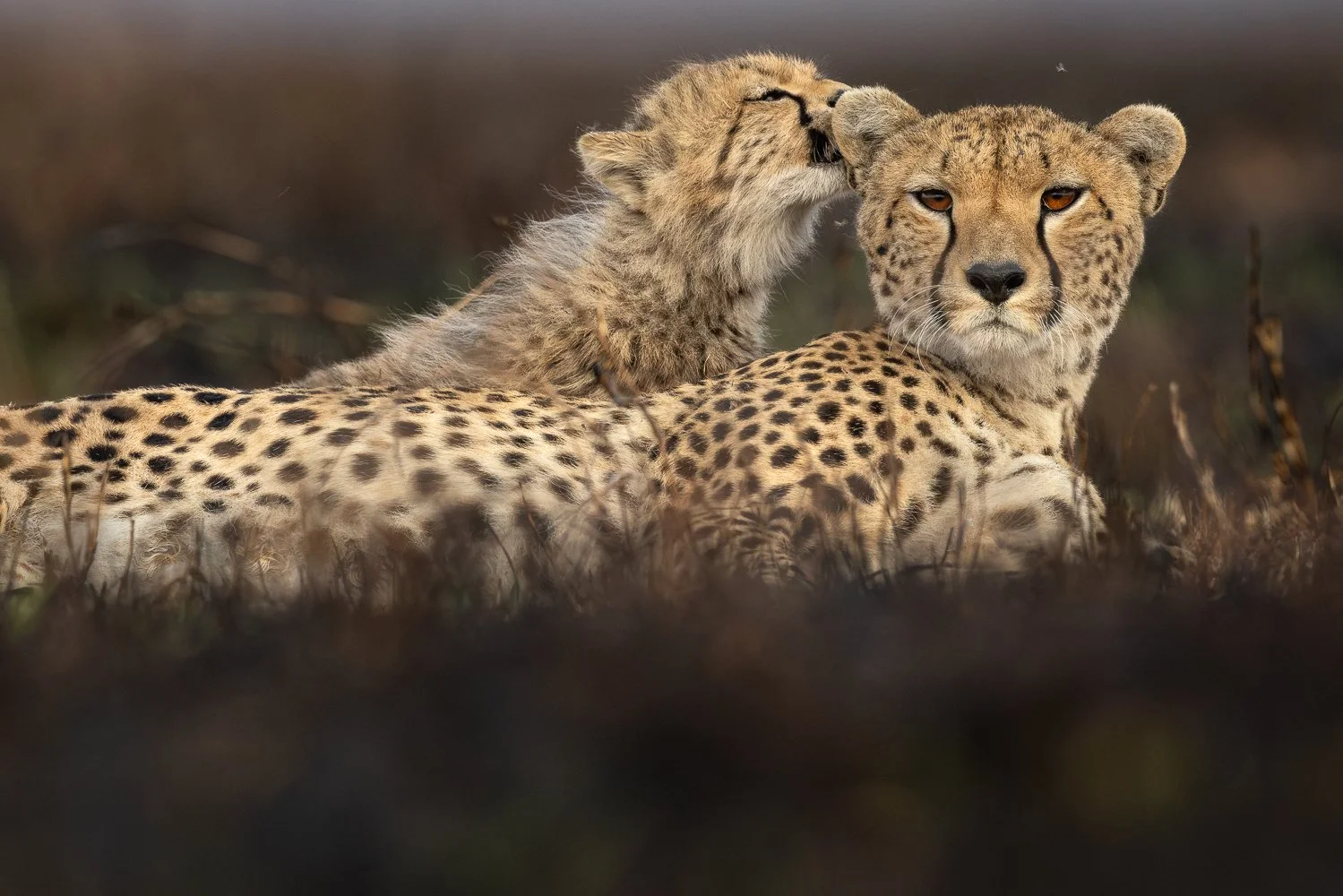
I love photographing cheetahs in the Serengeti and in my view it is the best place in Africa to see and photograph these incredible cats. The central and eastern sections are the best places to see them with the vast open grassy plains and rocky koppies making a perfect habitat for them to hunt, spot prey by climbing and scan for danger.
-
The Mara River does flow into the Serengeti from the Maasai Mara. The crossings are less dramatic however as the river in the Serengeti does not have the steep banks that are associated with the Mara. However, if you time it right (September) you can have most of the crossings coming towards you as the wildebeest make their way deeper into the Serengeti from Kenya’s Maasai Mara.
-
My favourite is September when everyone is usually up north looking for crossings back into the Serengeti. At this time I enjoy being in the central and eastern sections where there are great cheetah and lion populations who make use of the koppies. It is quiet and you can often have incredible sightings all to yourself. The rain and storms are beginning to build on the horizon ahead of the short October/November rains and so you can often have very dramatic skies. Similarly, I enjoy March in the same area as most tourists are in the South with the now-finished calving season and the Serengeti is quieting down ahead of the heavy April rains.
Photographing in the Serengeti
-
As with the Mara, the Serengeti is quite open, particularly in the South and Central sections with open plains dotted with rocky koppies and marshy areas in the Central section and vast open plains bordered by mountains with scatterings of acacias in the South. So I personally prefer a larger telephoto lens as my primary focal length (400mm +).
A 100-500mm focal range is a good balance and I always want a wide angle lens with me for those epic skies.
-
The Serengeti is a National Park and so is governed by strict gate times. You can be out from 6am to 6pm daily. This means that you definitely will be out before sunrise, but will struggle to be out after sunset.
-
Off road driving is strictly prohibited across the Serengeti with big fines if caught.