Tanzania
Year-round magic. Birthed by volcanoes millennia ago, Tanzania is rich in natural heritage. From the vast expanse of the world-famous Serengeti plains and the incredible Ngorongoro Crater to the anthropological importance of Olduvai Gorge, Tanzania is the heartbeat of Africa. The Cradle of Humankind.
Year round magic…
…for everyone. Whether you are (like me) solely focused on the wildlife or (unlike me) enjoy relaxing on tropical beaches with a good book and snorkelling coral reefs (hello sharks), Tanzania has it all. It is a country that arguably has the most diverse set of activities as well as wildlife of any country in Africa. Known for the Serengeti, there are any number of incredible parks and wildlife areas throughout the country and the spectacle is second to none. From the majestic scenes of Mt Kilimanjaro, the incredible density of wildlife in the Ngorongoro Crater, the vast, open plains of the Serengeti (a name that still gives me goosebumps from excitement) the untouched magic of Tarangire, and the friendly people, Tanzania really is a wildlife haven extraordinaire. And that’s just in the North. Great Lakes, tropical coasts, and off-grid and upcoming areas like Ruaha, and Nyerere where Africa’s largest populations of wild dogs, sable and puku roam, mean that there truly is something for everyone.
When to Visit Tanzania
Lying just south of the equator, Northern Tanzania doesn’t have the same extremes of seasons that are prevalent further south and the temperatures remain fairly consistent year-round in each location. With the Serengeti being more elevated than say Tarangire, it is slightly cooler there than elsewhere and similar to Kenya’s Maasai Mara. Northern Tanzania does, however, have a rainy season that runs predominantly from March through April and May that soaks the otherwise dry ground and provides the necessary rainwater that allows the grasses to grow and feeds the incredible wildlife. In addition, there is often a short rainy period in November with epic skies and afternoon thunderstorms that provide a much needed boost, refreshing and nourishing the landscapes for calving season in January and February when upwards of 300,000 wildebeest are born in the southern Serengeti but elsewhere the wildlife may be scattered and viewing is challenging. Peak season is definitely from July through October but not necessarily because the wildlife viewing is better but because the famed Great Migration usually is crossing rivers into Kenya’s Maasai Mara during this time so most of the tourists are visiting the Northern Serengeti at this time. This of course has the knock-on effect of an increase in tourism across Tanzania during these months as tourists try to couple seeing the migration with exploring other areas that it has to offer so places will feel busier and less exclusive and intimate. So if the migration is something you want to see then these are the months to think of travelling but be warned it will be busy. Of course travel in this time can be epic if you want to avoid the migration crowds and have incredible wildlife sightings to yourself (just with fewer wildebeest).
JAN
Good
FEB
Excellent
MAR
Very Good
APRIL
Good
MAY
Mixed
JUN
Good
JUL
Mixed
AUG
Mixed
SEPT
Very Good
OCT
Good
NOV
Excellent
DEC
Very Good
Top Destinations
-
![Lioness on rock in Serengeti]()
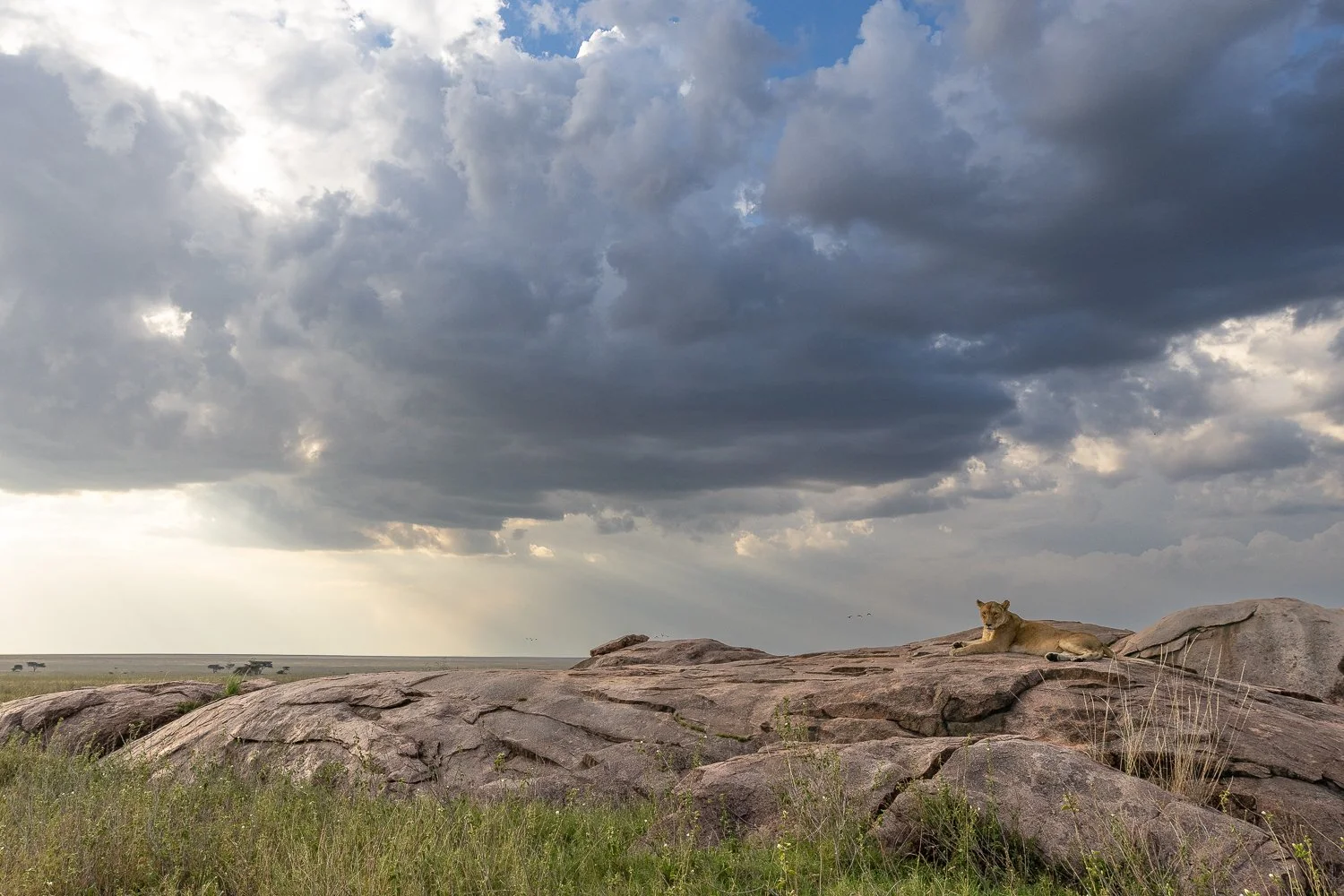
Serengeti
Even just the name gives me goosebumps. There is still a wildness here that grabs at your soul and drags you into an exhilarating adventure.
-
![Baobab tree at sunset in Tarangire]()
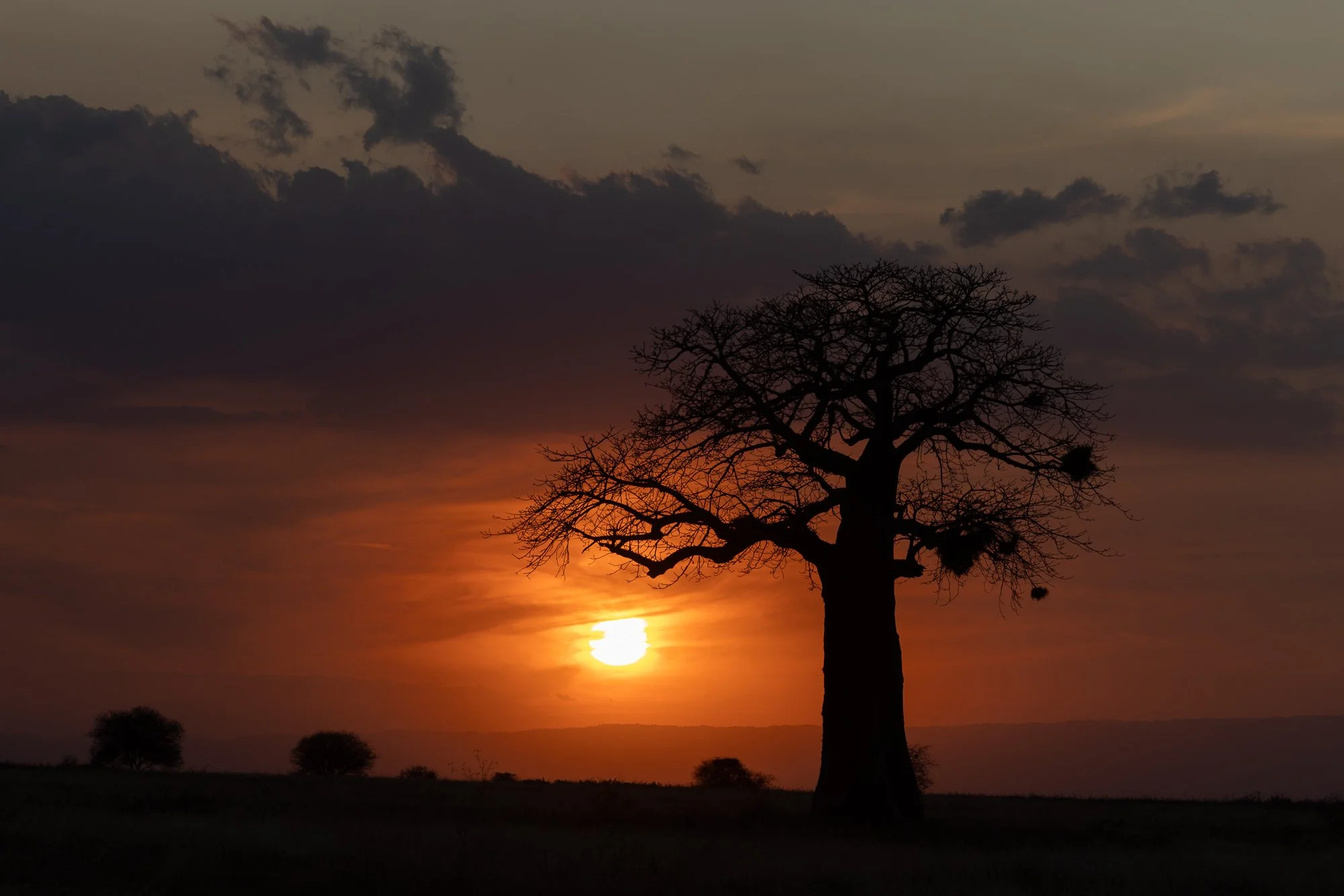
Tarangire
Baobab central and home to some of the biggest herds of buffalos you will see. A raw, unfenced wild area surrounding the Tarangire Swamp full of incredible birds and abundant wildlife.
-
![View from Ngorongoro lookout point as you approach the conservation area entrance.]()
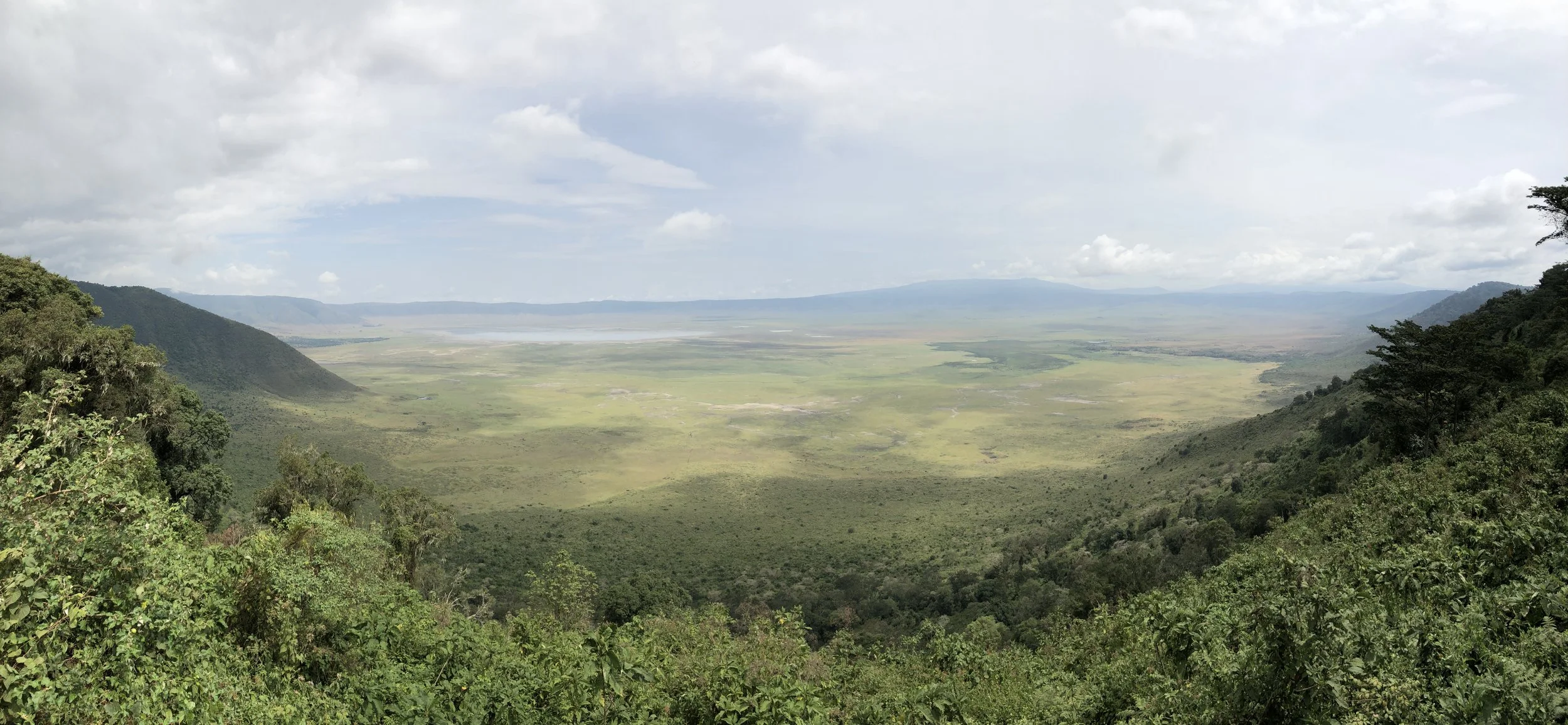
Ngorongoro Crater
One of Africa’s greatest natural wonders and a UNESCO World Heritage Site, Ngorongoro Crater is a site to behold. And one you will never forget.