
Volcanoes National Park
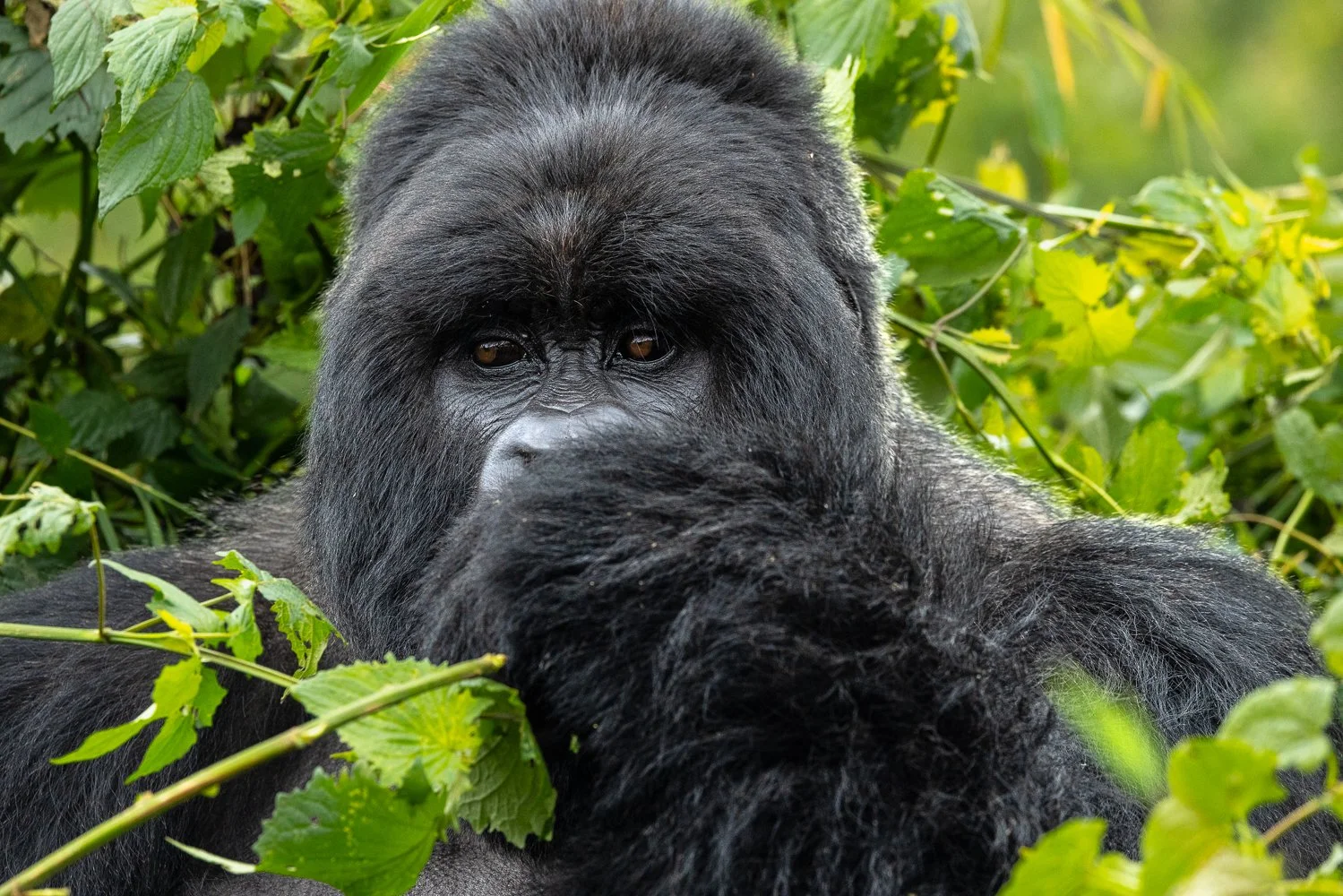
Home of the Mountain Gorillas, possibly Africa’s single most exhilarating experience.
What to expect…
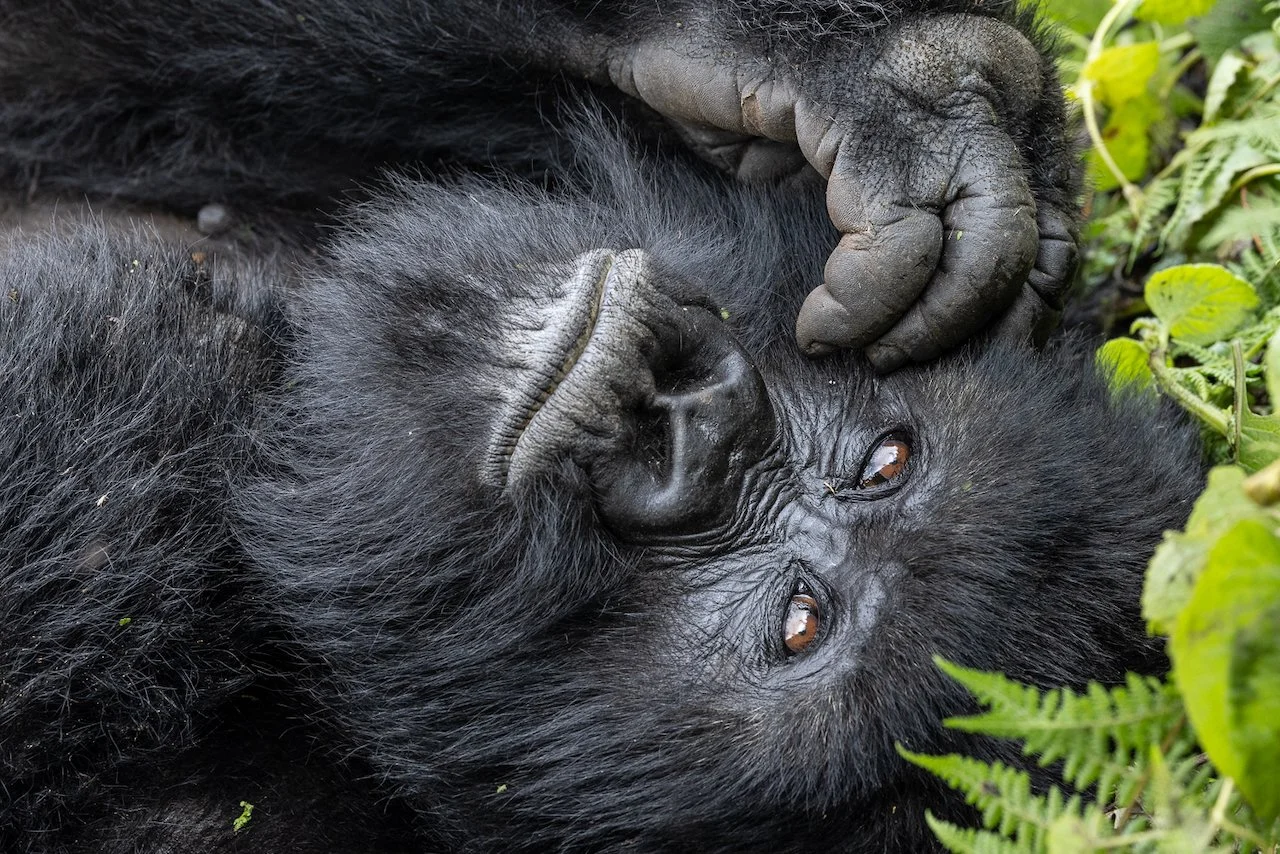
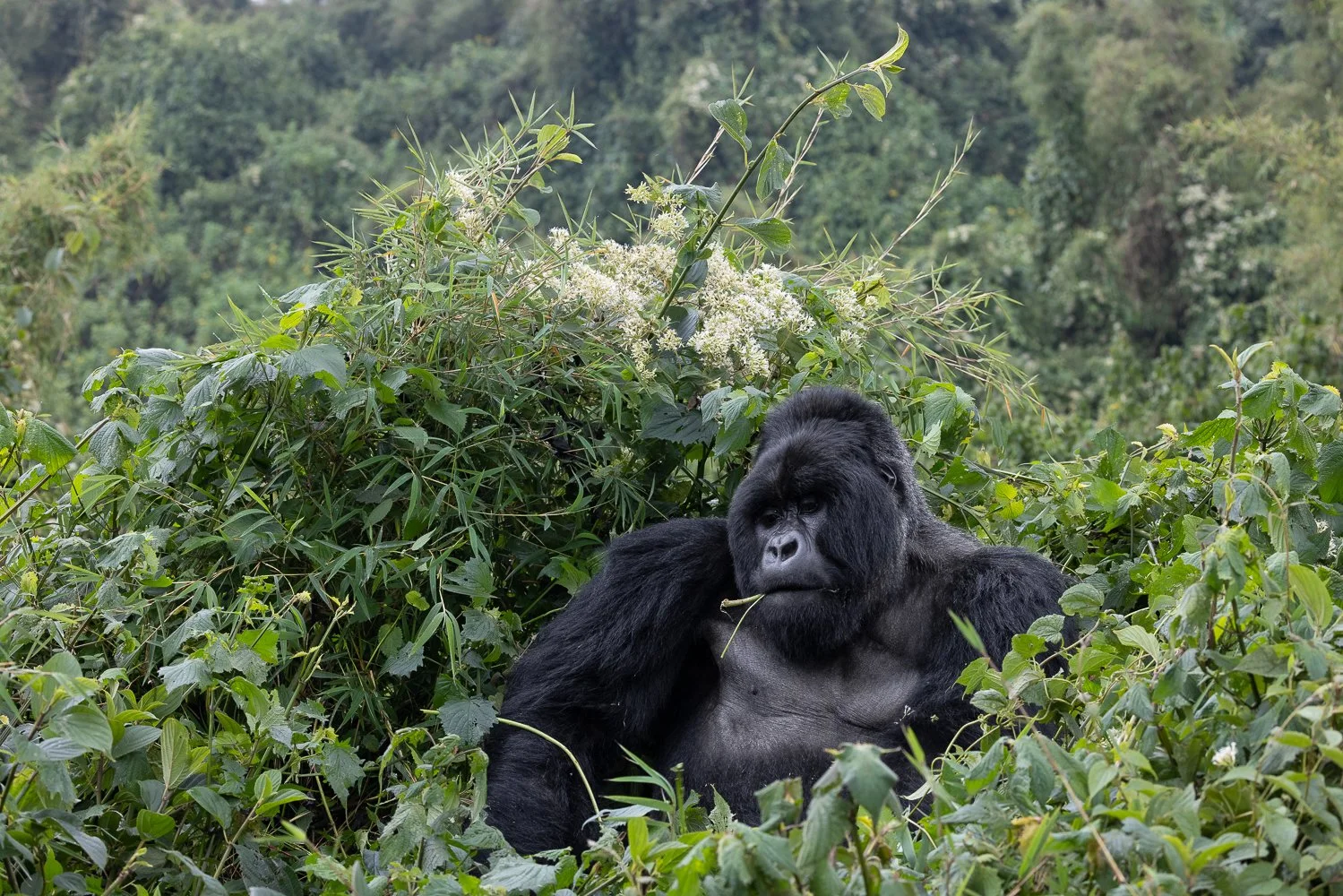
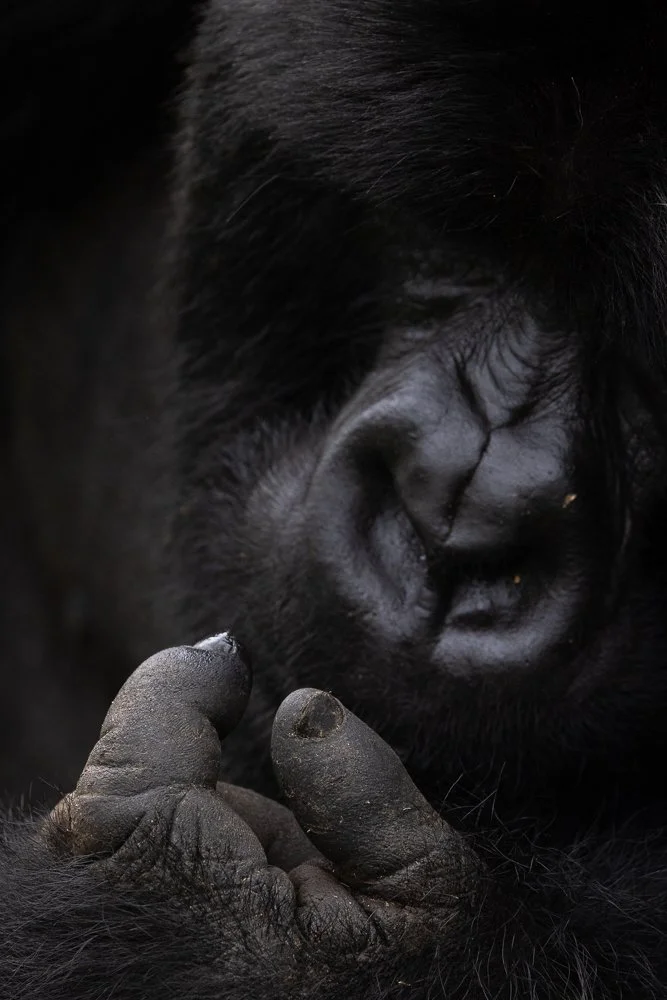
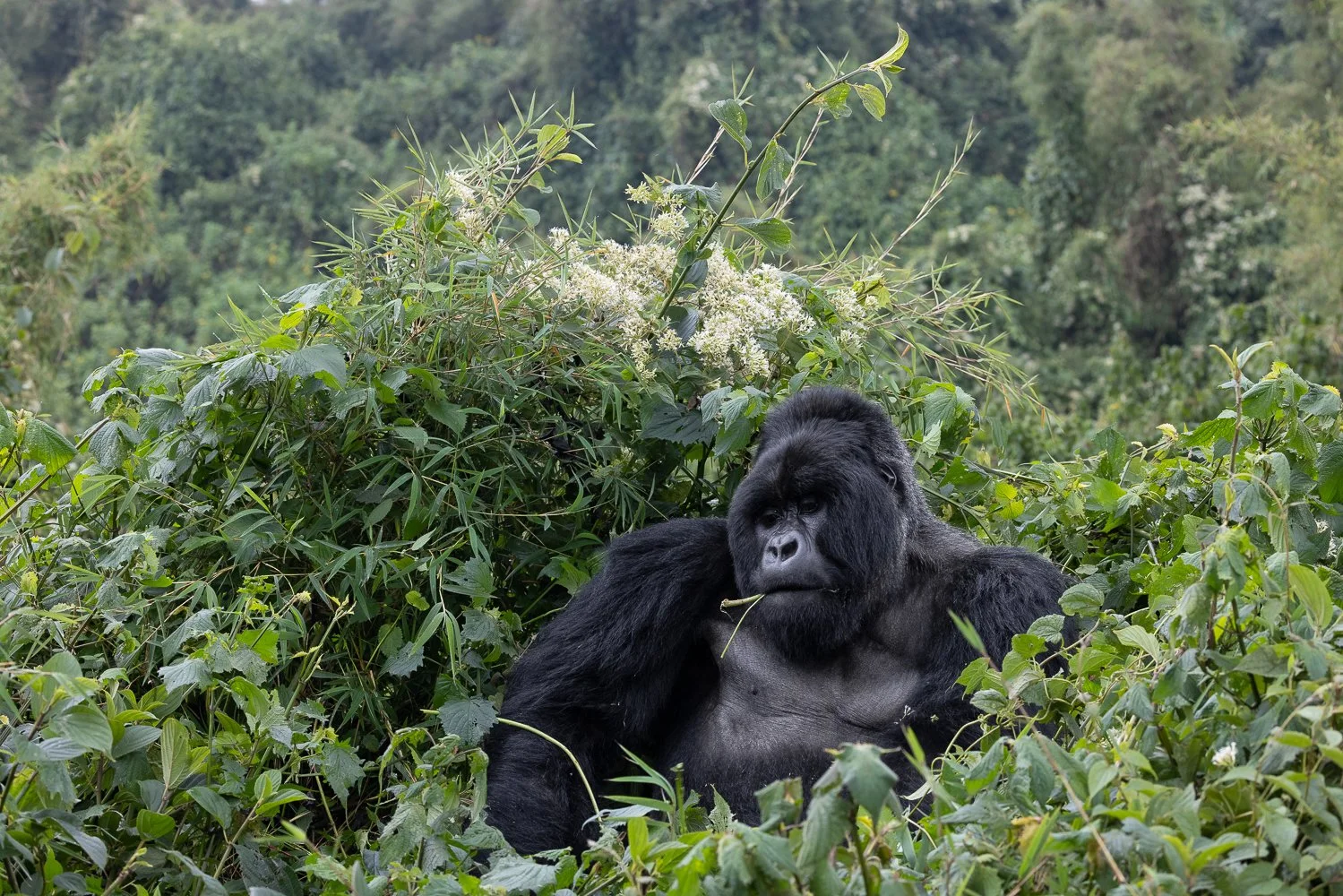
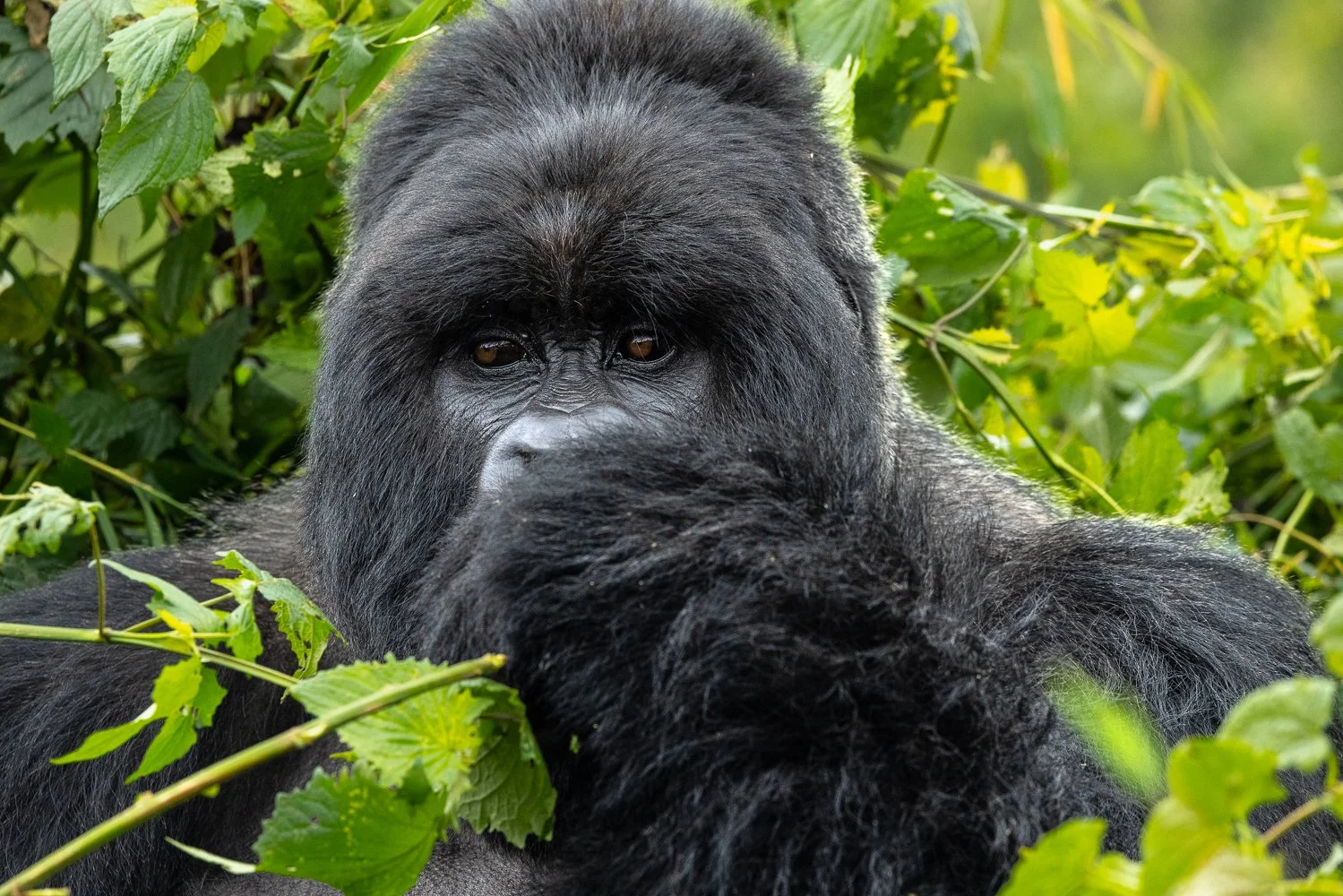
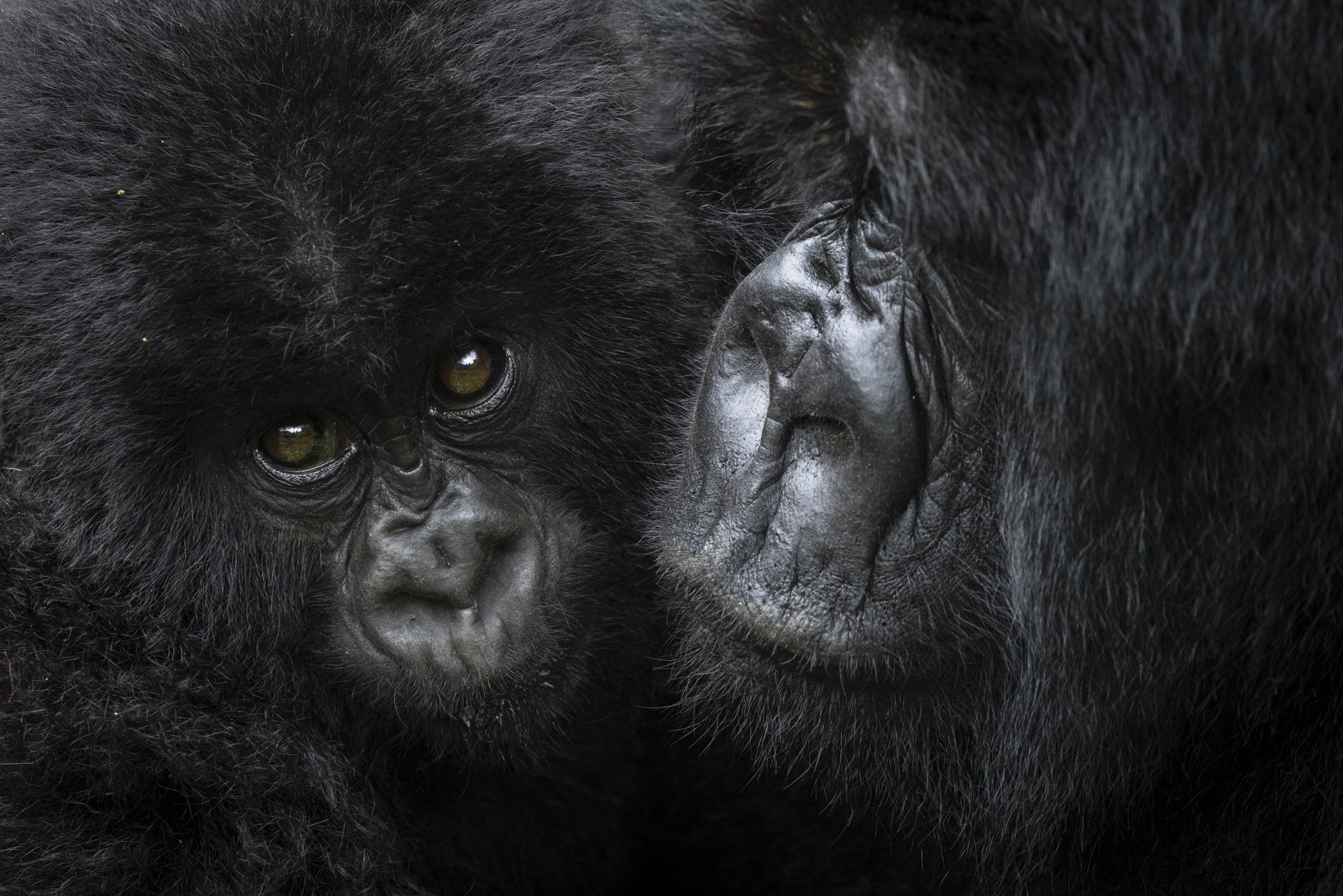
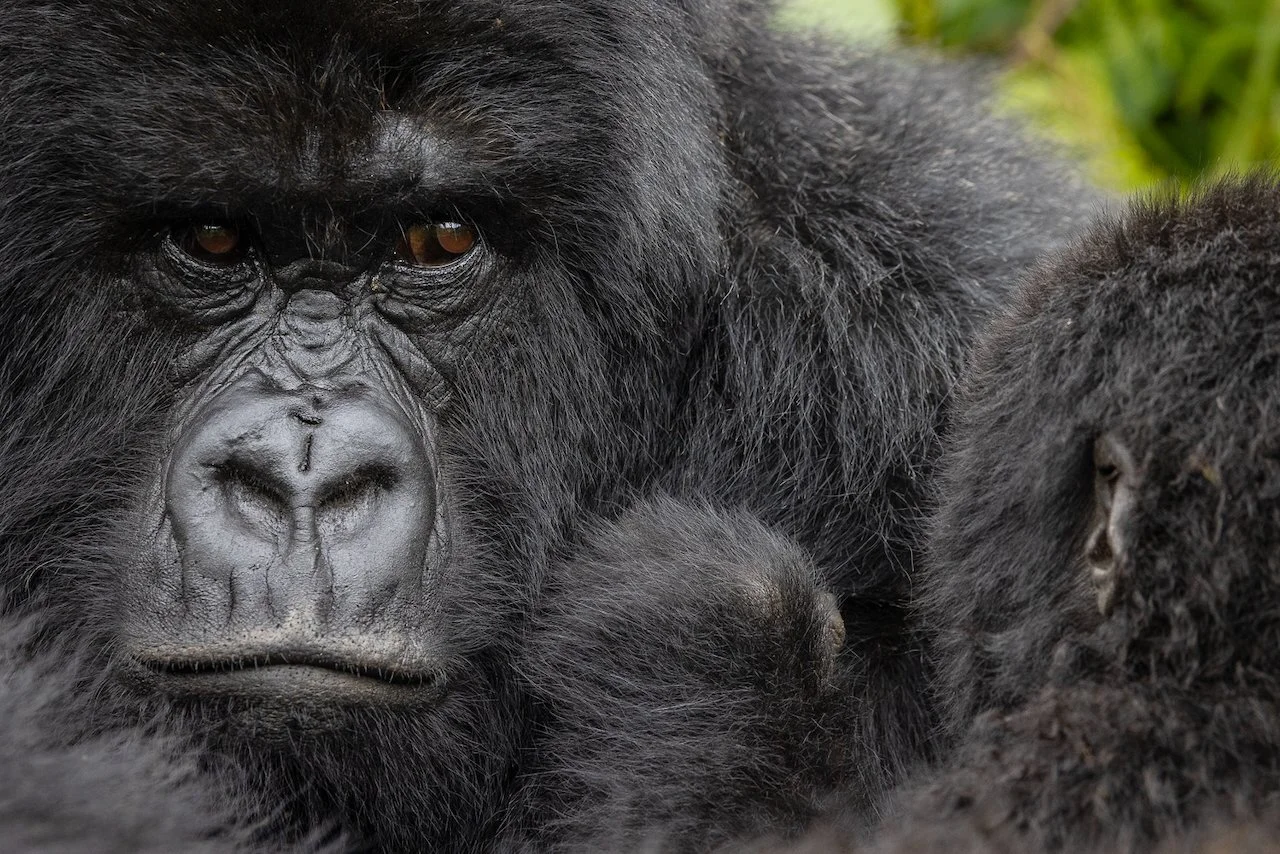
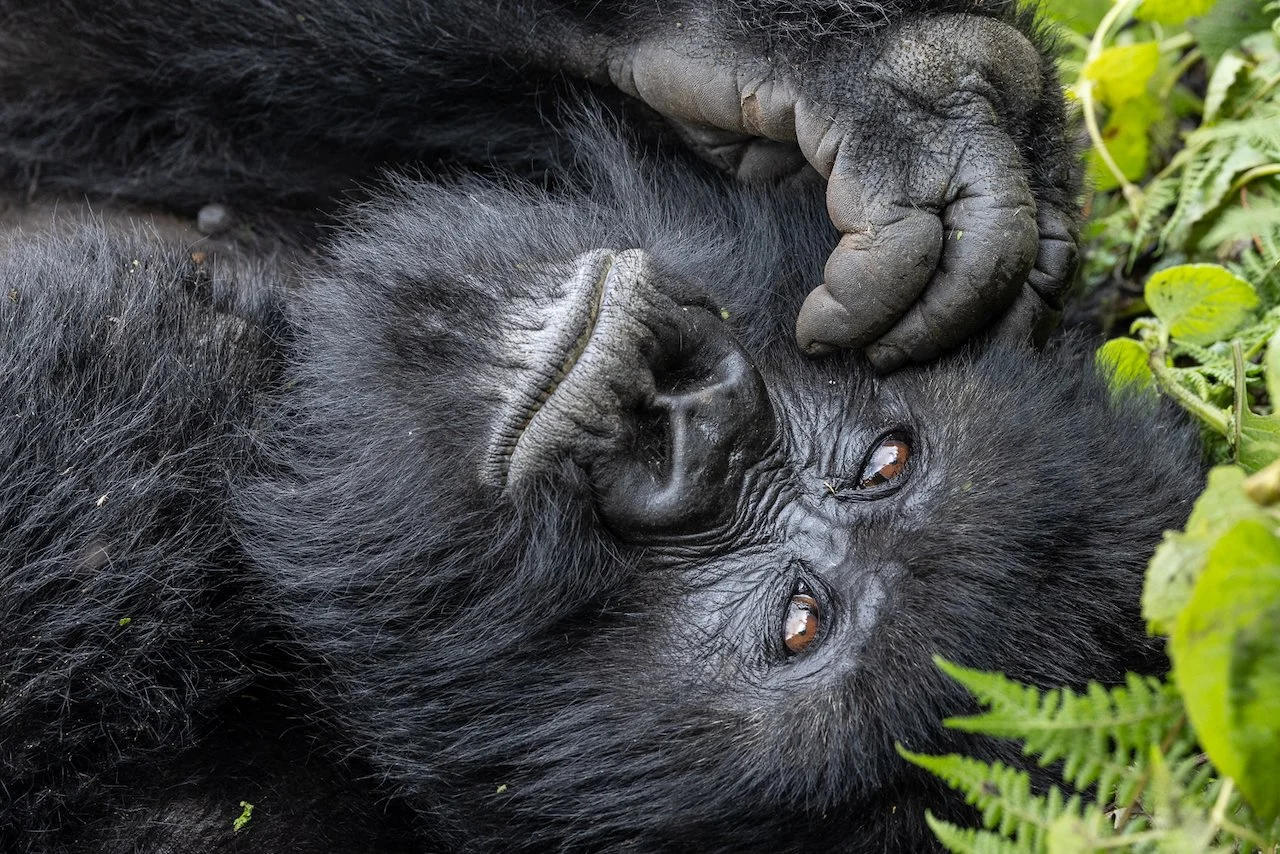
There is something in our collective psyche that draws us to gorillas. Something evocative about the mist, the primal jungle habitat they live in, the idea of climbing a mountain to spend one precious hour with one of our closest relatives as they gently munch on leaves and bamboo, and frolic with their babies, equally interested in us as we are in them. The rules around gorilla trekking are strict, you get one hour from the moment you join the family. This is in order to protect them from human diseases, as being such close relatives of ours they are highly susceptible to our viruses. You also have to wear a mask when with the family, and, naturally, no touching or approaching close is allowed. They are a naturally docile ape, chewing away on undergrowth, grooming one another, napping often and playing with the youngsters in a very human-like way.
When to Visit
Volcanoes National Park is great to visit all year round, though with the long rains of April through May this makes trekking much more difficult due to the mud and visibility worse with the mist and clouds. Short rains in November can have similar effects on hiking. Of course, being wetter generally leads to more mist and atmosphere as well.
Due to its location, Volcanoes National Park can experience rain all year round but the predominantly drier months of January through March and June through October provide the easiest trekking.
JAN
Excellent
FEB
Excellent
MAR
Very good
APRIL
Mixed
MAY
Mixed
JUN
Very Good
OCT
Excellent
NOV
Good
DEC
Very good
AUG
Excellent
JUL
Excellent
SEPT
Excellent
Your Questions, Answered
These are some of the most common questions I get asked about hiking to see the gorillas in Rwanda.
Hiking in the Volcanoes National Park
-
The gorilla permits in Rwanda cost $1500 per trek for foreign visitors. There are different rates for African citizens and residents ($500).
-
Very close at times. Often you will find the gorillas in the bamboo forest or in a little clearing that they’ve created or moved to. While you have to try to maintain a comfortable distance, often the gorillas themselves close the gap to within a few meters.
-
Gorillas share 98.3% of their DNA with humans making the potential transfer of airborne diseases more likely between humans and gorillas. We wear masks when we are near to protect them from any diseases we may be carrying which seems a small price to pay to keep this tiny population safe and healthy.
-
The treks vary in difficulty. If you are allocated a gorilla family that is further away or higher up the mountain, the trek can be significantly more demanding than families further down the slopes. Additionally, if it has been raining the ground going up through the dense forest can be muddy and steep at times making underfoot quite slippery. The closest families will be maybe a 40 min trek away so a total time of 2.5 hours (out, back, plus an hour with the gorillas) while some of the further families can lead to treks of up to 6 or 7 hours in total.
-
Rwanda is more expensive than Uganda though they share the same mountain and it is the same population of gorillas. The difference is that in Rwanda you have some latitude to choose your trek option so if you are elderly or unfit or prefer easier treks you will have some leeway to ask for closer families. In Uganda you are simply allocated a family and that could be a short or long trek and you have no control over that. The shorter treks are generally offered to groups that have elderly tourists or people with a medical/health issue while the fitter groups will generally be allocated gorilla families that are further away.
-
From the moment you see the gorillas you have exactly 60 minutes with them. So the key (and the guides will know and assist with this) is that you want to find the gorillas when they are resting. If you find them while they are moving, your time starts then and you will have to attempt to follow them where there are no paths and through often dense jungle and muddy terrain. The gorilla guards follow the gorillas each day and know where they bedded down for the night, meaning that the next morning they will go out early and find them and then follow them until they come to rest and call you in to the sighting.
Photographing the gorillas in Rwanda
-
You want to bring a wide angle for those shots of the gorillas, the mist and the epic views over the mountains and valleys and then a 70-200 for some closer up portraits.
When trekking you can carry everything in a backpack but when you find the gorillas, just before going in to see them, you will leave your backpacks with the guards who will watch over them and then carry your cameras in to the sighting with you.
A key thing to keep in mind, however, is that you can never place a camera on the ground and they must be connected to you at all times. This is both for safety and also the young gorillas will very quickly swoop and grab anything left on the ground and you will never see your camera again so it is imperative that you also bring straps so that you can connect your cameras to you. Lens caps and other bits should be left with your bags when you find the gorillas.