
South Luangwa
There are scenes and animals you simply do not find anywhere else, with wildlife that is not sanitised by decades of human habituation.
There is still a wildness here that grabs at your soul and drags you into an exhilarating adventure.
What to expect…
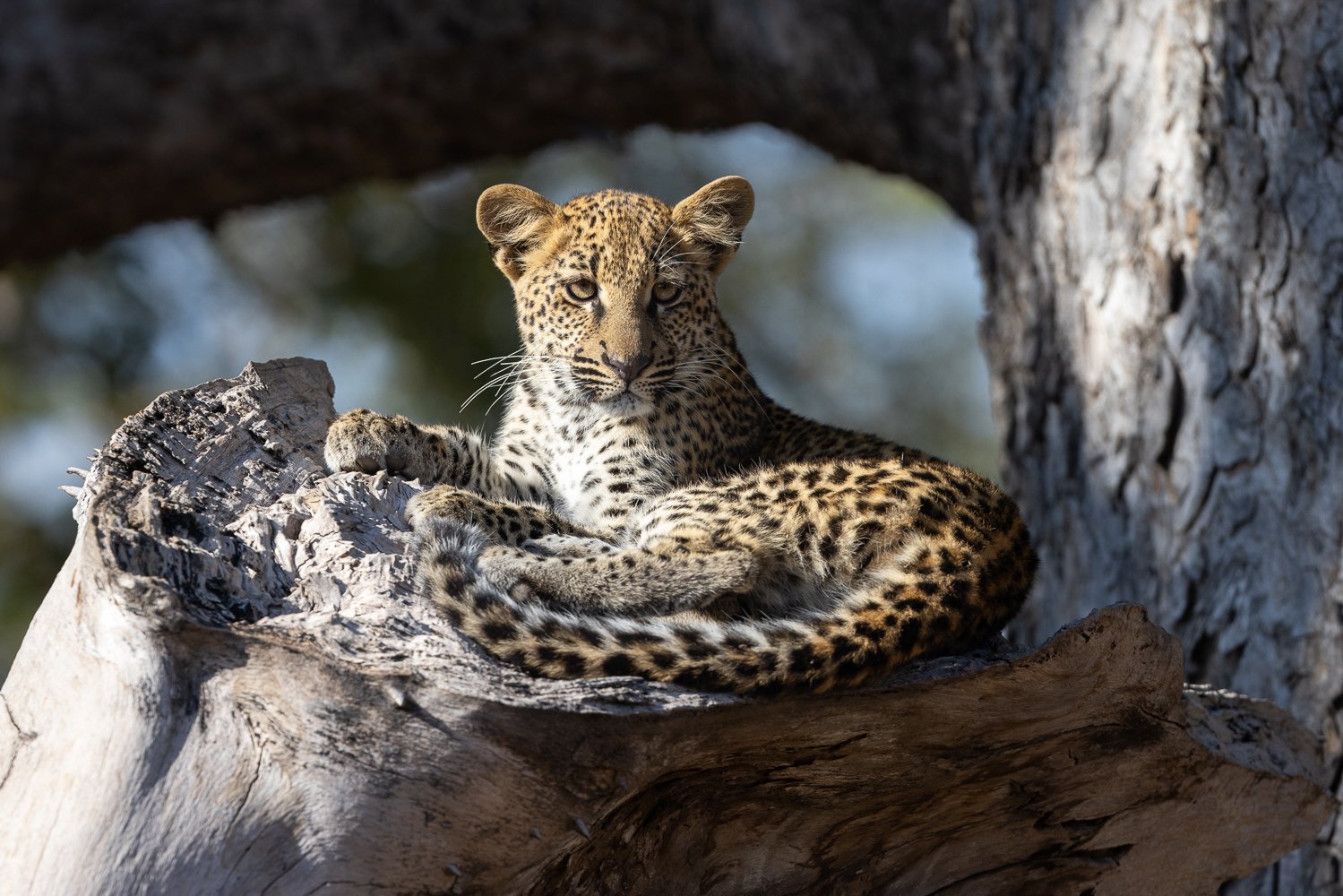
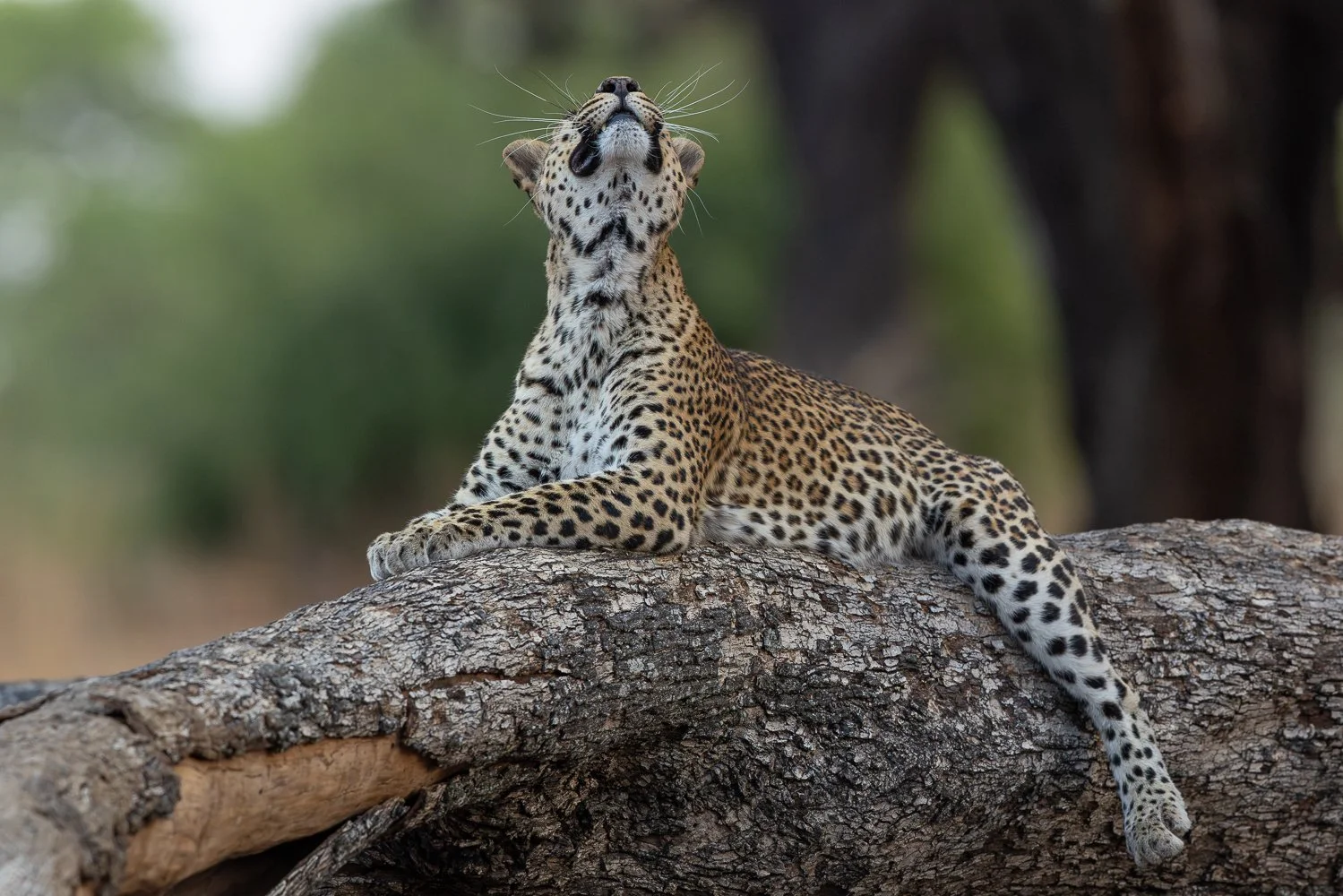
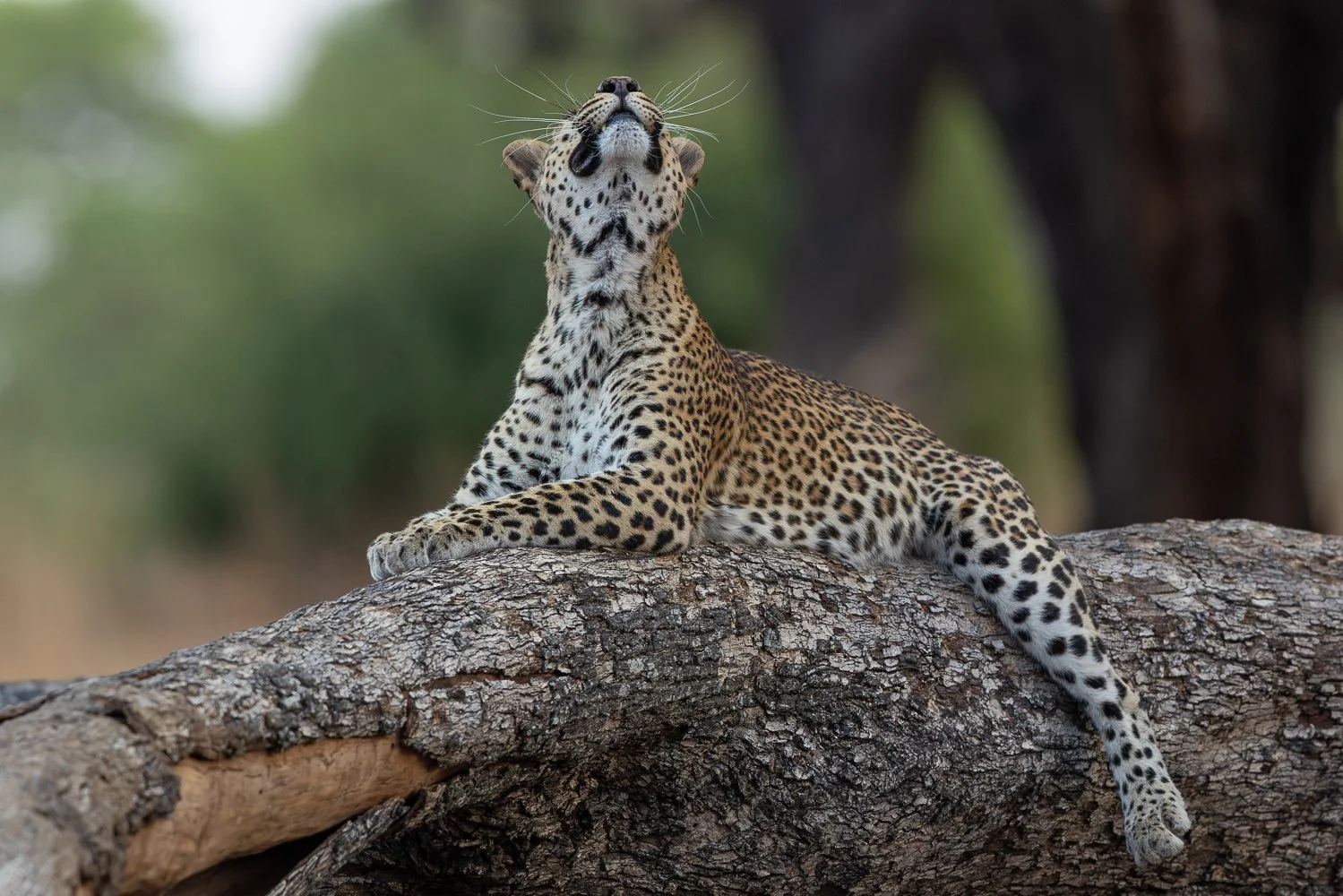
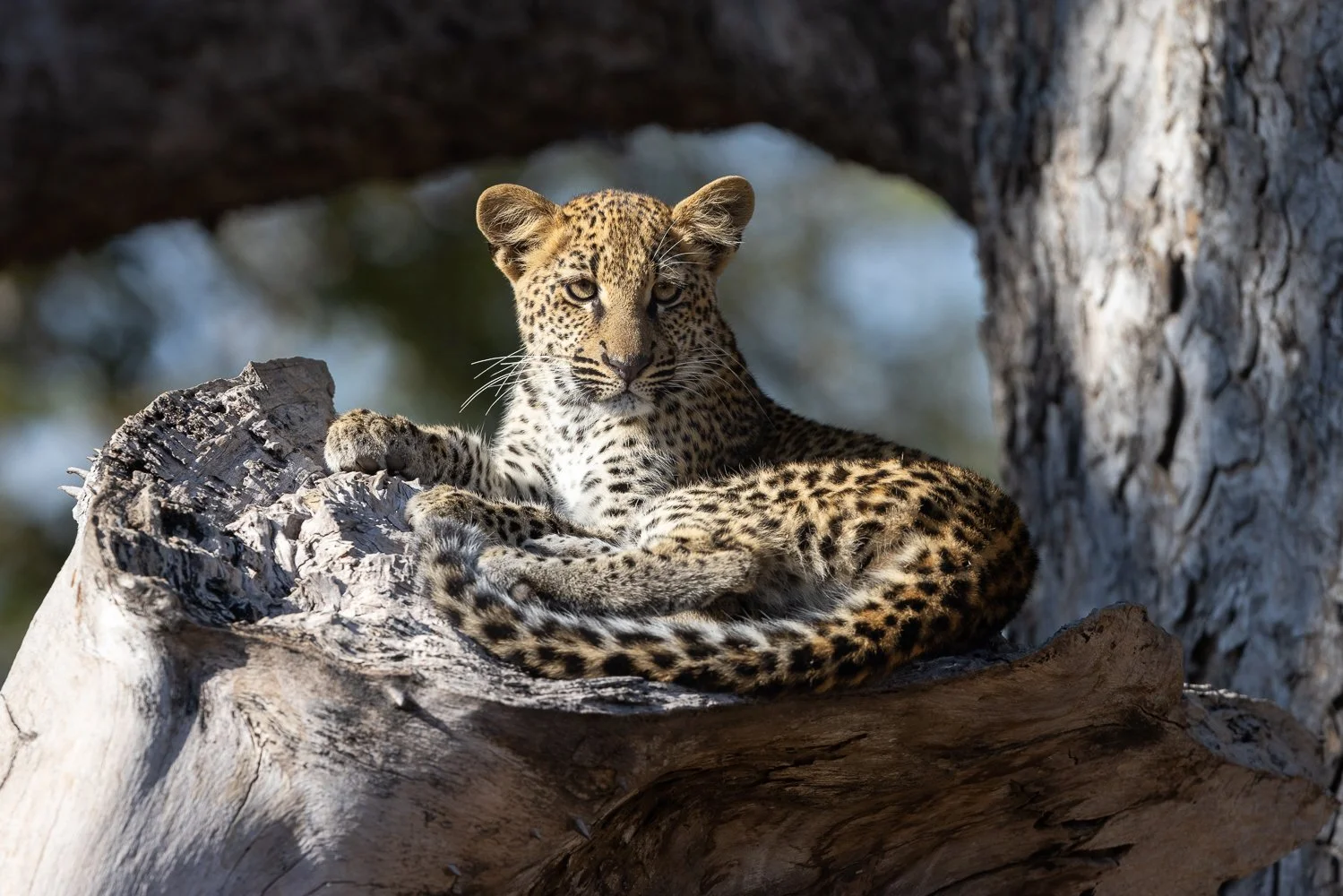
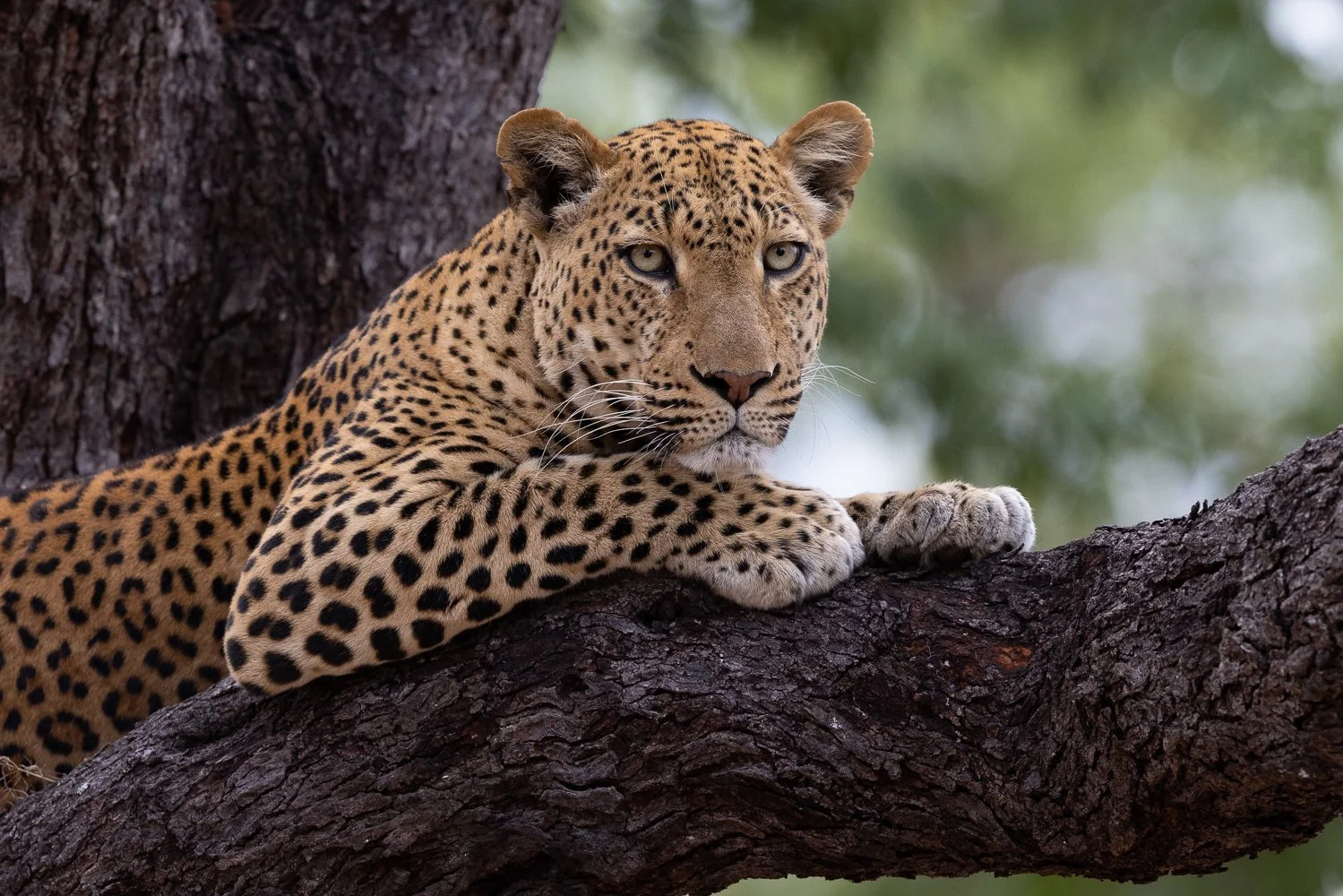
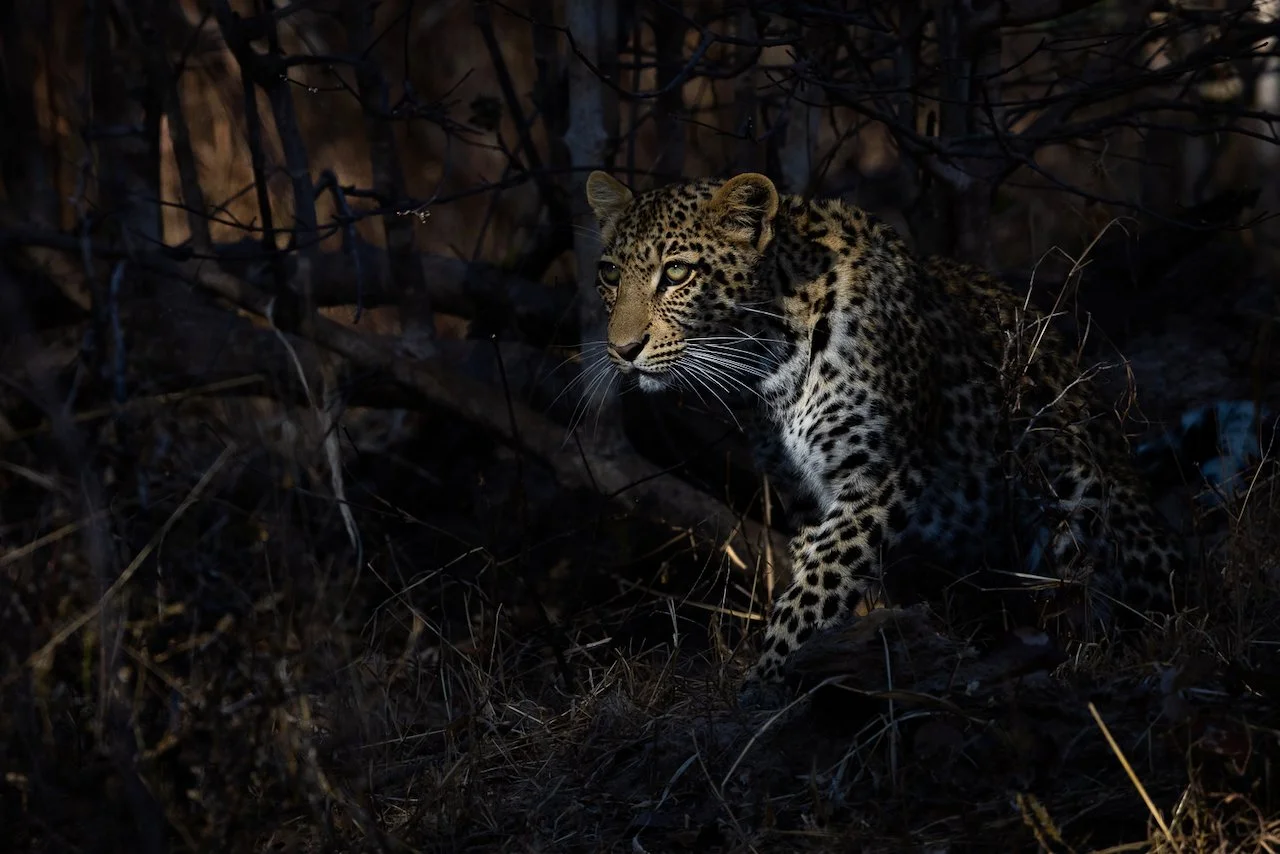
…in the ‘Valley of the Leopard’. Well as the moniker suggests, leopards are plentiful and display interesting traits that you won’t see anywhere else - hunting in sunken hippo tracks that form during the wet season and then dry in ever-deeper furrows that criss-cross the land ensuring leopards can hunt on the open plains whilst disappearing from view and popping up in bursts of energy at their chosen prey.
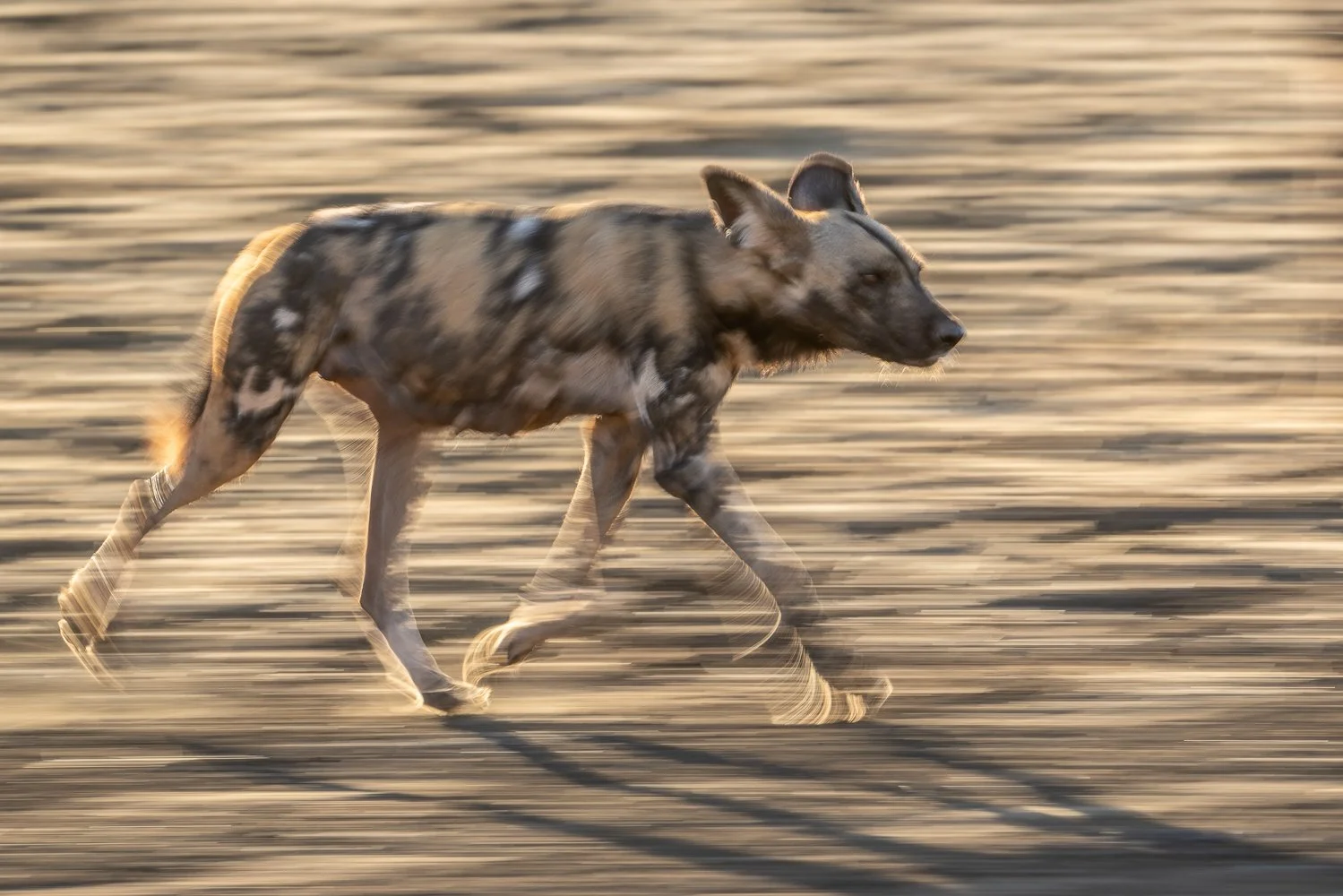
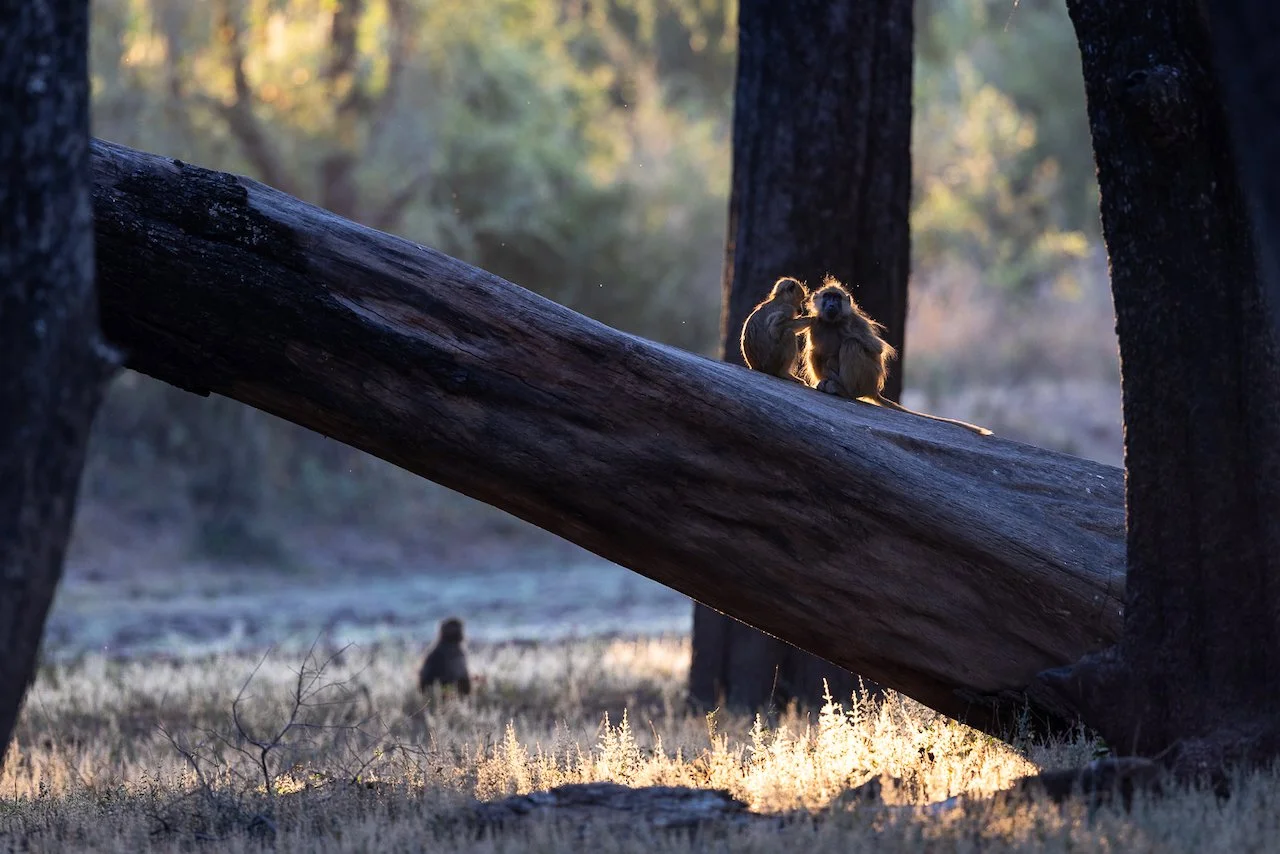
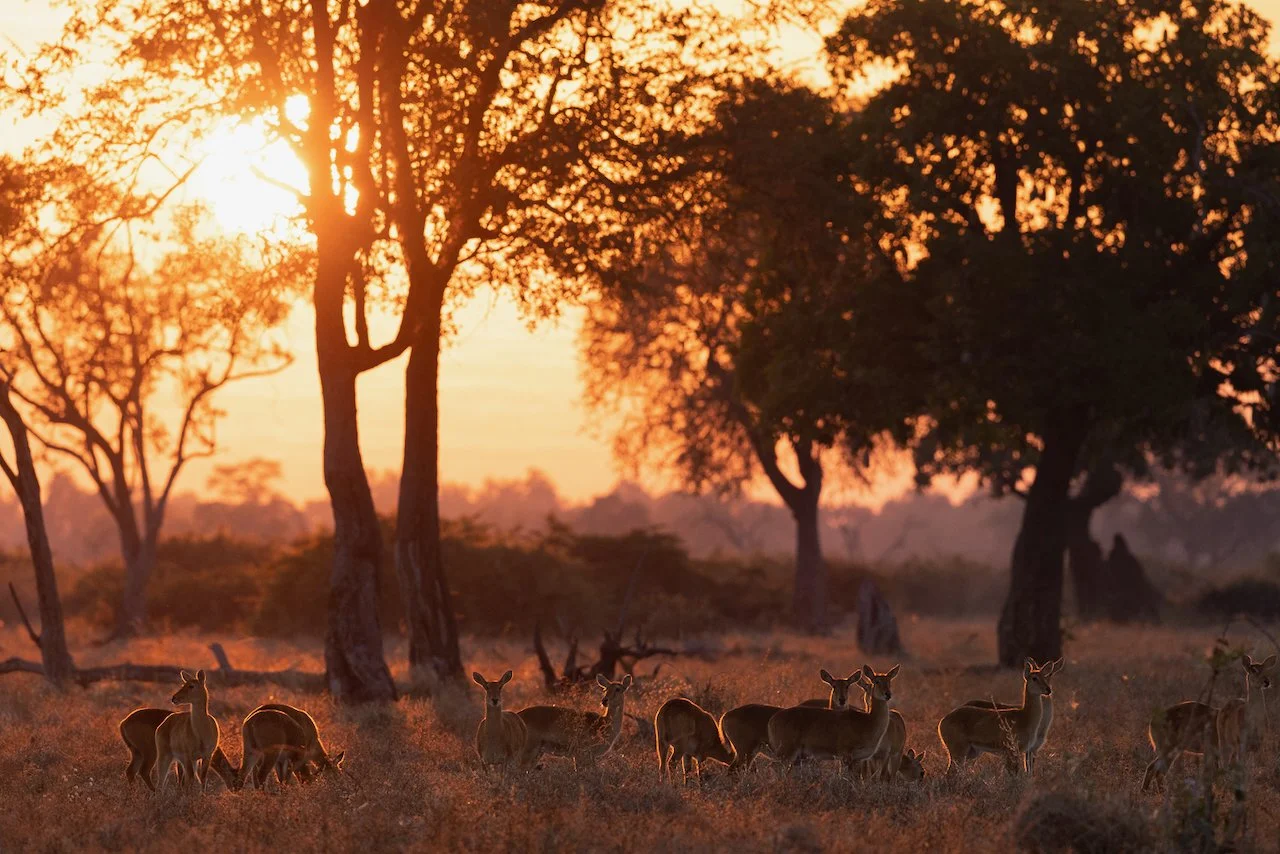
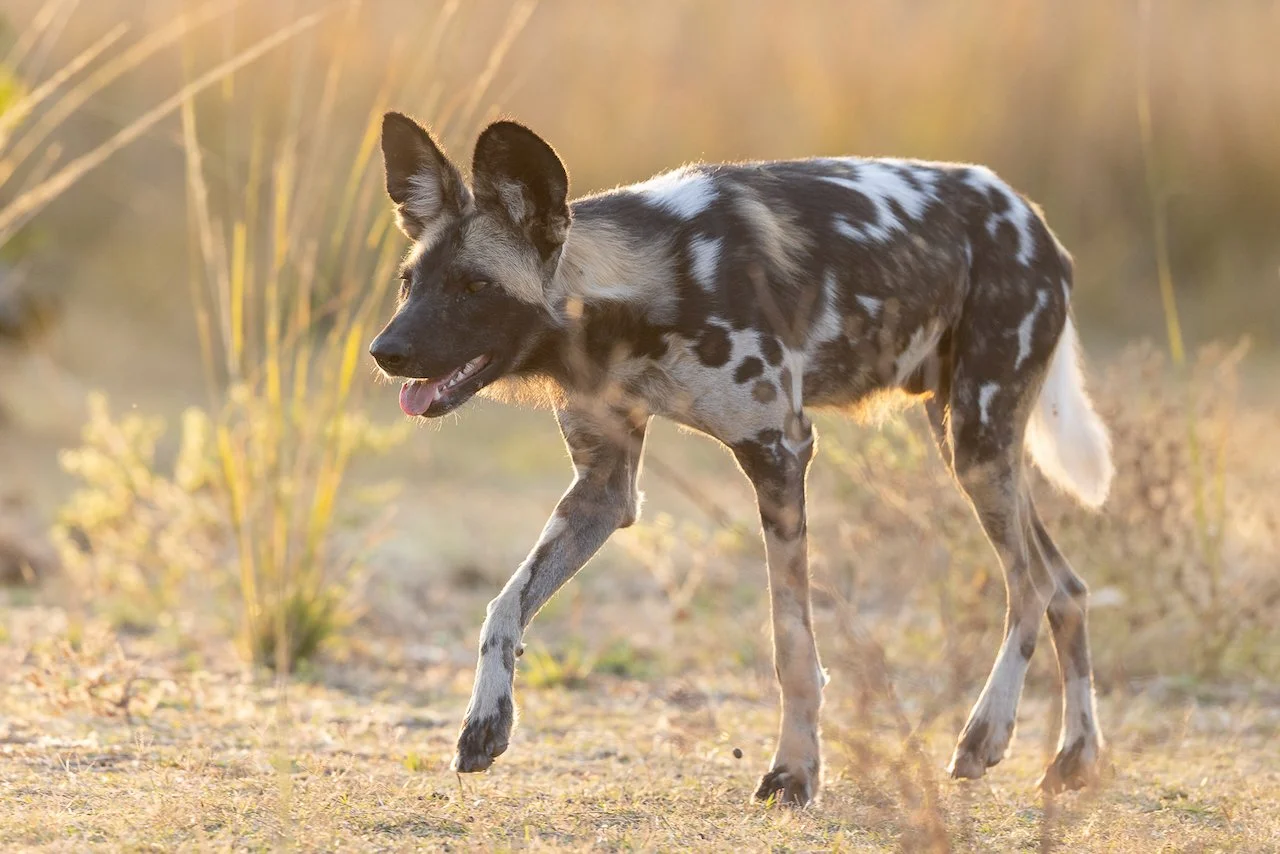
The meandering Luangwa River has arguably the highest concentration of hippos and crocodiles anywhere in Africa. Herds of fluffy impala-like puku with heart-shaped noses graze in the Ebony groves while olive baboons and the endemic-to-South-Luangwa Thornycroft giraffes feed. Maneless lions hunt buffaloes in the driest months and packs of wild dogs roam the valley whilst Carmine bee-eaters colonise the river banks.
When to Visit
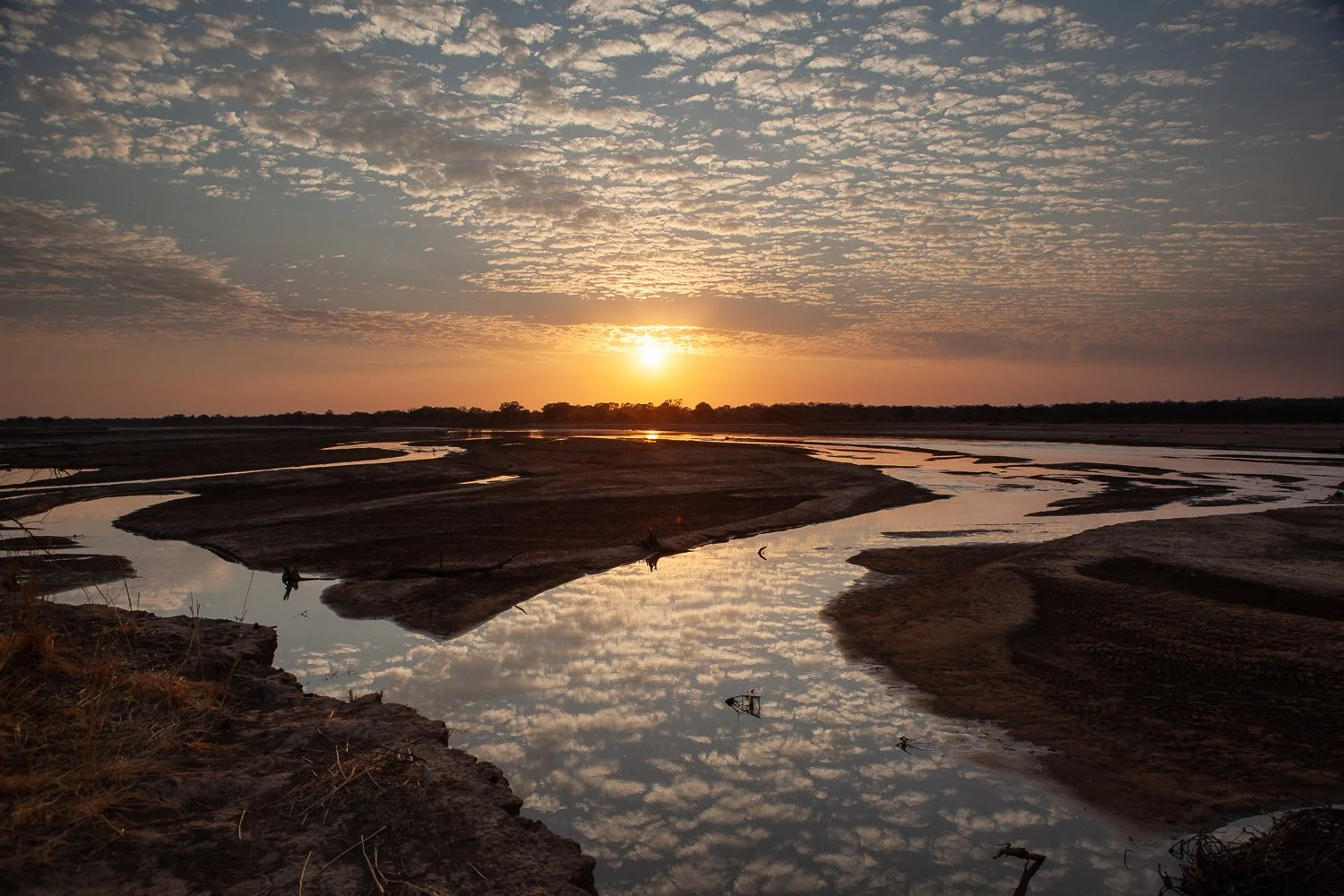
Most of the camps are closed during the rainy season as flooding and wet ground make much of the park impassable from December through March. From April through June after the rains have stopped and the ground dries, the camps open but wildlife viewing remains challenging due to the tall grasses and abundant water. In July and August wildlife viewing really picks up and the pleasant, sunny days with moderate temperatures ensure you will be happy. The temperatures really begin to climb rapidly through September and by October the temperatures regularly hover around 40ºC during the day and dont drop to much lower than mid twenties at night which can be challenging. The wildlife viewing is, however, off the charts. Animals congregate around the last remaining water source and the underbrush and grass has died right back making viewing and spotting wildlife easy. Carmine bee-eaters flock to the valley to make their nests in this time in a sight that is extraordinary to behold. The rains typically return some time in November and most camps begin to close towards the end of the month in preparation for the rains.
APRIL
Mixed
MAY
Mixed
JUN
Good
JUL
Very Good
AUG
Excellent
SEPT
Excellent
OCT
Excellent
NOV
Good
DEC
Mostly closed
MAR
Mostly closed
JAN
Mostly closed
FEB
Mostly closed
Your Questions, Answered
These are some of the most common questions I get asked about going on safari in South Luangwa.
On safari in South Luangwa
-
The South Luangwa river valley is famous for its high concentrations and stable population of leopards leading to its moniker as the “Valley of the Leopard”. It is one of the best and most reliable areas in Africa to see and photograph these generally elusive cats.
-
The two areas are both excellent for leopards. Possibly the South Luangwa National Park is more famous as a leopard destination leading many to consider it ‘better’. However, they are two very different ecosystems and the leopard viewing in both is strikingly different and are often worth combining if leopards are what you are after as the behaviours vary significantly between the two parks.
South Luangwa, in particular, is famous for its ‘underground’ highway network - an interconnecting network of deep, dried pathways created by hippos walking during the annual flood season when the Luangwa River bursts its banks saturating the flood plains. When walking across the saturated and often underwater plains the hippos essentially ‘dig’ these pathways into the ground which, as the river recedes, harden into a below-ground network of paths that crisscross the plains. This allows the leopards here to hunt in interesting and unique ways where they can hunt, in the open, by spotting prey on the plains and dropping down into this network of paths, out of sight until they pop up right at their target.
-
A Thornycroft giraffe is a type of giraffe found only in South Luangwa, not even anywhere else in Zambia. A more modern analysis suggests that rather than being a distinct species, they are a subspecies of the Maasai giraffe.
-
Leopards are in South Luangwa all year round. However, during the wet season there is plenty of water and a lot of the camps are closed. As the dry season takes hold and water levels in the lagoons (left over from the river flooding) recedes the wildlife is forced to congregate around ever shirking water sources until at the peak of the dry season the only water left is in the Luangwa River (and often not very much there either). So the better leopard viewing is generally when there is less water about, but as the dry season continues, the heat builds so there is a trade-off between great wildlife viewing and comfort. If you can handle early October, then this is probably the best month for leopards, and carnivores more generally as prey is weaker and the animals are forced closer and closer together.
-
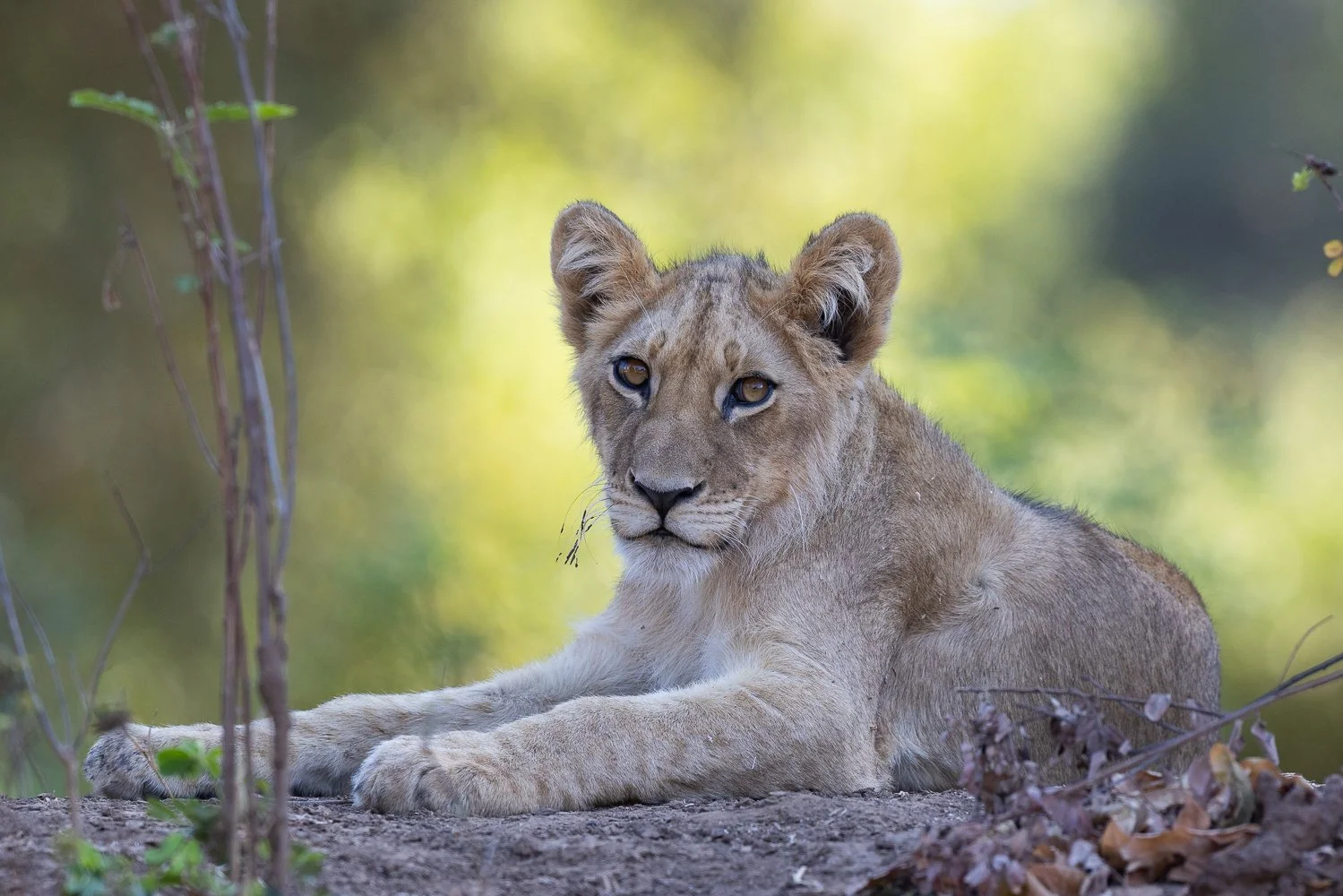
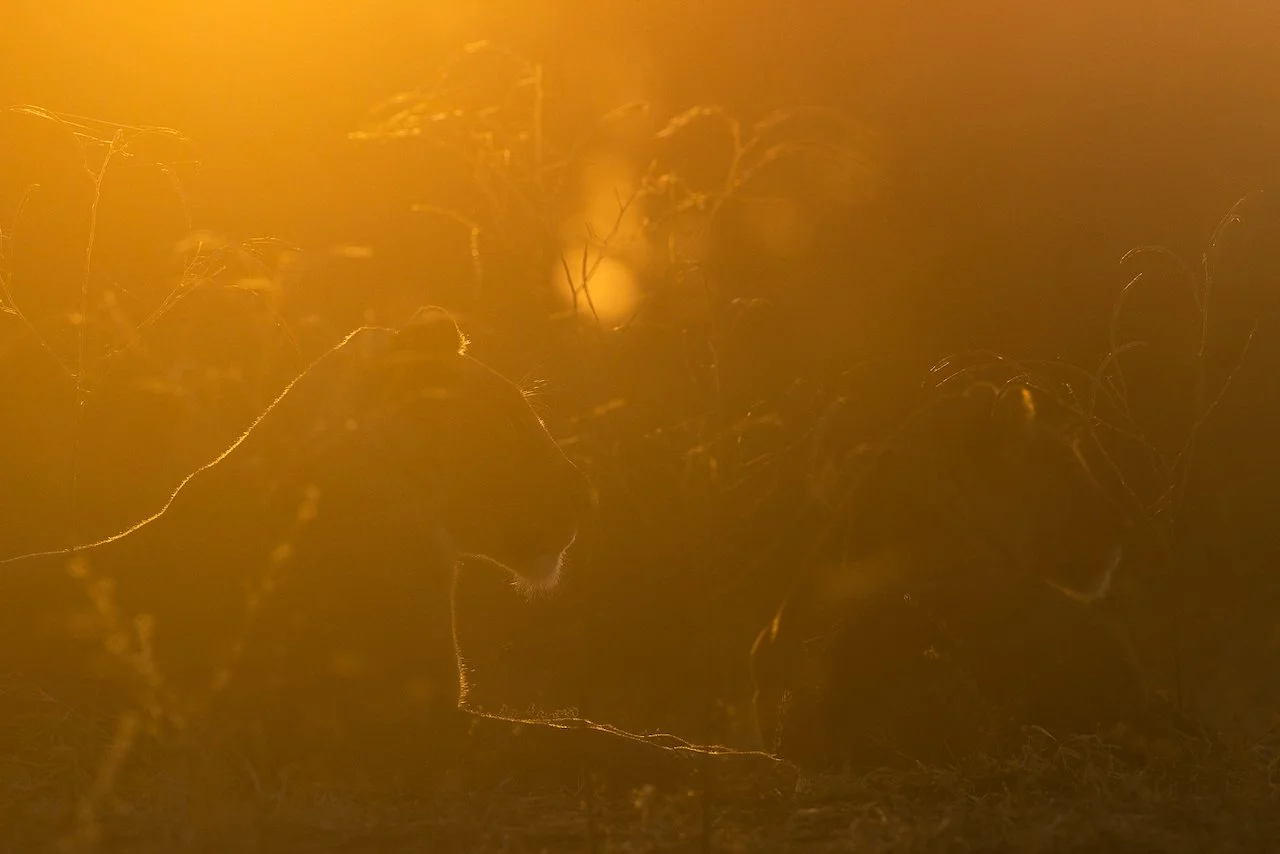
There are two main theories for the generally maneless lions of South Luangway (and yes many of them really do have almost no manes). One theory is that the heat has lead to the lions here evolving smaller manes in order to cope and allow for greater body heat loss during the summer months.
To me a more plausible explanation (given there is heat elsewhere in Africa and the Kalahari lions are famed for their big black manes as an example), is that the larger mane gene has been artificially removed or reduced in the population due to hunting (which is still ongoing today). Hunters generally, and certainly historically, have prized males with the biggest manes for their trophies. This has lead directly to a reduction in the maned gene as lions who were naturally producing smaller manes often with less testosterone were becoming increasingly likely to mate whereas if you had big mane you were being shot, often in your prime or before you had a chance to mate and sire many litters.
Photographing in South Luangwa
-
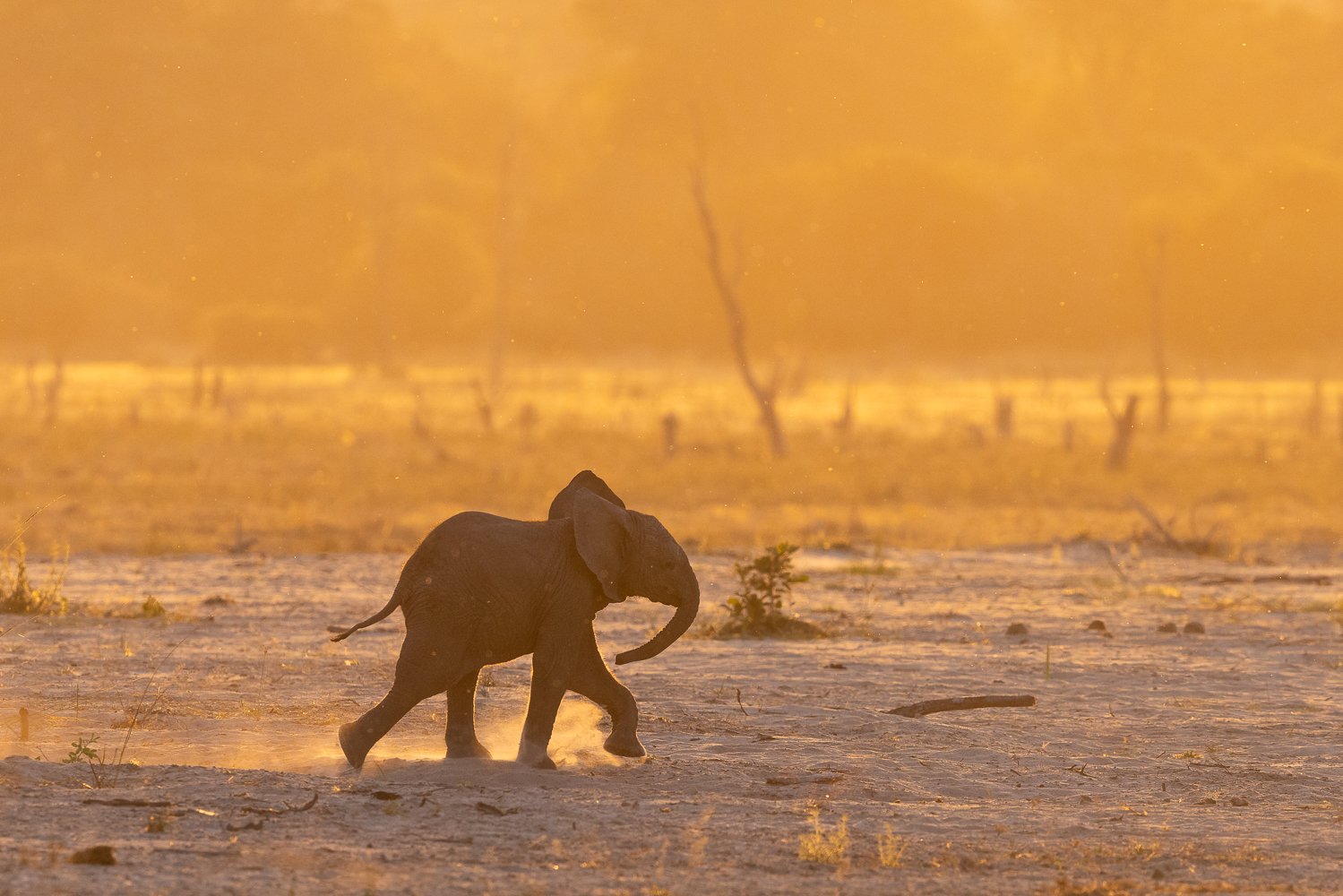
South Luangwa is a mixture of landscapes from dense ebony groves, lagoons and forests, open plains and, of course, the Luangwa River itself. I prefer a 400mm+ focal length for most of my wildlife photography here but you do want the ability to go wider do bring in the incredible landscapes and scenes (think elephants moving in light filtering between towering ebony trees with baboons and dust) so I like having a 70-200 with me as well. If you can cover 100-500 I think you will be fine.
-
South Luangwa is a National Park and so is governed by strict ‘gate’ times even if you are staying inside the park. However, the gate times are quite generous and you do tend to be out at dawn and back at camp after sunset.
-
Off-road driving is generally not allowed as it is in a national park. However, you may occasionally off road for sightings under the guidance of your safari guide in more remote areas of the park where general day-tourists do not reach.
-
South Luangwa has a large density and diversity of wildlife and many species are endemic to the area (Thornycroft giraffe and Cookson’s wildebeest) so as a first time safari goer you will definitely have a great time here leopards, lions and African Wild Dogs present in good numbers. The Luangwa River also has the highest concentration of hippos (and I am certain, crocodiles…on one of my recent visits, in a small 100m section we counted over 80) anywhere in Africa and the sights and sounds will stay with you forever. There are, however, no rhinos here though they are present in North Luangwa which is more remote. But unless rhino is your dream animal, South Luangwa more than delivers.