
Lower Zambezi
The light is epic, it's almost a subject on its own. But the leopards, elephants and birds are not to be missed either!
What to expect…
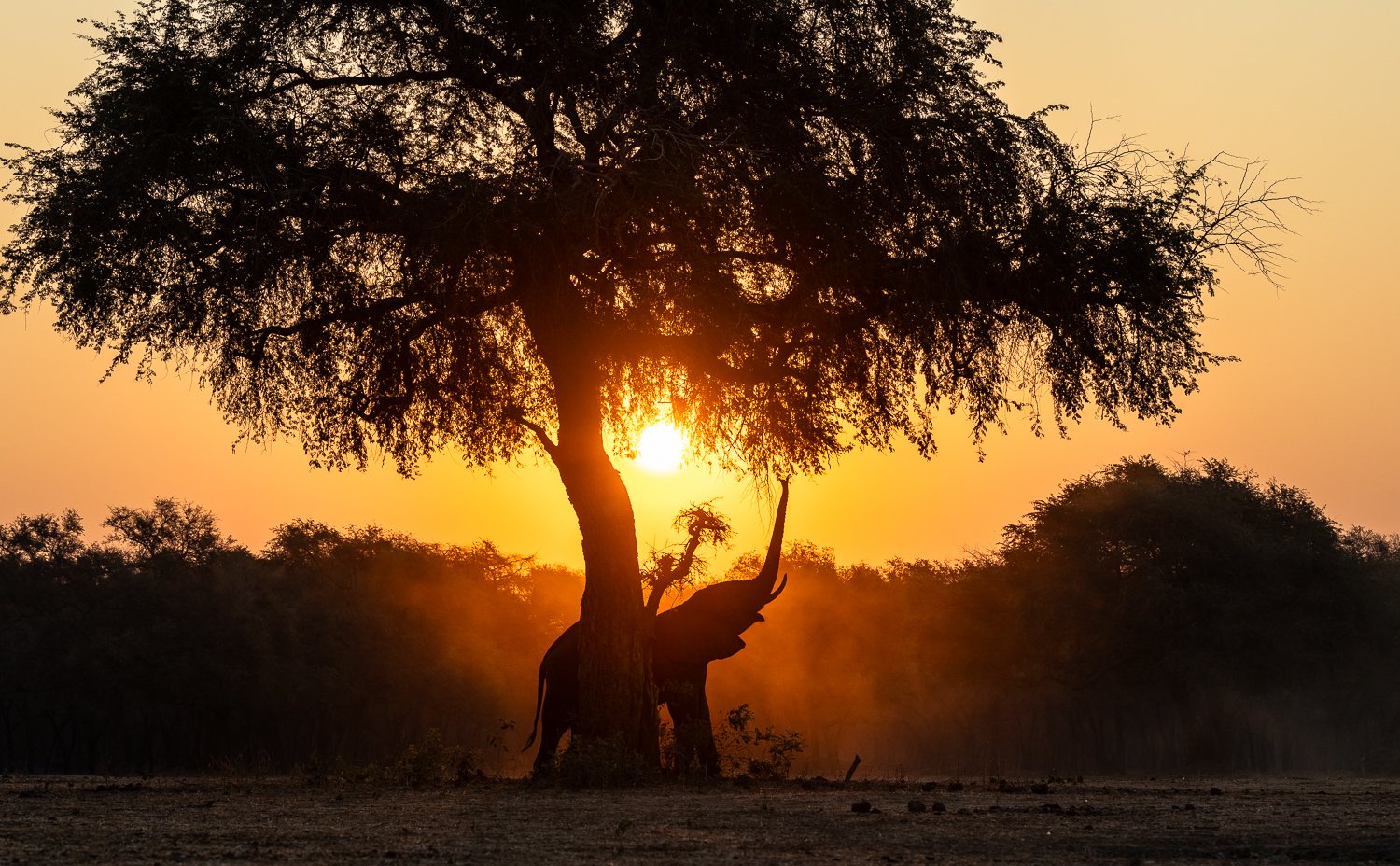
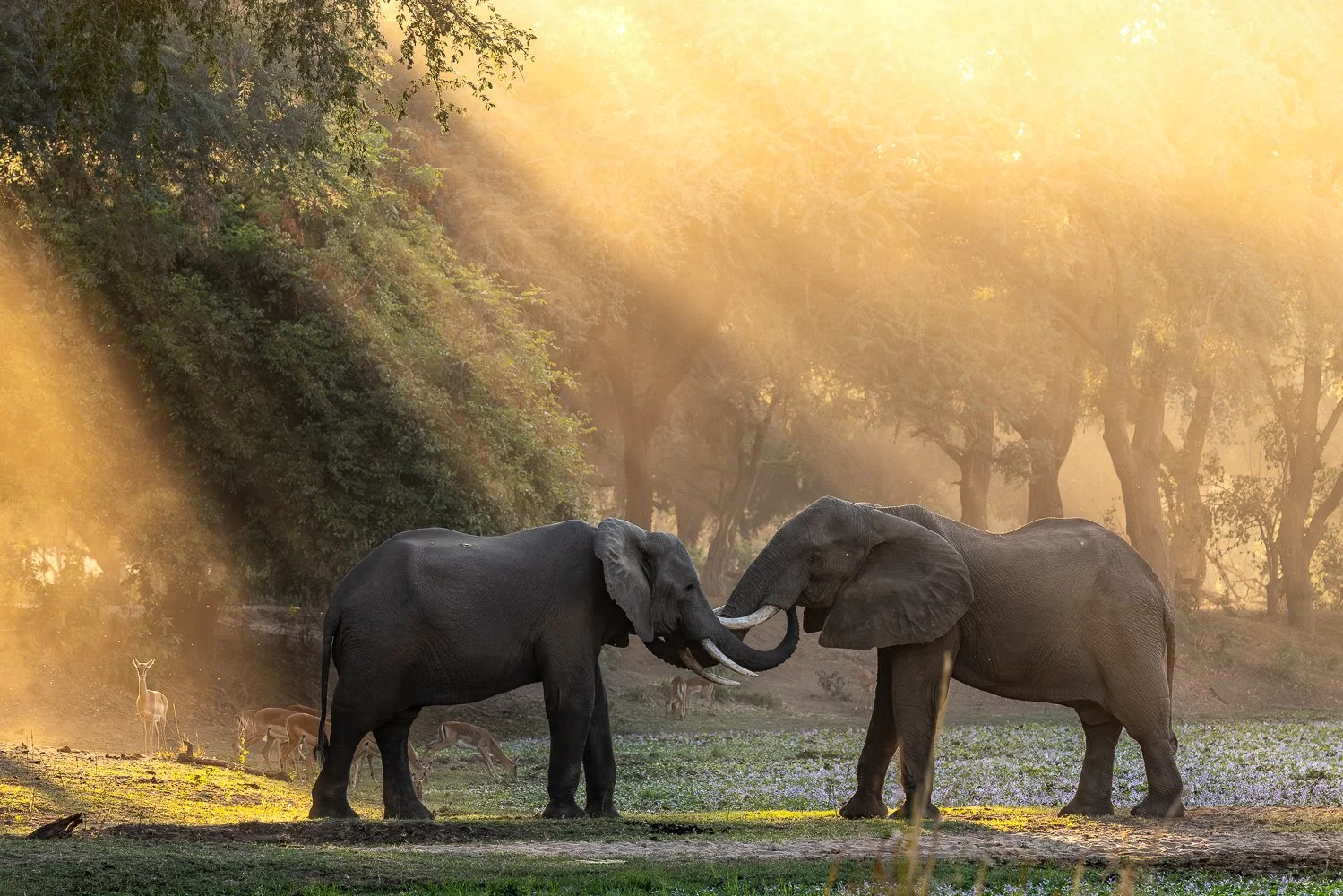
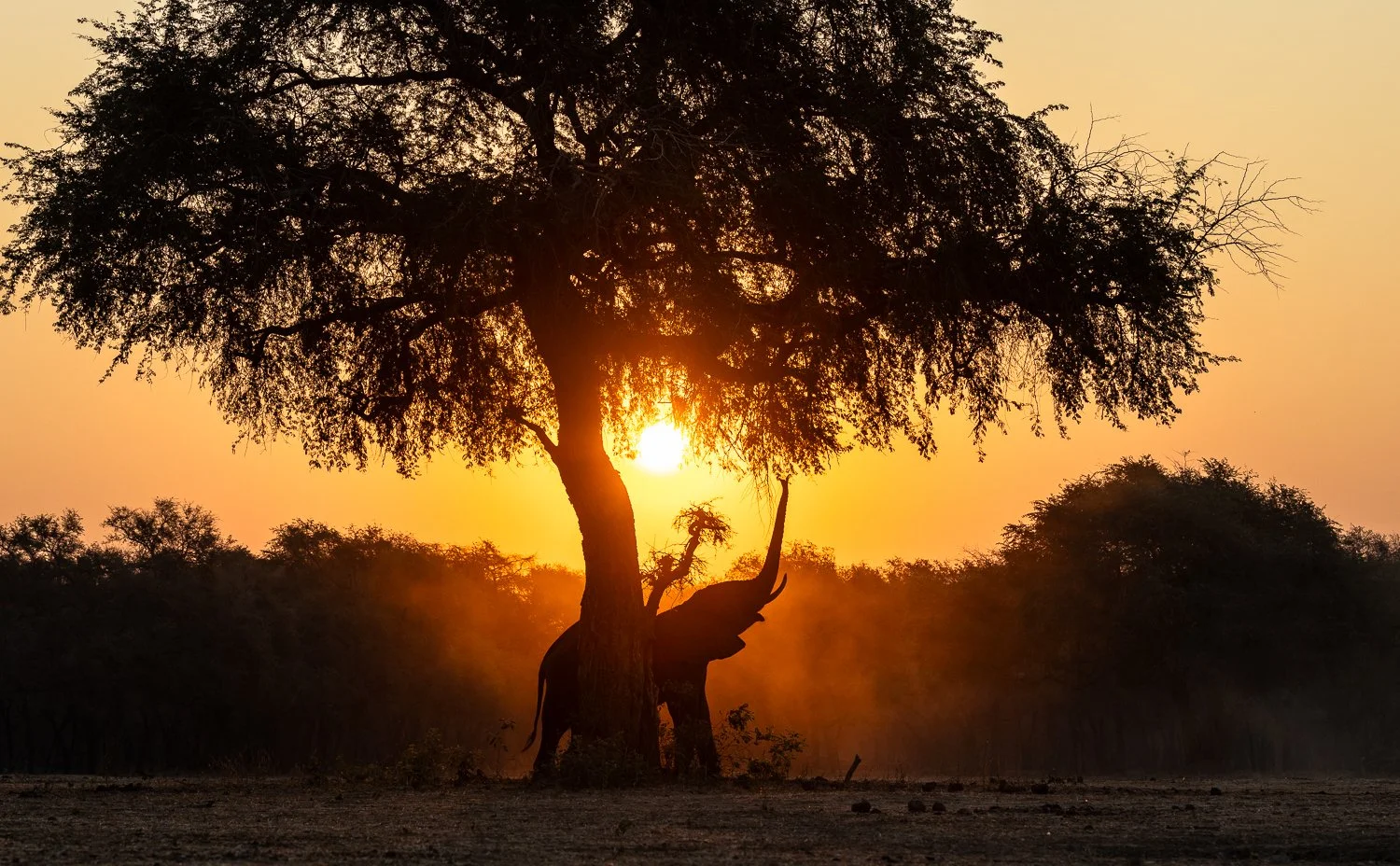
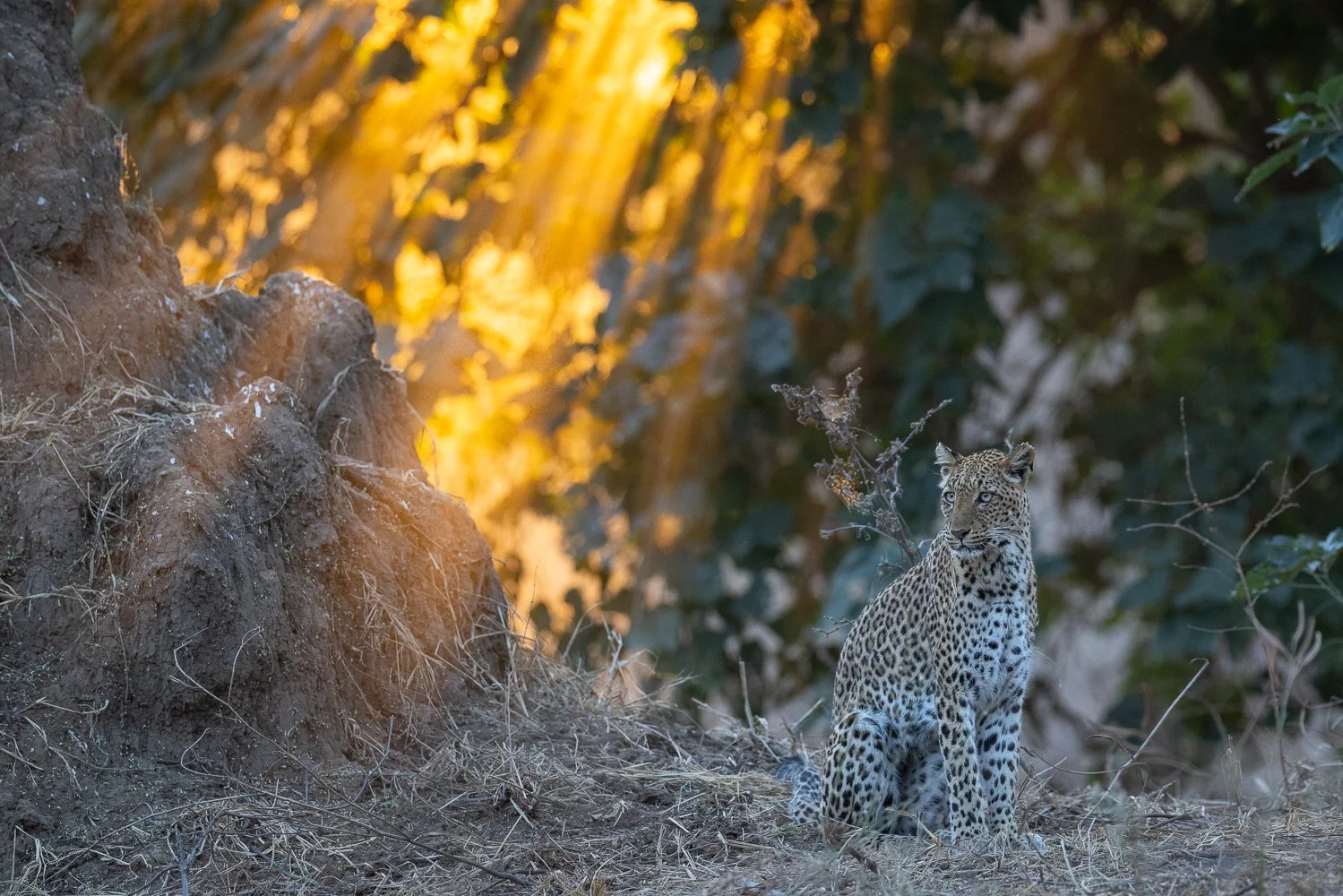
More than anywhere else in Africa, the Lower Zambezi has a magic quality to it. Every childhood game imagining elves and secret places seems to come alive in the winter-thorn forests where shafts of golden light paint giant elephants on real-life canvases.
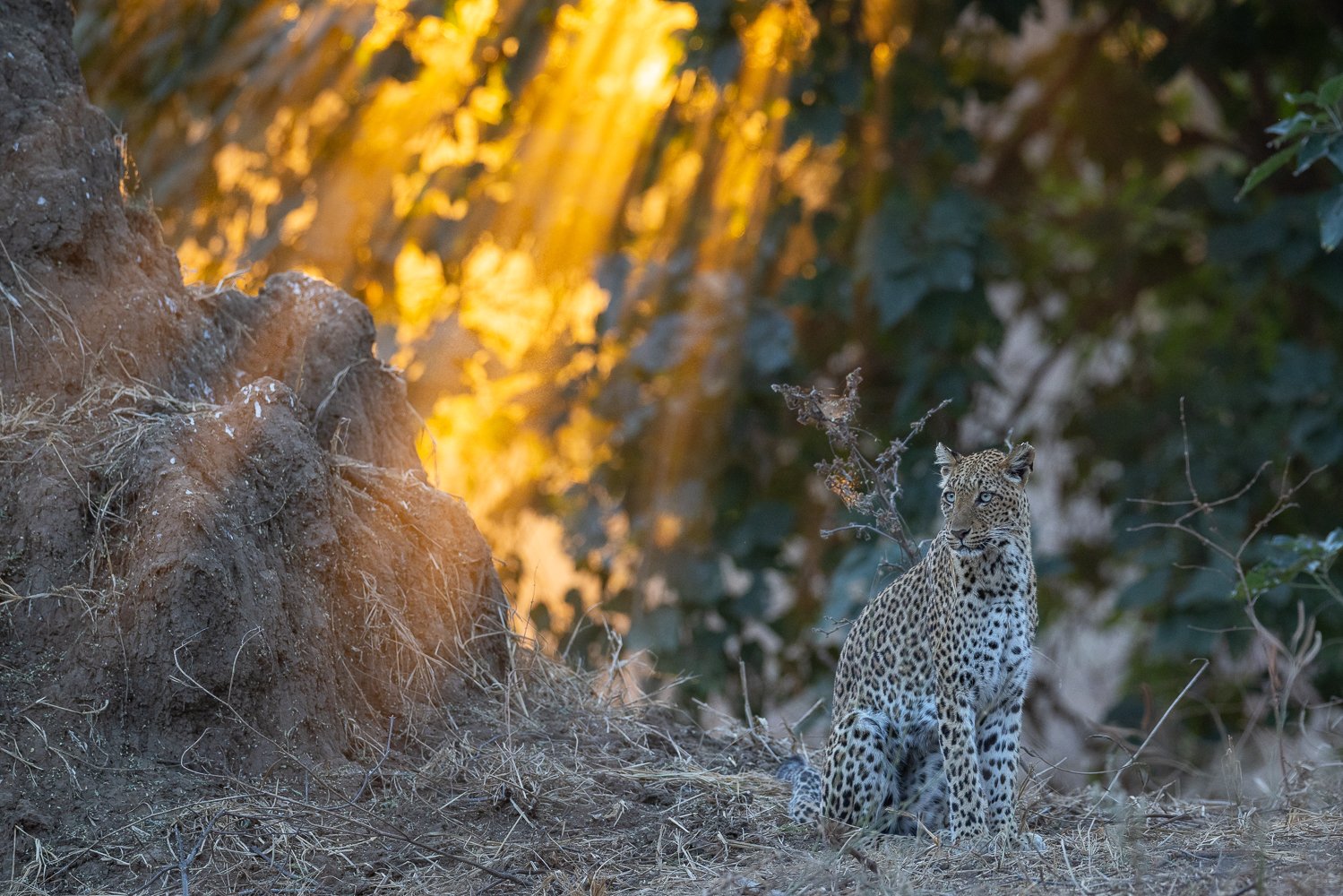
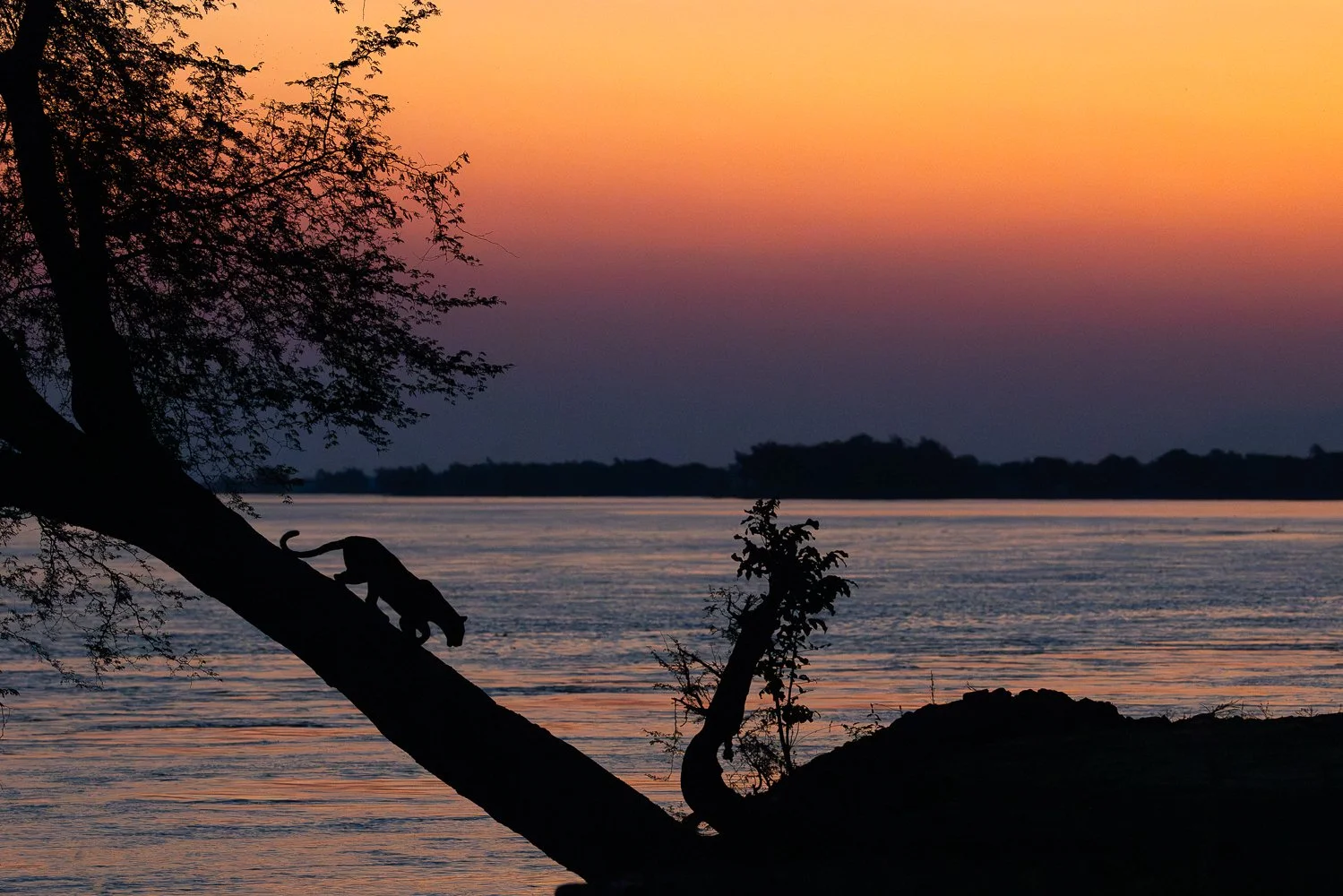
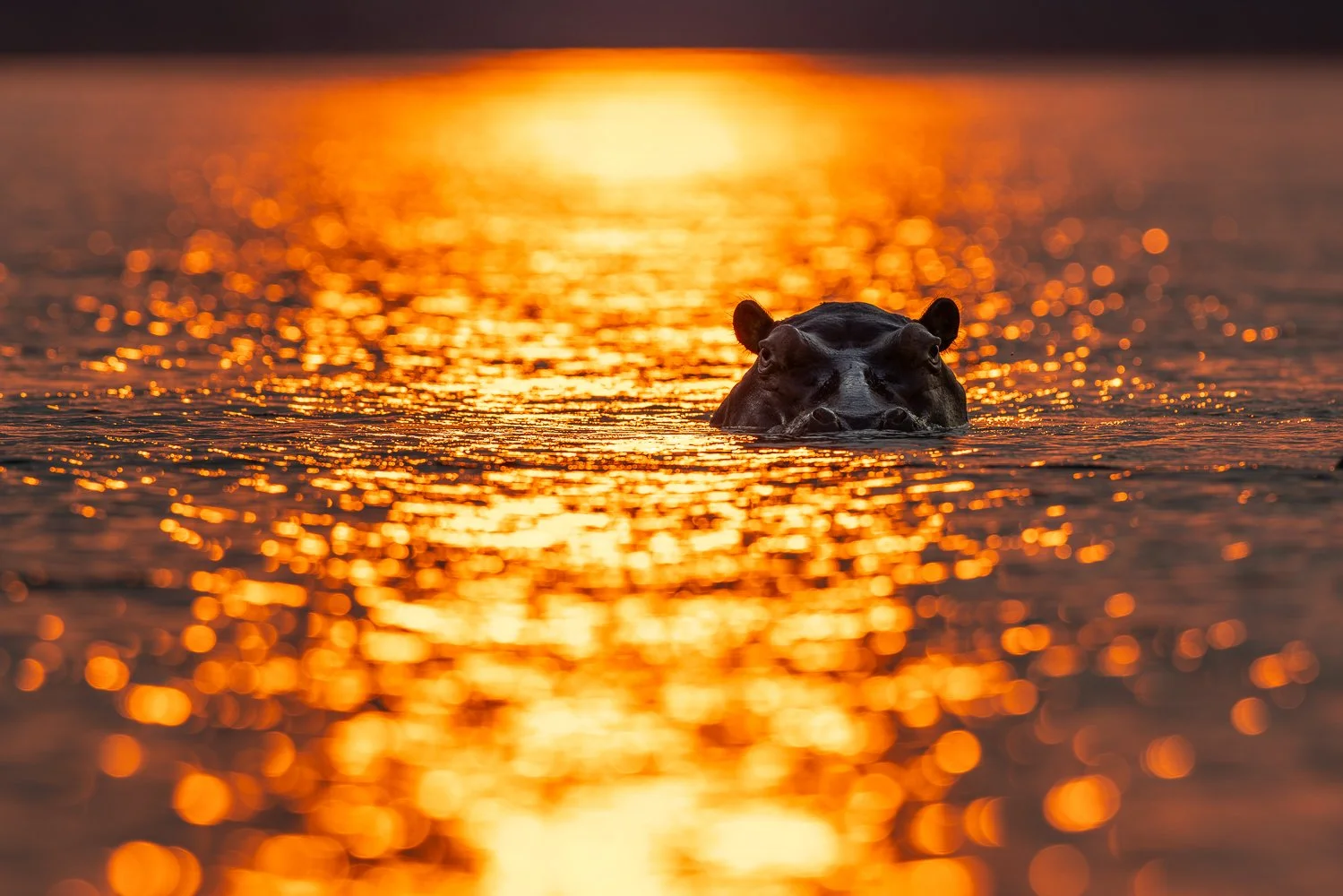
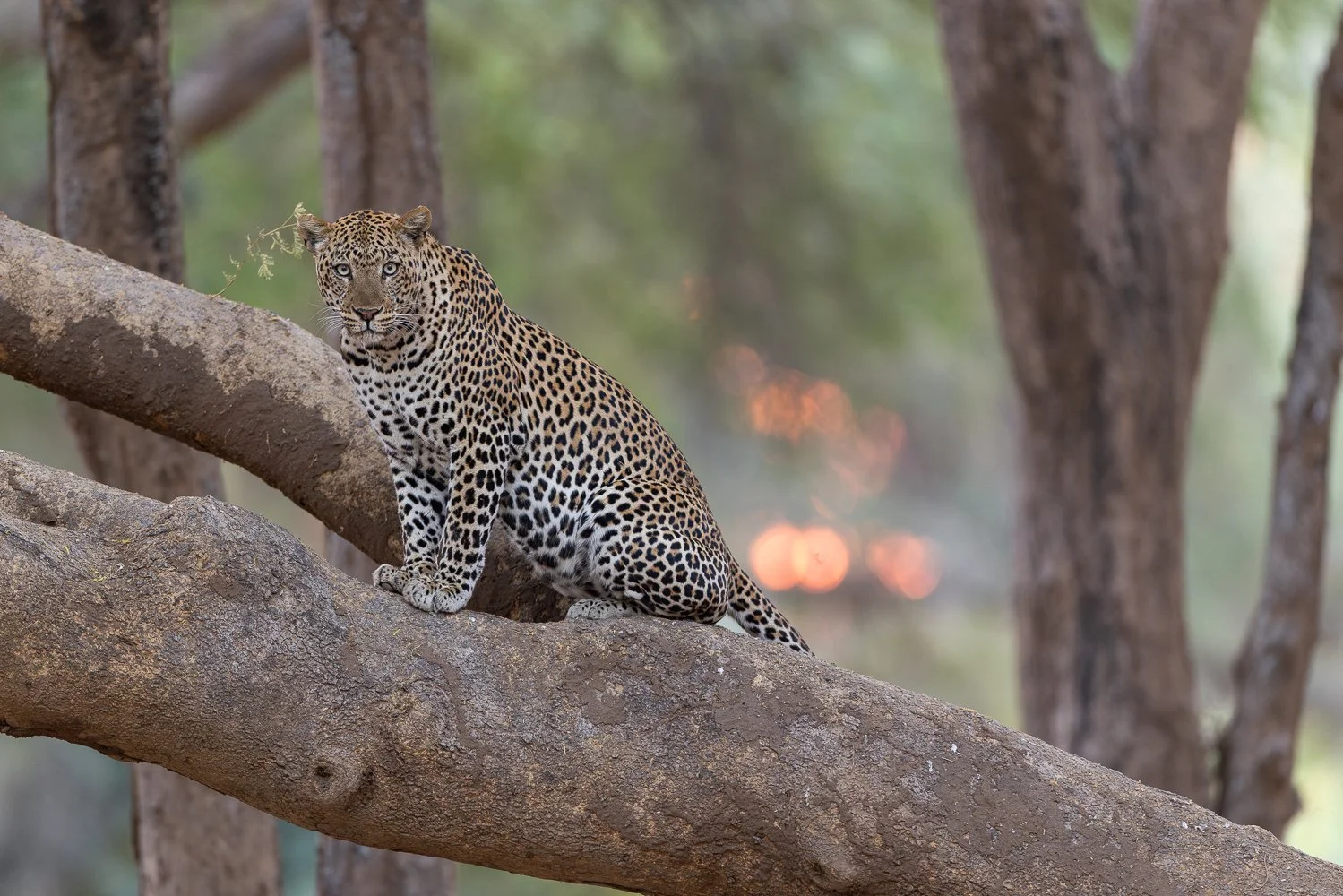
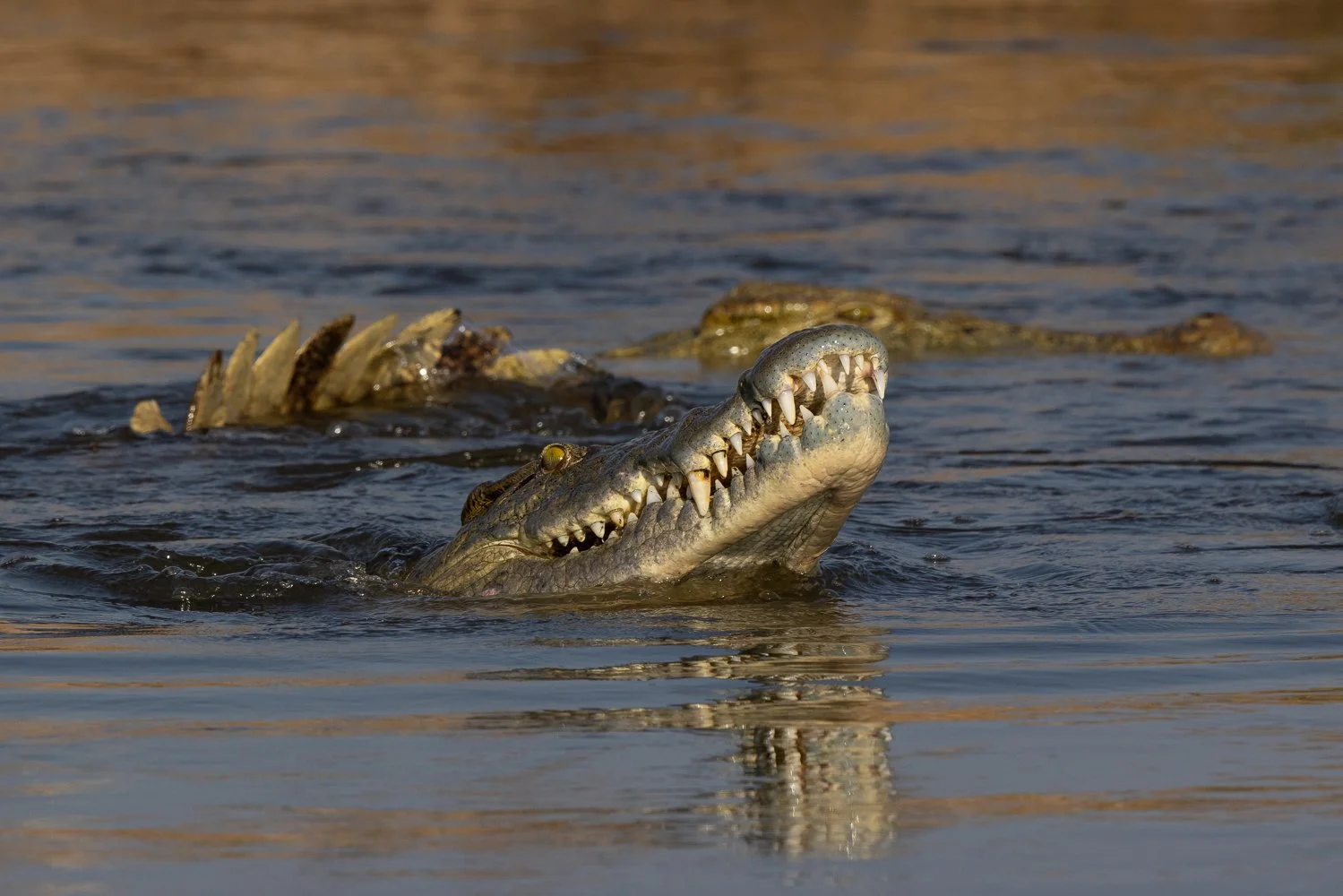
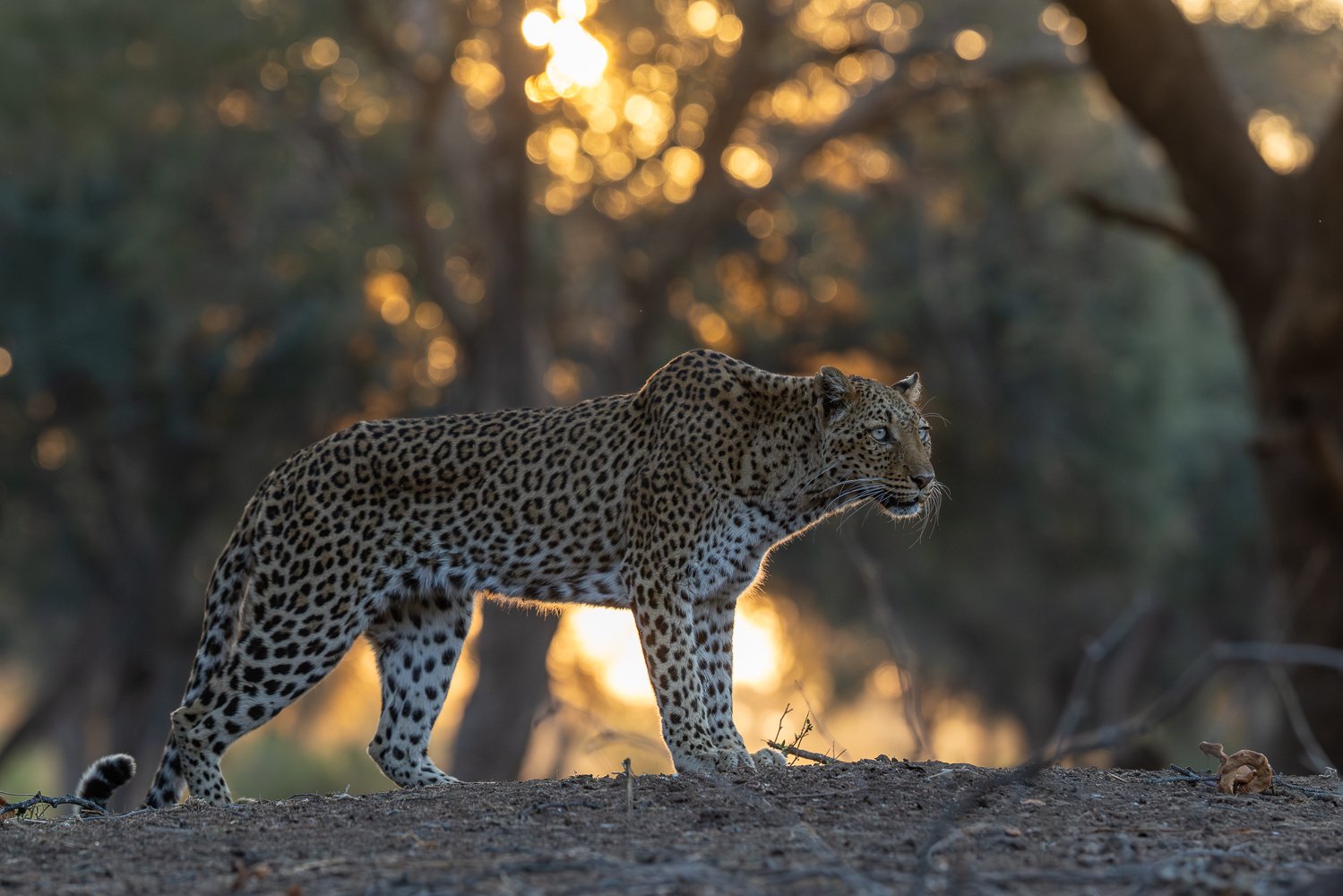
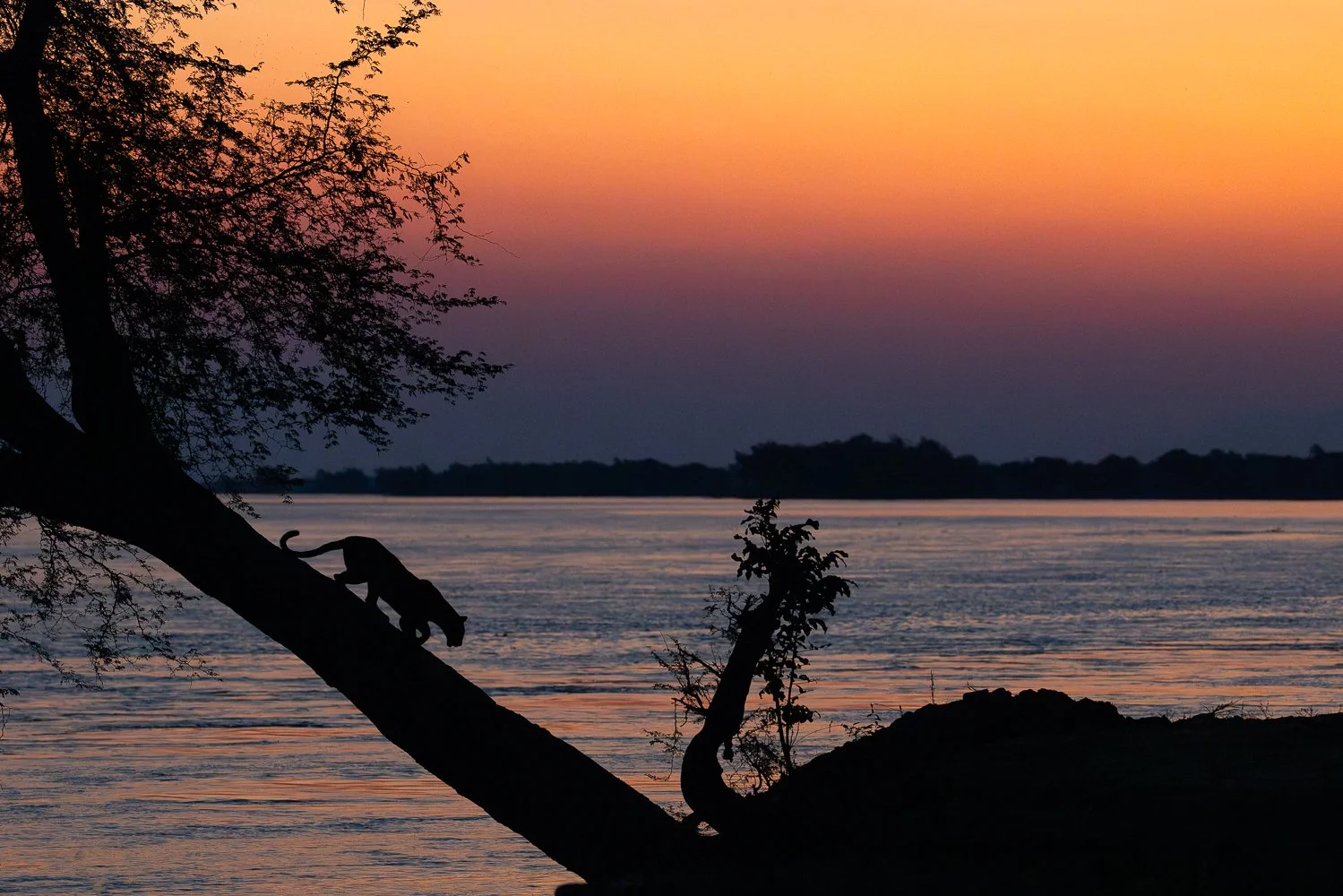
Leopards move through the undergrowth from termite mound to termite mound in search of prey whilst skittish waterbuck prance in pantomime fear and the Zambezi River meanders lazily past. Hippos snort and laugh and crocodiles move between the warmth of the sand banks and the hidden depths of the river as carmine bee-eaters frolic. Wild dogs and prides of lions ensure the impalas and buffaloes are always on their toes.
The Lower Zambezi is a truly magical place that didn’t even exist until recently - an inadvertent man-made wilderness where it feels like stepping into another world.
When to Visit
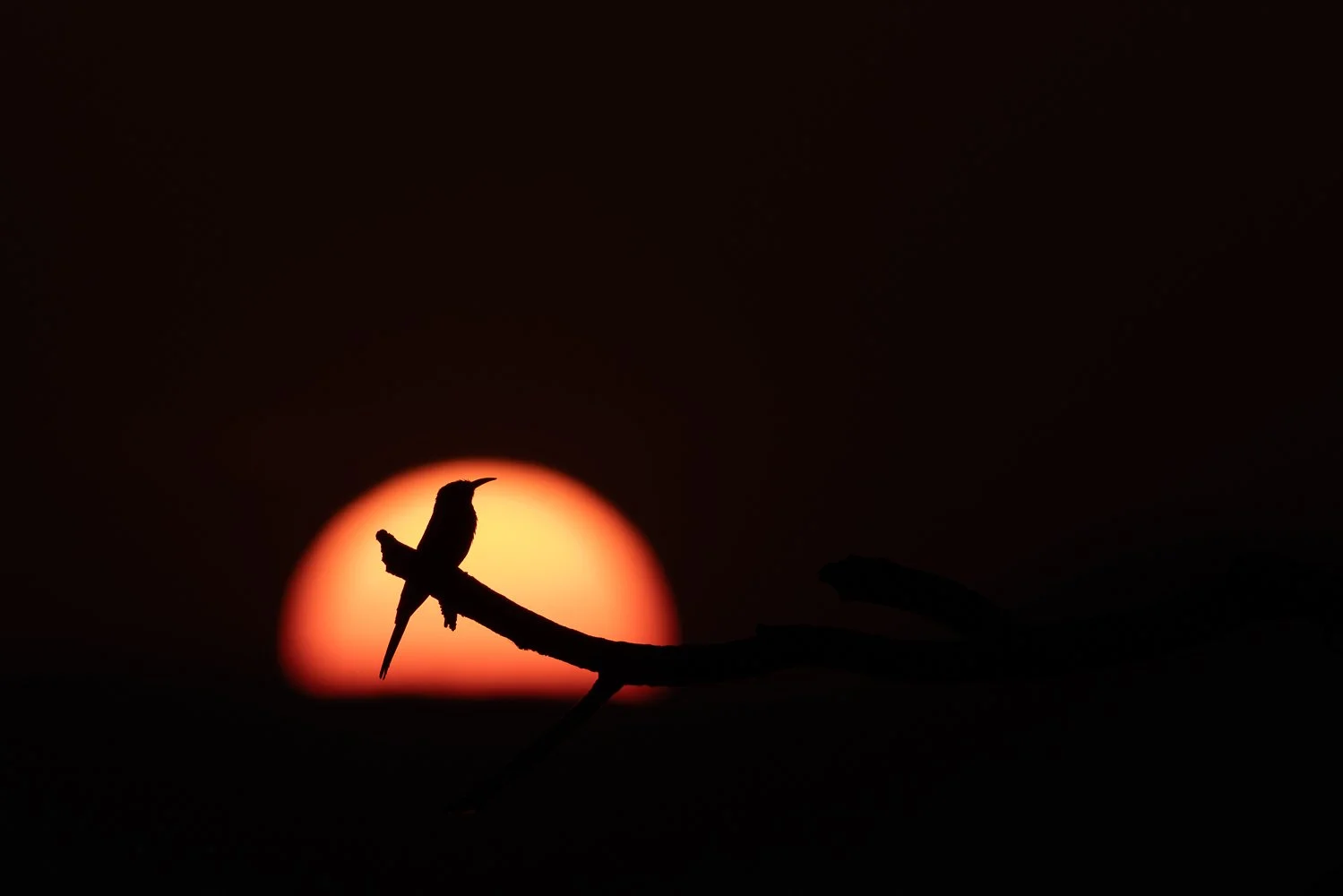
Most of the camps are closed during the rainy season as flooding and wet ground make much of the park impassable from December through March. From April through June after the rains have stopped and the ground dries, the camps open but wildlife viewing remains challenging due to the tall grasses and abundant water. In July and August wildlife viewing really picks up and the pleasant, sunny days with moderate temperatures ensure you will be happy. The temperatures really begin to climb rapidly through September and by October the temperatures regularly hover around 40ºC during the day and dont drop to much lower than mid twenties at night which can be challenging. The wildlife viewing is, however, off the charts. Animals congregate around the last remaining water source and the underbrush and grass has died right back making viewing and spotting wildlife easy. Elephant bulls stand on the hind legs during this time to reach the almost unreachable Winterthron branches and herds of females and youngsters gather around to try and share. Carmine bee-eaters flock to the valley to make their nests in this time in a sight that is extraordinary to behold. The rains typically return some time in November and most camps begin to close towards the end of the month in preparation for the rains.
APRIL
Mixed
MAY
Mixed
JUN
Good
JUL
Very Good
AUG
Excellent
SEPT
Excellent
OCT
Excellent
NOV
Good
DEC
Mostly closed
MAR
Mostly closed
JAN
Mostly closed
FEB
Mostly closed
Your Questions, Answered
These are some of the most common questions I get asked about going on safari in the Lower Zambezi.
On safari in the Lower Zambezi
-
Between the Winterthorn forests and the Zambezi River you have a fantastic habitat for wildlife that is very different from most other areas in Africa, never mind just Zambia.
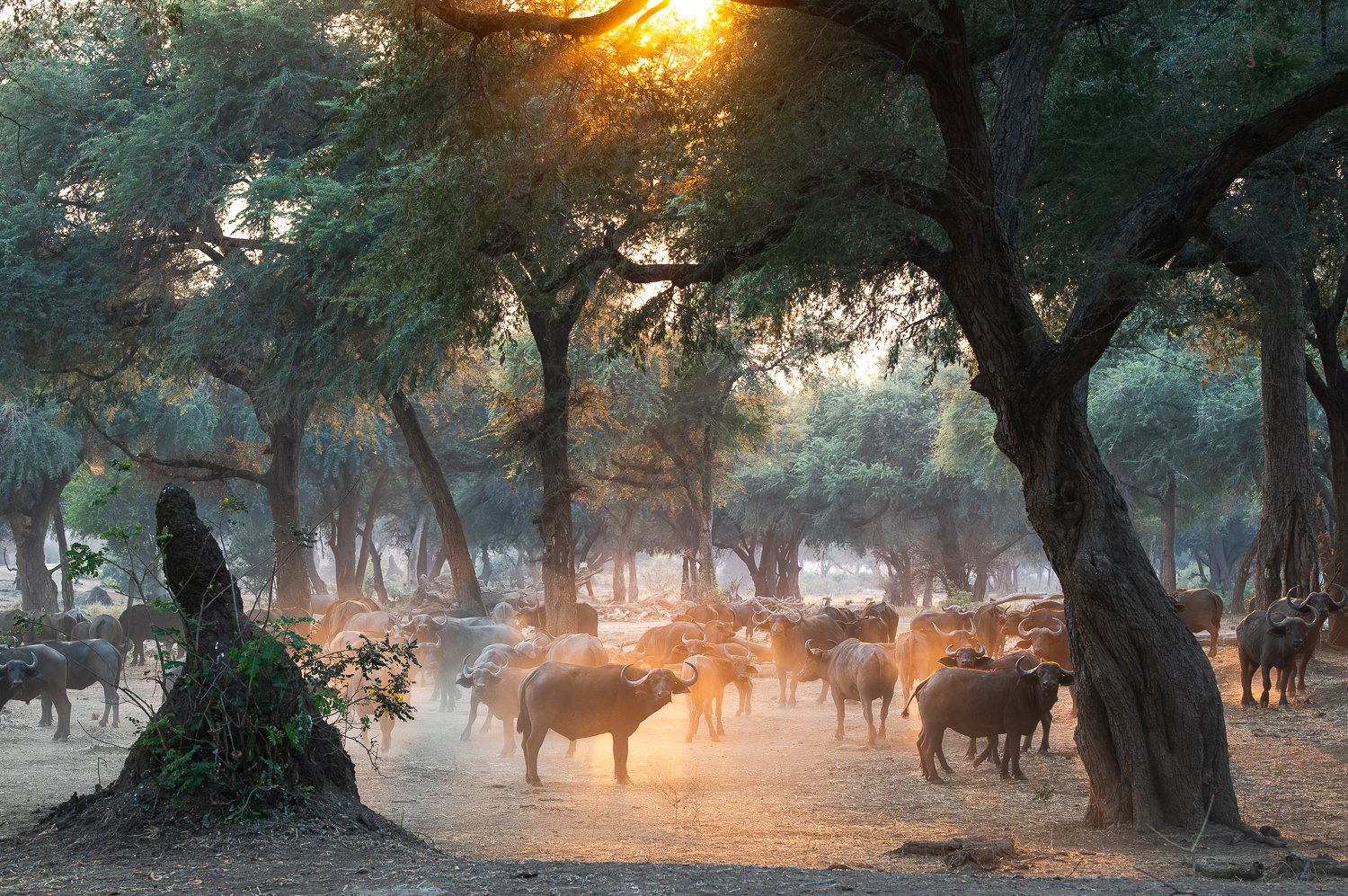
The Zambezi River is home to incredible concentrations of hippos and crocodiles and elephants frequently cross between Zimbabwe’s Mana Pools and Zambia’s Lower Zambezi and being on the river in a boat creates wonderful photographic opportunities that is very different to photographing from land. The light that filters down through the forest and the dust created by meandering herds of elephants create stunningly beautiful scenes to photograph and if you get lucky watching a big bull elephant standing on its back legs to pull down the pods from the trees and seeing all the youngsters congregating around him to feed is a special sight.
Additionally, fishing on the Zambezi is a fantastic, relaxing and rewarding experience and even as a photographer who relishes getting out and looking for things to photograph is something I definitely recommend.
-
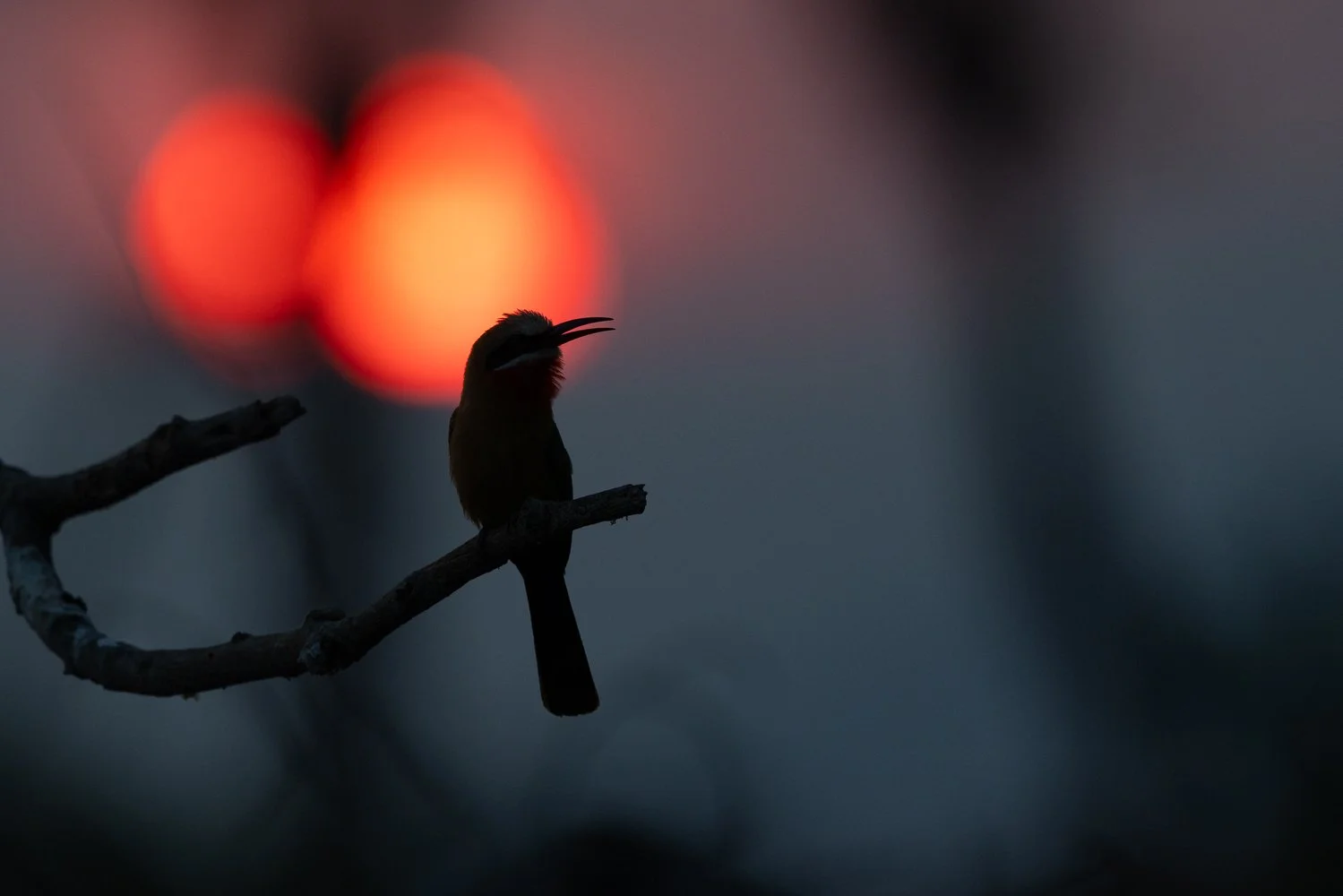
Carmine bee-eaters begin arriving from September and are at their peak in October when nest building and laying their eggs. Seeing the whole colony chirping and fighting over prime nesting holes is amazing and hours can definitely fly by just watching all the stunning colours and movement.
But bear in mind that it will be hot. Very hot; with temperatures into the 40s (ºC) and high humidity. October is known as the hottest month in Zambia and is colloquially referred to as ‘suicide month’. Being out on the water helps but not by much. Super hot, absolutely worth it.
-
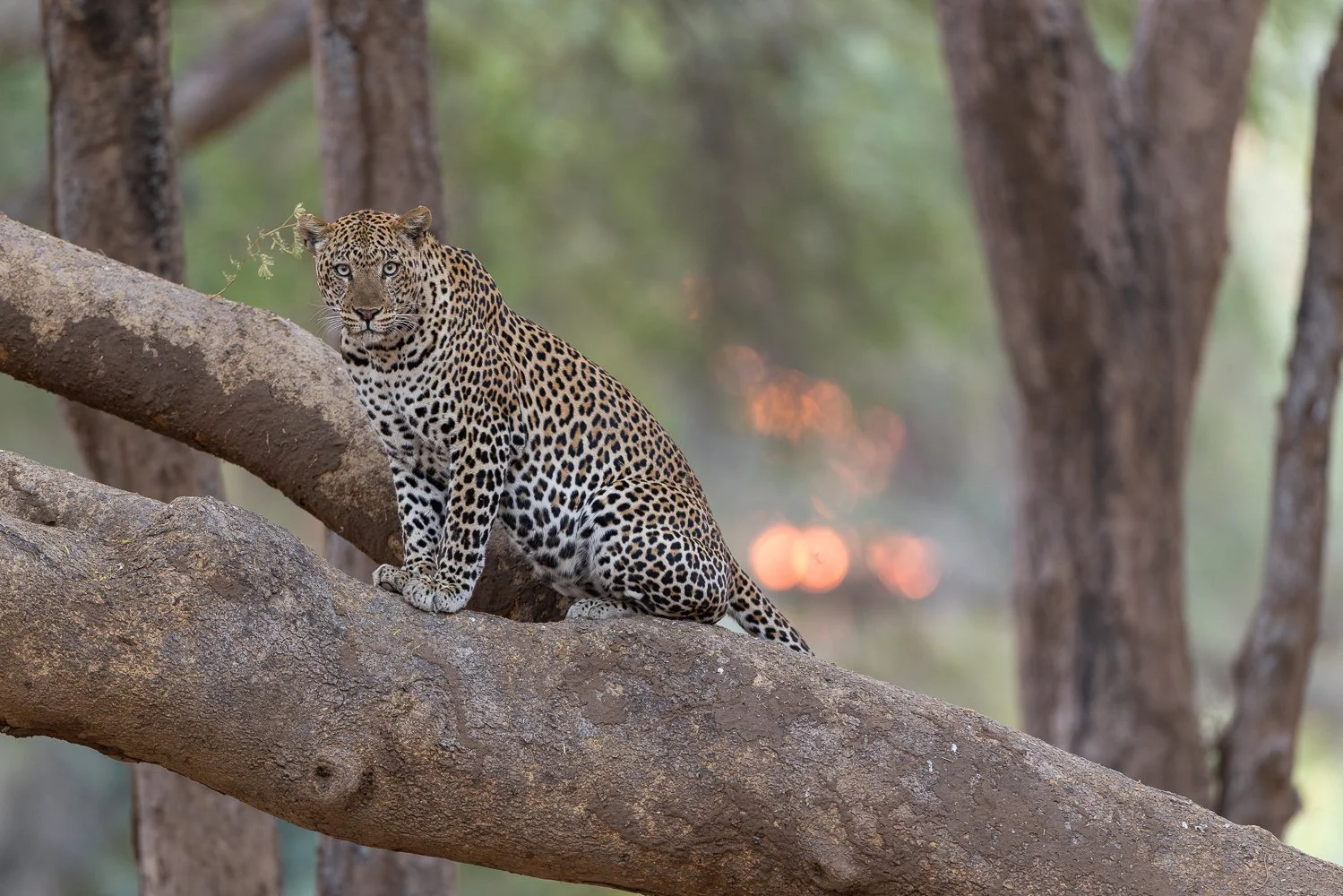
Yes definitely. The Lower Zambezi is known for its leopards and getting to see them moving along the banks of the Zambezi River, prowling the lagoons and small channels or meandering through the Winterthorn forests or resting on a termite mount is worth the trip itself.
-
You can! There are only some that do it and they are usually the bigger bulls as the females and smaller bulls do not generally have the strength to do it. The same elephants that you may have heard of in Mana Pools are the same elephants that do it in Lower Zambezi as they move freely between the two. So, if you want to see this rare behaviour it is often recognising the individual elephant as one that does this and staying with the for a time.
-
Most camps in The Lower Zambezi close from December through to June due to the rains that saturate the ground and make driving almost impossible. The wildlife season typically runs from June to the end of November.
Photographing in the Lower Zambezi
-
If you are out on the water on a boat, a longer focal length (400mm+) would be recommended as you don’t want to be getting too close to hippos and elephants in the water.
For the carmine or white fronted bee-eaters, a 600mm or equivalent focal length is recommended as you want to keep your distance to avoid disturbing the colonies.
In the Winterthorn forests, with the thick canopy and filtering light and dust, light levels can get low fast, particularly towards sunset so having a shorter, faster lens like a 100-300 f2.8 or 70-200 f2.8 is ideal. The light creates such mesmerising scenes that you often want the ability to pull back slightly and bring the environment into your shots so I would definitely recommend having something that allows this.
-
Technically, the Lower Zambezi is a National Park so is governed by strict ‘gate’ times even though there are not actual gates if you are staying inside the park. However, these times typically line up with getting out before sunrise and after sunset though not in total darkness (you have to be back at camp by 8pm which gives a short window of effective ‘night drive’ where you can see some of the more nocturnal creatures).
-
Being a national park, off-road driving is not generally permitted, though it is allowed for sightings in a controlled manor but you cannot simply drive off-road without good reason.
-
Boat-based photography is very rewarding and exciting often providing a different perspective to the photographer - eg hippos from a low angle in the water or getting close to crocodiles or elephants with bokeh-balls reflecting off the surface of the river out of focus. It does come with its challenges, however. Most of the boats won’t have support built in so getting comfortable hand holding your gear is essential and even if there were supports, keeping the boat steady in the current is a challenge and involves keeping the engine running with can have micro-vibrations through the support. And when the engine is off, unless you are tied up to something or anchored, the boat will drift so you have to incorporate that movement into your planning for taking a photo. It’s a lot of fun!
-
From a photographic perspective, I do think that the Lower Zambezi is more for those who have seen and photographed African wildlife before, or if it is your first time then it should be combined with another area such as South Luangwa or Kafue which are more ‘traditional’ and have a greater density and diversity of wildlife. In the winterthorn forests with the light levels changing rapidly, being comfortable with how your ISO, shutter speed and aperture work together to expose an image is critical and understanding your personal limits that you’re comfortable pushing your camera to, particularly in terms of ISO, is advised.
You won’t see rhinos or giraffes here though so I wouldn’t personally recommend it for first time safari goers wanting to see as much as possible but if you just want to see and experience a truly magical slice of Africa with a range of activities like boating and walking and fishing then absolutely go for it.