
The Okavango Delta
An oasis in Botswana’s Kalahari Desert. Natural. Beautiful. When a river empties into an inland desert, life abounds. A life-giving, annual flood, that is one of Nature’s greatest events.
The Okavango is unique, a wildlife paradise that never ceases to amaze.
What to expect…
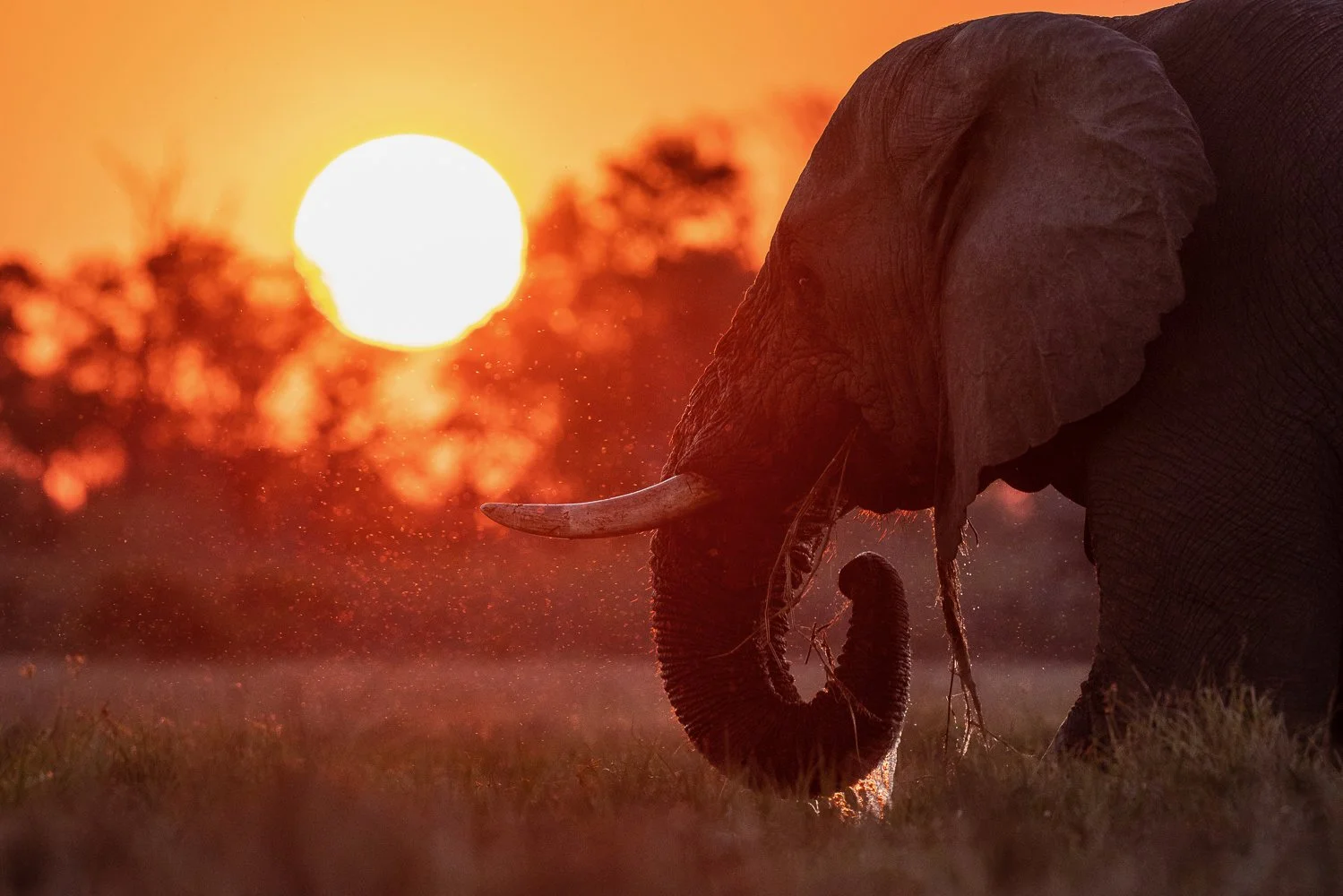
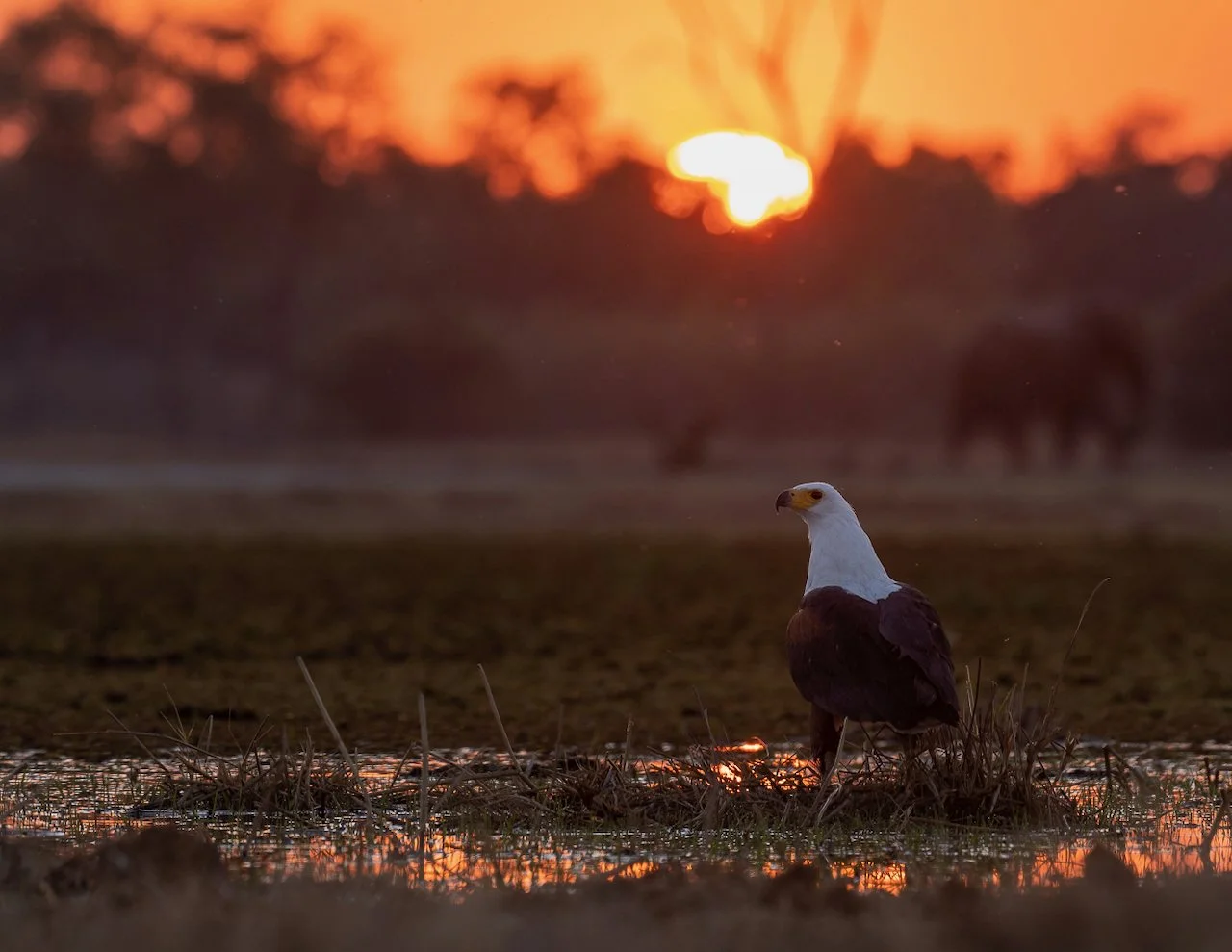
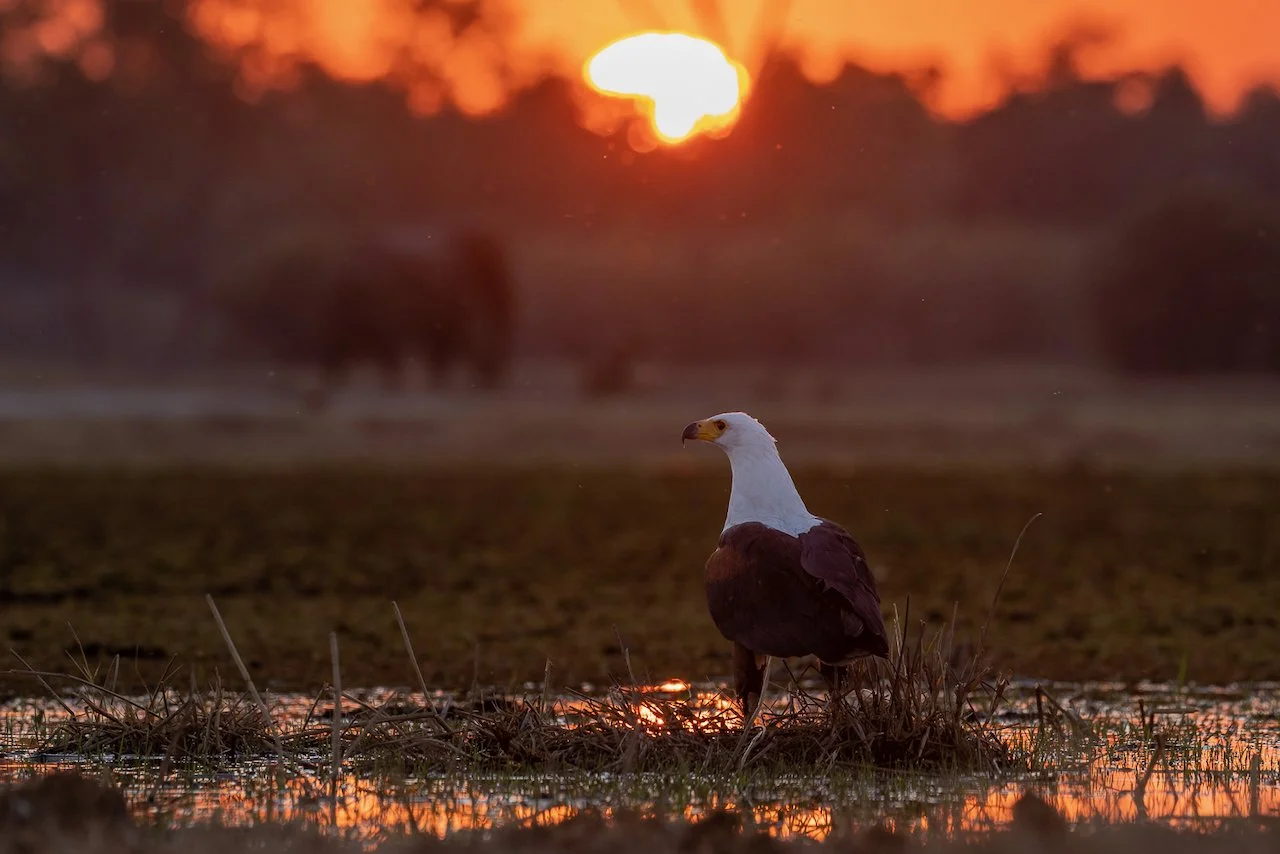
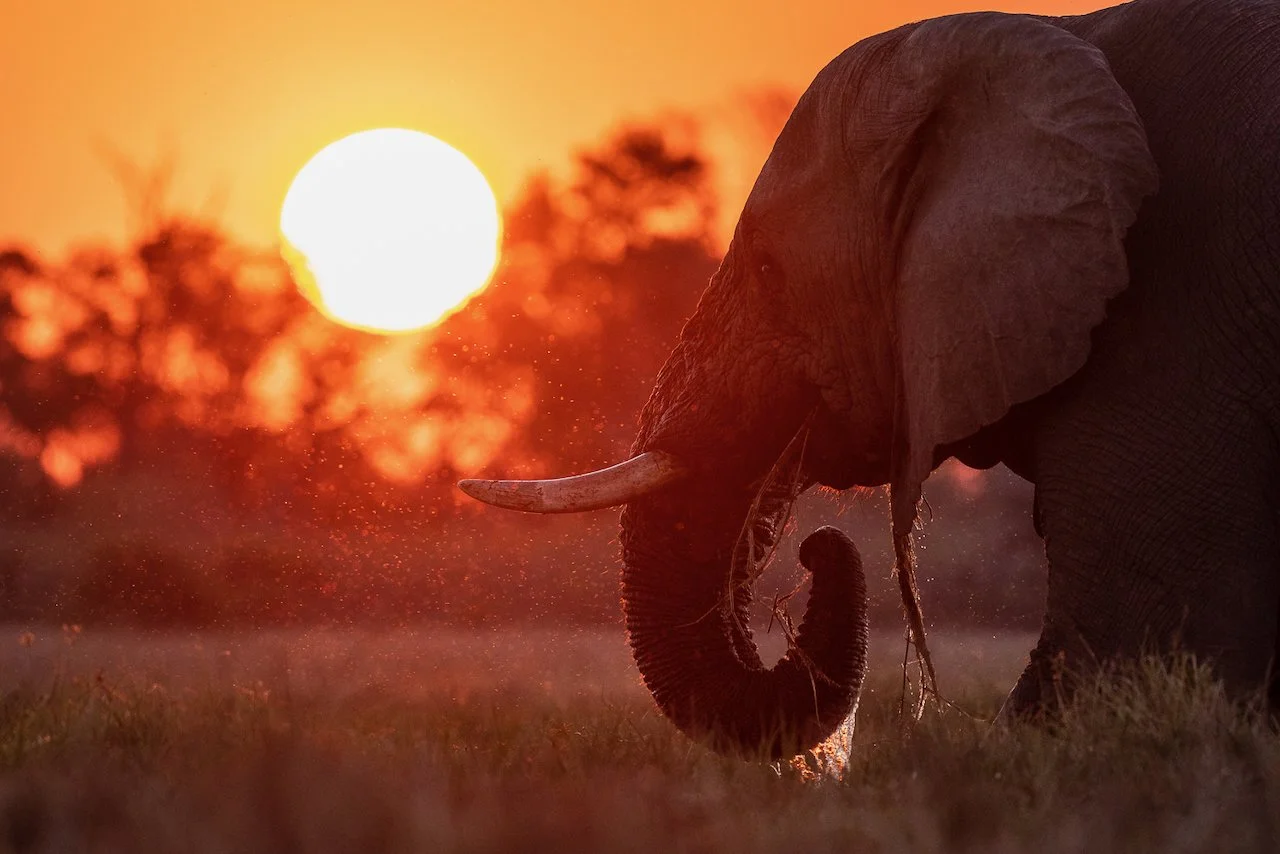
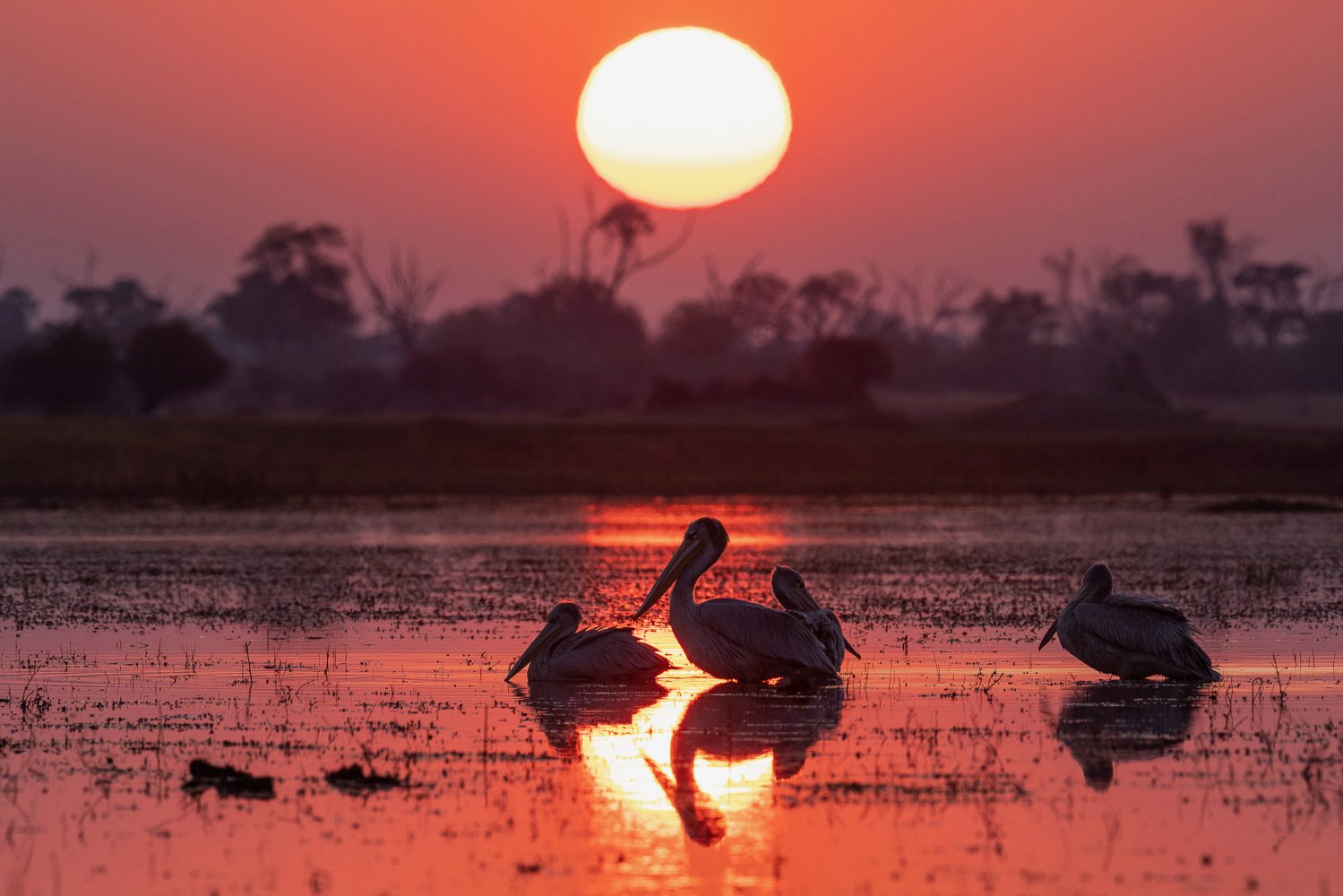
Cries of the African Fish Eagle, incredible, lingering, golden light and majestic palm trees with elephants is often what springs to mind when thinking about the Delta. This landscape is a true oasis and has some of the greatest and most beautiful photographic opportunities for wildlife anywhere on the continent.
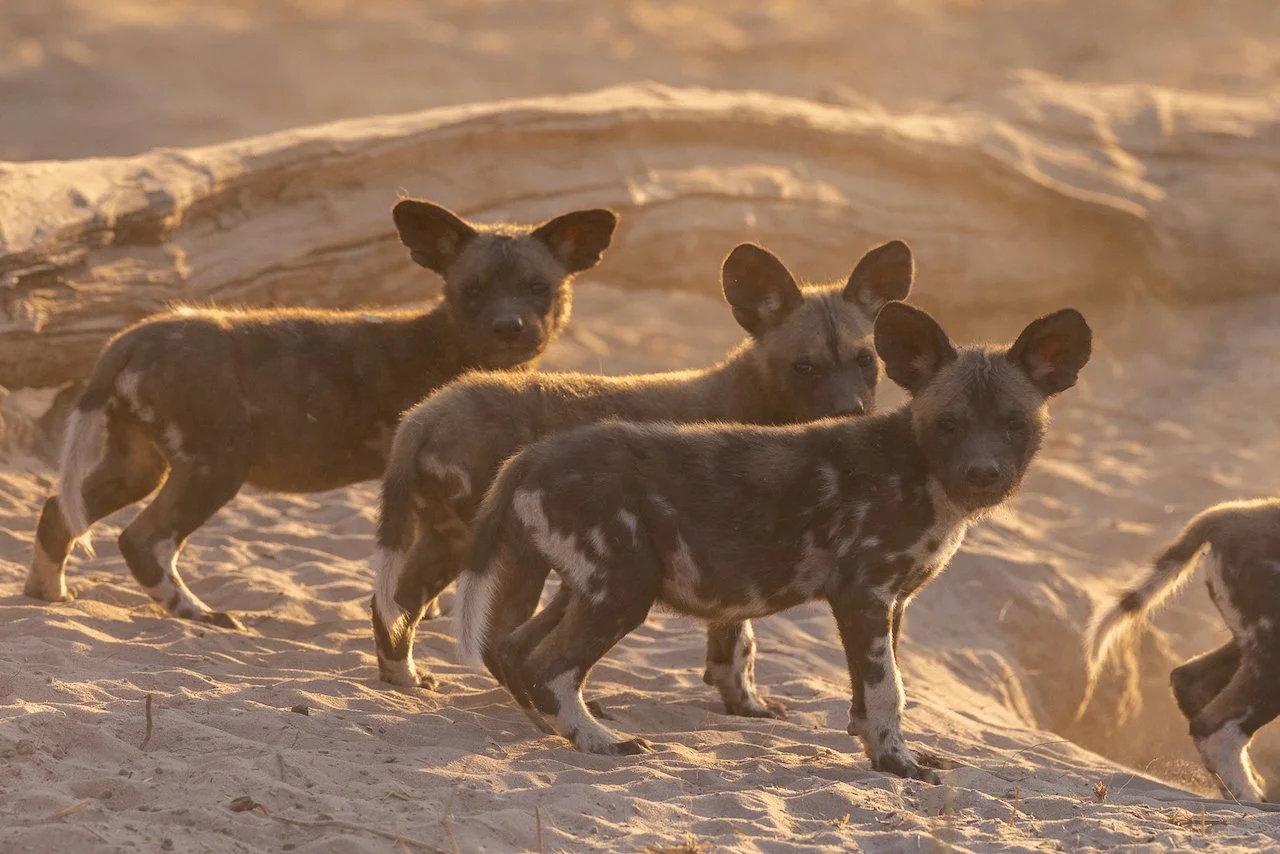
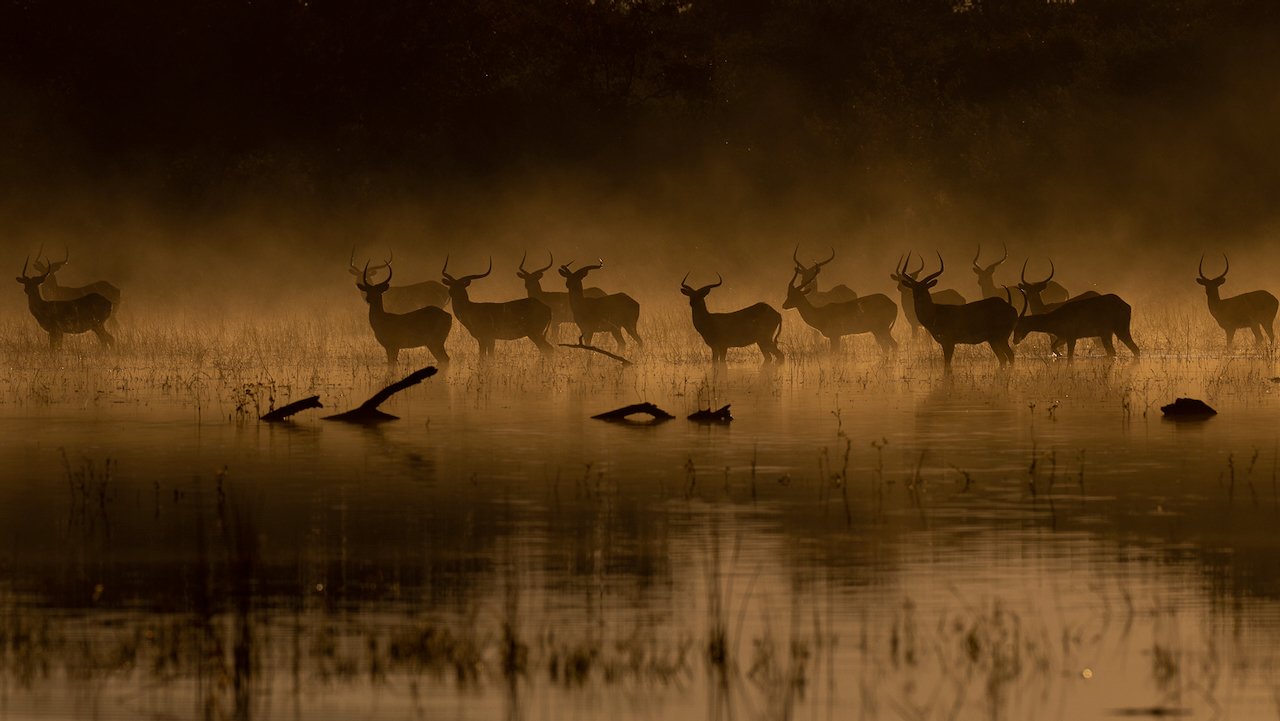
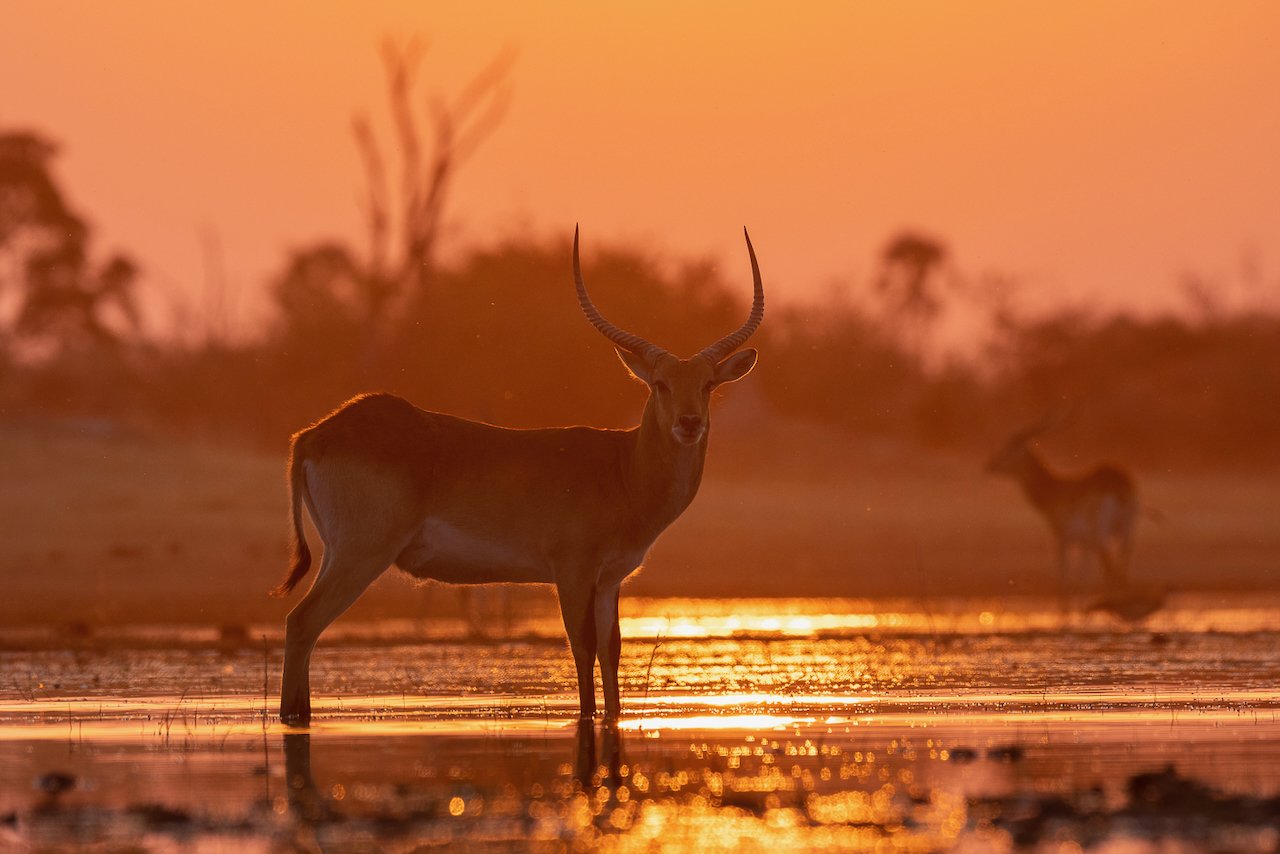
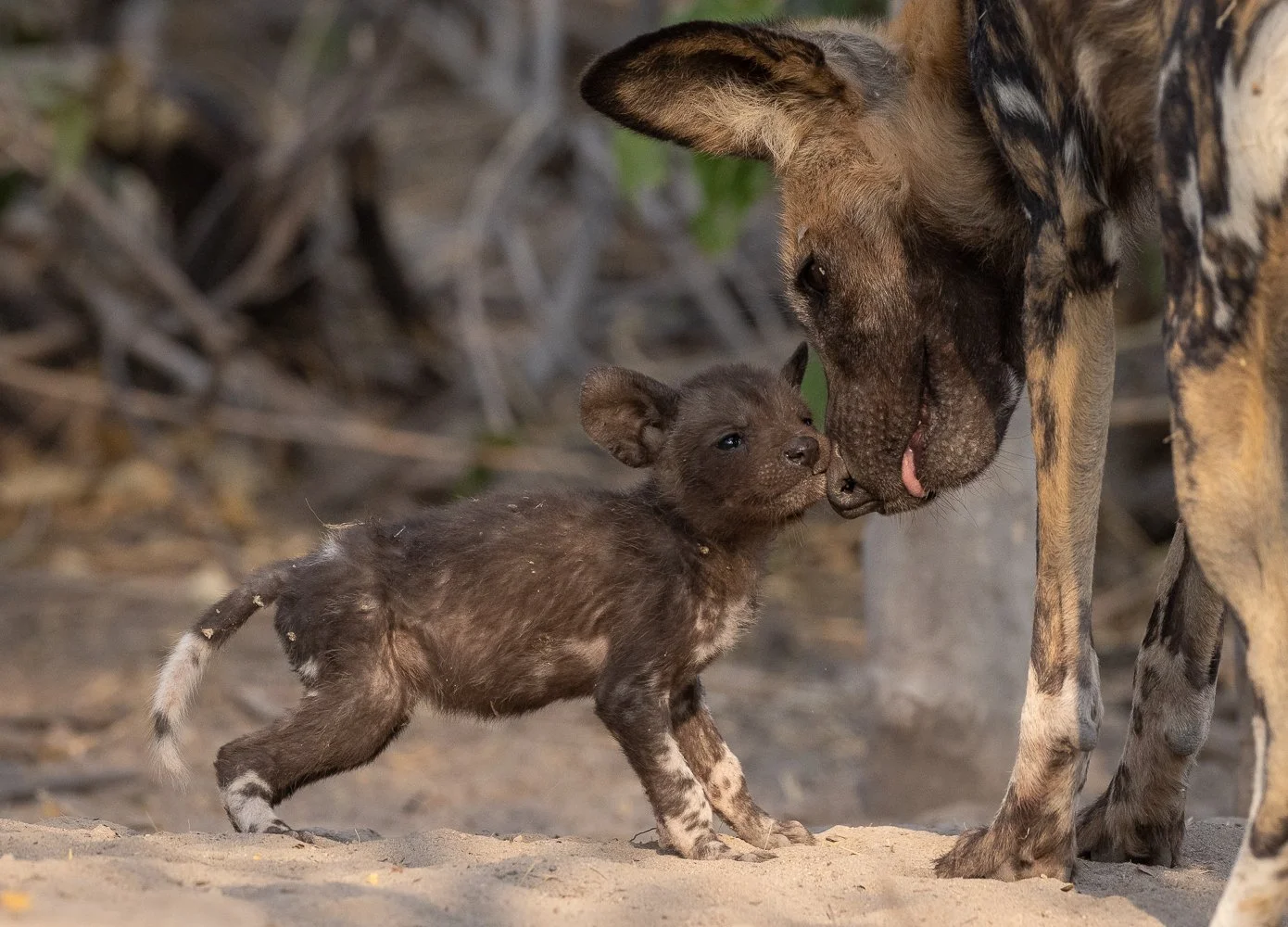
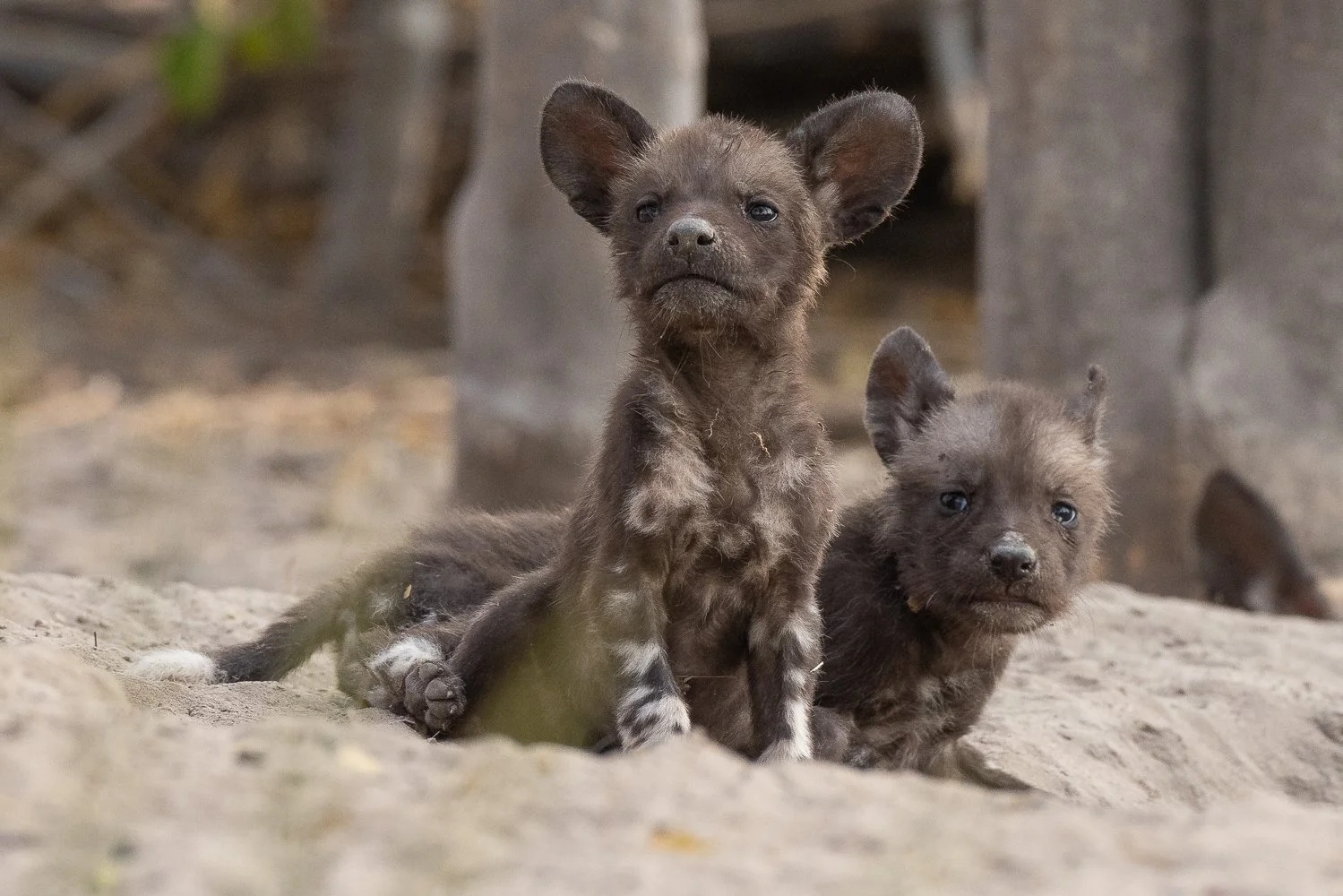
Unique animals like lechwe, sitatunga and others make this wetland their home together with some of Africa’s best concentrations of African Wild Dogs - arguably the best place to see and photograph these incredible and highly endangered animals.
Look out for the stunningly beautiful sable antelope with its dark colouring and white eyeliner that extends down its nose in a face crowned by gracefully backwards-sloping horns.
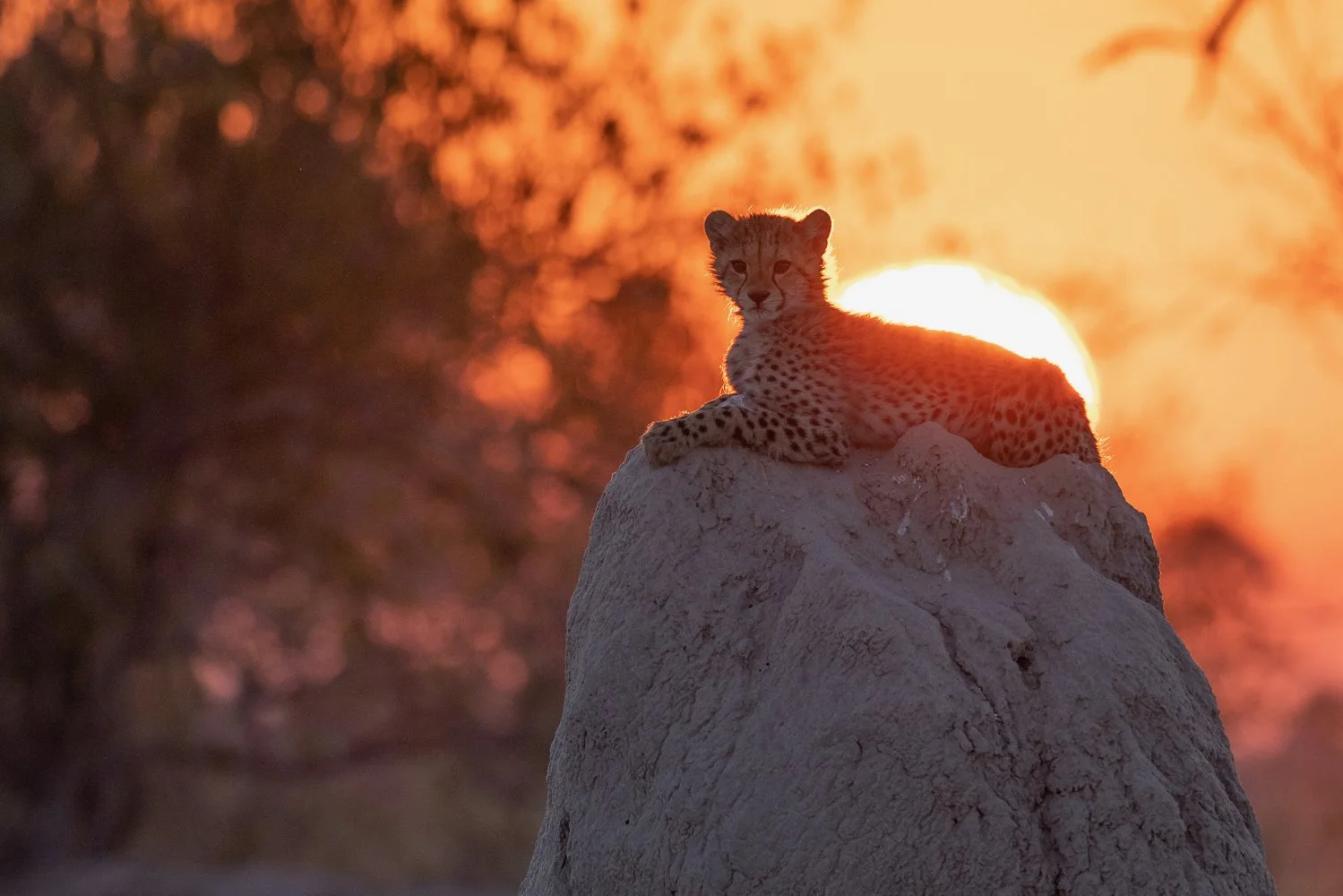
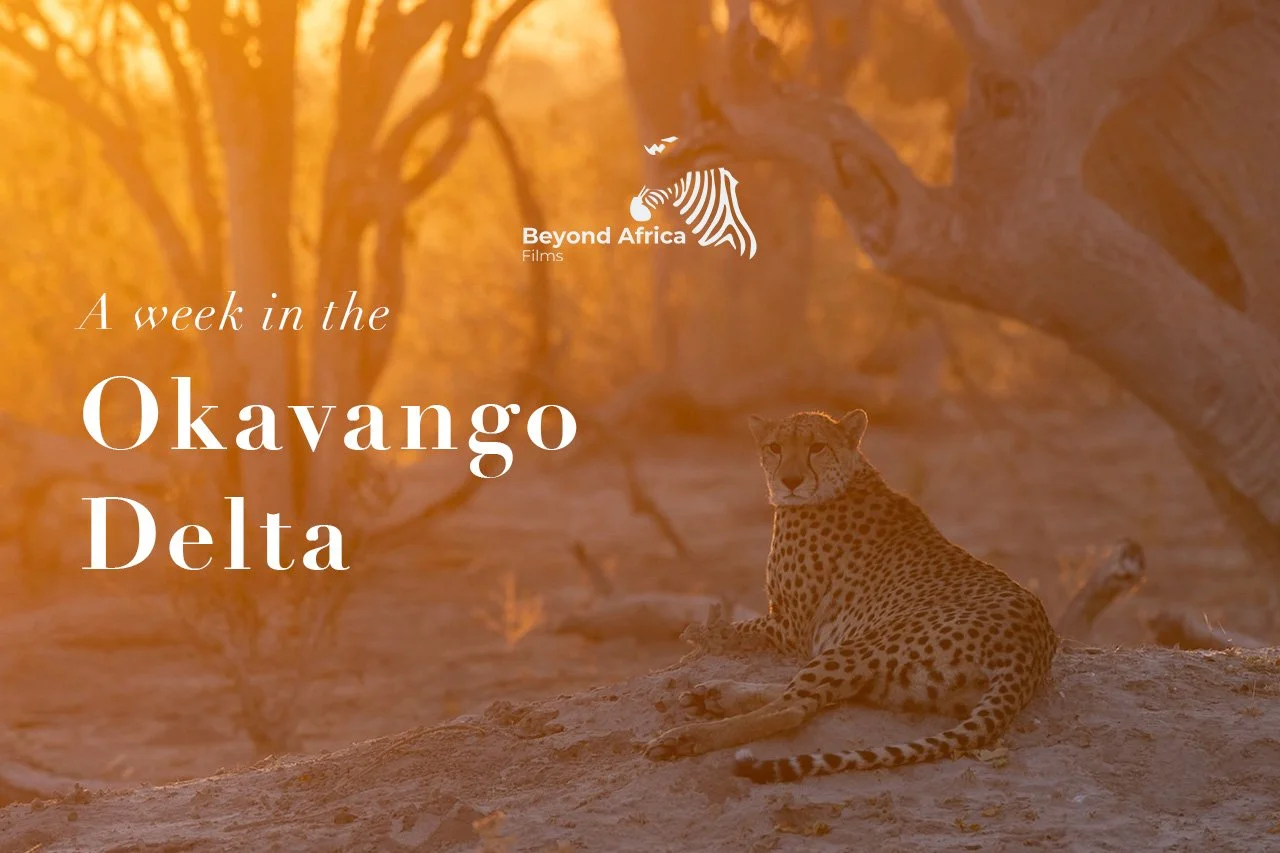
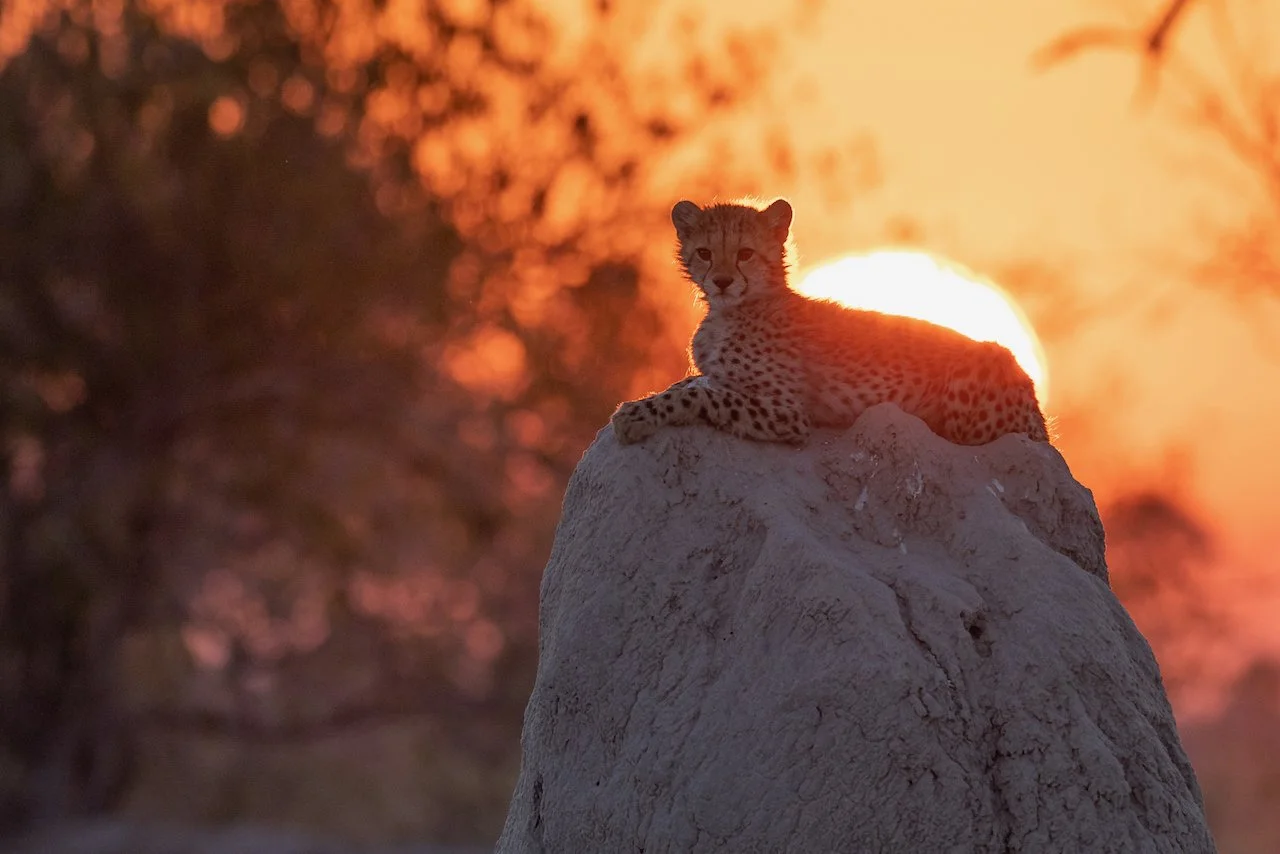
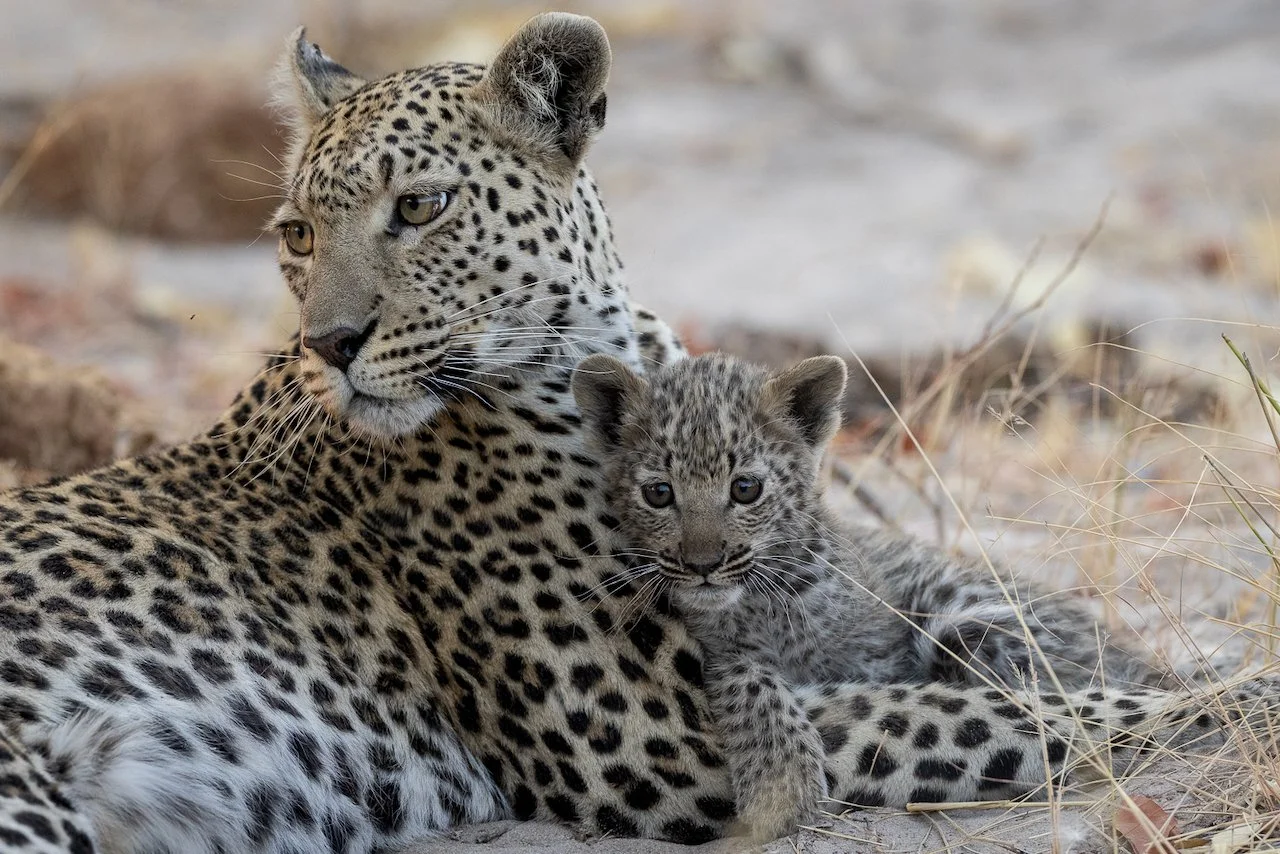
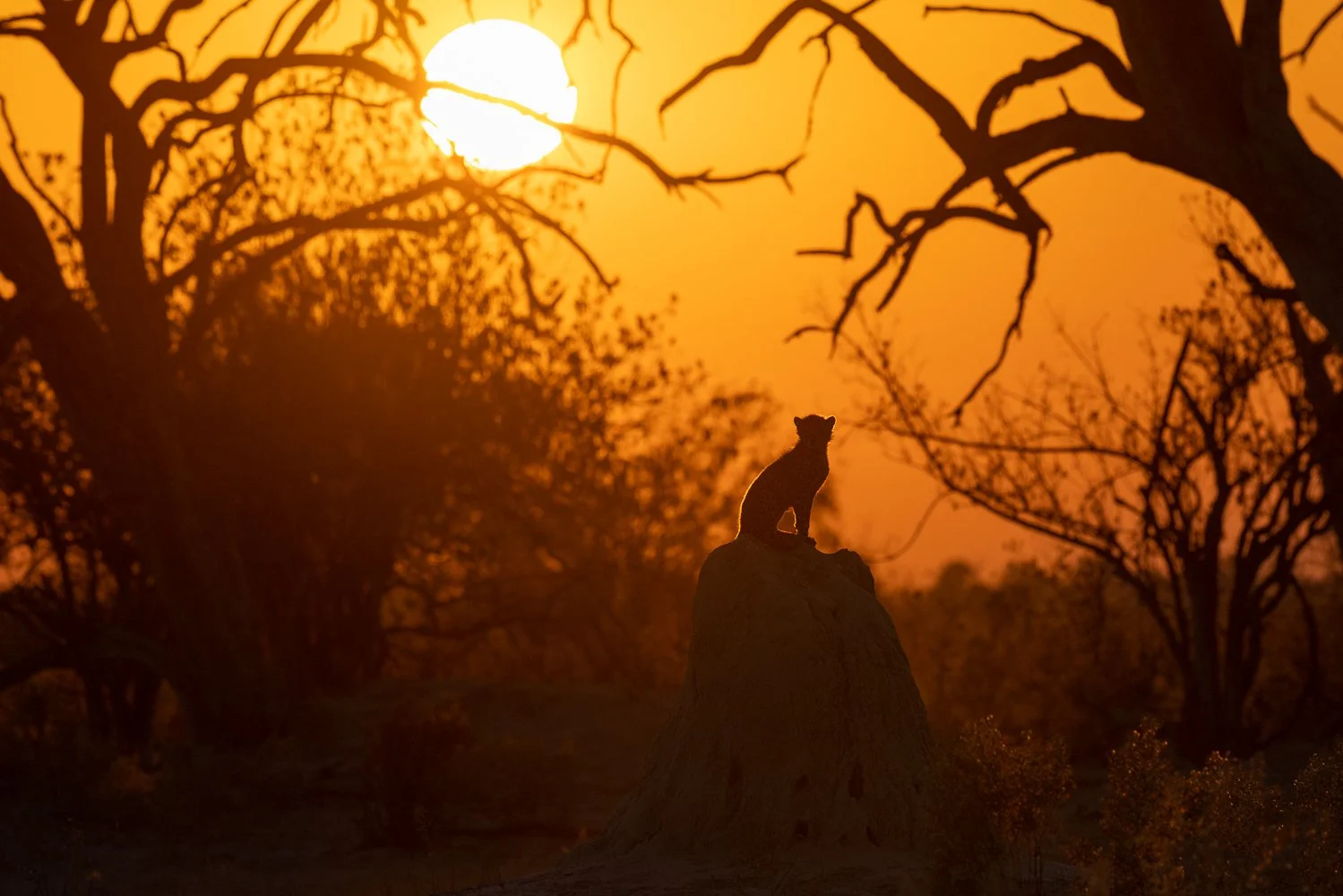
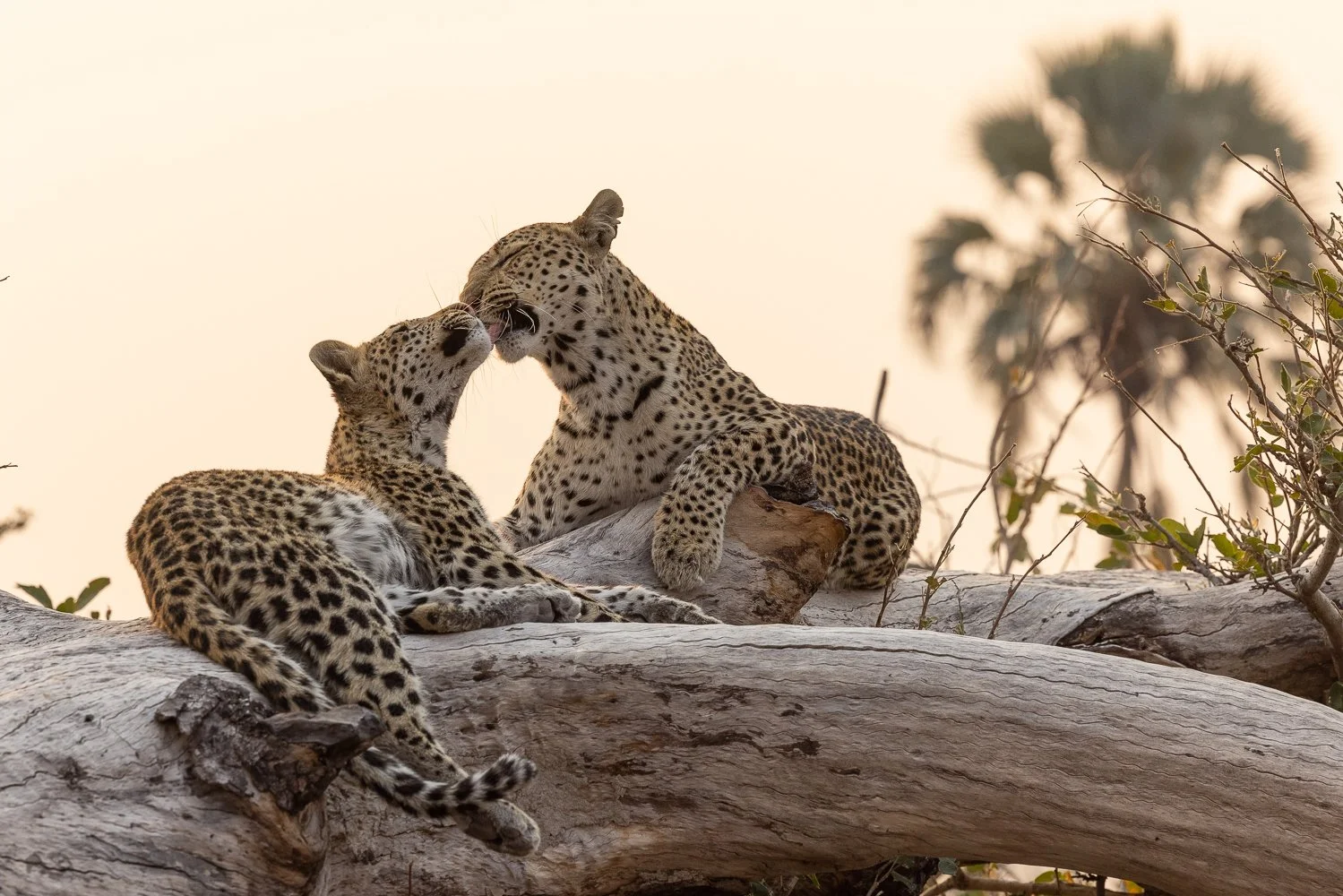
Leopards, lions and cheetahs are also present in good numbers for those looking for predators. But really it is the incredible landscape and scenery that makes this area so special and unique. An incredible tapestry upon which the treasured wildlife weave their individual stories.
When to Visit
Given the unique nature of the Okavango, there is wildlife present in good numbers all year round. The Okavango is probably at its most beautiful during the Flood (May to August) and particularly towards the end of July and August. This is because the grass has died down a bit since the rainy season of December through April making wildlife easier to spot, and the rivers and channels of the Delta have largely filled with water as the flood waters move ever further south-east gently fanning out across the floodplains. With such abundance, wildlife is flourishing and everything from mokoro journeys to boating, and helicopter flights is at its aesthetic apex. Photographically, the landscape is incredible, however, photography is limited by where you can travel and with so much water the wildlife is more spread out. The light is lingering and golden through these winter months and temperatures at night and early morning can be bitterly cold and wonderfully comfortable and warm during the day. From September trough October, as the floodwaters recede, the temperatures rise, and the landscape dries, wildlife is much more concentrated and the predator action can be sensational with good light and dust. November can bring the start of the rainy season with epic thunderstorms building during the heat of the day before bursting in the late afternoon and cooling things down (somewhat…) but this can lead to some truly epic skies and photographic opportunities.
JAN
Mixed
FEB
Mixed
MAR
Mixed
APRIL
Good
MAY
Good
JUN
Good
JUL
Very Good
AUG
Excellent
SEPT
Excellent
OCT
Excellent
NOV
Very Good
DEC
Good
Your Questions, Answered
These are some of the most common questions I get asked about going on safari in the Okavango Delta.
On safari in the Okavango Delta
-
Yes. The Delta is an extraordinary wildlife destination and camps are open year-round. Each season is different and habitats across the Delta are quite varied so regardless of season it is often advisable to choose two different camps in different locations to experience a nice blend.
Towards the end of the wet season (summer) in January and February, however, the grass can be very long making wildlife viewing more difficult.
-
The flood happens from May through to September starting in the north-western section in what is called the ‘pan handle’ before spreading slowly south-east across the Delta reaching its peak usually towards the end of July or beginning of August before slowly drying up and eventually disappearing by the end of September.
The size of the flood depends entirely on the amount of rainfall months earlier, and over 1000km away, in Angola.
-
Where there are permanent water channels you can mokoro year round in the Delta. Often camps in these areas are predominantly water-based activities (mokoro and boat safaris and fishing). Other camps that are further away from permanent channels rely on the annual flood for their mokoro activities and these camps tend to be more focused on vehicle activities.
-
Absolutely. The Delta is known for its wild dog population and many concessions are very famous for their ‘resident’ pack(s) of dogs.
The dogs often den in June/July so tend to stay in one area during this time and the pups usually come out from August and because they cannot run with the pack yet, this makes it a very good opportunity to see and photograph dogs as they tend to hunt and return to the den to feed the pups.
Of course when the pups are young (still in the den or only newly coming out) the den site is closed to protect them. You can still follow the dogs hunting, but their return to the den will be off limits and in places where this has been practiced for a long time, the dogs have been extremely successful.
-
As above, where there are permanent water channels camps in these areas are predominantly water-based activities (mokoro and boat safaris and fishing). Other camps that are further away from permanent channels rely on the annual flood for their mokoro and boat activities and these camps tend to be more focused on vehicle activities.
In times where the flood is low then some areas may not be able to do mokoro, and at times when the flood is particularly large then areas may be too flooded to allow for vehicles to drive safely.
Photographing in the Okavango Delta
-
The Okavango is such a rich and breathtakingly beautiful landscape that you want to incorporate it into your photos. I find that 300-400mm is an ideal focal length for wildlife. A 70-200mm lens is also useful for some wider shots.
As is often the case, if you are into bird photography, however, a 600mm (or equivalent) is ideal.
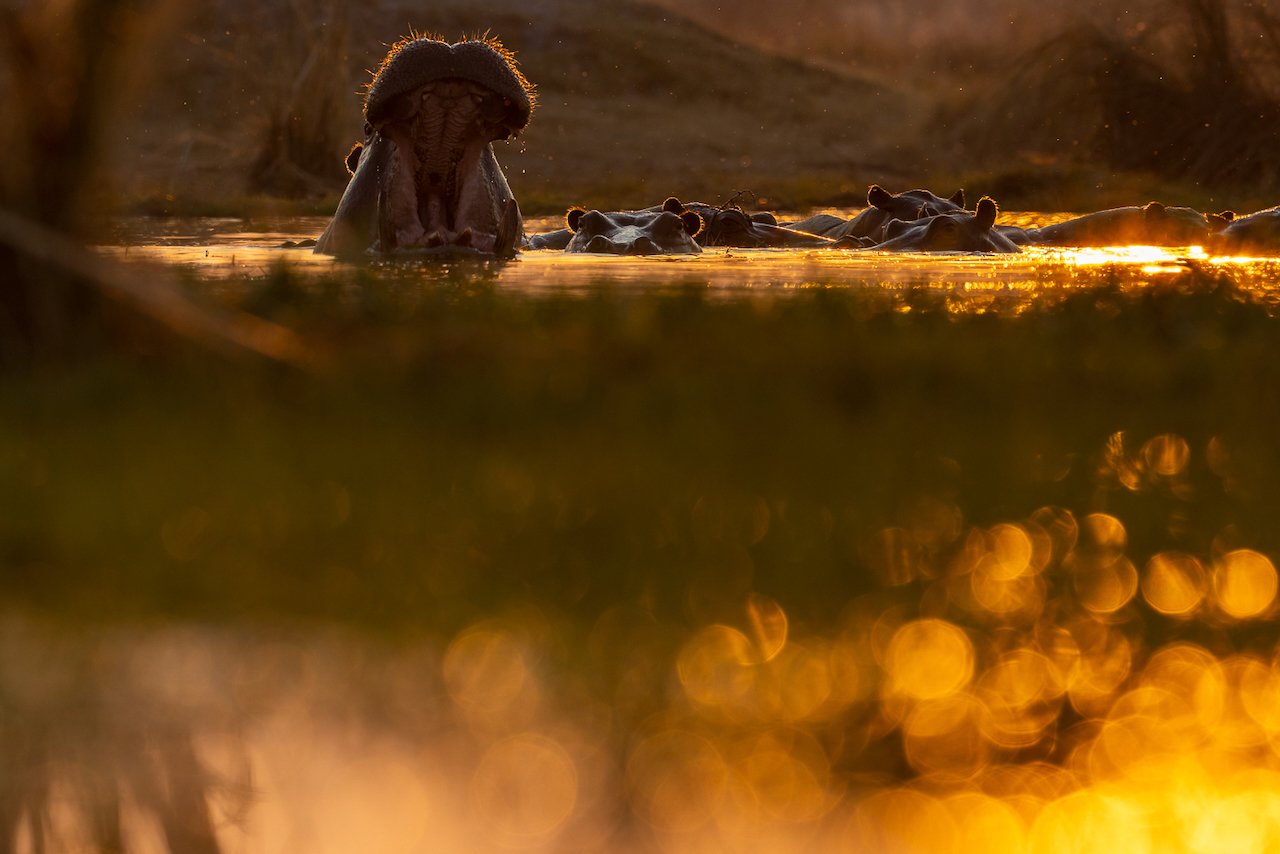
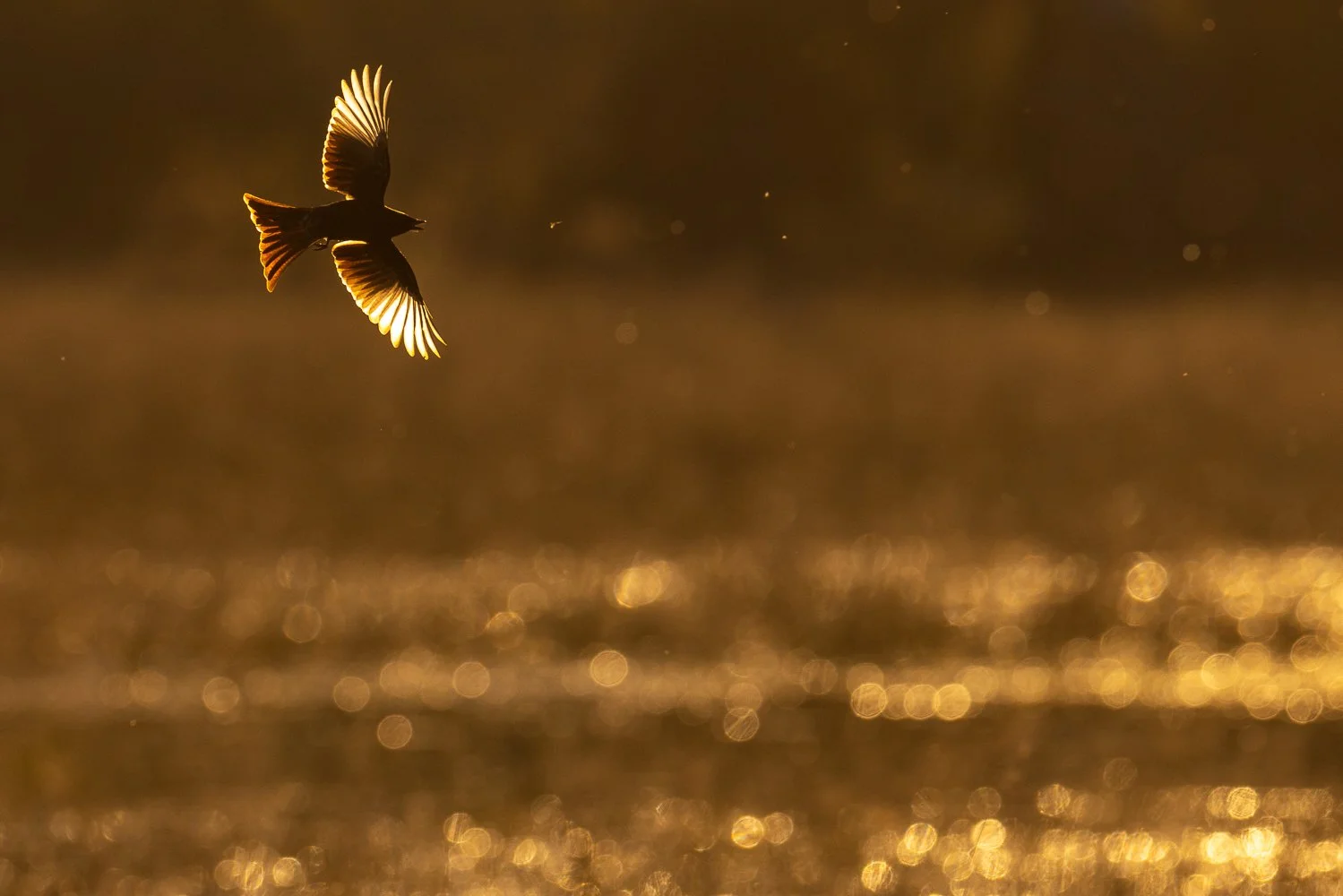
The Delta in large part is quite open with broken palm trees and bushy islands that break up the background nicely without ever being too thick and the light, particularly in the winter months, is golden and lingering so you really want to bring this into your photography.
-
Yes for the most part unless you are staying at a camp located in the Moremi National Park which, being a national park, has strict gate times.
If you are staying at a camp in a private concession then there are few, if any, limits on when you can be out so getting out before sunrise or being out photographing at sunset is absolutely possible (and is something I definitely encourage and do on my trips).
-
Similar to the above. Off-road driving is generally prohibited if you are staying at a camp in the Moremi, but if you are in a private concession then often off-road driving is allowed to get into positions for wildlife sightings.
There are some areas where this cannot happen due to soil type, particularly if it has been raining or is flooded.