
Mashatu Game Reserve
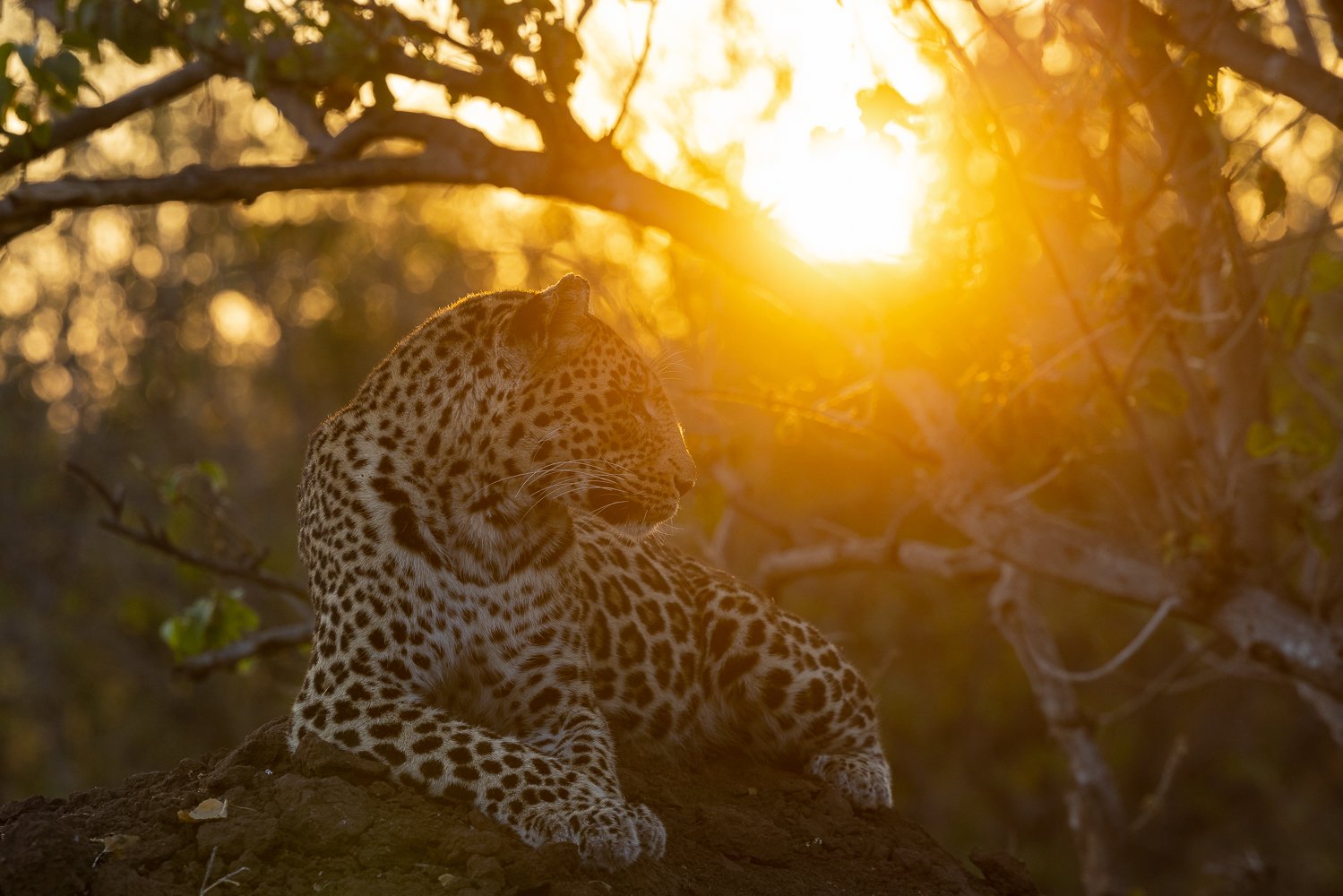
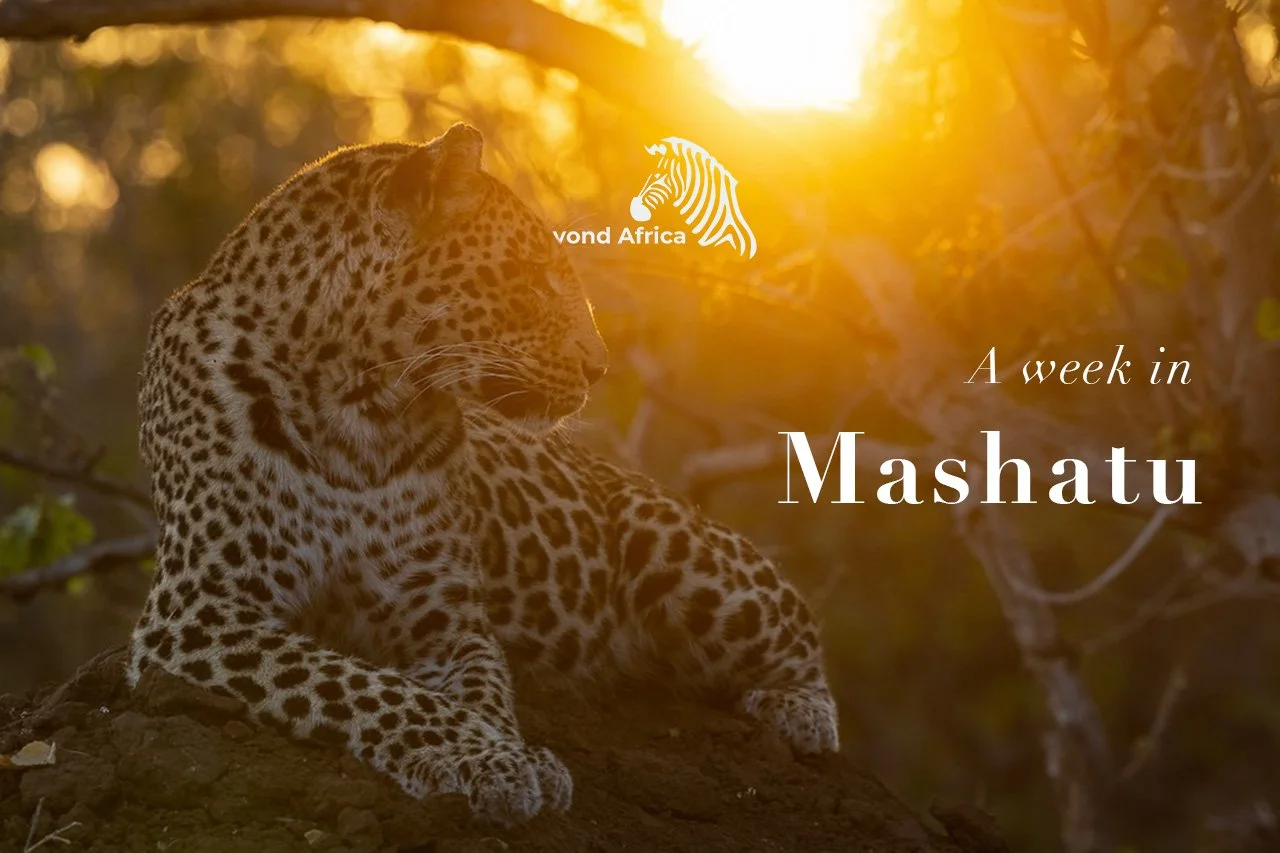
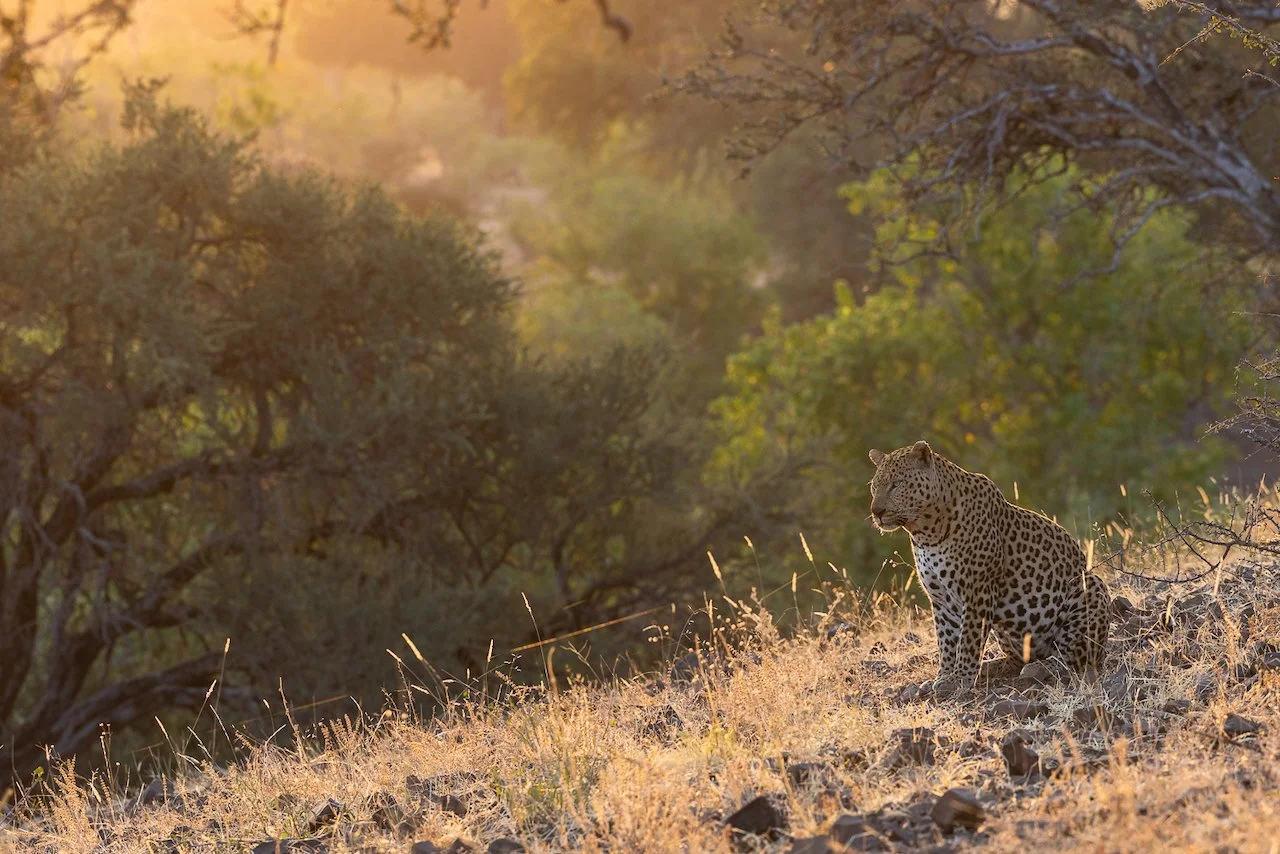
In the southeastern corner of Botswana, where Botswana meets South Africa and Zimbabwe lies this hidden gem at the confluence of the Limpopo and Shashe Rivers. A haven for leopards where towering Mashatu trees dominate the landscape, the ‘Land of Giants’ lives up to its name.
What to expect…
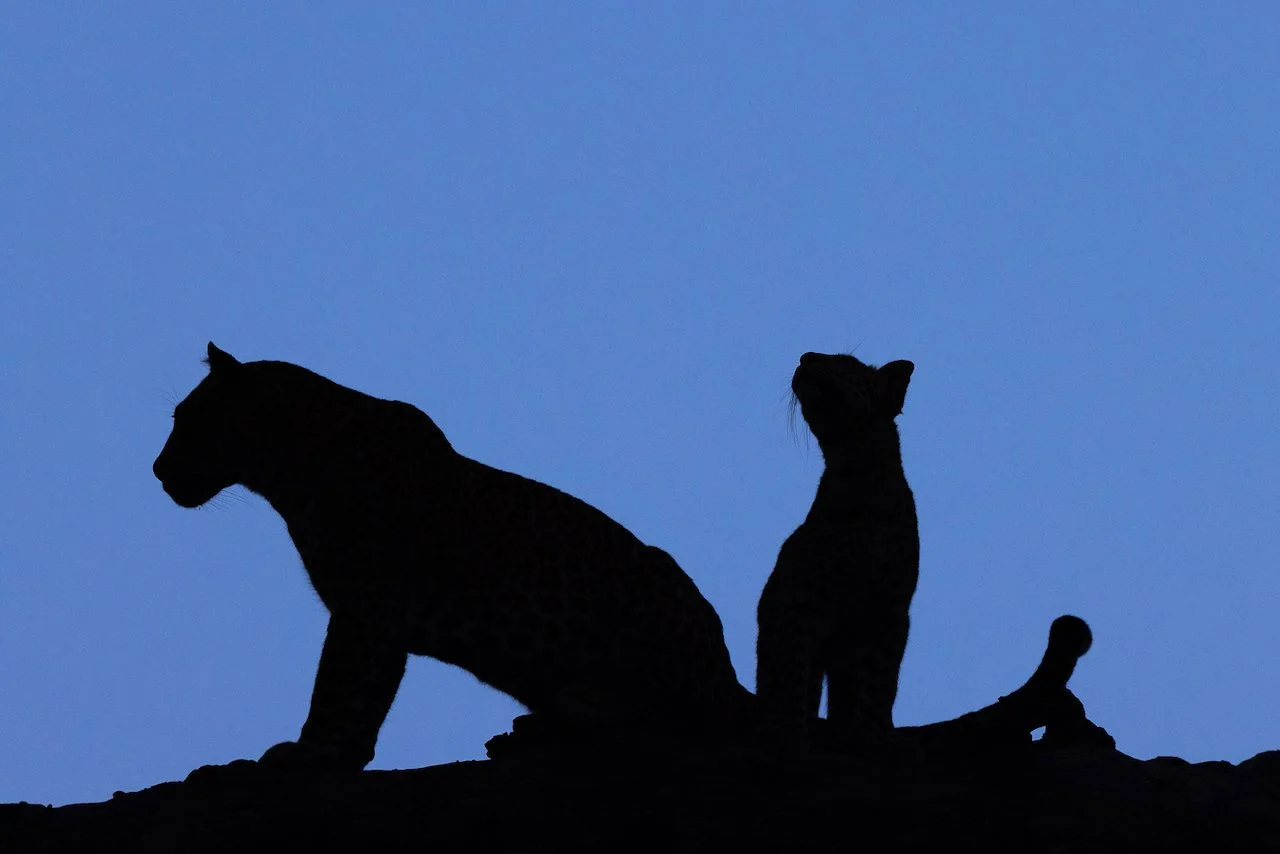
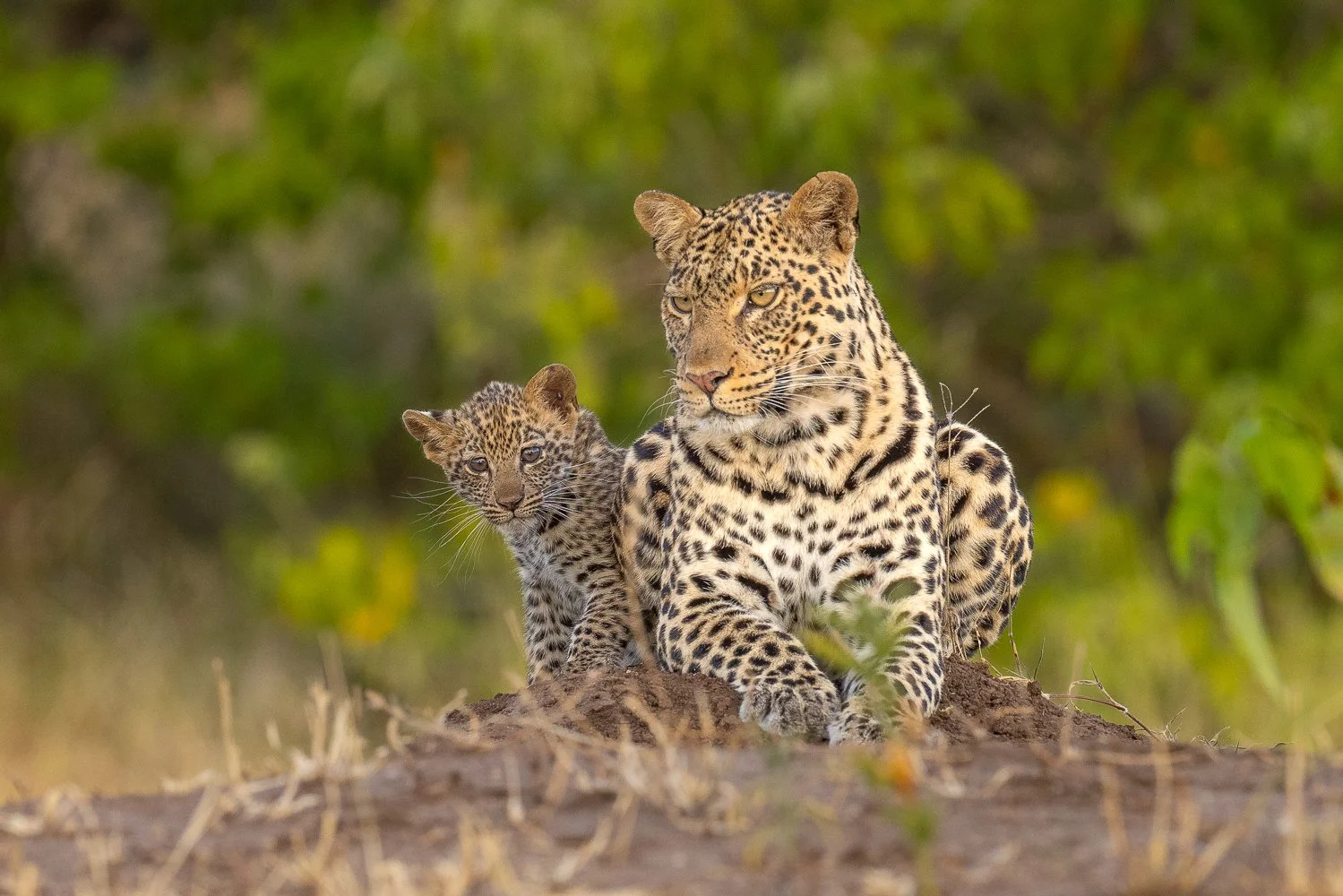
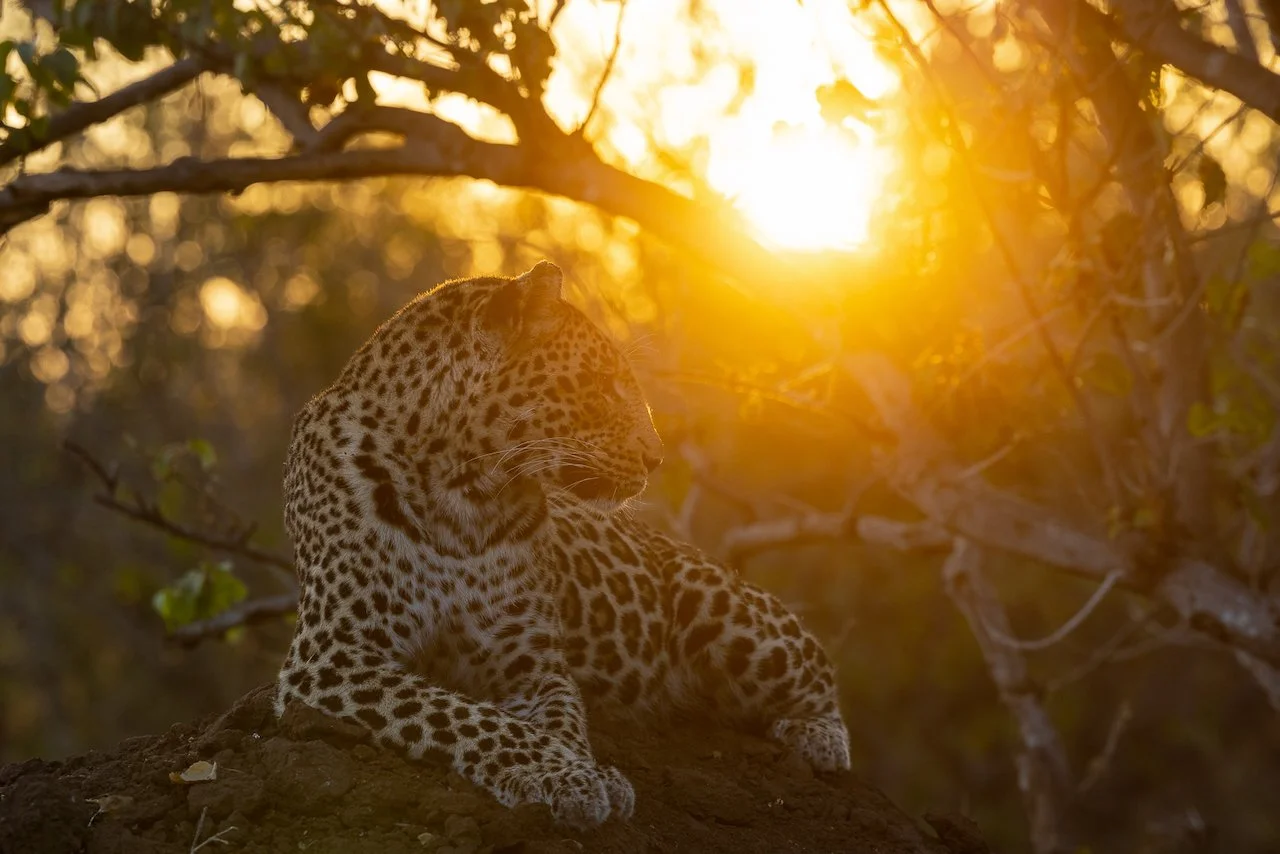
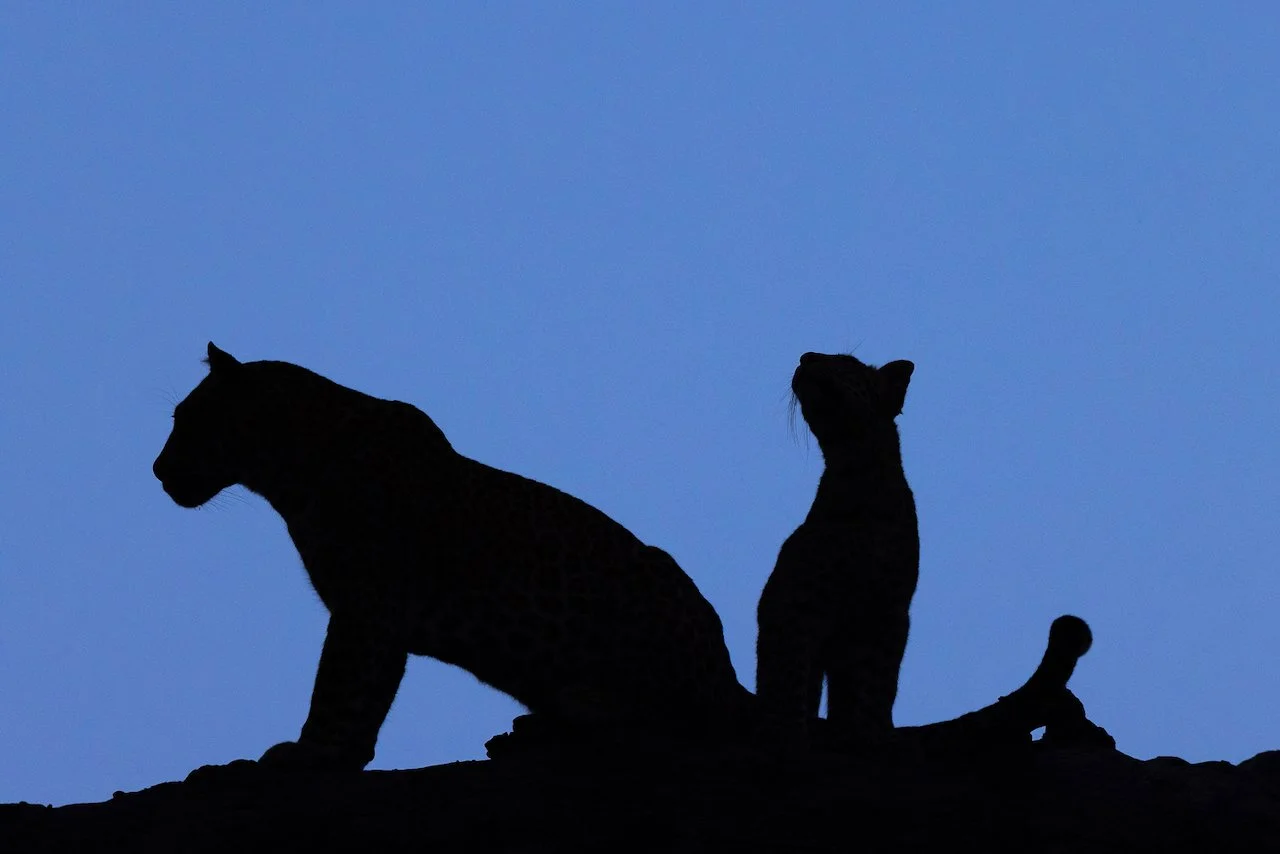
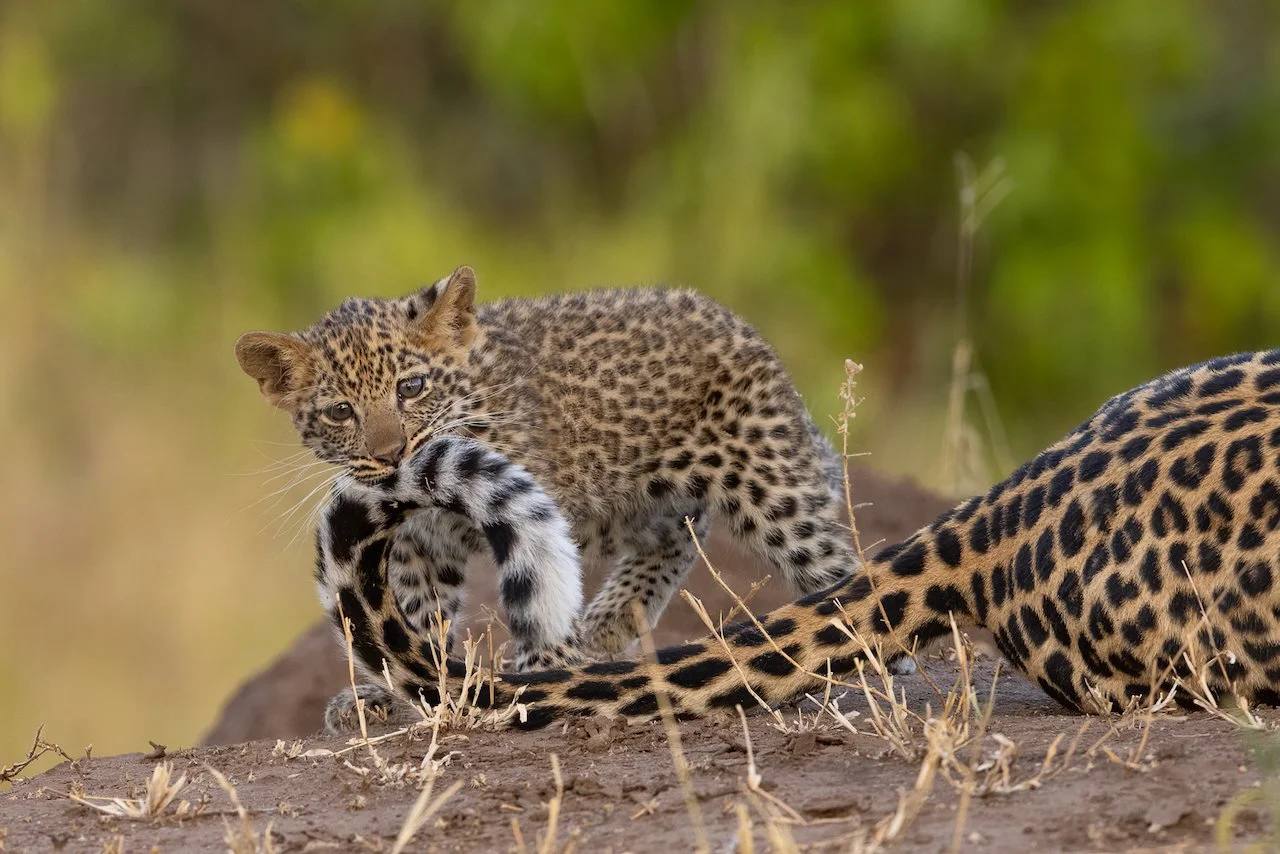
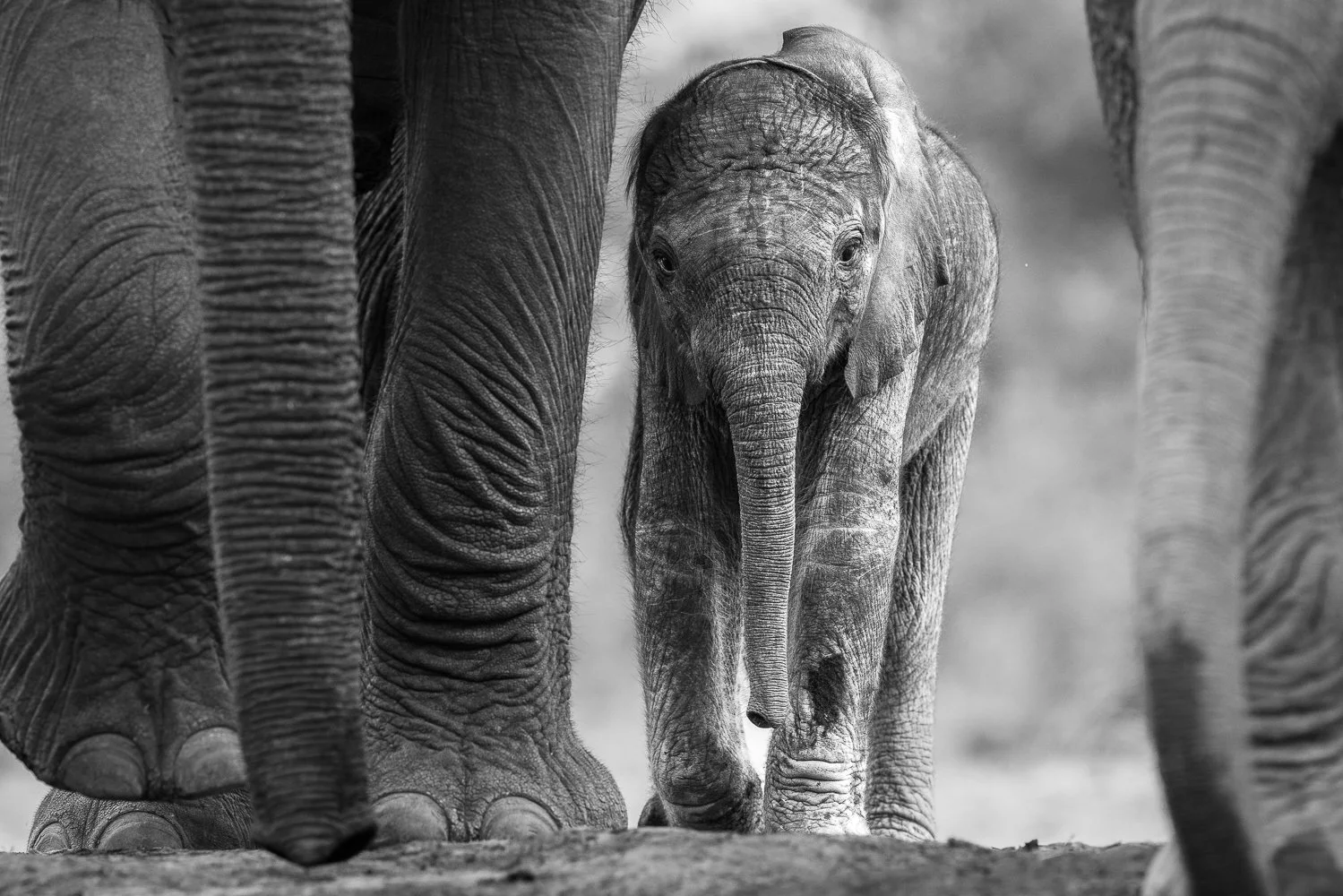
With the largest number of elephants on private land anywhere in Africa and incredible leopard sightings that rival and arguably eclipse the famous Sabi Sands in South Africa, Mashatu is a land that never ceases to amaze. Majestic, towering and magical Mashatu trees create a unique and spectacular wildlife landscape where inspiration follows every twist of every dry river bed.
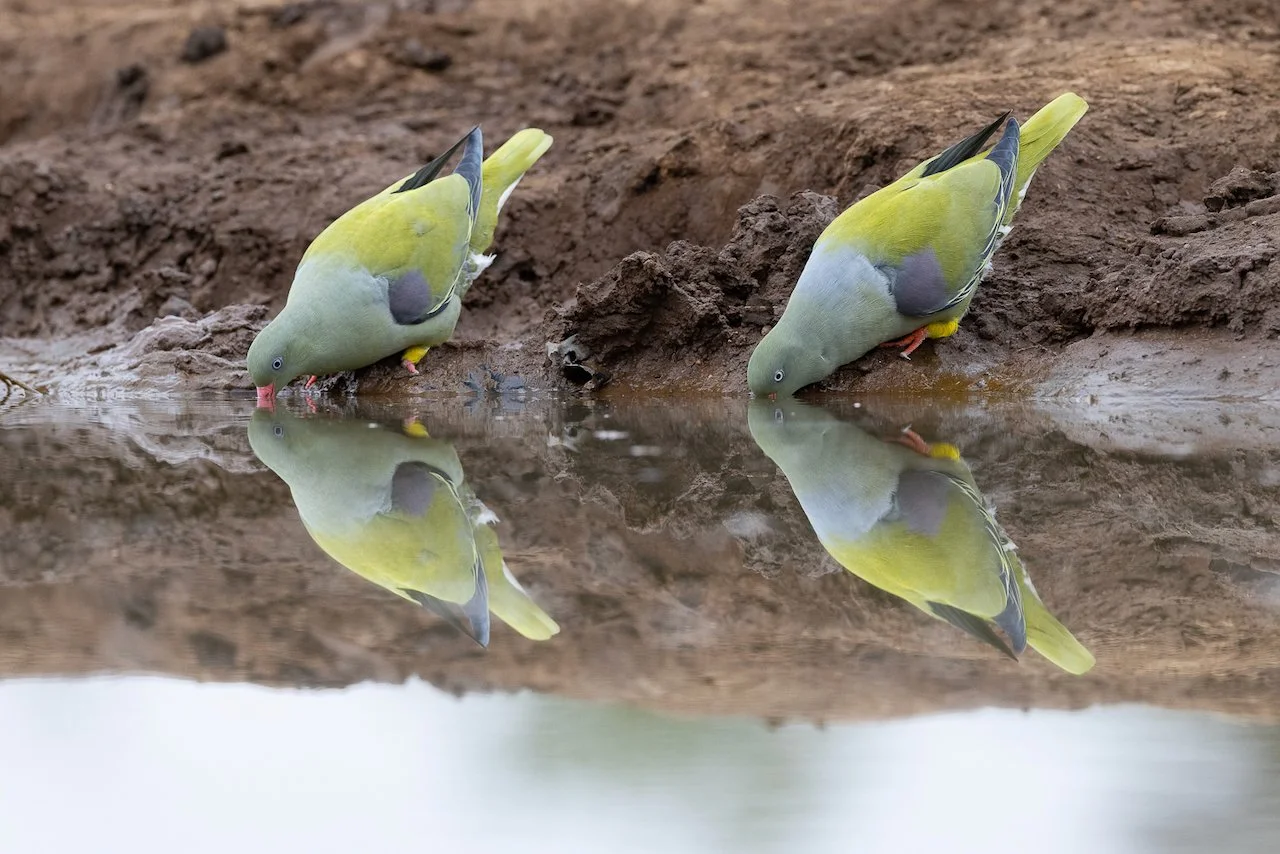
Sunken photo hides provide unique photographic opportunities where elephants routinely drink and even leopards and lions have been known to frequent.
Pythons enjoy warming in the sun and baobab trees provide incredible subjects for night time and astro-photography.
When to Visit
As with elsewhere in Southern Africa, the rainy season really dictates best times to travel. Very similar to South Africa, the rainy season is in the summer months from December through March. During this time the thunderstorms build up during the heat of the day and release their rain in the afternoons. The grasses begin to grow and wildlife is more spread out due to the amount of freely available water sources making wildlife viewing challenging. The landscape is covered in lush green grass and yellow flowers that make for incredible photos - especially in comparison to the drier, dustier months that follow. From April and May the dry season begins and the grasses begin to shrink in height making viewing easier. June through September is peak wildlife viewing season as the short grass and limited water sources make photography and spotting and viewing wildlife easier. Wildlife congregates around the river bed (often dry but where pools of water still can be found) or waterholes. It can be bitterly cold though in the early mornings and evenings to layering up is important though daytime temperatures will be pleasant. October and November bring the heat again but without the release of rain in the afternoons. Wildlife viewing is still very good as animals congregate around limited water sources and impalas feed on the fallen Masahtu tree flowers as the last of the nutrients (encouraging rare leopard hunting behaviour, dropping from the tree above).
APRIL
Good
MAY
Very Good
JUN
Very Good
JUL
Excellent
AUG
Excellent
SEPT
Excellent
OCT
Very Good
NOV
Good
DEC
Mixed
MAR
Good
JAN
Mixed
FEB
Mixed
Your Questions, Answered
These are some of the most common questions I get asked about going on safari in Mashatu.
On safari in Mashatu
-
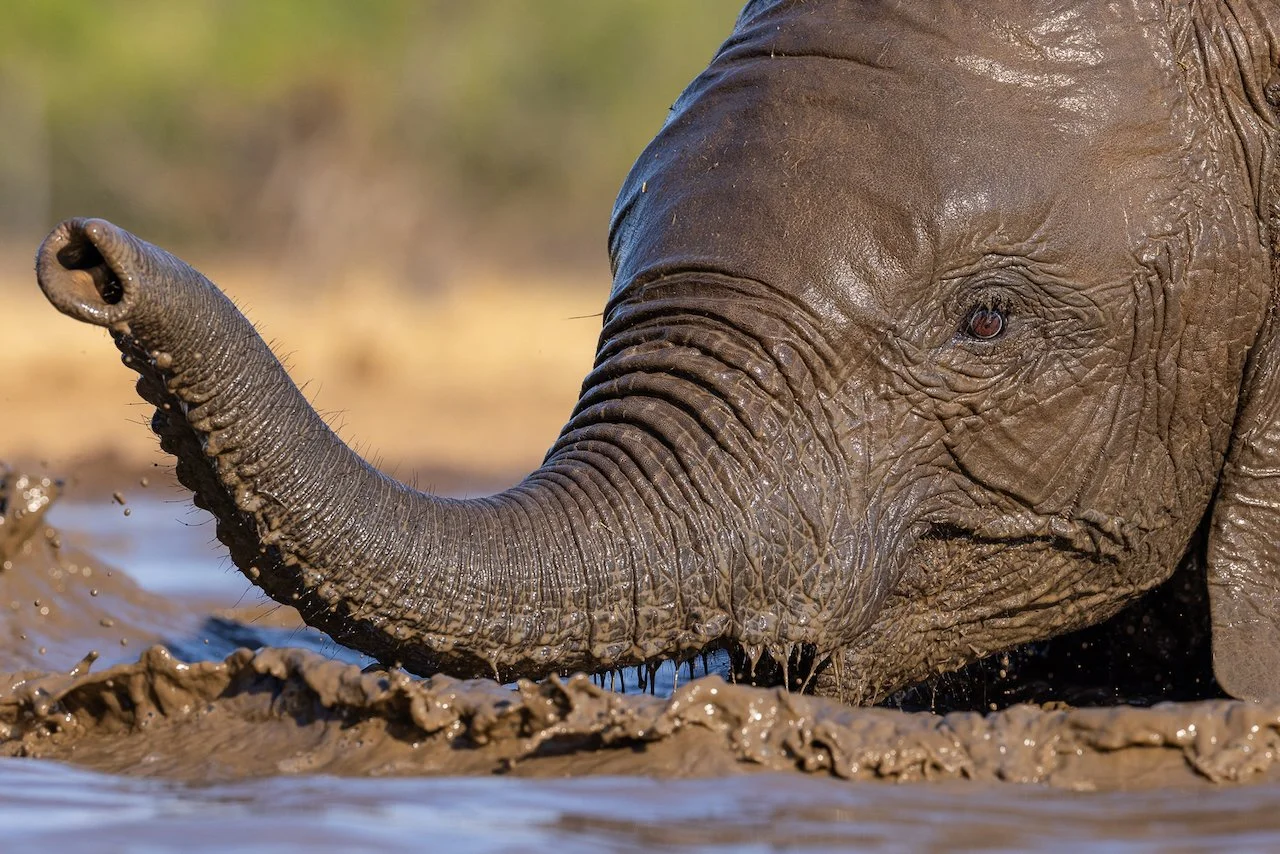
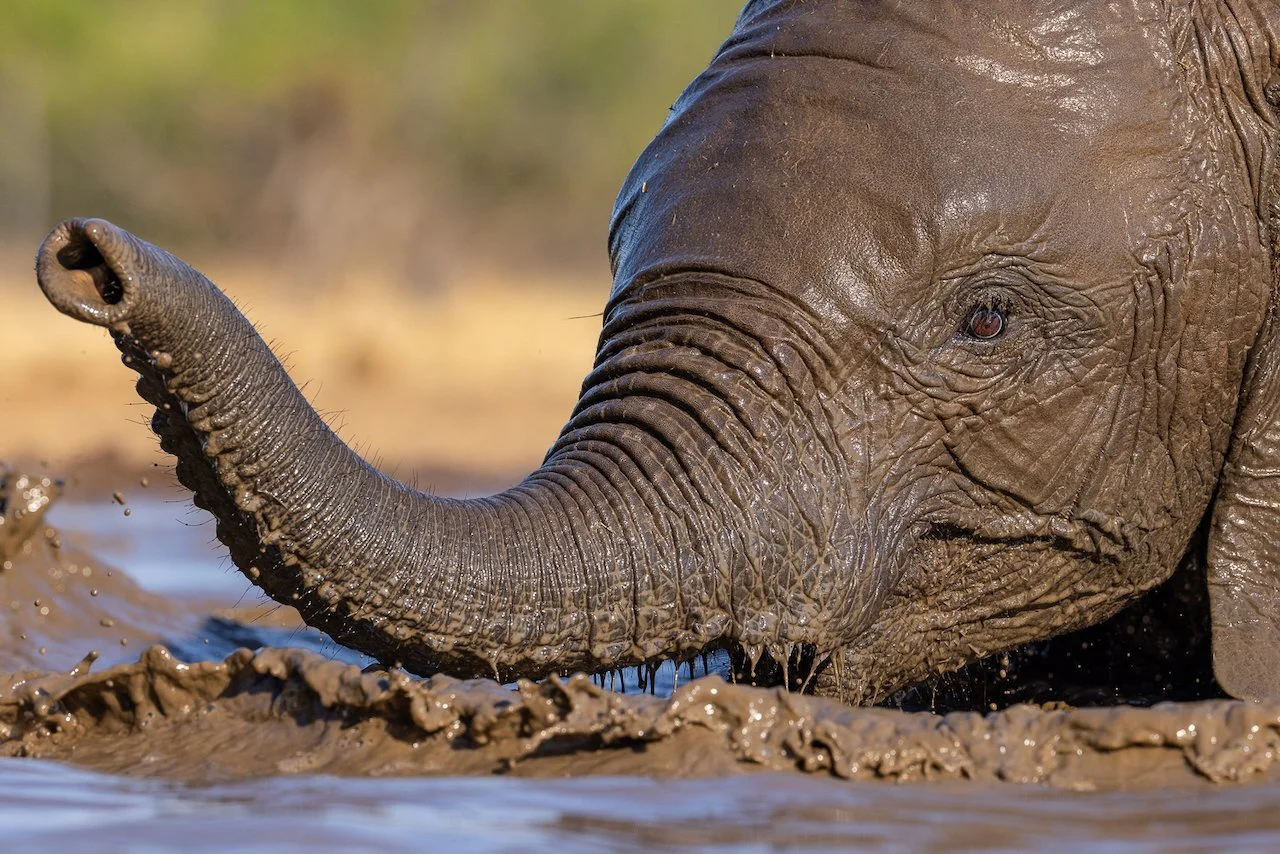
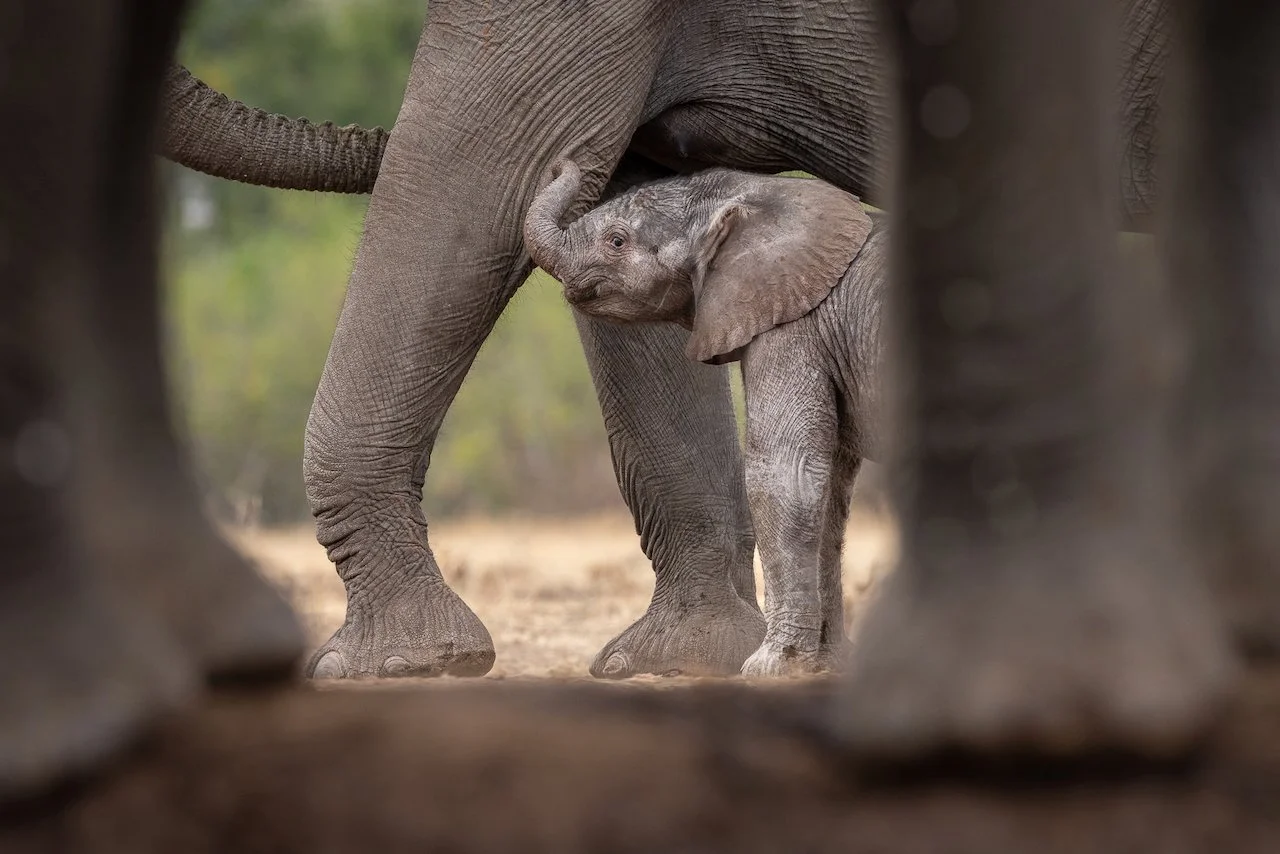
These are shipping containers sunk into the ground so that you look out at ground level. There are two hides. The first is a daytime hide where you can spend mornings or afternoons and it sits in front of a waterhole that elephants love to frequent (together with other species). The hide is well positioned for nice sunrise and sunset shots and being at ground level with water right in front and big herds of elephants all around is special (you almost certainly will get a bit of mud on you from splashing ele’s). The second hide is a sleep out hide, and while possibly less prolific than the daytime hide, affords, as its name suggests, a chance to sleep out in the hide and photograph whatever happens at that waterhole all through the night. There are fully controllable lights to allow you to be creative in your photography and motion sensors that can alert you to movement if you happen to nod off. And if you want to sleep the beds are extremely comfortable!
Read my Substack on this experience here.
-
Mashatu is privately owned land in the Tuli Block (or Northern Tuli Game Reserve to use its official title) which is a collection of privately held concessions the largest of which is Mashatu.
-
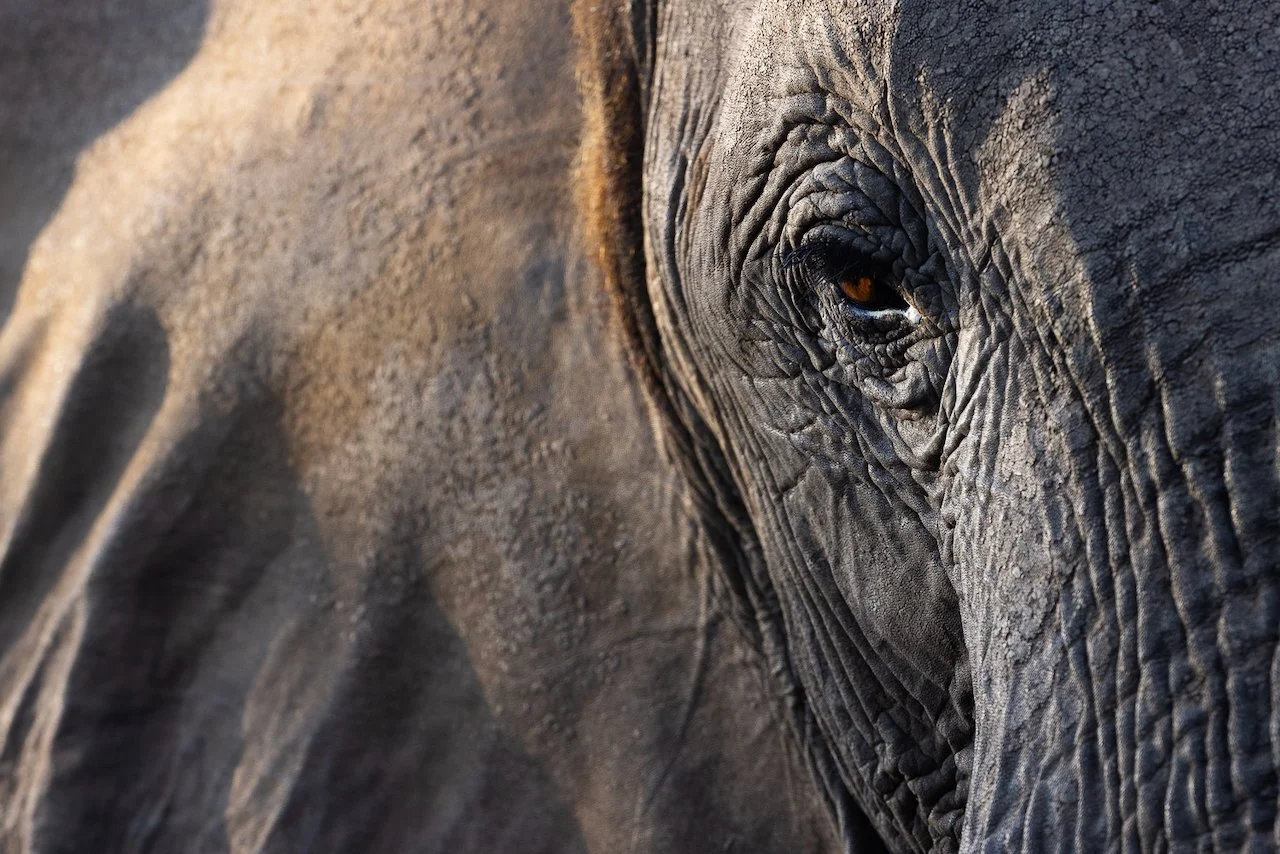
Mashatu is excellent for elephant photography and has one of the largest elephant populations on privately held land anywhere in Africa. These good volumes, the hides, and general dusty landscapes and dust allows for some very dramatic and engaging elephant photography.
-
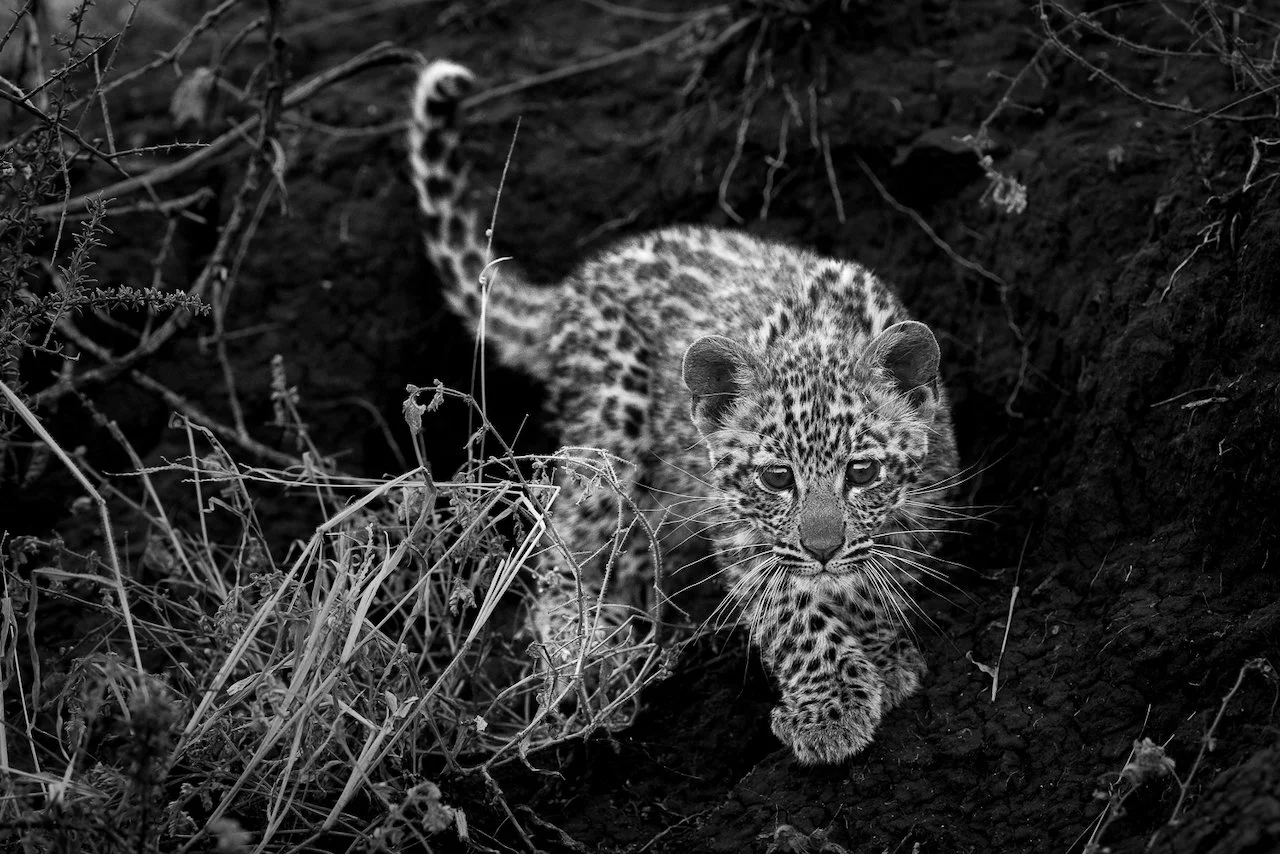
Most people know the Sabi Sands, but I would argue that Mashatu is just as good. In fact, I would go so far as to say that Mashatu might edge the Sands as a whole when it comes to photography. The landscape is much more open with dry riverbeds allowing you to get down low and photograph leopards walking along the banks or relaxing in giant Mashatu Trees. There are individual properties in the Sands that are particularly great for leopard photography and you will see plenty of leopards across the whole collective, but broadly speaking I think Mashatu is better if you look at the Sands as a whole. In parts of the Sands where the properties are shared they often enforce strict viewing times where you are limited to 15min at a sighting if it is busy (and some parts are exceptionally busy) whereas at Mashatu it is much more relaxed as it is just one property.
I did a whole Substack post on a recent trip to Mashatu here if you are interested.
-
You can combine Mashatu with other parts of Botswana or South Africa, but it isn’t an easy combination despite the geography. To get to Mashatu from South Africa involves either a 6 hour drive from Johannesburg to the border or a pretty expensive 1 hour flight from Lanseria Airport (so international tourists would need to get from OR Tambo Airport to Lanseria). Similarly, there are no commercial flights between Mashatu and Maun (for the Okavango) or Kasane (for Chobe), meaning an expensive charter flight or a longer journey back to Johannesburg in South Africa and then a commercial flight up into northern Botswana (often overnighting in Johannesburg in between).
In fact, any combination of SA and Mashatu or Botswana and Mashatu would most likely involve an extra night in Johannesburg and a lot of extra travel.
Photographing in Mashatu
-
I love having a 400mm or 500mm equivalent length for those wonderful leopard portraits, but I really do enjoy a 100-300 focal length to bring in some of the dust and light when out on drive. Dropping down into the river beds can at times lead to rapidly changing light levels so a faster lens is often preferable.
For the hides I also definitely recommend a wide angel to capture those epic shots of a whole herd of elephants looking up from water-level.
-
Yes you can. Masahtu is privately owned and operated and encourages guests to get out early before sunrise to enjoy trying to find wildlife for those first rays of orange sun. And it is a fantastic place for some night time and astro photography with giant baobabs and the Milky Way.
-
Yes off-road driving is permitted to give more flexibility in sightings.