
Makgadikgadi Salt Pans
Vast and magical, these remnants of an incredible, ancient lake, are among the largest salt pans in the world.
What to expect…
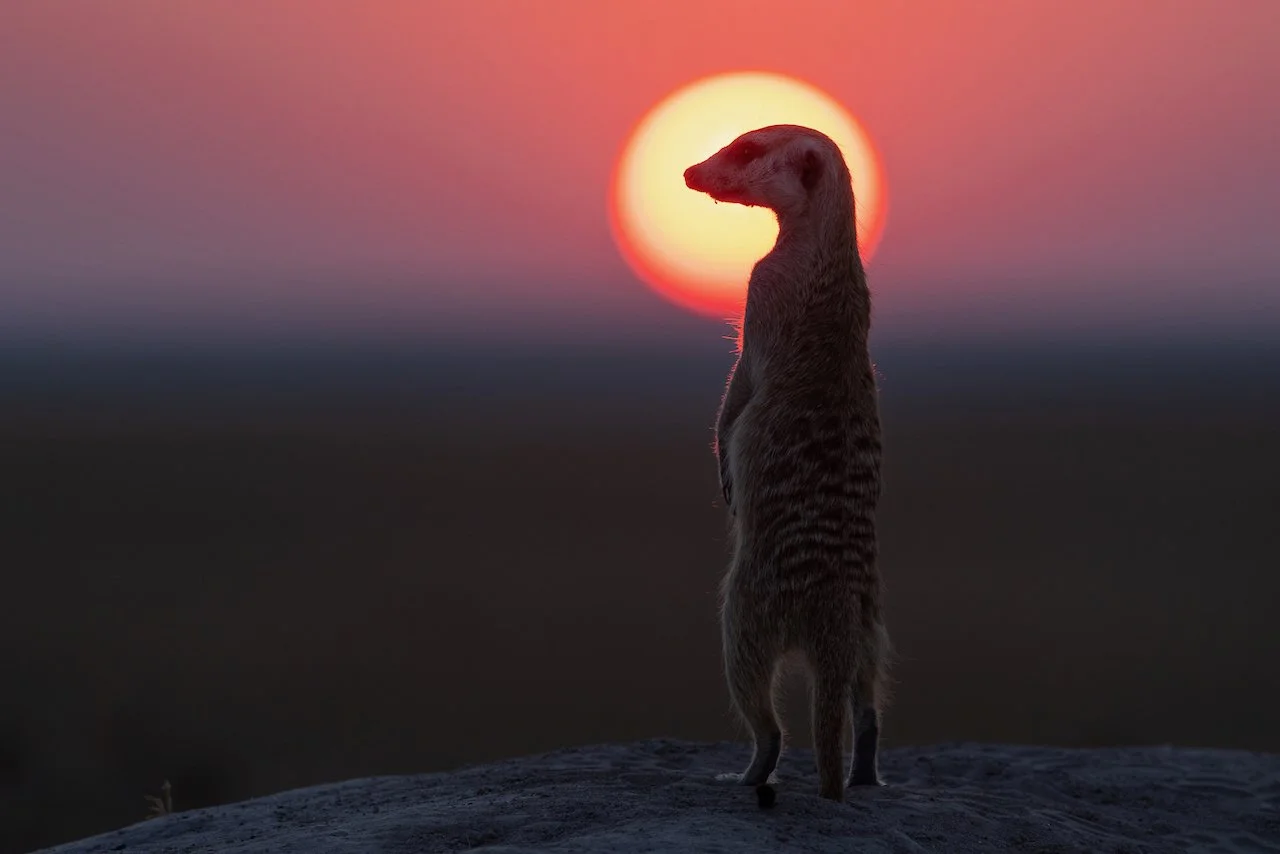
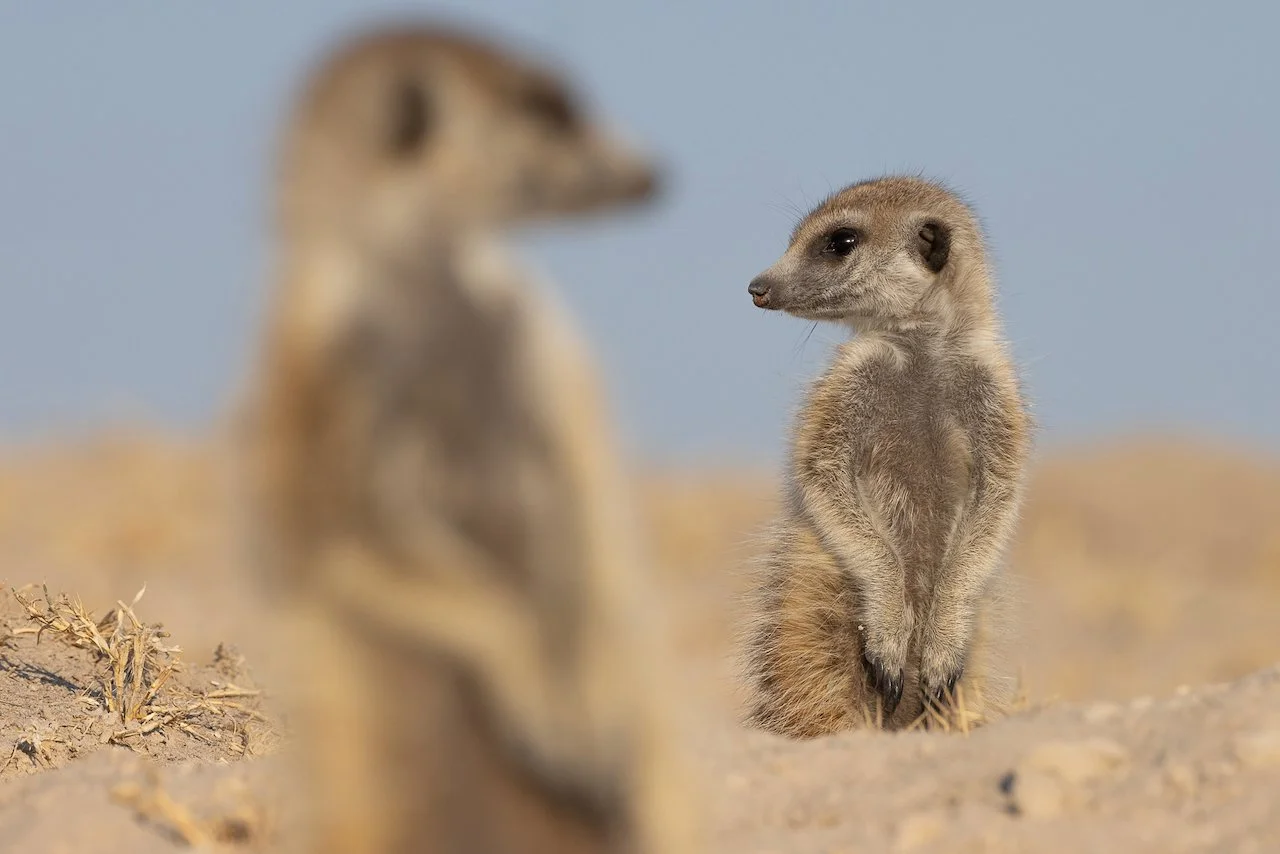
Ever seen those images of salt pans stretching as far as the eye can see? Stars overhead at night, in their billions, the Milky Way clearly visible in the sky. A meerkat, playfully climbing on the closest object of any height, even a human? This vast, seemingly empty, stretch of earth covering 16,000 square kilometres in the Kalahari, formed when the ancient Lake Makgadikgadi evaporated long before our memory began.
This is not a destination for those who crave easy, prolific wildlife viewing. It’s for those who crave the remoteness a desert can provide. Who long for the wide open spaces, the desolation of a landscape seemingly devoid of life but actually full of wonder in smaller ways. It’s a place of transformation, big skies, stars, desert dwelling critters and salty fresh air. Dust storms, endless space, small islands of life, and did I mention the stars?
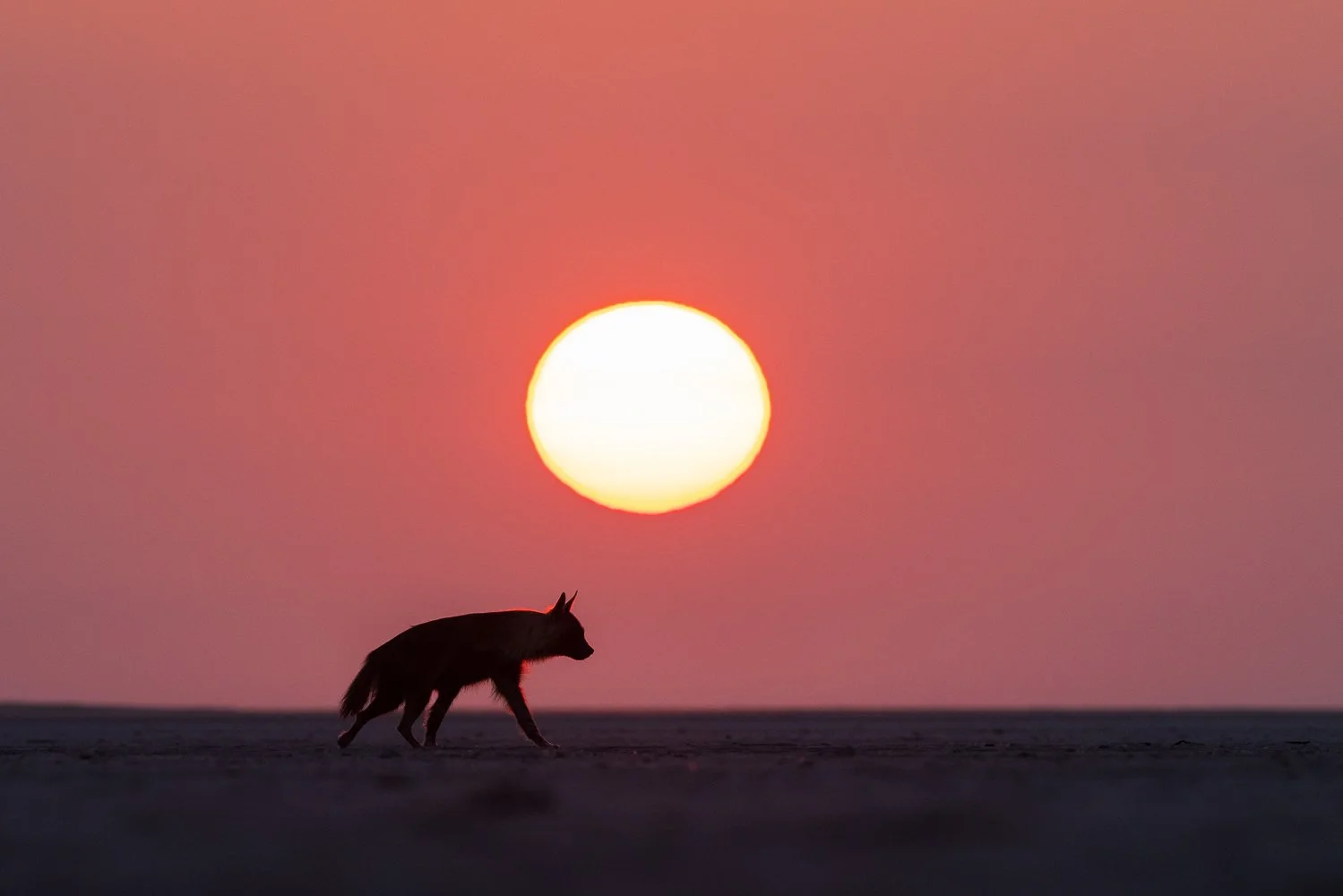
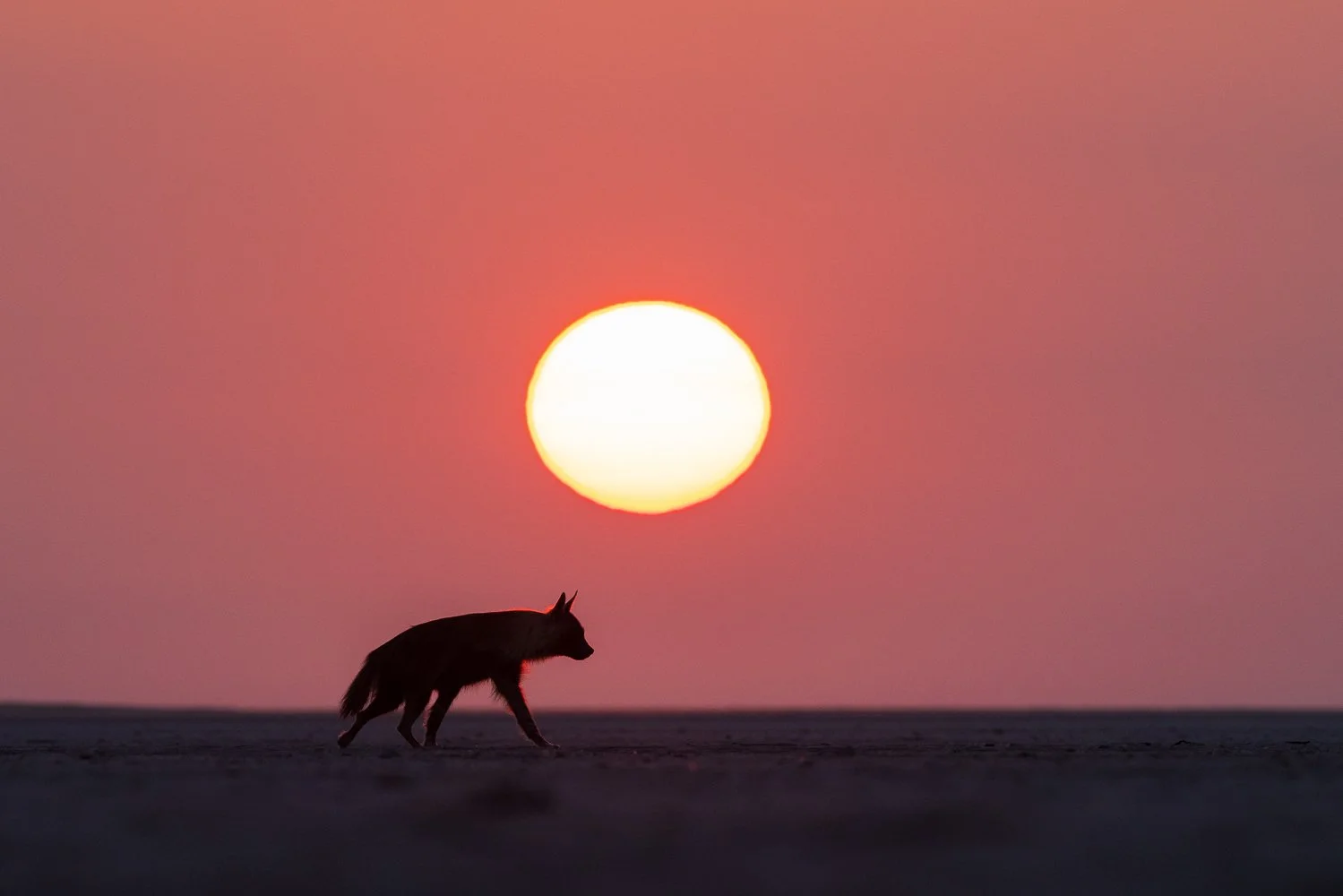
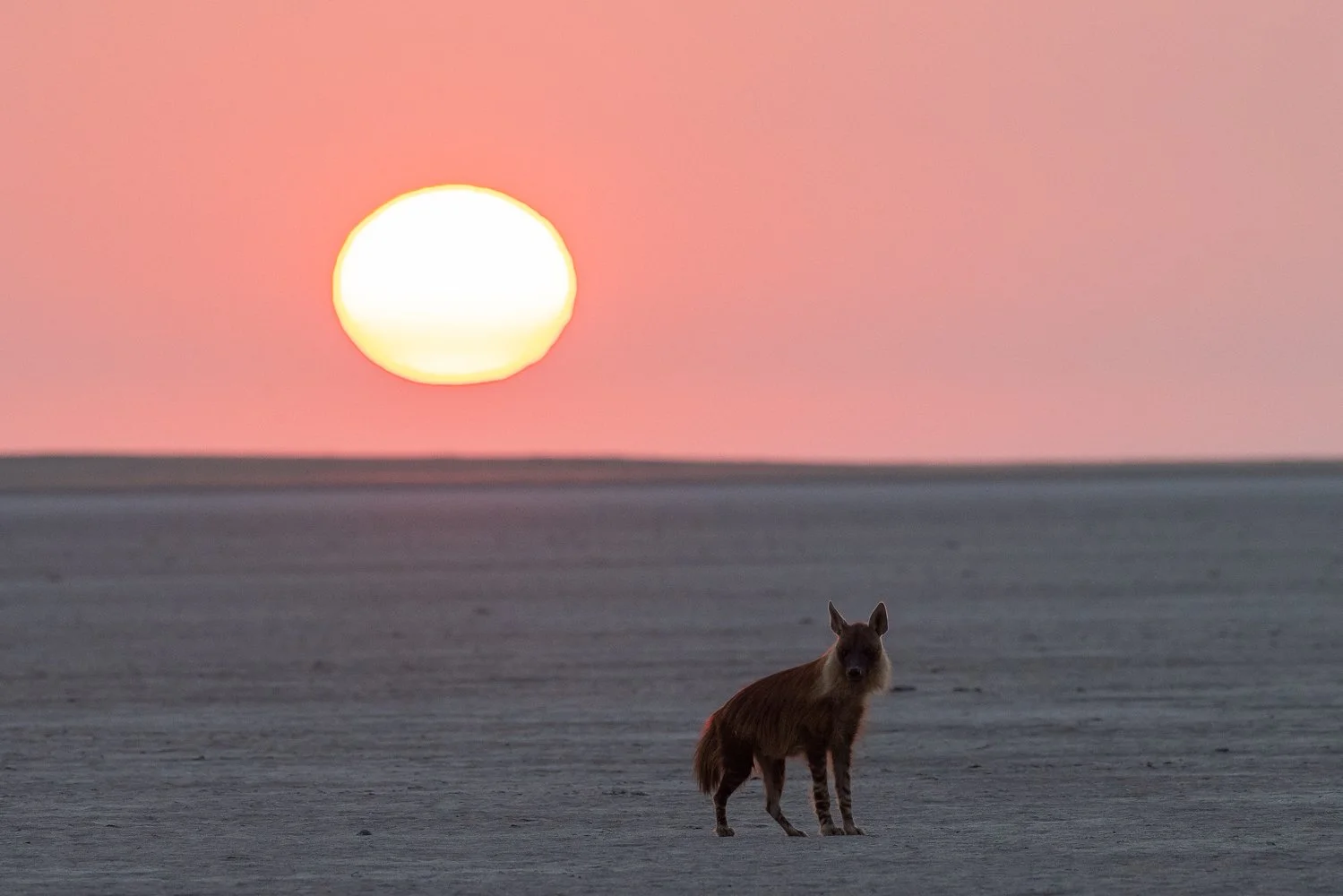
Desert-adapted brown hyena call the pans ‘home’. Very different in colour, build and behaviour to the commonly seen spotted hyena, they cover vast distances to scavenge and will feed on much smaller prey sources such as ostrich eggs.
When to Visit
December and January are peak rainy season transforming the pans into lush grasslands and shallow lakes leading to incredible flamingoes and migratory birds together with the famous zebra migration and consequent food abundance for predators. From March to April the season begins to change. The rains lessen and the zebra migration continues its movement northwards. From May and June animals congregate around the remaining water sources and the salt pans begin to return to their white expansiveness. While it is still hot during the day, it is cool early and late on making the meerkats more active at easier times. July through August is peak time here as the meerkats are active later with the cooler temperatures and as the grass dies away, a lot more visible. The pans too are in their full glory. Nighttime temperatures can be below freezing so keeping warm is a must, but there is a good chance of seeing the more interesting nocturnal animals at dusk instead and the clear skies make for fantastic astro-photography opportunities. From September the heat begins to build again and October is peak heat and dry before the rains arrive again in November signalling the start of the return of the zebras.
JAN
Mixed
FEB
Mixed
MAR
Mixed
APRIL
Mixed
MAY
Good
JUN
Good
JUL
Excellent
AUG
Excellent
SEPT
Excellent
OCT
Very Good
NOV
Very Good
DEC
Good
Your Questions, Answered
These are some of the most common questions I get asked about going on safari in the Makgadikgadi.
On safari in Makgadikgadi
-
The Makgadikgadi Salt Pans are the remnants of one of the largest inland seas ever on Earth - Lake Makgadikgadi. Where the pans today cover an estimated 16,000 square kilometres, according to NASA the original sea stretched anywhere from 80,000 to 275,000 square kilometres. At that time, it is likely that the Kavango, Candy and Zambezi Rivers emptied into this inland sea before tectonic plates shifting changing the course of rivers and tilting the landscape together with a changing environment allowed the water to drain away and evaporate leaving behind a salty residue.
This lake did not vanish immediately and rather the change occurred over roughly 90,000 years starting 100,000 years ago when tectonic activity altered the course of rivers draining into the Lake. Around 20,000 years ago, more activity allowed the lake to overflow and the volume of water ultimately calved out a path that included the Victoria Falls before the final remnants of the water eventually dried up around 10,000 years ago leaving the white, crusty salty residue behind.
-
There is almost no light pollution in the Makgadikgadi with some of the clearest skies I have ever seen so it is definitely great for astrophotography though there are few natural ground-based objects to place in the frame.
-
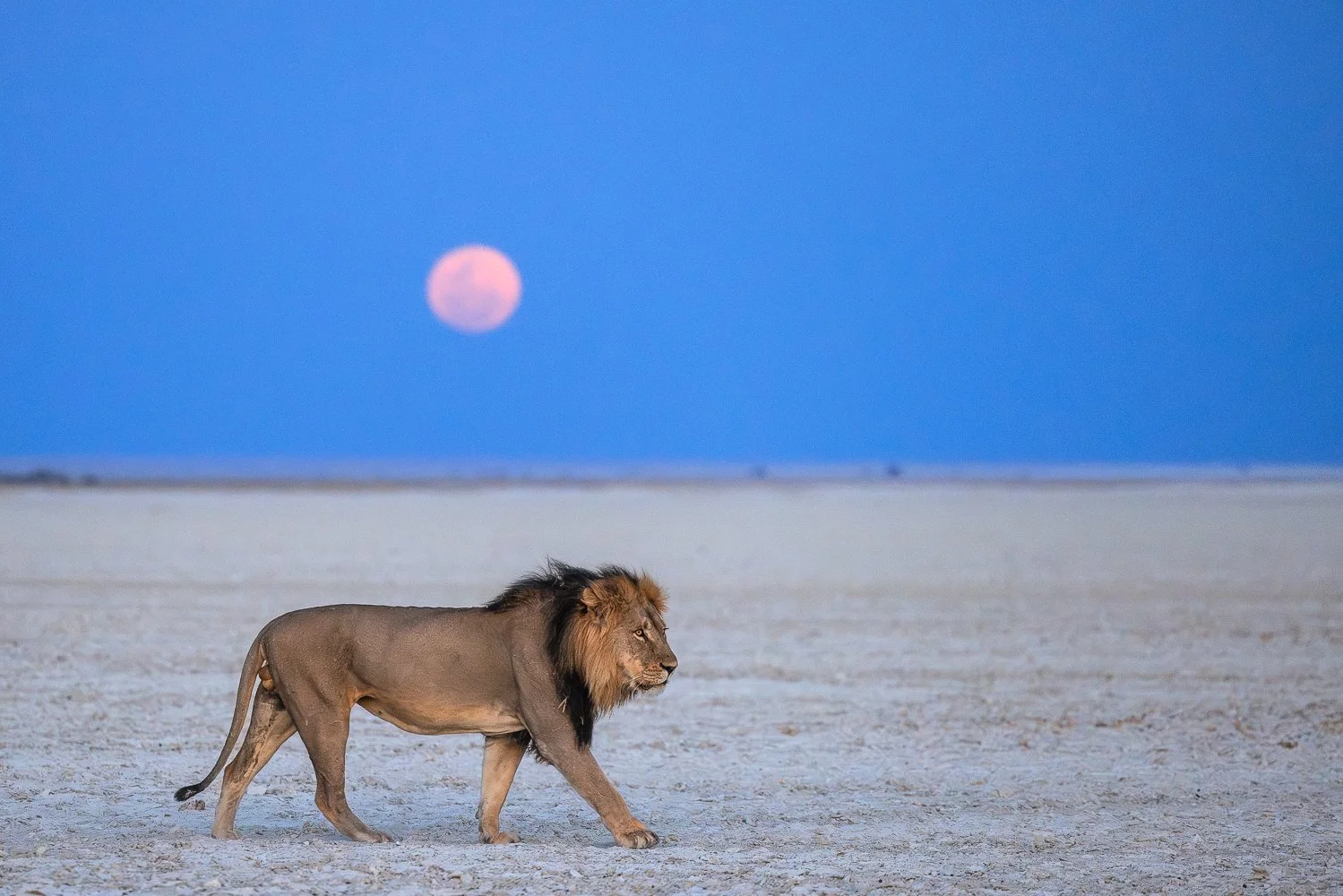
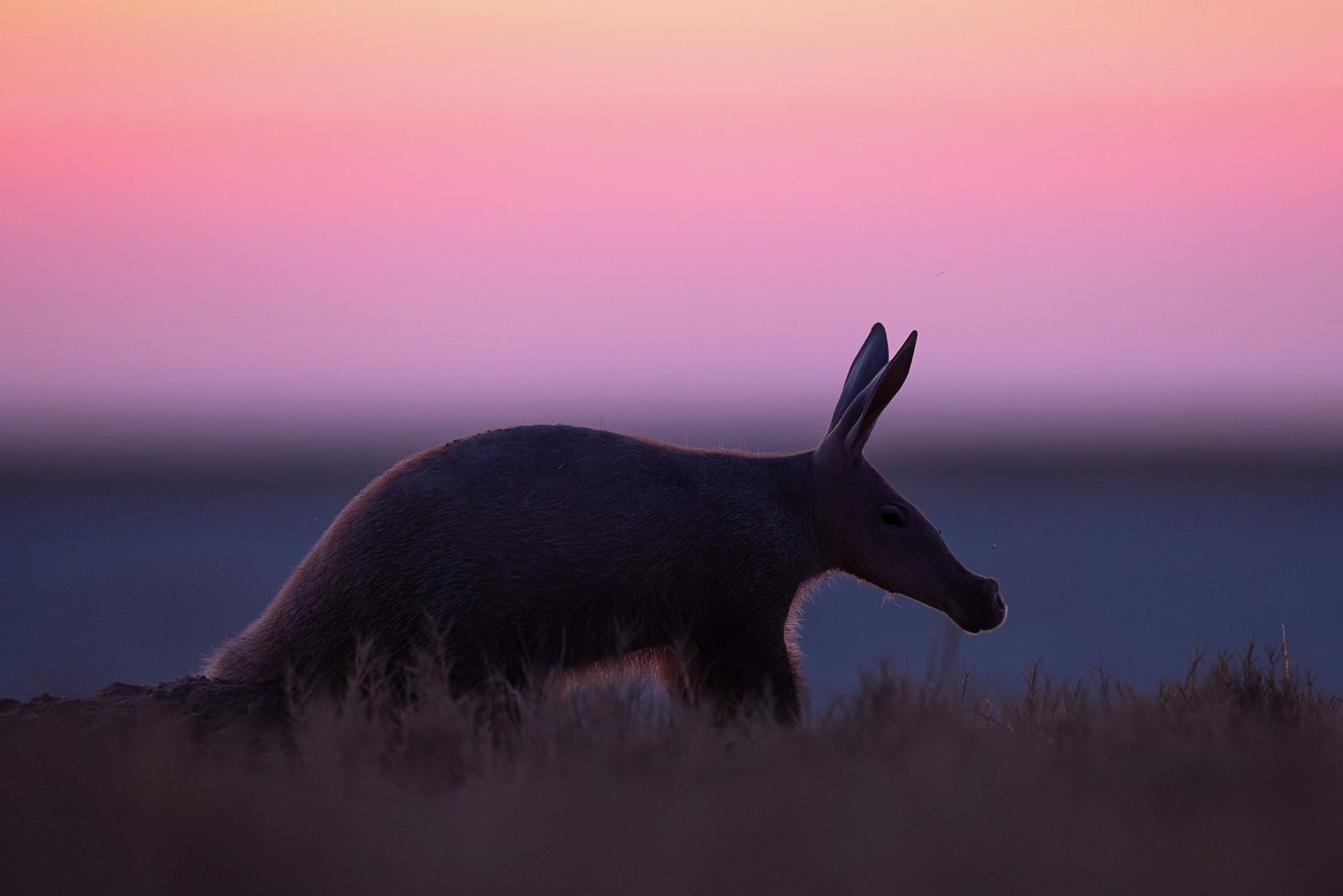
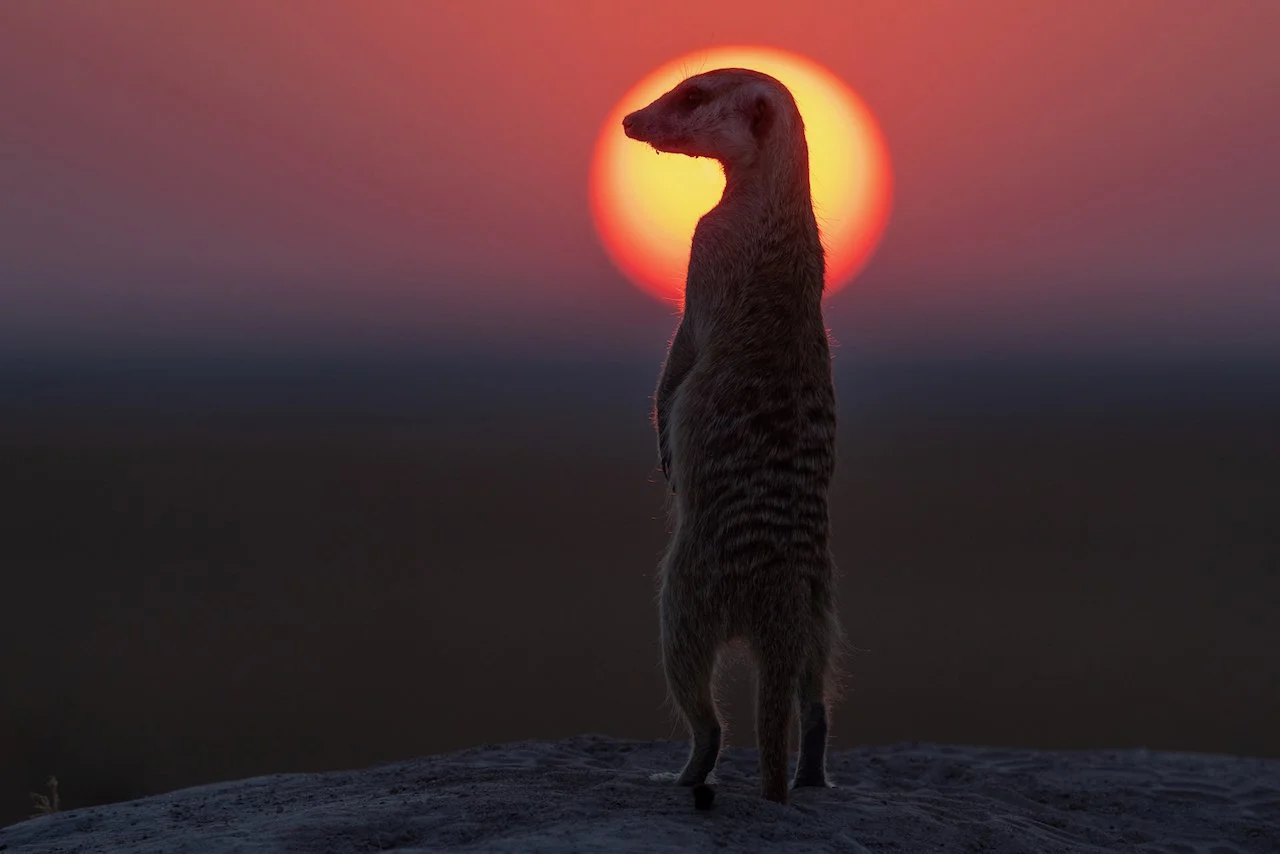
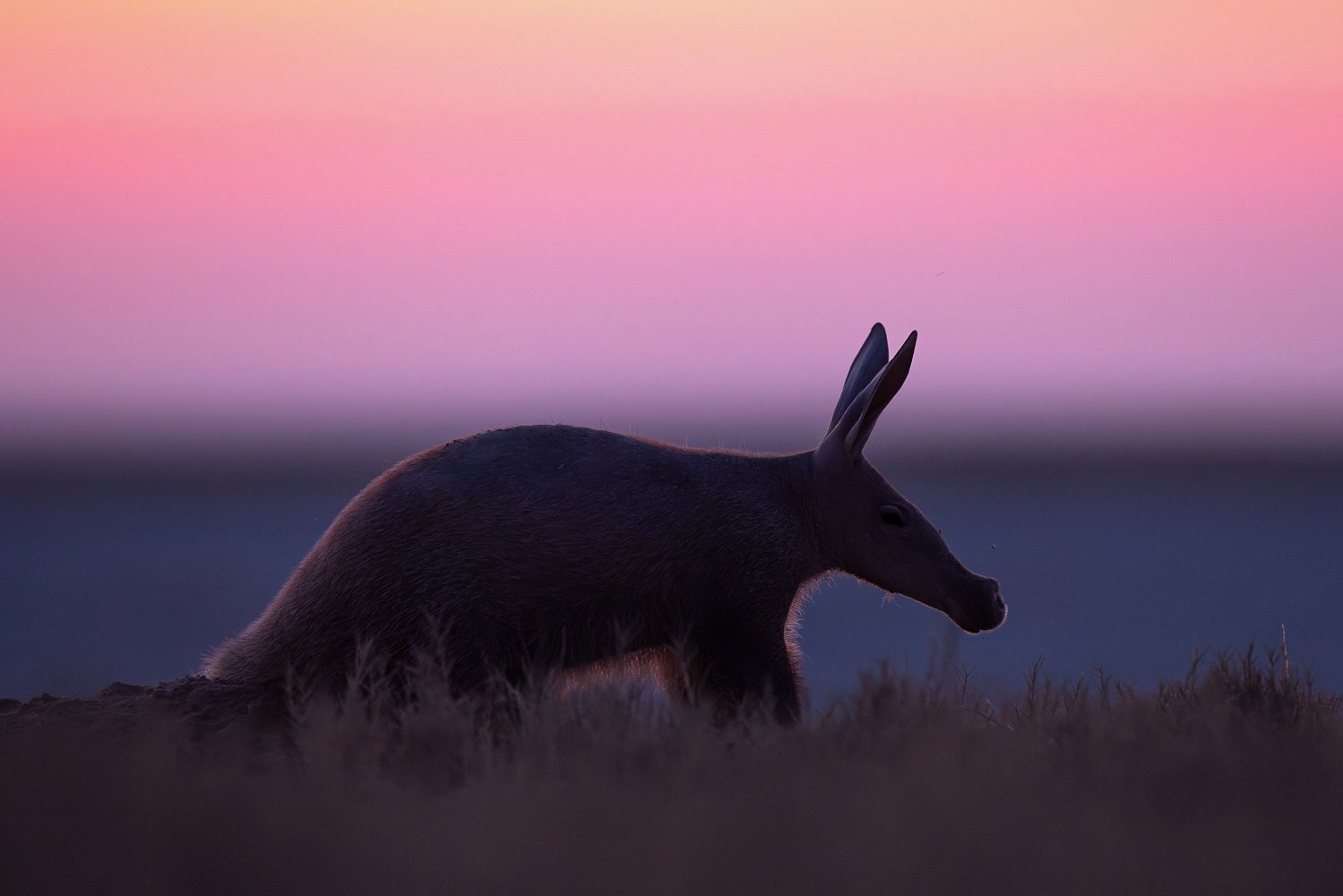
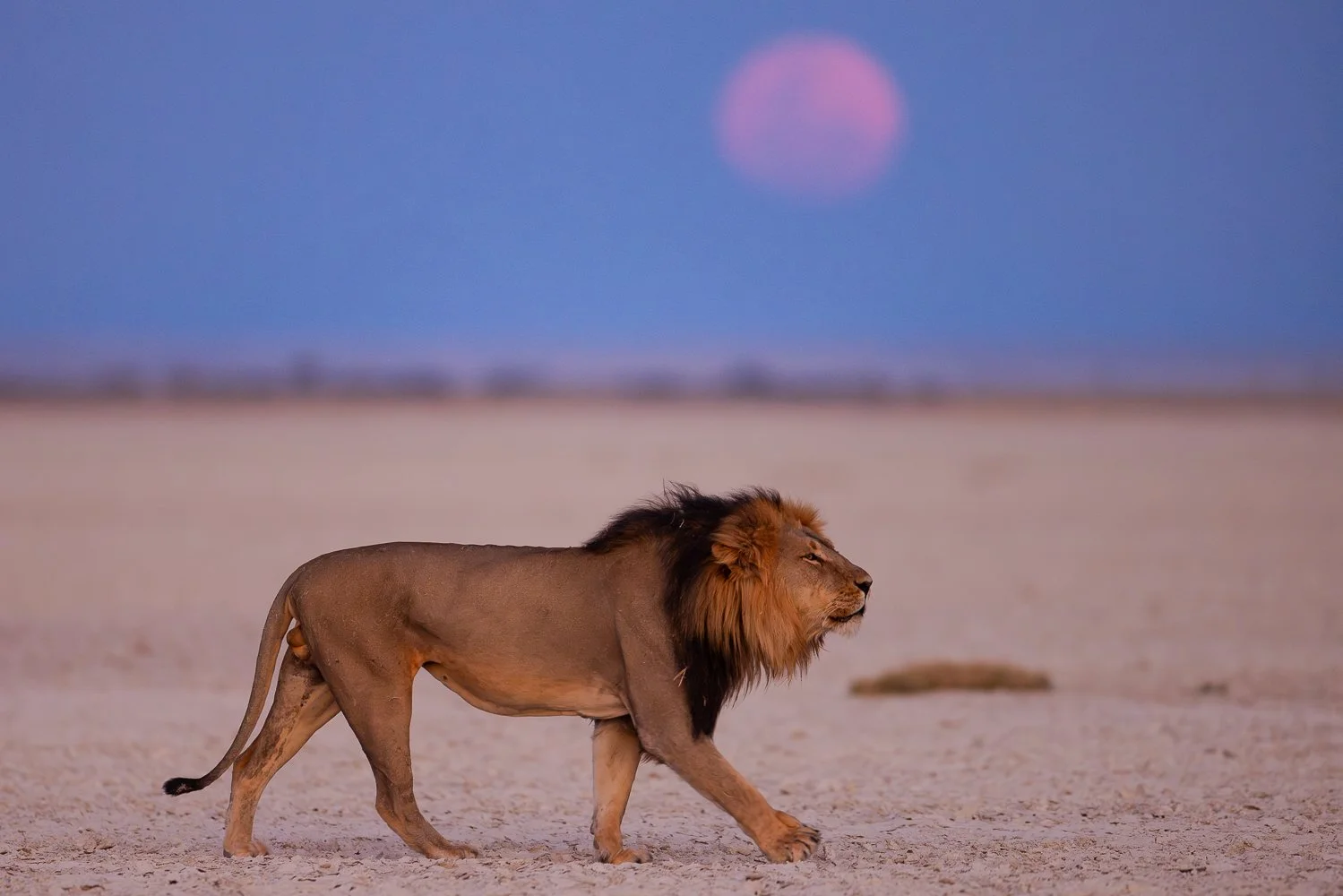
The landscape belies how much wildlife there actually is. While it make not have the density of the Okavango Delta or other areas in Africa, it does have some incredible creatures that you won’t see often elsewhere such as meerkats all year round. There are lions in the salt pans and there is something truly special seeing one crossing the white salty flats with nothing around for miles and miles. Rarer species still like aardvark and brown hyenas also make the flats their home and during the summer months of January to March the massive zebra migration enjoys the lush grass and watery pools that come from the summer rain.
-
The current pans span roughly 16,000 square kilometres and are actually a collection of pans, the largest of which is around 4,900 square kilometres. For comparison, the Salar de Uyuni in Bolivia covers only 10,580 square kilometres but is the largest single continuous pan in the world and the Rann of Kutch in India and Pakistan is covers 30,000 square kilometres.
-
It is definitely worth combining the Makgadikgadi and Okavango in one trip. The Makgadikgadi is only a 45min flight from Maun which is the gateway to the Delta and the two areas make a fantastic combination and contrast between the harsh desert life on the salt pans versus the lush oasis that is the Okavango. It also allows you to spend quality time with meerkats in Makgadikgadi and then experience the density and diversity of wildlife in the Delta.
-
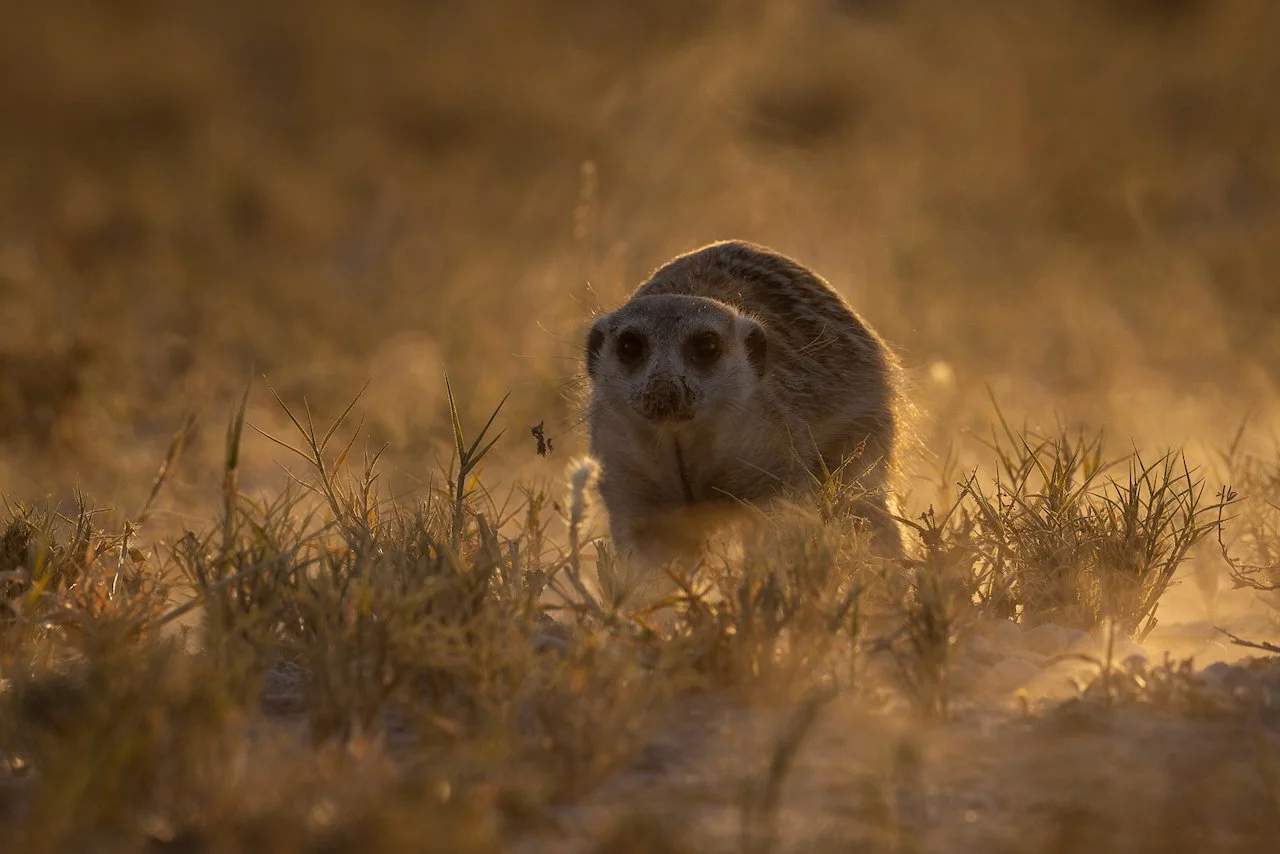
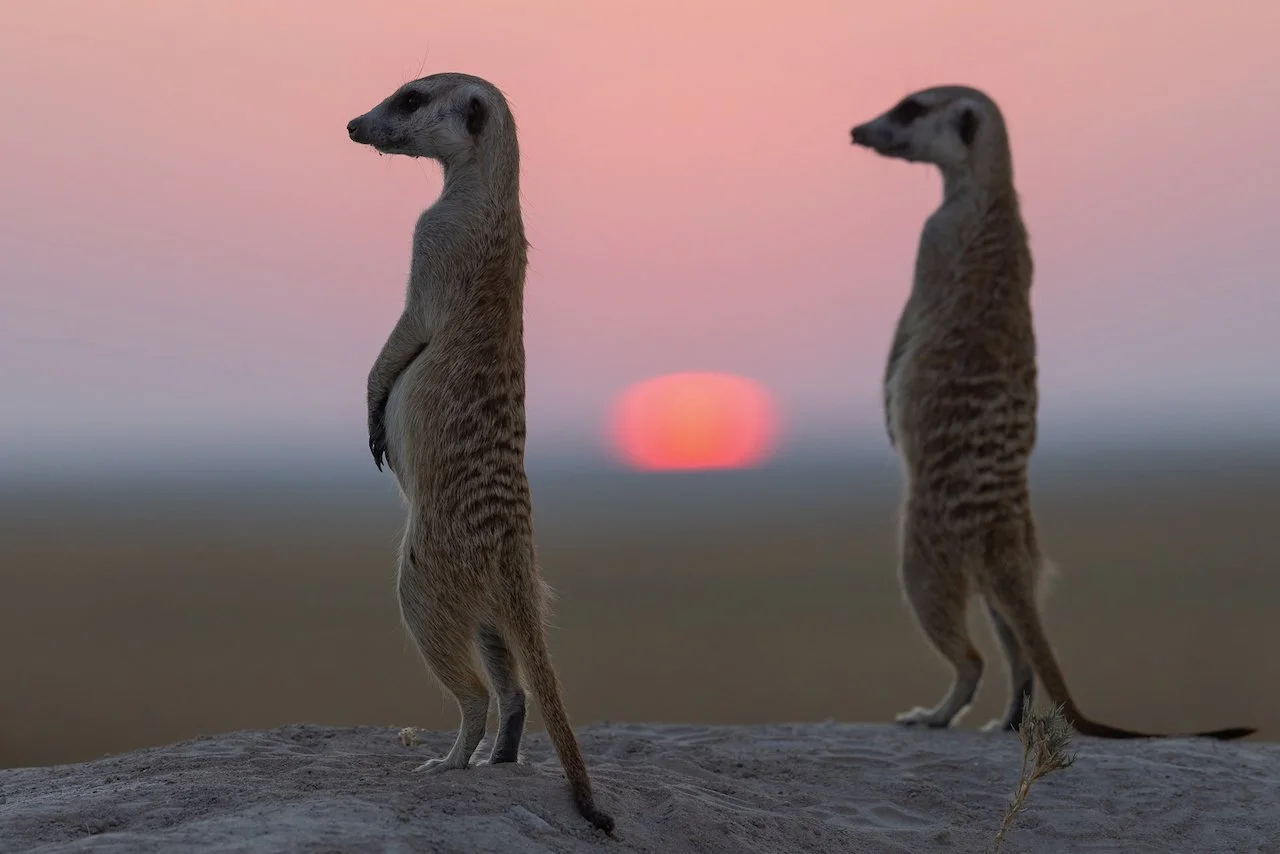
Yes you can. The meerkats are studied there and many of the groups are used to seeing humans. If you stay at the right places you can book mornings or afternoons to try and spend time with the colony while they roam out on the pans searching for food. Sometimes, if you’re still and sitting, the meerkats may even climb on you to get a better vantage point to look out across the flat landscape.
Photographing in the Makgadikgadi
-
I like using my 300 here because you often want to put the wildlife in the landscape which is so vast and empty and often has the most incredible sunsets. For the meerkats it is similar though keep your iPhone with you for those fun close up shots and just enjoy spending time with them.
-
Outside of the National Park you can, but inside you are governed by strict gate times. I would definitely recommend staying outside the national park in the private concessions because the sunrises and sunsets truly are spectacular and sometimes you can get really lucky with brown hyenas or other creatures rarer still.
-
Generally, no, as the guides do try to preserve the salt pans so tend to stick on the existing tracks.