
Chobe River
Cruise down the magnificent Chobe River in search of incredible birds, bathing elephants and grunting hippos. And who knows what else lurks along its banks. Photographing from the river is a very different and thoroughly enjoyable experience.
What to expect…
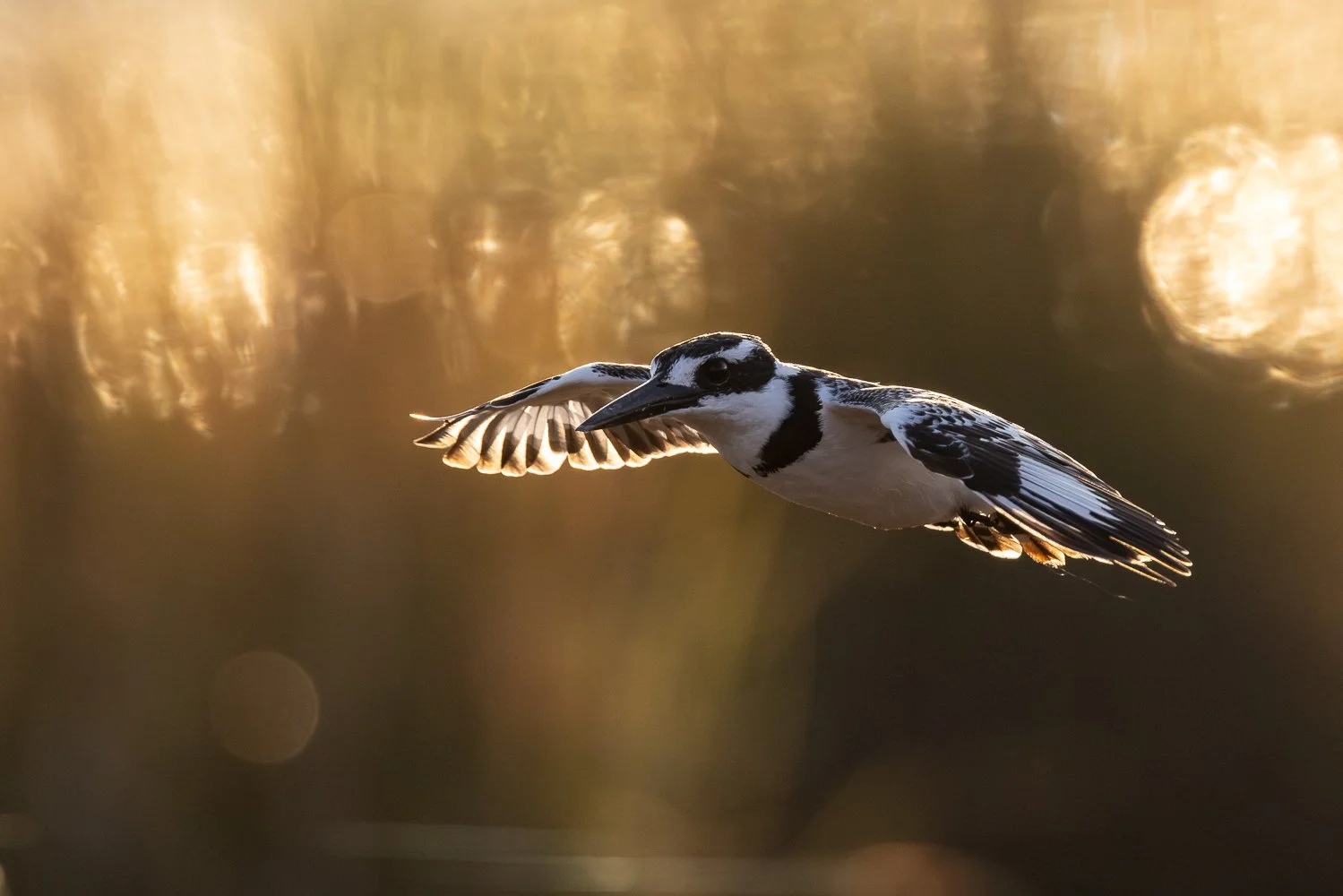
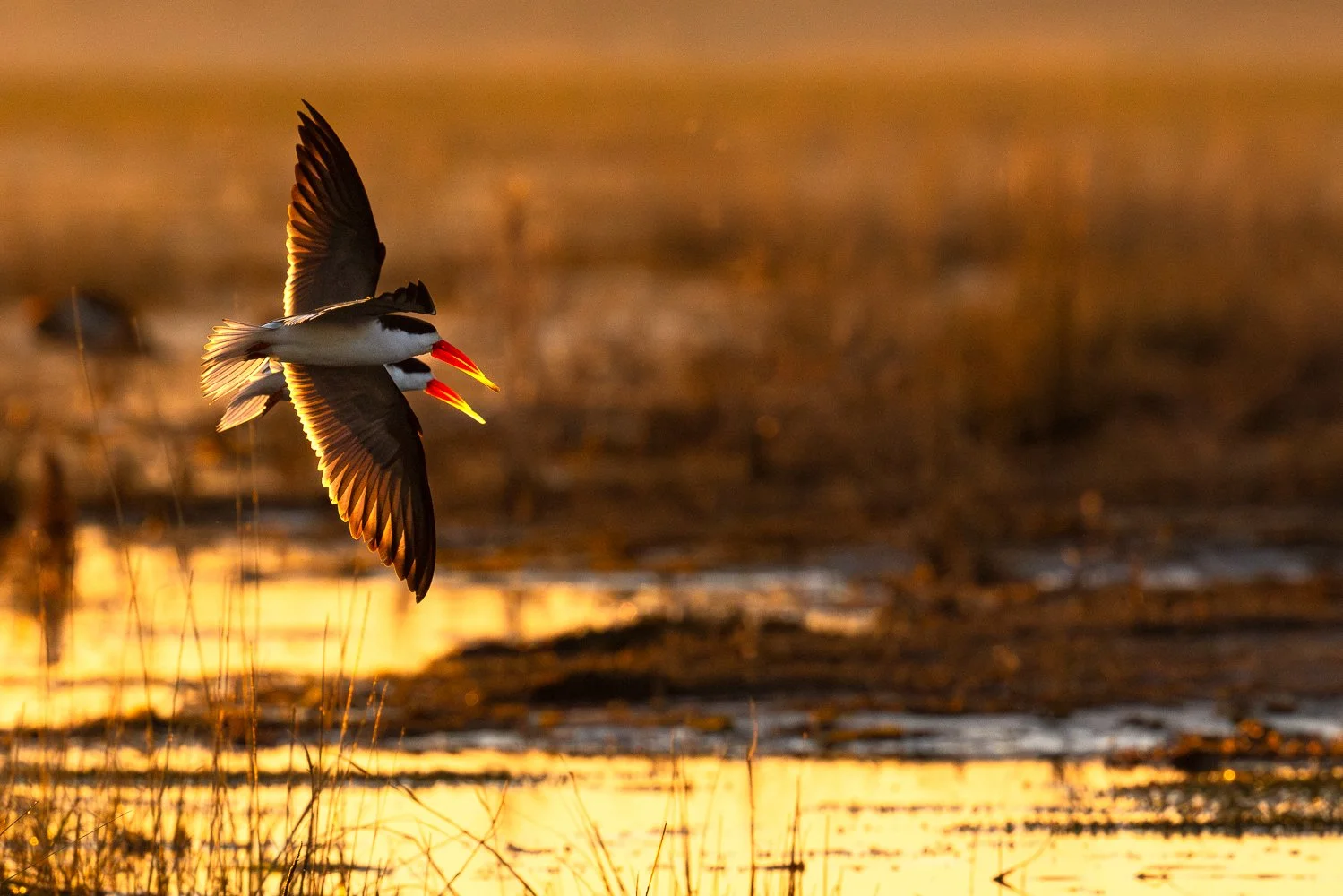
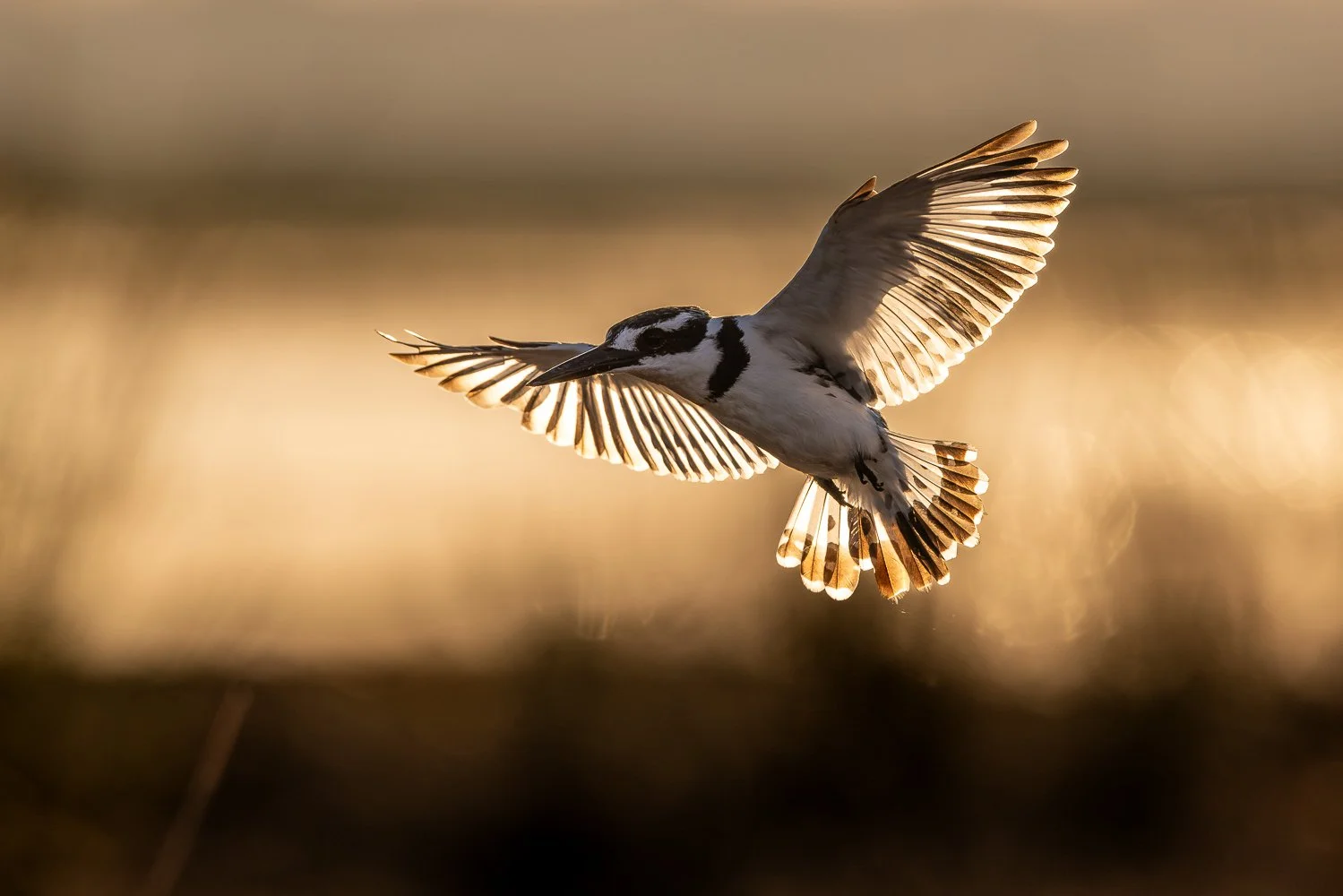
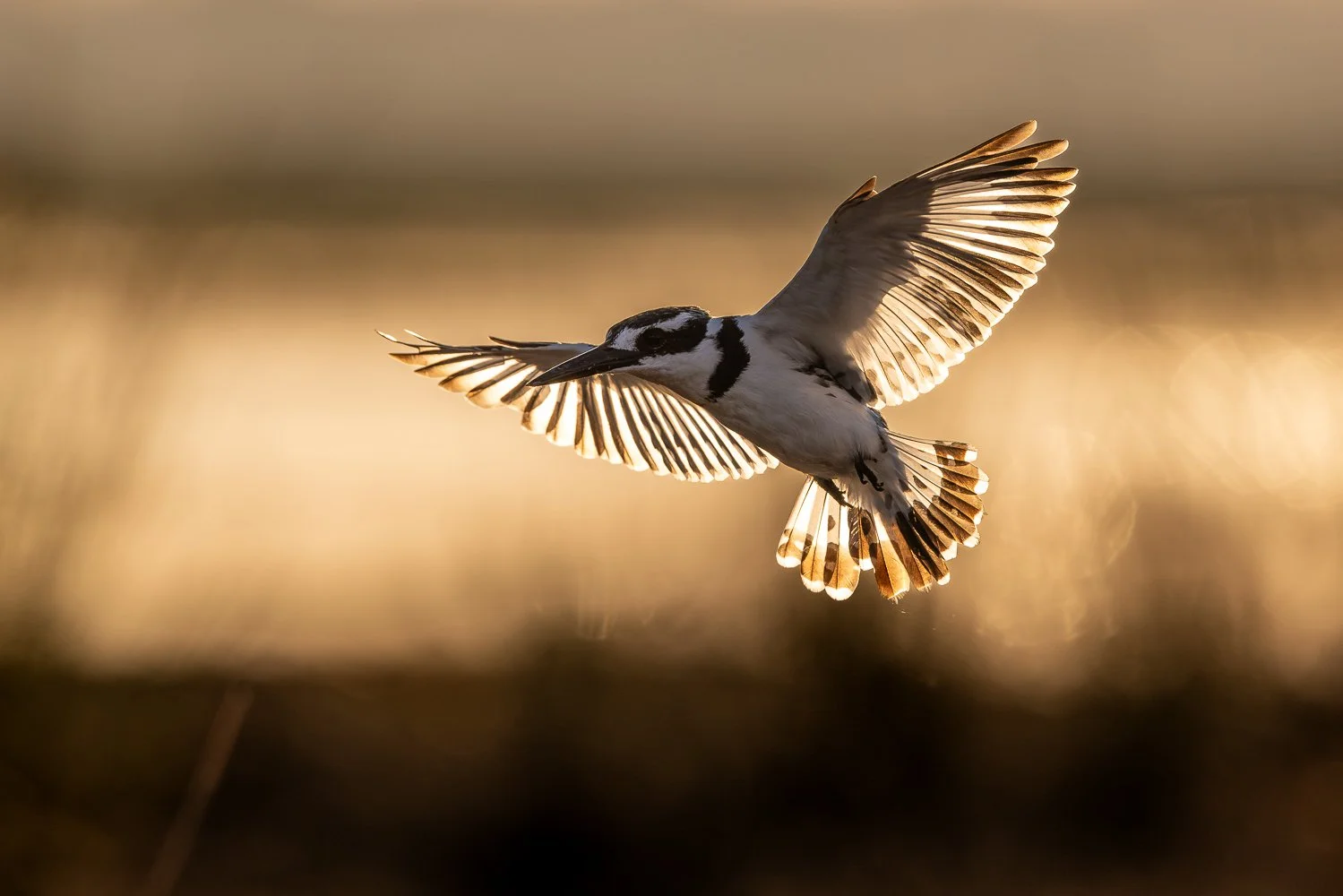
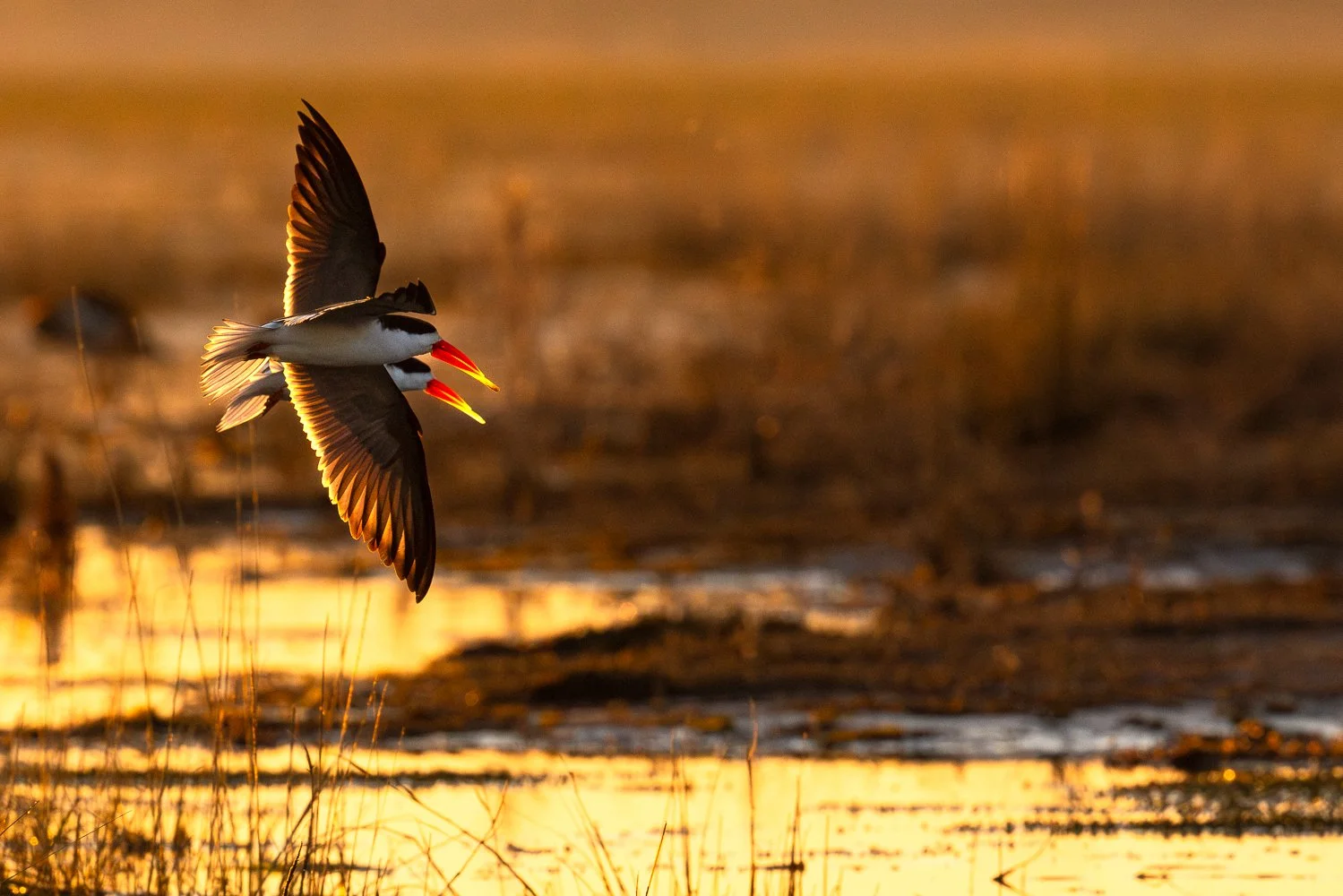
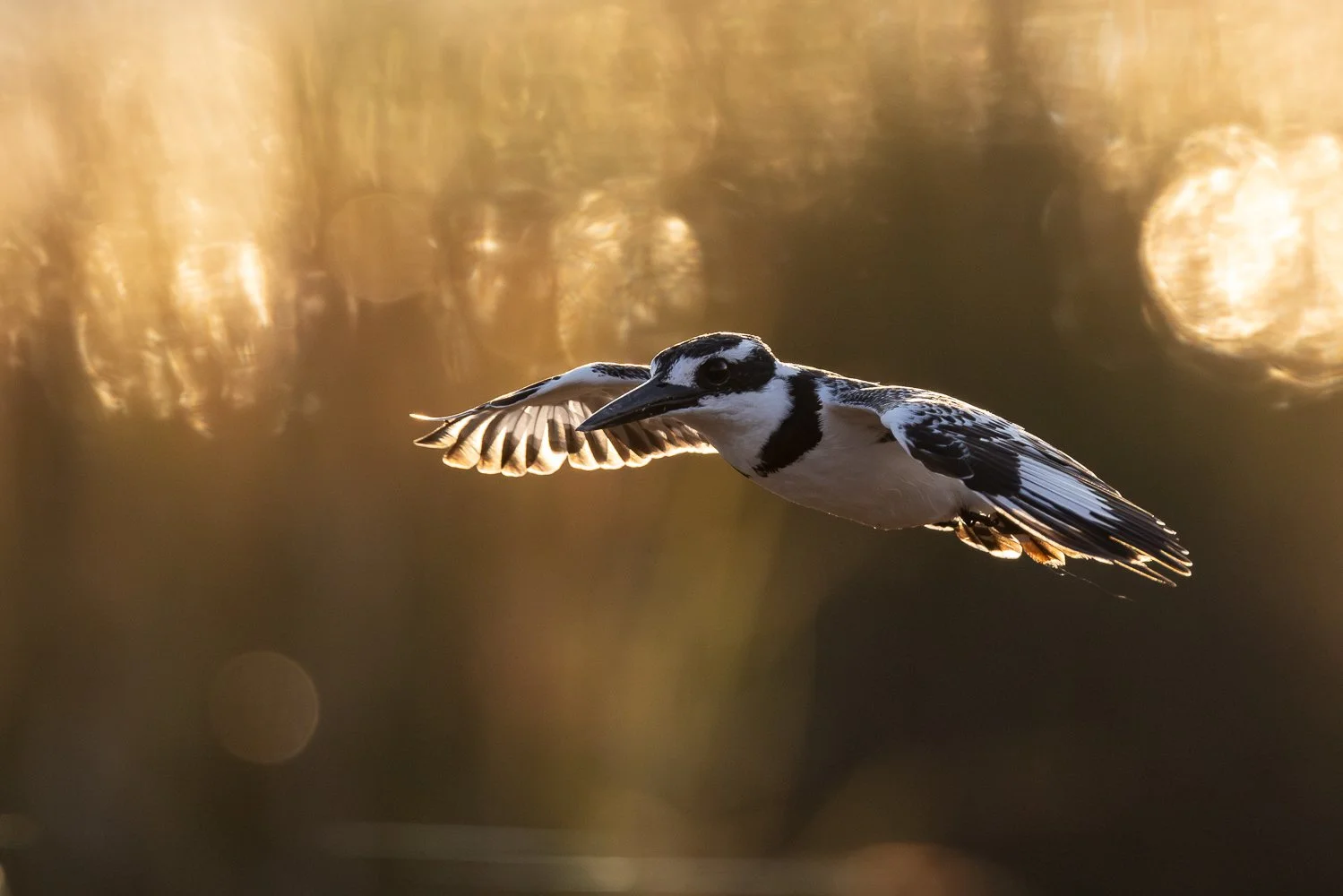
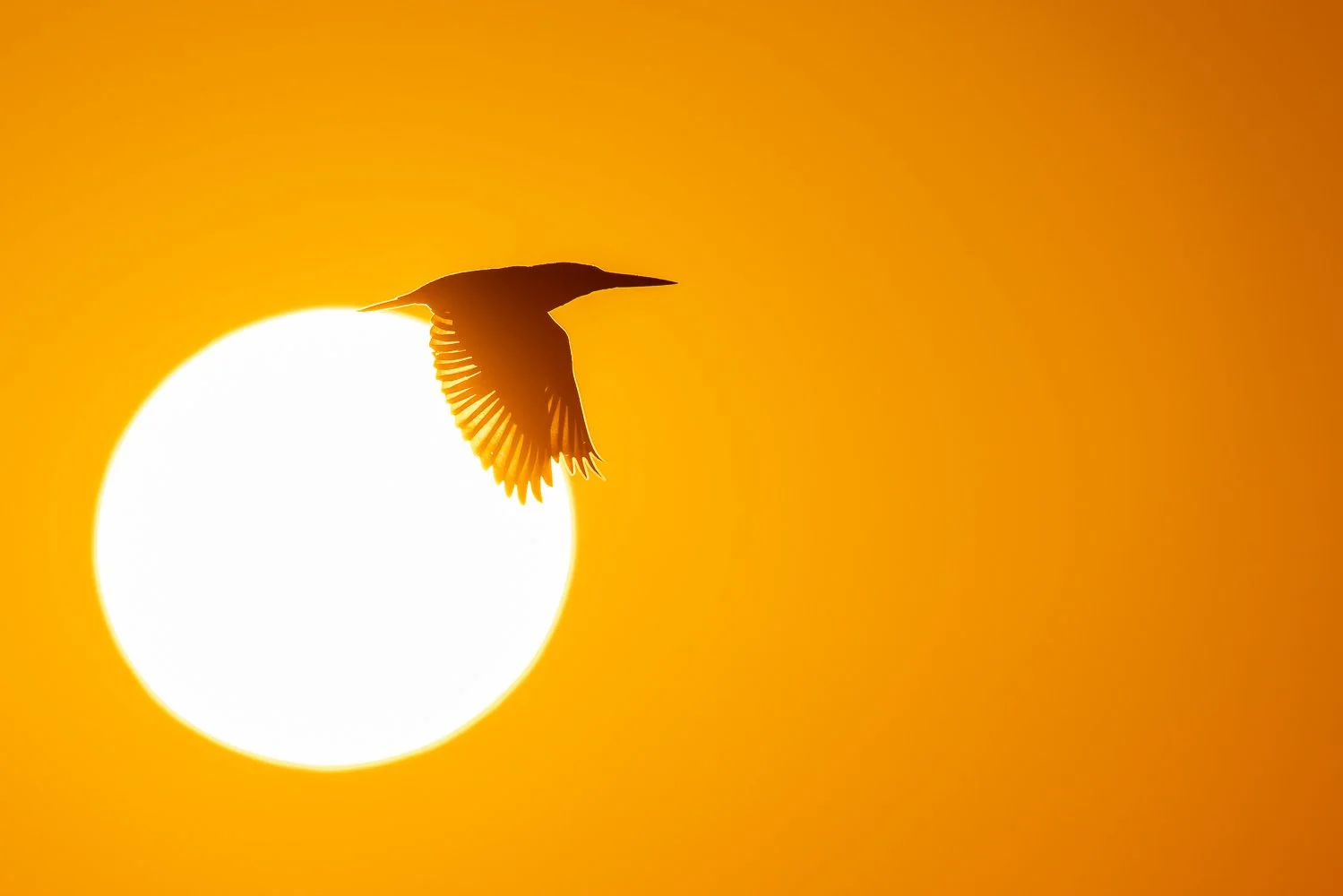
Spending time along the Chobe river is a must for all elephant, hippo and bird lovers. It’s an absolute paradise for these - the number of kingfishers you can photograph as they sparkle and dazzle in the reeds, diving into the water to catch fish and chasing one another around is special. Malachite kingfishers, often very difficult to get close to in other reserves are relatively relaxed here. During winter, skimmers come to nest along exposed banks, and can be photographed ‘skimming’ along the water at dusk. White-fronted bee-eaters nest in the banks in raucous colonies full of activity.
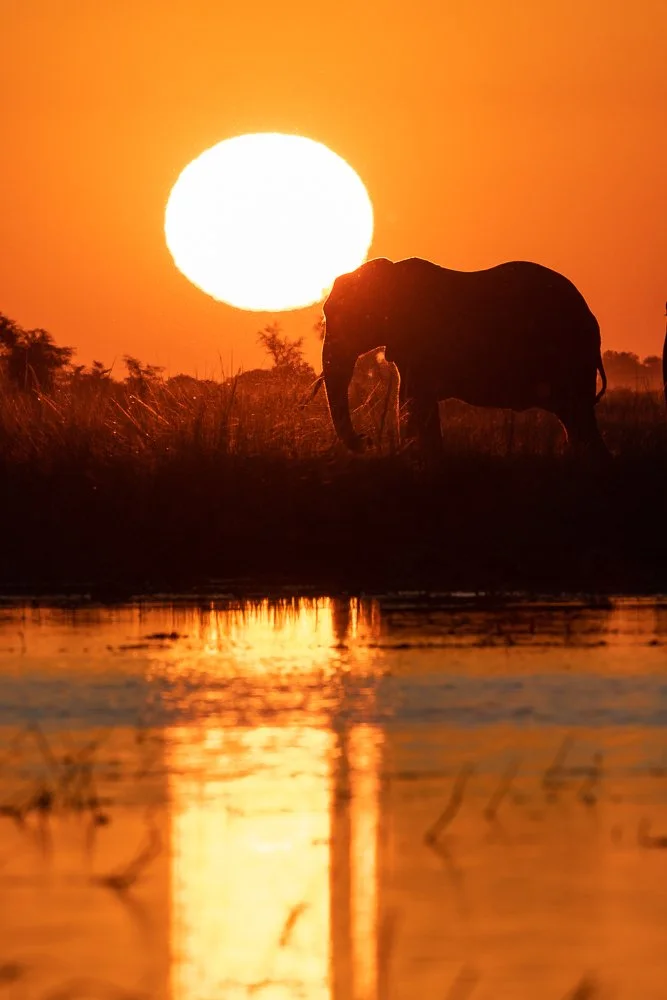
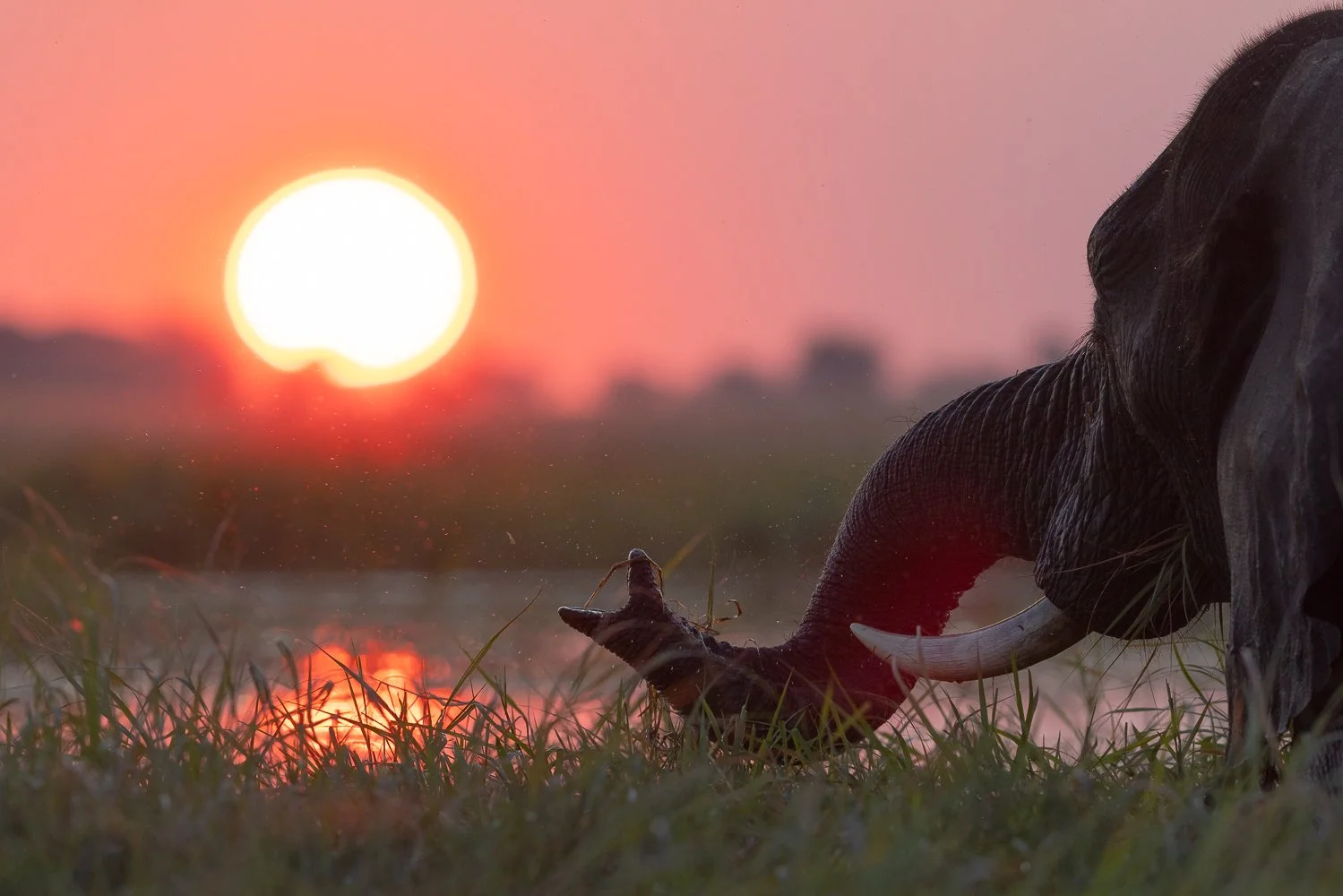
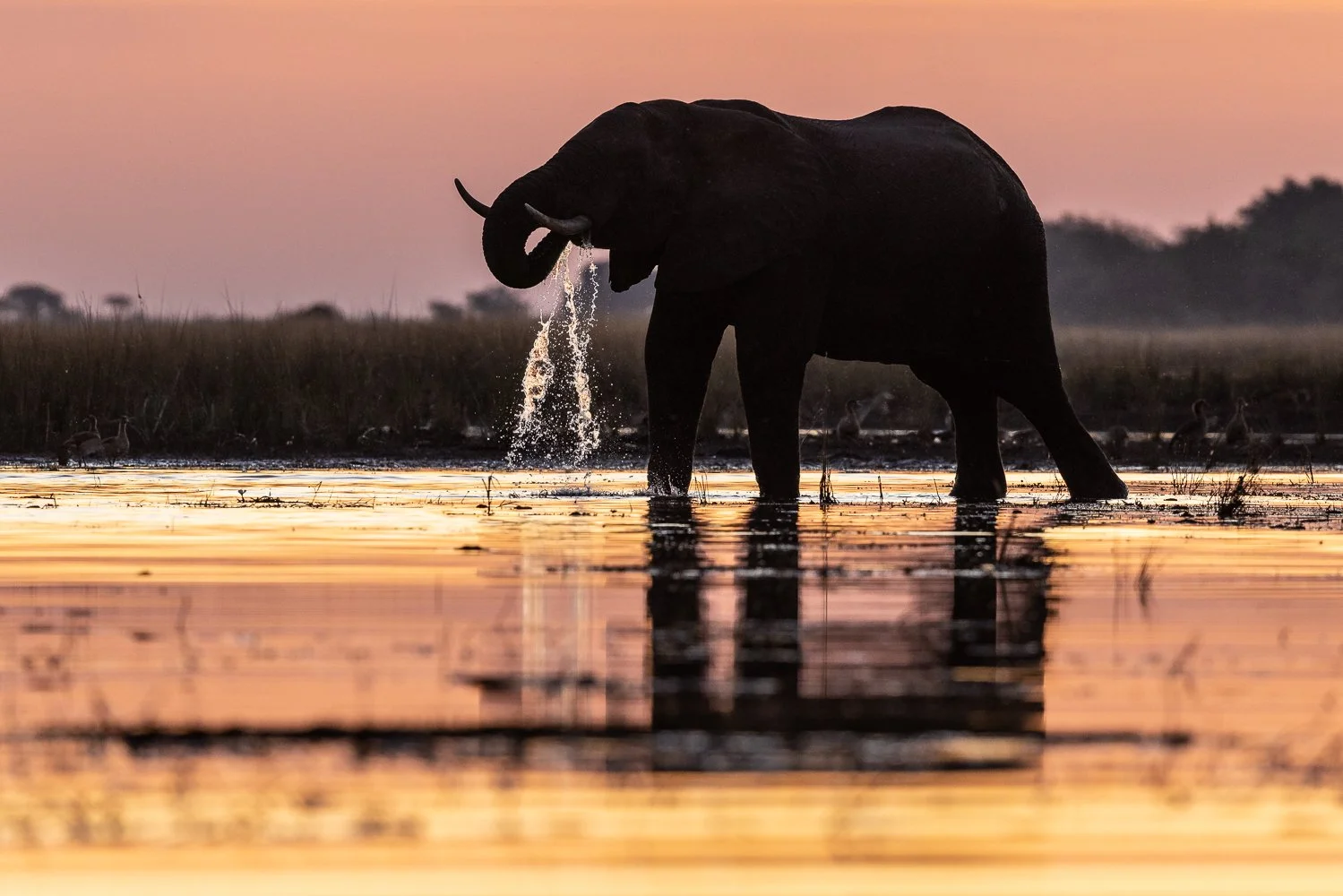
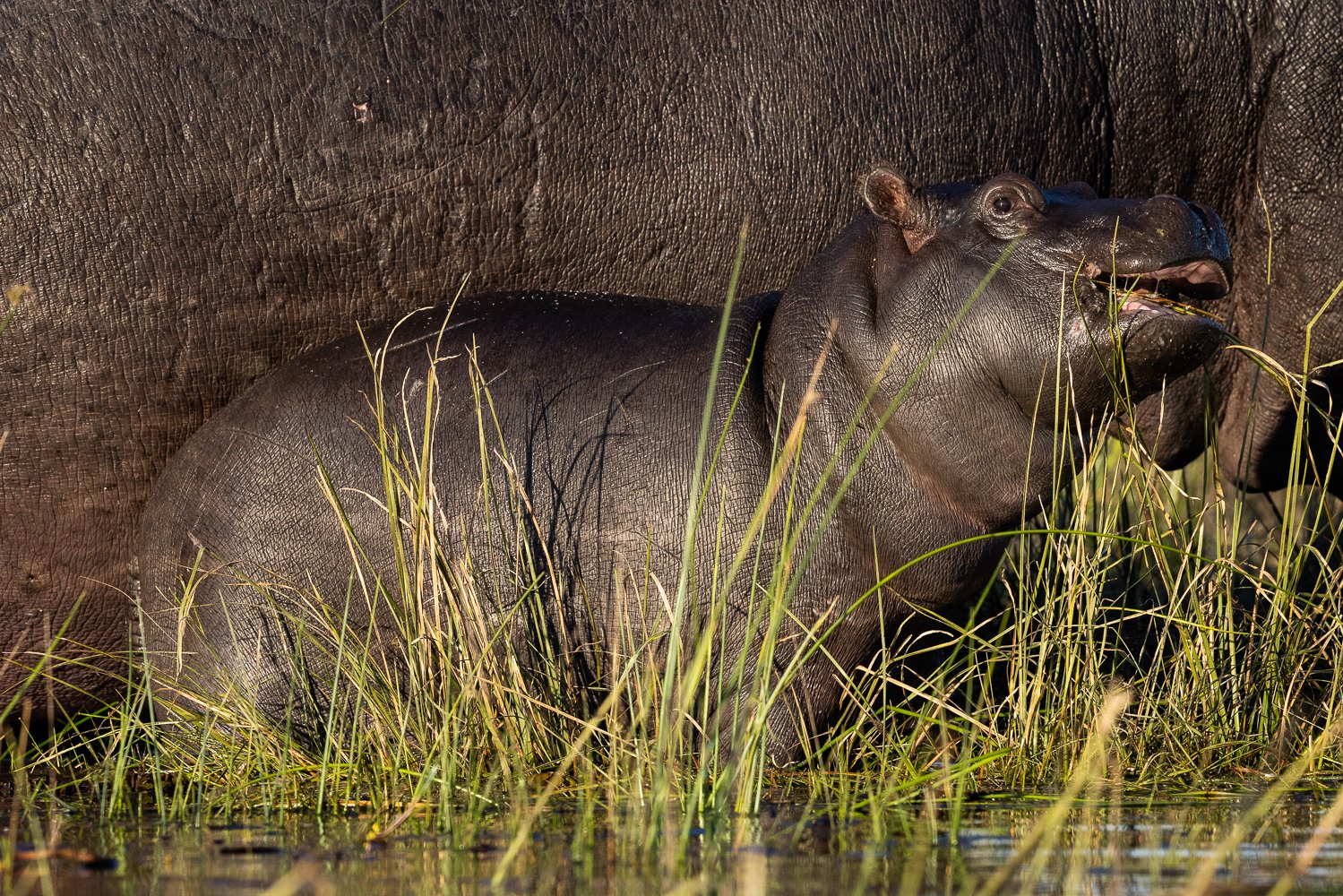
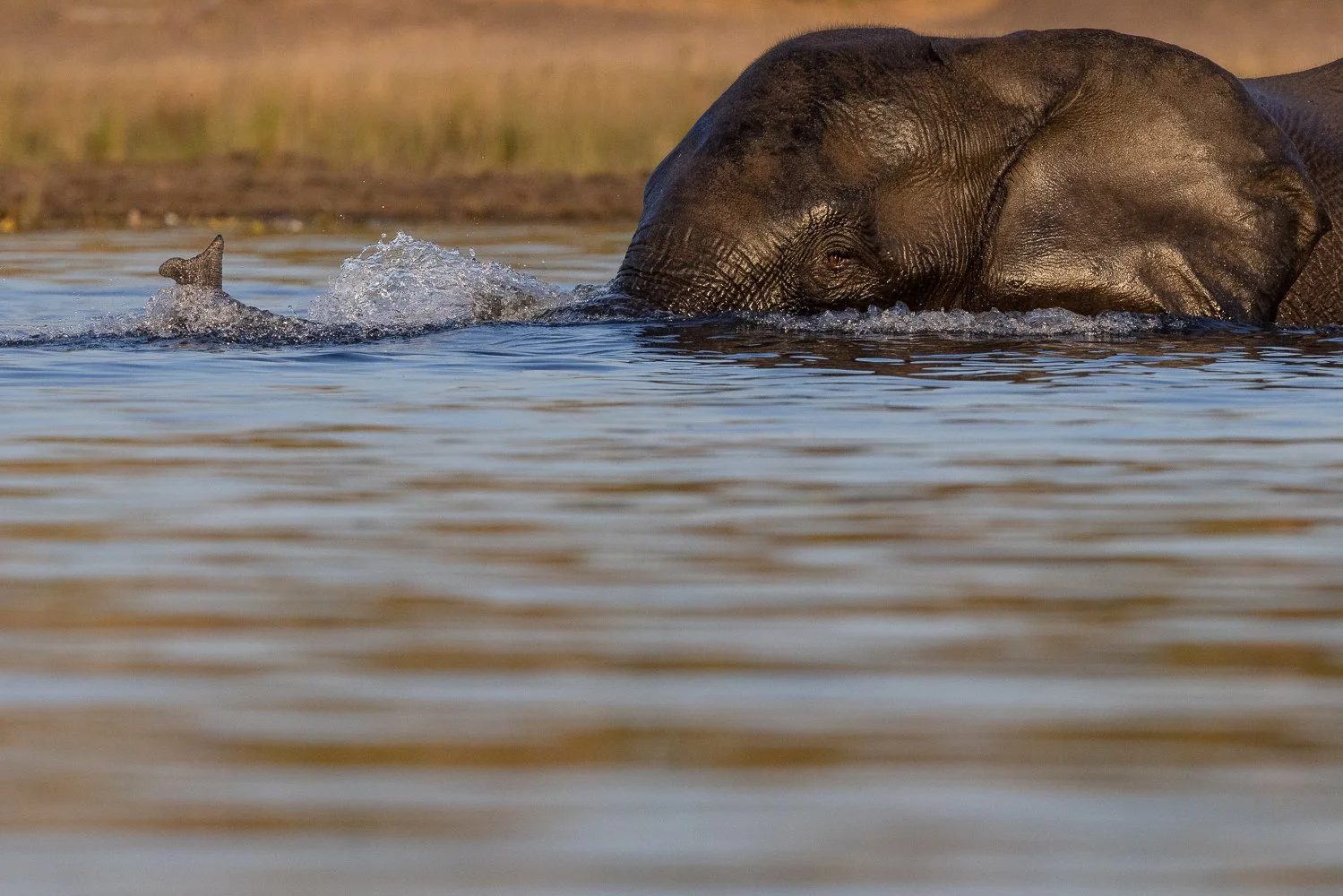
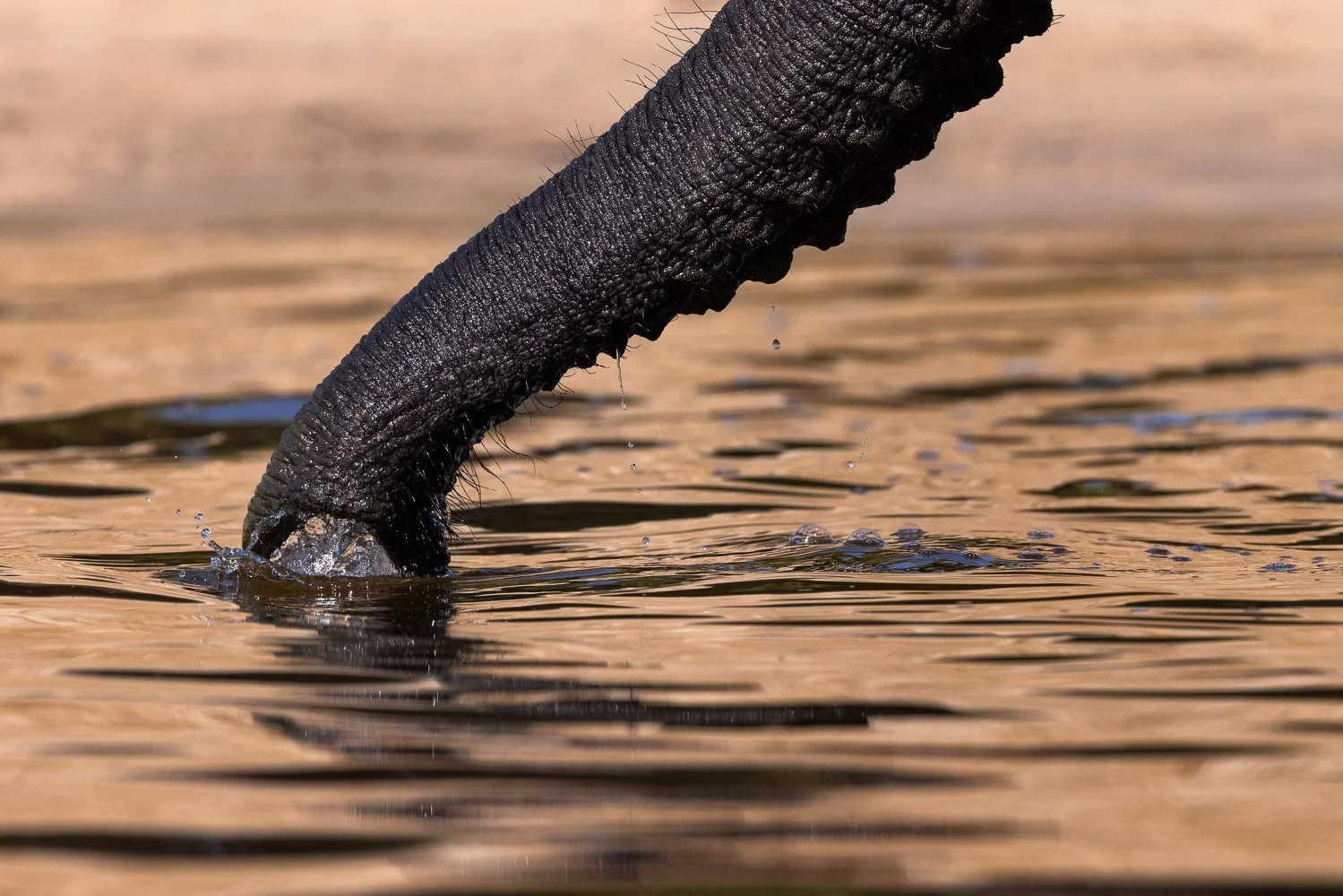
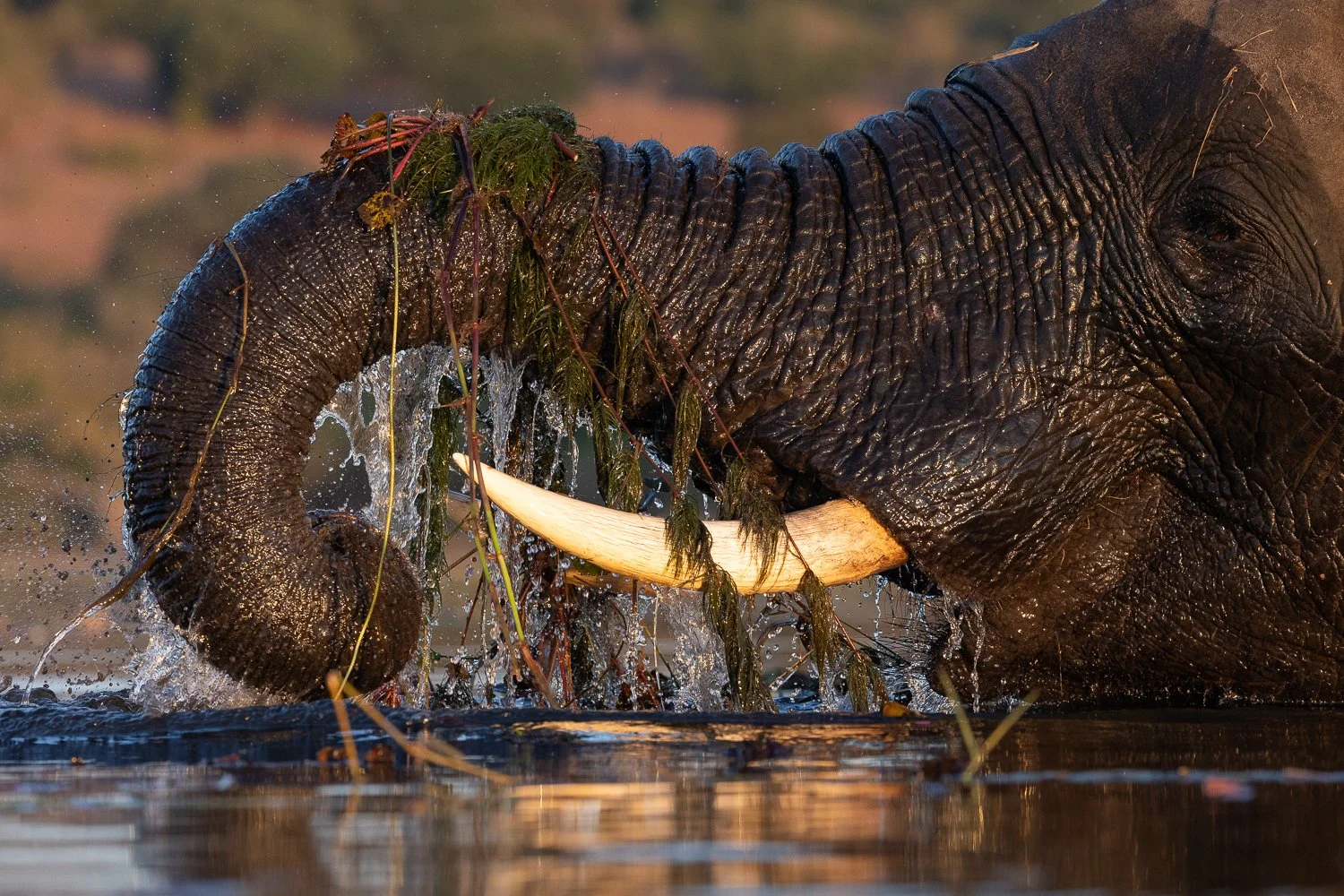
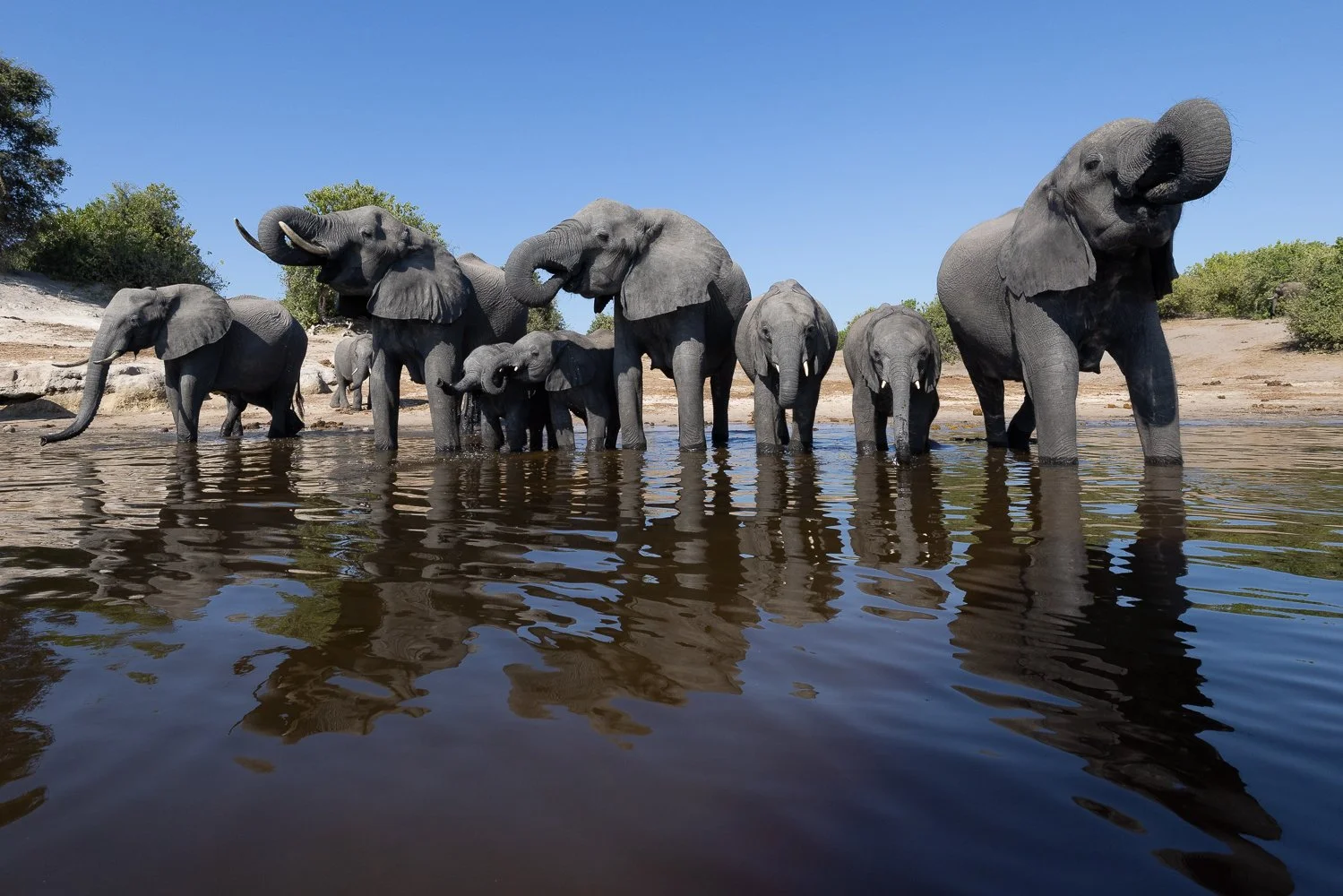
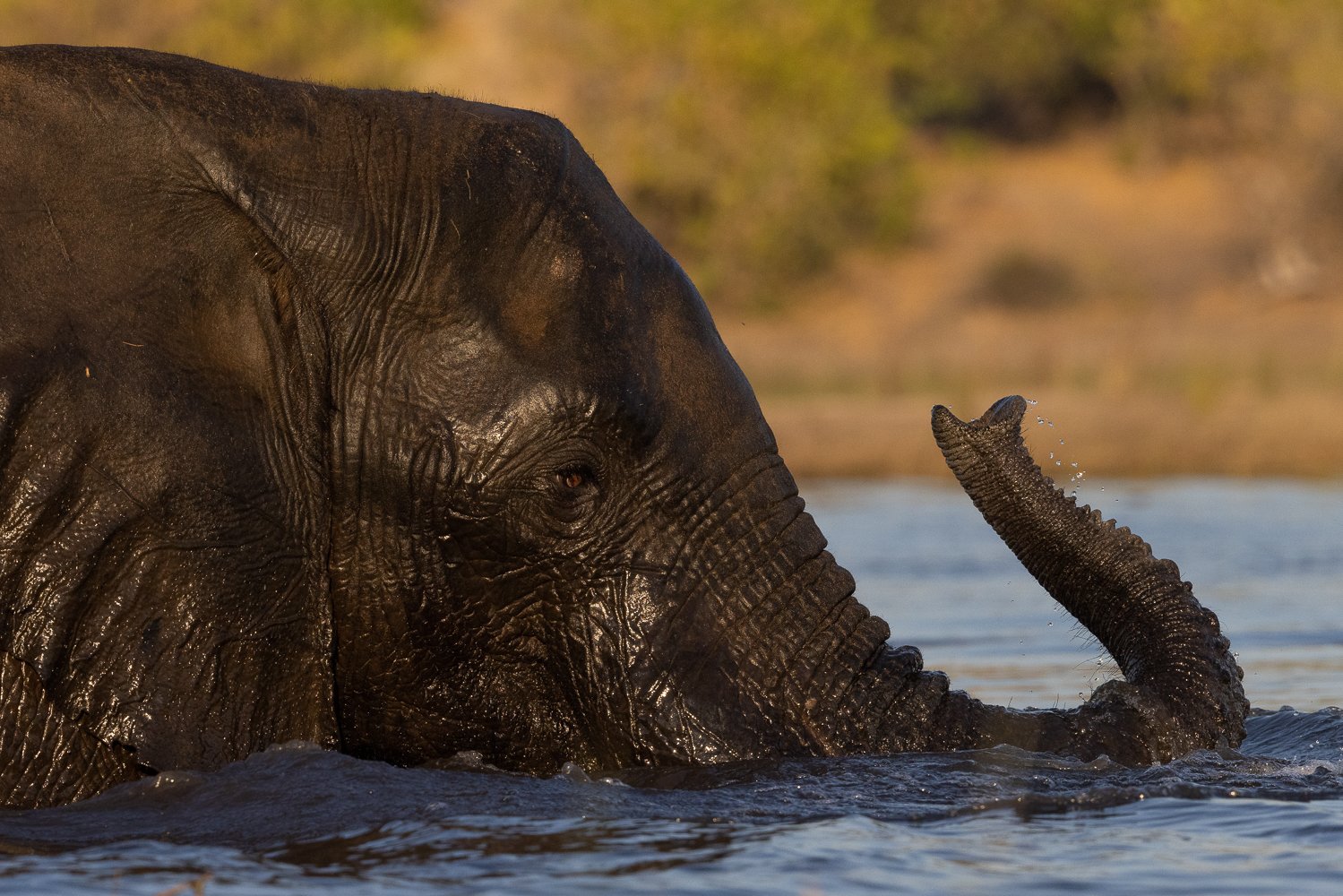
The warm midday periods draws herds of elephants and solitary bulls down to the water, where they can be seen feeding in the lush grasses or moving between Namibia and Botswana across the river. The babies’ playful antics both at the water’s edge and in the water itself provide hours of entertainment. It’s a very different photographic experience - so much life and vibrancy happens along the river, and with water-based activities you already have a low-level view for photography, and can approach birds and mammals quietly and unobtrusively. I fill my memory cards many times over on the river, with birds in flight, birds fishing, or preening. Elephants at sunset, hippo chomping away and yawning, a cacophony of sounds. We do twice daily activities, with an option to visit the Chobe National Park by vehicle too if we choose to. It’s not uncommon for lions to come down to the waters edge after finishing their kills, or to hunt and when they do you have an eye-level view of them slaking their thirst.
When to Visit
The dry season, from May to October in the Chobe is the best time to see most wildlife. Animals congregate around the river and limited water sources. Temperatures are cooler and in the mornings and evenings extra layers are definitely needed when cursing on the Chobe River (particularly through the middle of winter months of June, July and August). Close encounters with elephants in the water (often at sunset) are common, and pied kingfishers frolic and nest along the river banks. African skimmers also make the river their home during this time as the water levels fall. November usually marks the end of the dry season and the beginning of the rains with brief, but often heavy, showers. Daytime temperatures are high but evening rains provide some relief. From December through February marks the main rainy season which replenishes the landscape. Water levels rise and wildlife disperses due to the plentiful water. March is often the end of the main rainy season though rainy days do occur. From April, temperatures begin to drop and the rains have mostly stopped. Along the Chobe River, wildlife begins to congregate and herds of elephants and buffalos increasingly make the waterfront their prime evening drinking areas.
JAN
Mixed
FEB
Mixed
MAR
Mixed
APRIL
Good
MAY
Good
JUN
Good
JUL
Very Good
AUG
Excellent
SEPT
Excellent
OCT
Excellent
NOV
Very Good
DEC
Good
Your Questions, Answered
These are some of the most common questions I get asked about going on safari in the Chobe.
On safari in the Chobe
-
I prefer the drier winter months (July-September) as during the heat of the day and in the afternoons, the elephants come down to the Chobe River to drink as it is one of the few remaining water sources so you can get really good numbers of elephants in and around the water which is always great to see. At this time of the year, the river is at a good level for navigation and most channels are accessible.
-
Absolutely! I do. You can check out my 2027 tour here to see what it looks like. Combining the two destinations gives a broad opportunity for different kinds of photography and wildlife viewing on one trip with easy access between the two via charter flights directly to your camp in the Okavango (or via helicopter) or regular commercial flights between Kasane and Maun (the gateway town for Okavango access).
-
I personally prefer the Chobe for boat photography. While you can do vehicle safaris in Chobe National Park, for me it is the river that sets this area apart and most of the boats (and certainly the provider I use) are set up nicely for photography with heavy bases for stability in the water as well as customisable camera supports. Photographing from a boat is a very different experience to from a vehicle with the generally low angle and ability to get lovely out-of-focus foregrounds and bokeh through the rippling water. Most other places you would go to on safari will be vehicle-based so when I am in Chobe I definitely prefer to spend all my time on the water.
-
The river without a doubt. While the Okavango is a delta and there are permanent channels and, during the flood, watery floodplains and incredible wildlife, the Chobe has the Chobe River as its central feature and being able to be out on the water in boats customised for photography (for all types of photographers) and general comfort really sets this area apart. And it is known for its elephant herds and getting to see these happy families frolicking in the water is a real delight and worth visiting for that alone.
-
Definitely! Chobe is one of my favourite places in Africa for bird photography. If you follow my work, you’ll know that I am not a ‘birder’ so to speak but I absolutely love birds and the birdlife and activity here is fantastic. I love photographing the pied kingfishers nesting on the banks of the river and there are great numbers of malachite kingfishers, skimmers and white-fronted bee-eater colonies that pure joy to spend time with.
Photographing in the Chobe
-
For the most part you are going to want a large telephoto lens (400-600 equivalent) particularly if photographing from the boat when you get elephants in the water in great light and for photographing the incredible bird life like pied and malachite kingfishers and African skimmers.
I also keep a wide angle with me for when you get big herds of elephants drinking from the water’s edge.
-
Chobe is a National Park so is governed but strict gate times. You will however, be able to be out on the water before sunrise but do not expect to go out in the dark as you need enough light to be able to see hippos in the water, so you may get going about 15 min before sunrise which is usually enough time to find and position for great pied kingfisher or other birdlife. Similarly, you will need to be back at the boat dock just after sunset as you cannot be on the water after dark for safety reasons.